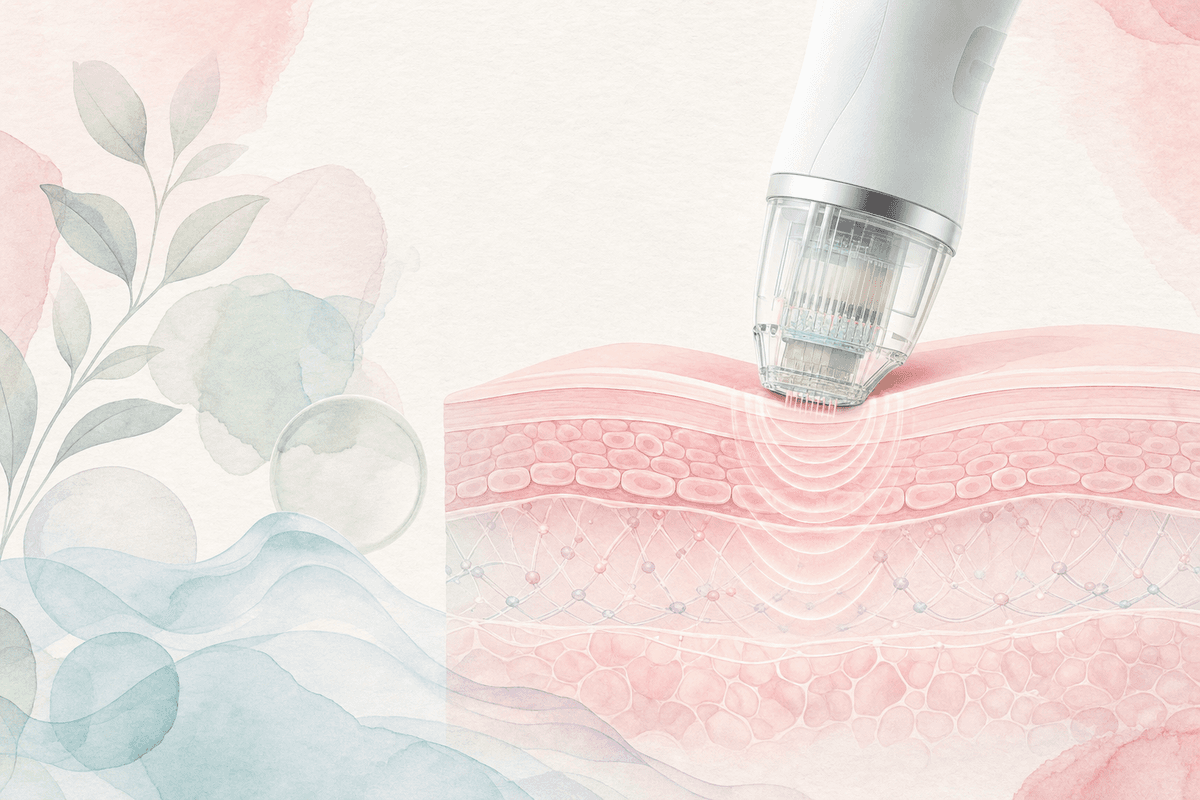
3 Types of Peels, Divided by pH 4.0 Standard
- A one-step difference in pH can change recovery time by two days.
- Even with the same 'peel,' the depth of exfoliation varies threefold due to molecular weight differences.
- For sensitive skin, the reason PHA is safer than BHA wasn't the pH, but the size.
Information as of October 2026
Understanding the Differences Between AHA, BHA, and PHA
- Strong irritation below pH 3.0
- Gentle penetration with molecular weight over 600
- Recovery 3-5 days based on 20% concentration
Are All Peels the Same? Only Half True
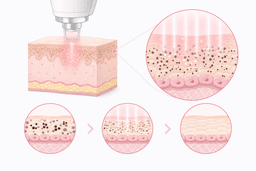
If you thought all peels are the same as long as they remove dead skin cells, you're only half right. While they do remove dead skin cells, how deeply they penetrate makes a complete difference.
AHA exfoliates the entire epidermis, BHA penetrates deep into pores, and PHA only affects the outermost layer.
This difference is determined solely by molecular weight. AHA (glycolic acid) has a small molecular weight of 76, allowing it to penetrate deep into the dermis, while PHA (gluconolactone) has a larger molecular weight of 178, keeping it on the surface.
Therefore, even at the same 20% concentration, the recovery period for AHA is 5 days, while for PHA it's 2 days.
AHA, BHA, PHA: Where They Truly Differ
AHA (Alpha Hydroxy Acid), such as glycolic acid and lactic acid, is water-soluble. It excels at uniformly exfoliating the entire epidermis.
Products used in dermatology clinics typically have a concentration of 30-50% and a pH around 3.0.
BHA (Beta Hydroxy Acid), like salicylic acid, is oil-soluble. This allows it to penetrate deep into pore sebum, making it effective for blackheads and blemishes.
At a 20% concentration, the pH is around 3.5. For acne-prone skin, this is the top choice.
| Ingredient | Molecular Weight | Solubility | Target Depth |
|---|---|---|---|
| AHA (Glycolic Acid) | 76 | Water-soluble | Entire Epidermis |
| BHA (Salicylic Acid) | 138 | Oil-soluble | Inside Pores |
| PHA (Gluconolactone) | 178 | Water-soluble | Stratum Corneum Only |
True or False Quiz
For sensitive skin, PHA is safe because its pH is higher.
Check Answer
X While PHA's pH of 4.5 is indeed higher than AHA's (3.0), the real reason is its larger molecular weight of 178, which slows down penetration. You can dilute AHA based on pH, but you can't change molecular size.
Why pH 4.0 is the Turning Point
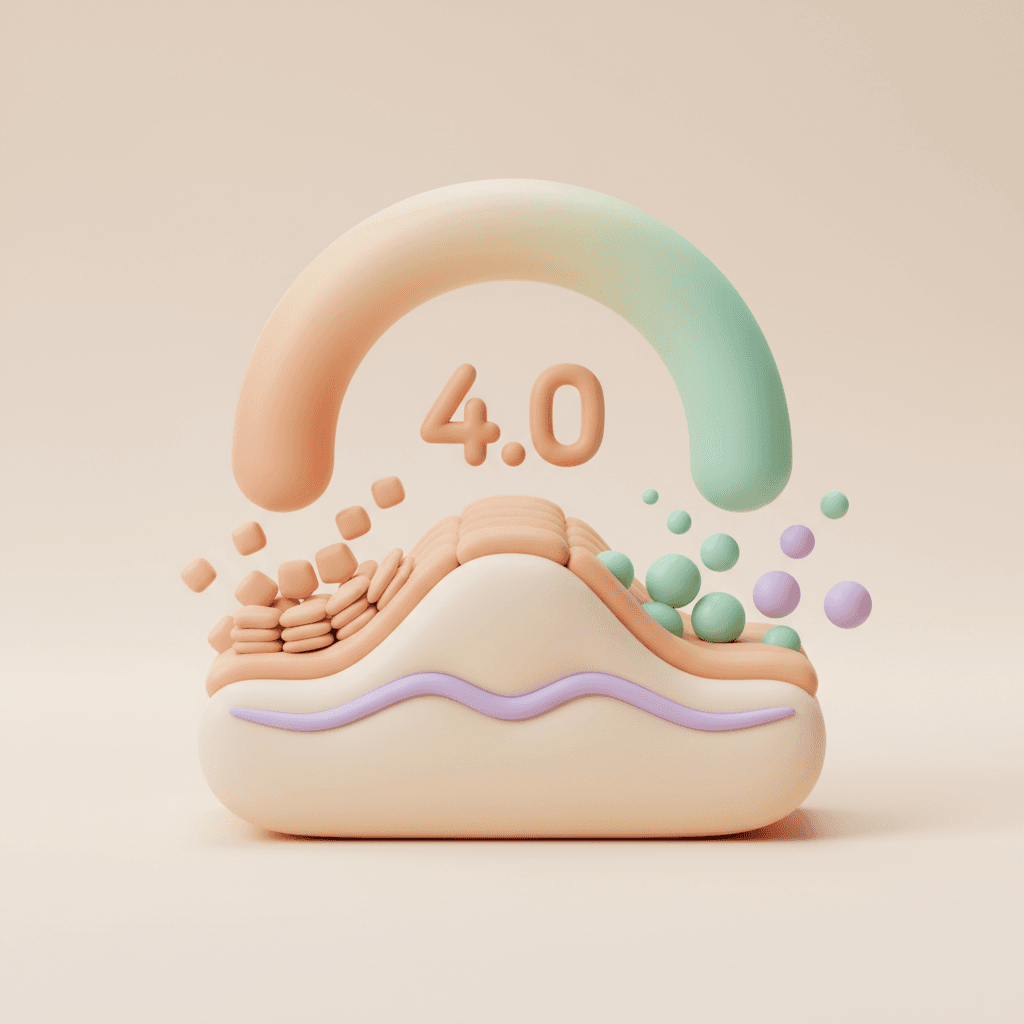
The effectiveness of a peel is determined by pH before concentration. Below pH 3.0 leads to strong exfoliation, while above pH 4.0 is considered gentle maintenance.
Most at-home products are formulated with a pH between 3.5-4.5, making them safe for use 2-3 times a week.
Surprisingly, PHA is less irritating even at pH 4.5 because its large molecule size slows down penetration. If you have sensitive skin, consider molecular size before concentration.
This is something advertisements often don't mention.
Caution Using Tretinoin (Retinol) and AHA on the same day can triple the risk of inflammation due to double exfoliation. Ensure at least a two-day interval.
Choosing the Right Product for Your Skin
If acne and pores are your main concerns, start with a BHA 20% product once a week. Its strong oil-dissolving power reduces blackheads within two weeks.
However, be sure to double up on moisturization as it can cause significant dryness.
For sensitive skin or if you're new to peels, PHA 10% twice a week is a safer option. While the results may be slower, the risk of redness is reduced by two-thirds.
AHA serves as an intermediate step, ideal for improving hyperpigmentation.
- Below pH 3.0 only once a week
- PHA can be used twice a week even on sensitive skin
Selection Guide by Peel Type
Main concerns: Blackheads & Pimples
BHA (Salicylic Acid) 20%, once a week
Cleans deep into pores with oil-dissolving power
Sensitive skin or new to peels
PHA 10%, twice a week
1/3 the irritation due to larger molecule size
Misconceptions Debunked
Myth Higher concentration always means better results
Truth Dead skin cell breakdown begins only when the pH drops below 3.0. Even at 50% concentration, a pH of 4.5 is considered at-home care level. Dermatological treatments use concentrations of 30-70% with a pH of 2.0-3.0 for strong exfoliation.
What to Absolutely Avoid After Peeling
- Avoid saunas and steam rooms on the day of treatment (heat doubles penetration depth, causing inflammation)
- Discontinue retinol and vitamin C serums for 3 days post-peel (double irritation prolongs redness)
- Use SPF 30 or higher sunscreen (skin with exfoliated dead cells has a 5x higher risk of hyperpigmentation)
Frequently Asked Questions
Can I use at-home peels daily?
Even products with a pH above 4.0 can sensitize the skin if used daily, thinning the stratum corneum. AHA/BHA should be used 1-2 times a week, and PHA 2-3 times a week at most.
If I don't see visible peeling after using a peel, is it ineffective?
Even if you don't see visible flakes, exfoliation is occurring at a microscopic level. Large clumps of dead skin peeling off are typically seen with strong treatments below pH 3.0.
What are the side effects after peeling?
Redness and tingling are normal reactions within 48 hours, but blisters, oozing, or severe itching are signs of a chemical burn. Wash immediately with cool water and consult a dermatologist.
Lumi's Word
Peeling isn't about being aggressive; it's about consistent use within your skin's tolerance. Simply checking the pH and molecular weight can halve your chances of failure. Don't rush based on what you see in the mirror; take it slow. Lumi is cheering you on!
This content is for informational purposes only and does not substitute medical advice. Always consult with a specialist before undergoing any procedures.