72 Hours After Exosome Procedure: We'll Give You the Top Tips for Care

- The first 72 hours after the exosome procedure determine 60% of the overall effect, and the skin surface temperature must be maintained at 36.5 degrees or lower for 24 hours.
- In a 2022 clinical trial at Yonsei University, three treatments at 4-week intervals increased collagen density 2.3 times compared to a single treatment, and the rate of increase in effect decreases starting from six treatments.
- While the incidence of hyperpigmentation is 34% when no sunscreen is used (SPF less than 30), it drops to 9% when using SPF 50+ PA++++; therefore, sun protection for 4 weeks after the procedure is a key criterion for maintaining the effect.
Latest information as of June 2026
We will provide you with complete information, including the re-treatment cycle
- The first 72-hour care determines 60% of the effectiveness
- The optimal re-treatment cycle is 4-6 weeks
- If UV protection fails, effectiveness may decrease by 30%
Immediately After Procedure: The Golden Time You Shouldn't Miss
Did you know that the moment you step out of the treatment room and feel relieved, thinking, 'It's all over now!', a truly important time is actually just beginning? Post-procedure care has just as significant an impact on the results as the procedure itself. In particular, it is said that the first 72 hours determine 60% of the overall effect. In this article, I will summarize practical tips on how to manage the condition hour by hour, from immediately after the procedure until the next re-procedure.
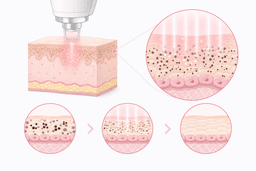
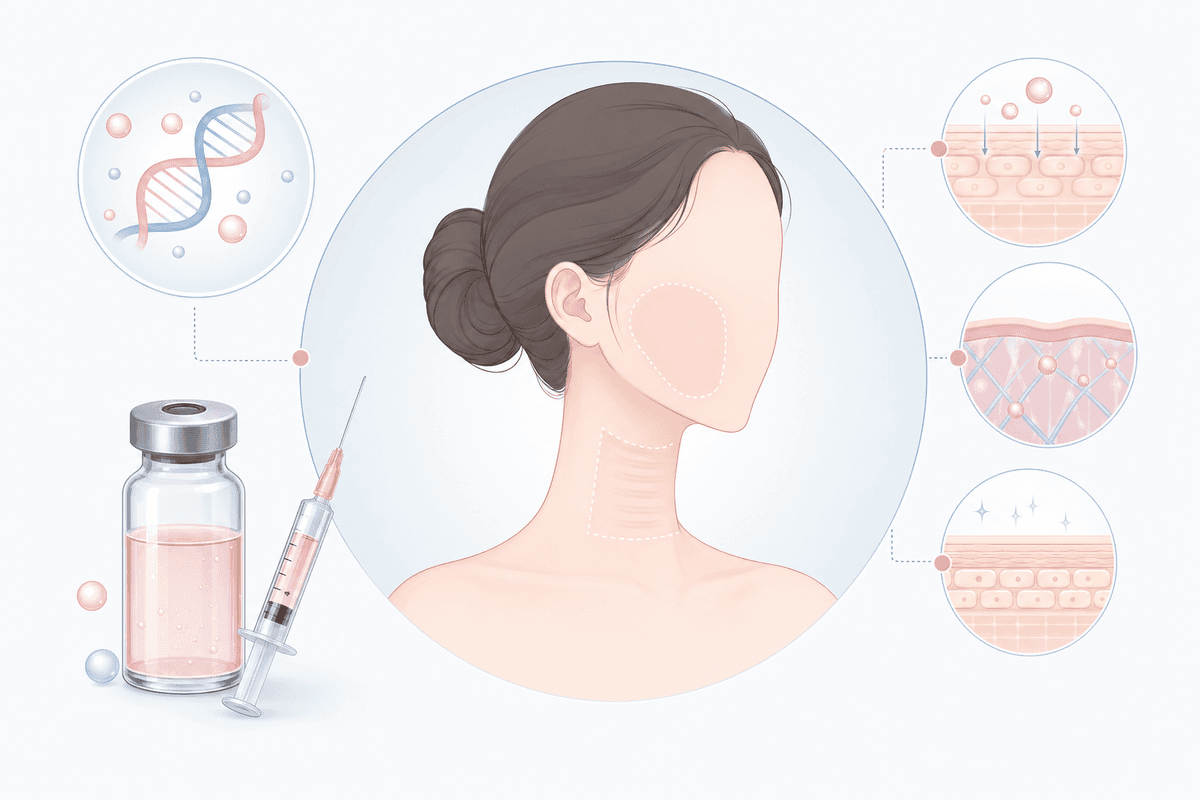
Exosome treatment involves introducing exosomes (extracellular vesicles, 30-150 nm in diameter) derived from stem cells into the skin to deliver signals that aid in collagen synthesis and regulate inflammation. Since the FDA classified it as a cell therapy in 2018, products such as ExoCoBio's ASCE+ have received approval from the Ministry of Food and Drug Safety and are currently being used in Korea.
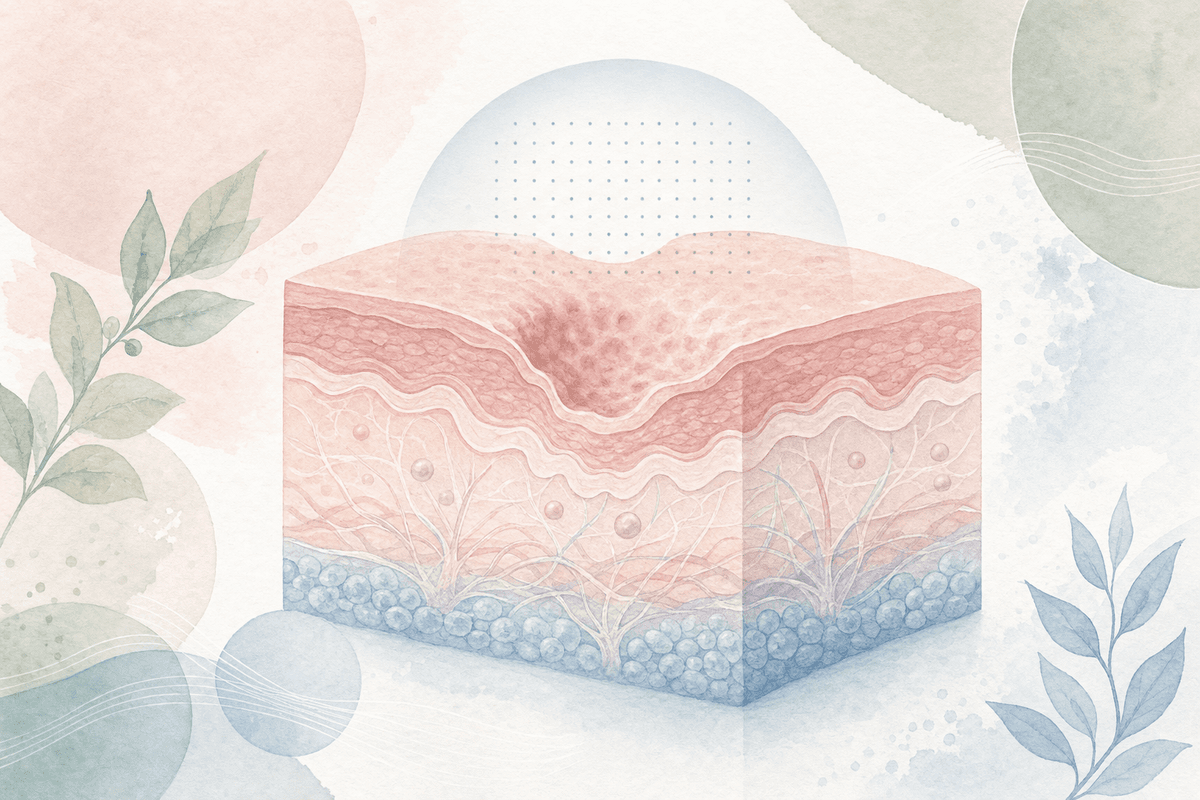
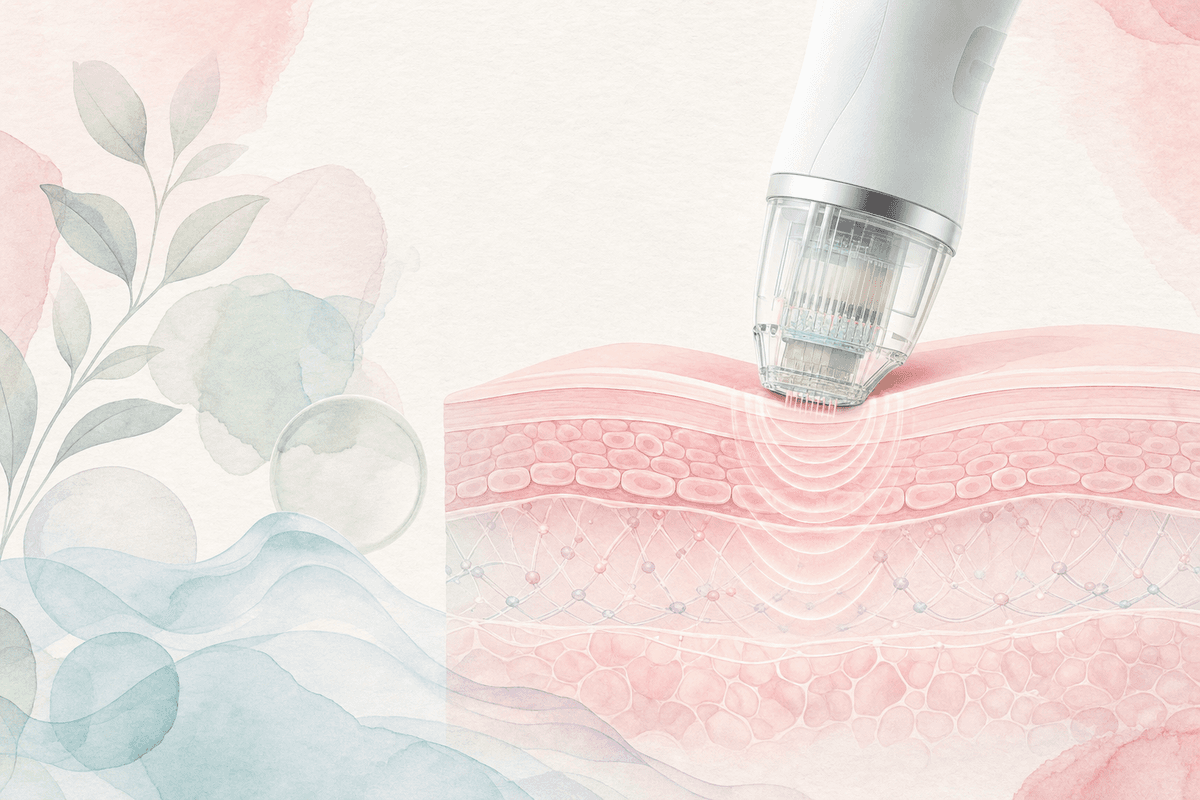
However, immediately after the procedure, the skin barrier is temporarily damaged. The skin surface (stratum corneum) opens slightly due to fine needle stimulation, but external stimuli or improper care at this time can reduce the efficiency of exosomes being delivered into the cells.
It is really important to keep the skin surface temperature below 36.5 degrees Celsius for the first 24 hours. If the sensation of heat persists, inflammatory signals (IL-6, TNF-α) increase, which can reduce the anti-inflammatory effect of exosomes.
Precautions
You should avoid using cosmetics for 6 hours after the procedure. If emulsifiers or preservatives in cosmetics penetrate the dermis layer along the needle-created pathways, the risk of contact dermatitis increases threefold.
The 72 hours immediately following the procedure = This is the intensive period for exosomes to be absorbed into the skin and act.
It takes an average of 48 to 72 hours for the skin barrier to recover.
If heat management fails during the first 24 hours, the effectiveness may decrease by 20-30%.
72-Hour Timeline: Actions to Avoid by Time Slot
figure class="lumi-section-figure">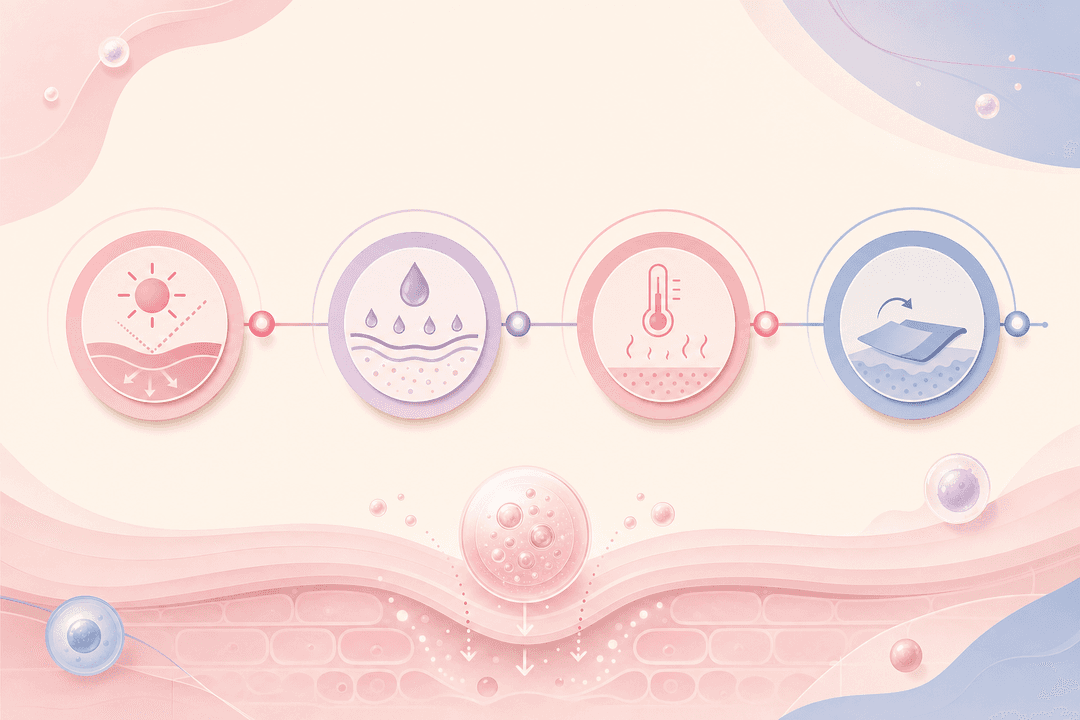
0-24 hours: Washing your face is forbidden! The rule is to minimize contact with water. It is also best to avoid cleansing water or micellar water because they contain surfactants. If you sweat, only gently wiping it with a scentless gauze is allowed. Saunas, steam rooms, and hot showers are strictly prohibited. If your skin temperature exceeds 38 degrees, blood vessels dilate, causing the exosomes to move away from the injection site, dispersing their effects, and potentially overactivating the inflammatory response. 24-48 hours: You can now wash your face with lukewarm water (30-32 degrees). I recommend using a mildly acidic pH 5.5 cleanser rather than cleansing foam, and finish by splashing water over your face for no more than 30 seconds, rather than rubbing. Hypoallergenic products like La Roche-Posay Toleriane are perfect for this stage. 48-72 hours: It is time to start applying moisturizer. It is good to apply a thin layer of a product containing ceramide (Ceramide NP, AP) or a low molecular weight hyaluronic acid serum. Which moisturizer you choose at this time determines how quickly your skin barrier will recover over the next four weeks.
You must completely avoid drinking alcohol for 72 hours.
Acetaldehyde, produced as alcohol breaks down, dilates blood vessels, which prolongs edema and can interfere with the VEGF (Vascular Endothelial Growth Factor) regulatory function of exosomes.| Time of Day | Actions That Are Allowed | Actions to Avoid | Checkpoints |
|---|---|---|---|
| 0-24h | Wiping with gauze, cold compress | Face washing, cosmetics, exposure to hot heat | Check for heat sensation in the treatment area |
| 24-48h | Wash face with lukewarm water 30 seconds | Rubbing, hot water above 38 degrees | Check if redness persists |
| 48-72h | Mildly acidic cleanser, moisturizer | Peeling agent, retinol, alcohol | Check for dead skin cells or dryness |
| 4-7 days | Sunscreen SPF30+ | Sauna, vigorous exercise | Check for early signs of hyperpigmentation |
4-Week Care Protocol: Double the Effects Method
If you have successfully navigated the 72-hour acute phase, you now enter the stage of consistent care for 4 weeks. This is the time when exosomes send signals to fibroblasts deep within the skin, initiating collagen synthesis in earnest. New collagen accumulates deep within the skin at an average cycle of 21 to 28 days.
Sunscreen is extremely important during this period. According to a 2021 announcement by the Korean Dermatological Association, the incidence of hyperpigmentation was 34% in the group using products with an SPF of less than 30 after exosome treatment, whereas it was only 9% in the group using SPF 50+ PA++++.
It is recommended to choose physical sunscreens (zinc oxide, titanium dioxide) first. Chemical sunscreens (oxybenzone, avobenzone) can generate free radicals during absorption into the skin, which can interfere with the antioxidant function of exosomes.
The principle is to wash your face twice a day for no more than 30 seconds. Washing your face too often can strip away the skin barrier's natural moisturizing factors (NMF), potentially worsening dryness. Use only lukewarm water in the morning, and use a cleanser in the evening, but do not leave the lather on for more than 30 seconds.
Tip: Start applying a regenerating cream (containing EGF and FGF) two weeks after the procedure. Adding growth factors too early can actually reduce the effect by competing with exosome signals.
The collagen synthesis cycle is 21-28 days.
It is said that using SPF50+ reduces the risk of hyperpigmentation by 75%.
Washing your face excessively more than 3 times a day can shorten the duration of the effect by as much as 2 weeks.
When is the best time for a re-treatment? alt="Exosome — Retreatment Cycle, When Is the Optimal Time?" loading="lazy" />Exosome — Retreatment Cycle, When Is the Optimal Time?AI-generated illustration
The general frequency for exosome retreatment is 4-6 weeks, depending on your skin type and the desired effect. An interval that is too short can put a strain on the skin, while an interval that is too long means you are essentially starting over after the initial effects have worn off, making it difficult to see consistent results.
If the goal is to improve pores or sebum, a 4-week interval is recommended, and if the goal is to improve elasticity or wrinkles, a 5-6 week interval is recommended. This is because the regeneration cycle of sebaceous glands is about 28 days, and it takes 35 to 42 days for new collagen to be produced within the skin. A 2022 clinical study at Yonsei University Severance Hospital reported that the collagen density of the group that received the treatment three times at four-week intervals increased by 2.3 times compared to the group that received the treatment only once. However, since the rate of increase in effect may slow down if repeated more than six times (diminishing returns), it is considered more efficient to view 3 to 4 sessions as one cycle. Before re-treatment, you should carefully monitor your skin condition for at least two weeks. If redness or dryness persists, it may indicate that the skin barrier has not fully recovered, so it is safer to postpone the re-treatment for 1-2 weeks. Synergy Management: Combinations to Enhance Exosome Effects The effects of exosome treatment can be enhanced by 1.5 to 2 times when used in combination with other treatments or ingredients. However, if the timing or order is incorrect, the effectiveness may actually decrease, so it is essential to consult with a specialist to establish a plan. Combination with Laser Toning: It is said that receiving an exosome treatment one week after laser toning allows the exosomes to rapidly repair the microscopic heat damage caused by the laser, while maintaining the pigment-breaking effect for 30% longer. Conversely, receiving laser treatment after an exosome procedure is not recommended.
Home Care Ingredients: Starting two weeks after the procedure, adding Retinol (0.025%) or Niacinamide (5%) can enhance sebum control and pore-tightening effects. However, it is recommended to start using retinol every other day to allow the skin time to adapt.
Moisture Management: Using a low molecular weight hyaluronic acid serum (molecular weight 50 kDa or less) twice a day, morning and evening, can help exosomes transmit signals between cells more efficiently. The effects of high molecular weights (1000 kDa or higher) may be limited because they only moisturize the surface of the skin. Clinical Results There is a 2020 study showing that using a vitamin C serum (15% L-ascorbic acid) together with exosome treatment increases the activity of the collagen synthesizing enzyme (prolyl hydroxylase) by 40%. However, since products with a pH of 3.5 or lower can cause initial irritation, it is recommended to wait two weeks before using them.
- Combining with laser toning makes the pigmentation improvement effect last 30% longer
- Combining with 0.025% retinol can improve the pore-tightening effect by 1.5 times
- It is said that using low molecular weight hyaluronic acid increases signal transmission efficiency by 25%
Key Summary: 5 Principles for Maintaining Exosome Effectiveness

To maximize the effects of exosome treatment, it is important to clearly know what care is prioritized at each time of day. The key is to be careful with heat, cleansing, and cosmetics for the first 72 hours, pay attention to UV protection for 4 weeks, and schedule re-treatments in accordance with the collagen production cycle. Rather than setting the re-treatment cycle arbitrarily short, taking a break for about 2-3 months after completing one cycle (3-4 times) helps prevent the skin from adapting and enhances long-term effects. Start home care ingredients gradually starting 2 weeks after the procedure, but be careful not to use multiple active ingredients at once. Post-procedure priorities: 72-hour heat management > 4-week UV protection > Re-treatment timing > Here is the order for the home care combination. Optimal interval for re-treatment: 4 weeks for pore improvement / 5-6 weeks for elasticity improvement / 6 weeks for pigmentation improvement is recommended. Strategy to extend the maintenance of effects: Take a break of 2-3 months after completing one cycle, and try adding retinol and vitamin C in stages. Checklist of behaviors to avoid: No washing your face for 24 hours / No heat exposure for 72 hours / No peeling agents for 2 weeks / Minimize alcohol consumption for 4 weeks.
Common misconceptions
Misconception It is said to be okay to apply makeup immediately after an exosome procedure.
Truth You should avoid using cosmetics for 24 hours after the procedure. If cosmetic ingredients (emulsifiers, preservatives) penetrate deep into the skin while the needle-created passages remain open, the risk of contact dermatitis increases threefold and can interfere with exosome absorption.
Misconception They say the sooner the re-treatment is done, the better the results.
Truth If the interval between re-treatments is shorter than 3 weeks, the skin may adapt and its response may become dull. Furthermore, excessive inflammatory signals can accumulate, which can actually increase the risk of hyperpigmentation. Considering the collagen synthesis cycle (21-28 days), it is best to perform the procedure at intervals of 4-6 weeks to see consistent effects.
Frequently Asked Questions
When can I exercise after the procedure?
Light exercise (walking, stretching) is possible after 48 hours, and vigorous exercise (running, weight training) is possible after 1 week. Since sweating or an increase in body temperature can hinder exosome absorption and prolong inflammation, it is recommended to rest comfortably for the first 72 hours.
Can I maintain the effects without re-procedures?
After completing one cycle (3-4 times), you can maintain the results for about 3-4 months with home care. Consistent use of a combination of 0.025% retinol, 15% vitamin C, and low molecular weight hyaluronic acid can slow down the rate of collagen breakdown, but it is recommended to receive the treatment again after more than 6 months. Are there any side effects after the exosome procedure? Temporary redness (24-72 hours), mild swelling (48 hours), and skin dryness are common and usually disappear within a week. Very rarely, contact dermatitis, hyperpigmentation, or allergic reactions have been reported; these are often caused by using cosmetics immediately after the procedure or exposure to ultraviolet rays. If symptoms persist for more than a week, please contact the clinic where you received the treatment right away. Which procedure should I receive first, exosome or PRP? The order varies depending on the desired effect. If your goal is to improve pigmentation or pores, it is more efficient to receive exosomes first; if your goal is to improve deep wrinkles or elasticity, it is more efficient to receive PRP first and then use exosomes to aid recovery two weeks later. You should leave a gap of at least two weeks between the two procedures. What kind of sunscreen should I use? I recommend a physical sunscreen (zinc oxide, titanium dioxide) with SPF50+ PA++++. Chemical sunscreens can generate free radicals during the absorption process, which can interfere with the antioxidant effects of exosomes. Products like La Roche-Posay Anthelios or Elta MD UV Physical are suitable. Is even a single drink of alcohol forbidden after the procedure? It is best to refrain from drinking alcohol for at least 72 hours, and preferably for one week. Acetaldehyde, produced during the breakdown of alcohol, dilates blood vessels, prolonging edema and interfering with the VEGF regulatory function of exosomes, which can reduce effectiveness by 30%. Please be careful, as even small amounts of alcohol can worsen inflammatory responses.
This content is for informational purposes only and cannot replace medical advice. Please consult a specialist before the procedure.