Korea is known globally for having one of the highest rates of plastic surgery and dermatology procedures per capita, with a particularly high concentration of these clinics in the Gangnam area of Seoul. Due to the wide variety of procedures available and intense competition among hospitals, it is reported that some treatments are offered at relatively reasonable prices compared to major cities overseas. This guide is intended to provide informational assistance to those considering plastic surgery or dermatology in Korea, helping them compare and understand costs, hospitals, and procedures; it does not recommend any specific hospital or procedure.
In Korea, the specialist certification system for plastic surgery and dermatology is well-established, and clinics are concentrated in the Gangnam, Seocho, and Apgujeong areas of Seoul, offering a wide range of medical options. Due to the market's characteristic rapid adoption of new equipment and surgical techniques, patients can compare various options within a single region, ranging from non-incisional and minimally invasive procedures to major surgeries like facial contouring. The government (Ministry of Health and Welfare) operates a registration system for "Medical Institutions Attracting Foreign Patients" capable of treating international patients, and some hospitals obtain separate accreditations such as the Joint Commission International (JCI). However, since accreditation or hospital size does not automatically guarantee a suitable choice for an individual, it is advisable to also check the "Criteria for Choosing a Hospital" listed below.
The prices in the table below are reference ranges (KRW) compiled from procedure information collected from hospitals registered with K-Dia. Actual costs can vary significantly depending on the scope of the procedure, materials and implants used, anesthesia methods, and the hospital and medical staff; therefore, please be sure to confirm the final amount through a consultation with the hospital. Even procedures with the same name may differ in their specific methods. You can check the principles behind each procedure and recovery time in the encyclopedia descriptions under 'Learn More About Procedures' below.
| Procedure | Approximate price range (KRW) |
|---|---|
| Onda (Face) 80kJ + AI 3D Skin Analysis Diagnosis | ₩495,000 |
| Radius 1 syringe 1 time + AI 3D skin analysis diagnosis | ₩840,000 |
| Today LASIK | ₩1,090,000–₩2,000,000 |
| Ultherapy PRIME® 300 shots + AI 3D Analysis Diagnosis | ₩1,100,000 |
| Sofwave 100 pulses + Ai 3D Analysis Diagnosis | ₩1,100,000 |
| 울쎄라 피프라임 300샷+LDM | ₩1,595,000 |
| Smart Smile LASIK | ₩2,300,000–₩3,000,000 |
| SMILE LASIK | ₩2,500,000–₩2,900,000 |
| Silk LASIK | ₩3,300,000–₩3,800,000 |
| SmileNova (Pro) | ₩4,000,000–₩4,500,000 |
Prices vary depending on the scope of the procedure, materials, and the hospital; please confirm the actual cost through a consultation with the hospital.
The principles, recovery, and precautions for each procedure have been summarized in easy-to-understand explanations.

Double eyelid surgery (buried suture method)
A non-incisional method that fixes the double eyelid line with threads without cutting the skin. Recovery is fast and natural.
View details

Rhinoplasty (augmentation rhinoplasty)
This is a surgery that uses implants and autologous tissue to raise the bridge of the nose and refine the tip to create a balanced nose line.
View details
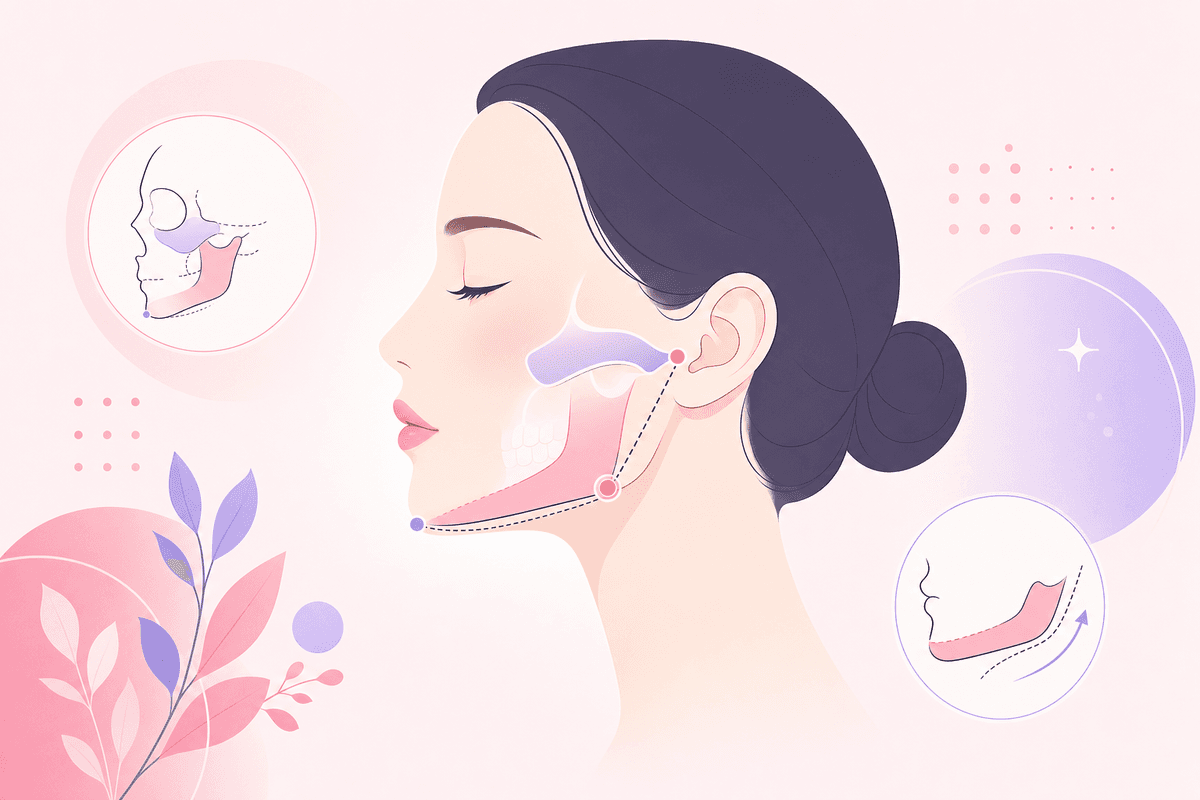
Orthognathic surgery
A combined functional and cosmetic surgery that corrects the position of both the upper and lower jawbones. It improves malocclusion, prognathism, and protruding mouth.
View details

cheekbone reduction
It moves and fixes the protruding front and side cheekbones inward to create a soft and three-dimensional face shape.
View details
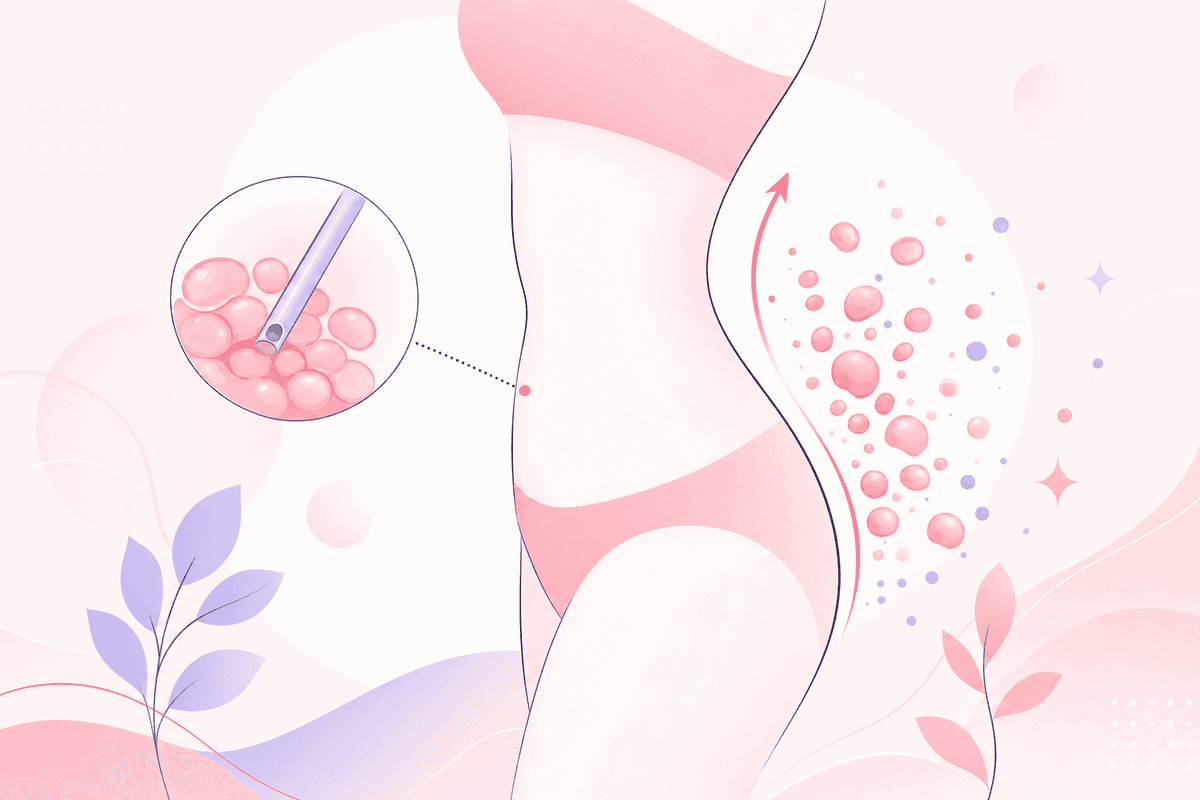
liposuction
This is a procedure that corrects body lines by suctioning localized fat that cannot be lost through exercise or diet.
View details

Breast augmentation (implants)
A surgical procedure to improve breast volume and contours by inserting implants. The incision location and insertion layer are selected.
View details
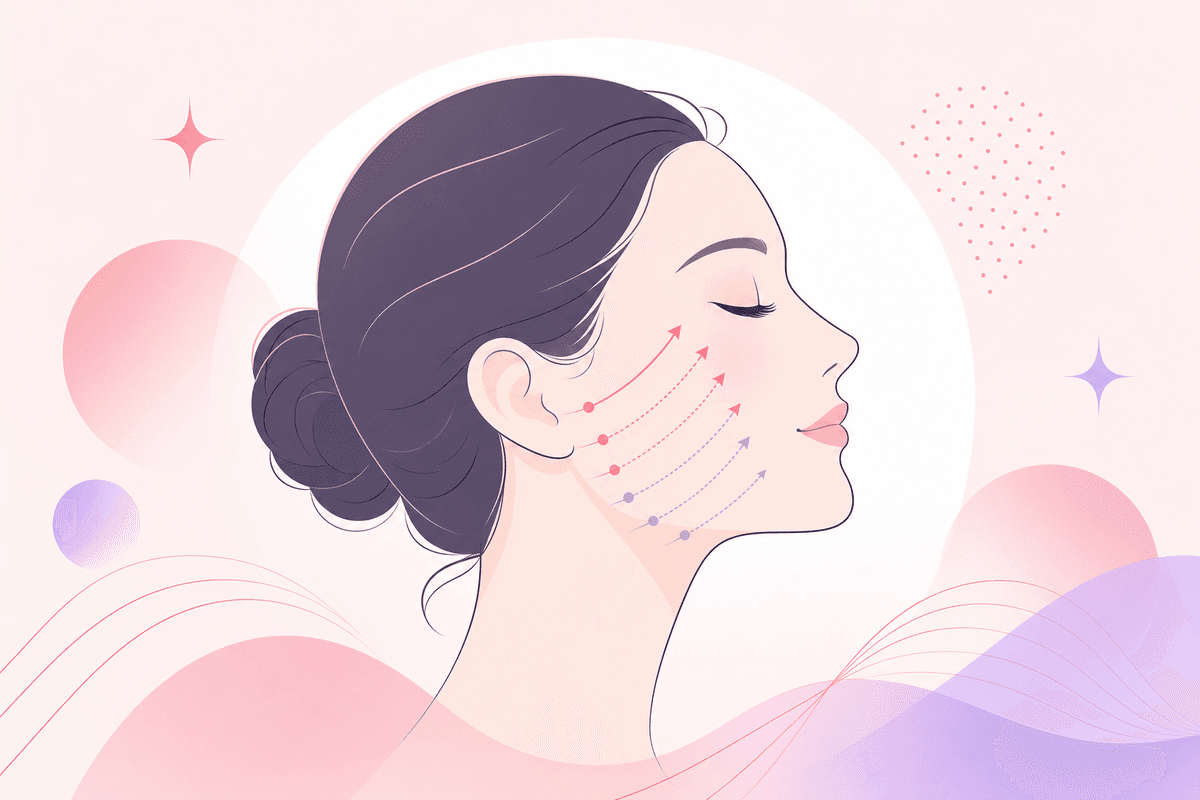
Thread Lift
It is a lifting procedure that physically pulls up sagging tissue by inserting special dissolvable threads under the skin.
View details
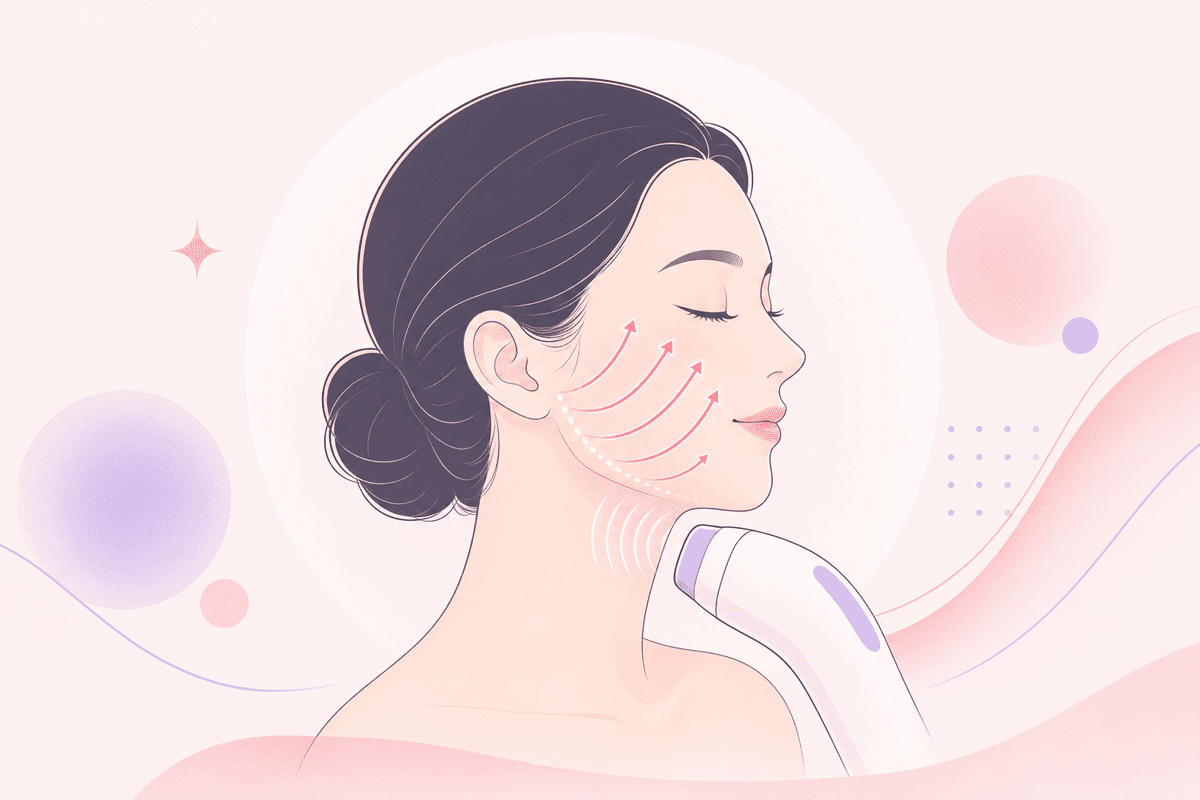
Ulthera(HIFU)
This is a non-surgical procedure that uses high-intensity focused ultrasound to stimulate the deep SMAS layer of the skin, enhancing lifting and elasticity.
View details

Botox
It is a representative minimally invasive procedure that temporarily reduces muscle movement to smooth out facial wrinkles or reduce muscle volume.
View details
filler
It is a procedure that creates immediate volume by injecting substances such as hyaluronic acid to fill in sunken areas or shape the contours.
View details

Rejuran
It improves texture, elasticity, and fine lines by injecting salmon DNA components (PN/PDRN) to enhance the skin's natural regenerative power.
View details

hair transplant
It is a procedure that involves harvesting healthy hair follicles from areas such as the back of the head and transplanting them to areas of hair loss or the hairline.
View details
1. Information Search — First, understand what the procedure of interest is, as well as its principles and recovery process. Reviewing the procedure encyclopedia alongside actual patient reviews is helpful. 2. Hospital & Doctor Comparison — Compare locations, specialties, reviews, and price ranges side by side. 3. Online Consultation & Quote — Ask questions before your visit to receive estimated costs and schedules. In some cases, photo consultations are available. 4. Visit and In-Person Consultation — Visit the hospital in person to assess your condition with the medical staff and finalize the procedure plan. 5. Procedure — Check the anesthesia, procedure duration, and precautions before proceeding. 6. Aftercare — Monitor your progress and receive necessary treatments. It is advisable to confirm in advance whether online follow-up consultations are available even after you return home. With K-Dia, you can conduct the entire process in one place: searching for information via the procedure encyclopedia, comparing hospitals, doctors, and reviews, and leaving online inquiries and consultations with hospitals.
It is safer to consider various factors together rather than choosing a hospital based solely on price. - Specialist Status — Verify that a specialist in the relevant field (Plastic Surgery or Dermatology) personally conducts the consultation and procedure. - Government Registration — Registration as a 'Medical Institution for Attracting Foreign Patients' is required to treat foreign patients. - Reliability of Reviews — Refer to genuine reviews that include the context before and after the procedure and the recovery process without exaggeration. - Transparency of Consultation — Check if the estimated cost, scope of the procedure, and potential side effects are adequately explained. - Post-procedure Care — Verify if there is a system in place to monitor progress after the procedure and respond to any issues that may arise. - Communication — Check in advance whether interpretation or multilingual consultation is available.
Cosmetic and dermatological procedures are medical treatments, and even common procedures carry the possibility of side effects such as swelling, bruising, infection, asymmetry, or the need for revision surgery. Since results and recovery speeds vary from person to person, experiences may differ even for the same procedure. Rather than cramming multiple procedures into a tight schedule, take the recovery period into full consideration. During the consultation, ask if the method is right for you and if there are any alternatives. Be cautious of exaggerated claims such as "lowest price" or "100% guarantee," and contact the hospital immediately if you experience any unusual symptoms after the procedure. The information on this page does not replace medical diagnosis or advice, and you must make your final decision after consulting with medical professionals.
The Gangnam-gu area is the most densely populated area for plastic surgery and dermatology clinics in Seoul. Clinics are clustered around Gangnam Station on Subway Lines 2 and the Shinbundang Line, Sinsa Station on Line 3 and the Apgujeong Rodeo area, and Gyodae Station and Seocho Station in Seocho-gu, making it convenient to compare various hospitals and receive consultations within a short travel distance. The Apgujeong and Sinsa areas are known as long-standing plastic surgery and dermatology clusters, while the area around Gangnam Station is easy to visit due to its excellent transportation accessibility. You can check which hospitals are located in each region by area and procedure using K-Dia's hospital search.
Yes, you can. Many hospitals treat international patients, and the process is smoother if you use a hospital registered with the government as a 'Medical Institution for Attracting Foreign Patients.' Since reservation and consultation methods vary by hospital, it is recommended to check before visiting.
It depends on your nationality and duration of stay. Short-term visits may be possible without a visa or with a tourist visa, while a separate medical tourism visa may be required for long-term stays for treatment purposes. Please check the guidance from your country's embassy or consulate in Korea or the Korean immigration authorities for exact requirements.
It varies significantly depending on the type of procedure. Simple procedures like Botox and fillers can often be completed within a day, but for surgeries involving incisions, it is common to recommend a stay of several days to 1 to 2 weeks for suture removal and initial follow-up. Please confirm the exact schedule during a consultation at the hospital.
Hospitals that treat a large number of foreign patients often provide interpretation or multilingual consultation services in languages such as English, Chinese, and Japanese. It is advisable to check with the hospital in advance to see if the necessary language is supported before making an appointment.
The price of the procedure varies depending on the scope, materials, and the clinic. You can compare price ranges by clinic on K-Dia's procedure page and receive an estimated quote via an online inquiry. The final cost is confirmed during an in-person consultation.
After finding a hospital and doctor on K-Dia and leaving an online inquiry or consultation request, the hospital will guide you through the scheduling and consultation process. By conducting a consultation in advance to align with your visit schedule, you can efficiently plan your stay abroad.
Many hospitals support follow-up checks and online consultations after the procedure. You can rest assured if you check in advance, before the procedure, the situations that may arise after returning home, how to respond, and whether remote consultation is available.
All procedures carry the possibility of side effects. If swelling, pain, or unusual symptoms after the procedure exceed the expected range, you must immediately contact the hospital where you received the treatment for guidance. In emergency situations, please seek assistance from a nearby medical institution first.
Price is just one of several criteria. Carefully scrutinize excessively low prices or exaggerated advertisements, and comparing factors such as whether the doctor is a specialist, the transparency of consultations, reviews, and the follow-up care system will help you make a safe choice.
Yes, there are many clinics where you can receive a consultation online or in person before the procedure. I recommend that you make a decision after thoroughly asking about any questions you may have, the estimated costs, and potential alternative procedures.
Payment methods and currencies vary by hospital. During the consultation, please clearly confirm available payment methods (such as cards or cash) and the items included in the total cost borne by the patient (anesthesia, materials, post-operative care, etc.).
It is safe to disclose any medications you are currently taking, your medical history, and previous procedures during the consultation. Depending on the type of procedure, you may be advised to avoid alcohol, smoking, or certain medications for a specific period, so please follow the hospital's pre-procedure precautions.
Compare information and start a consultation.
This page is for informational purposes only and does not constitute a medical diagnosis or advice. Please consult with a medical professional before deciding whether to proceed with the procedure.
