AI Simulation: The Technological Turning Point That Differentiated Rapid Growth in 2024
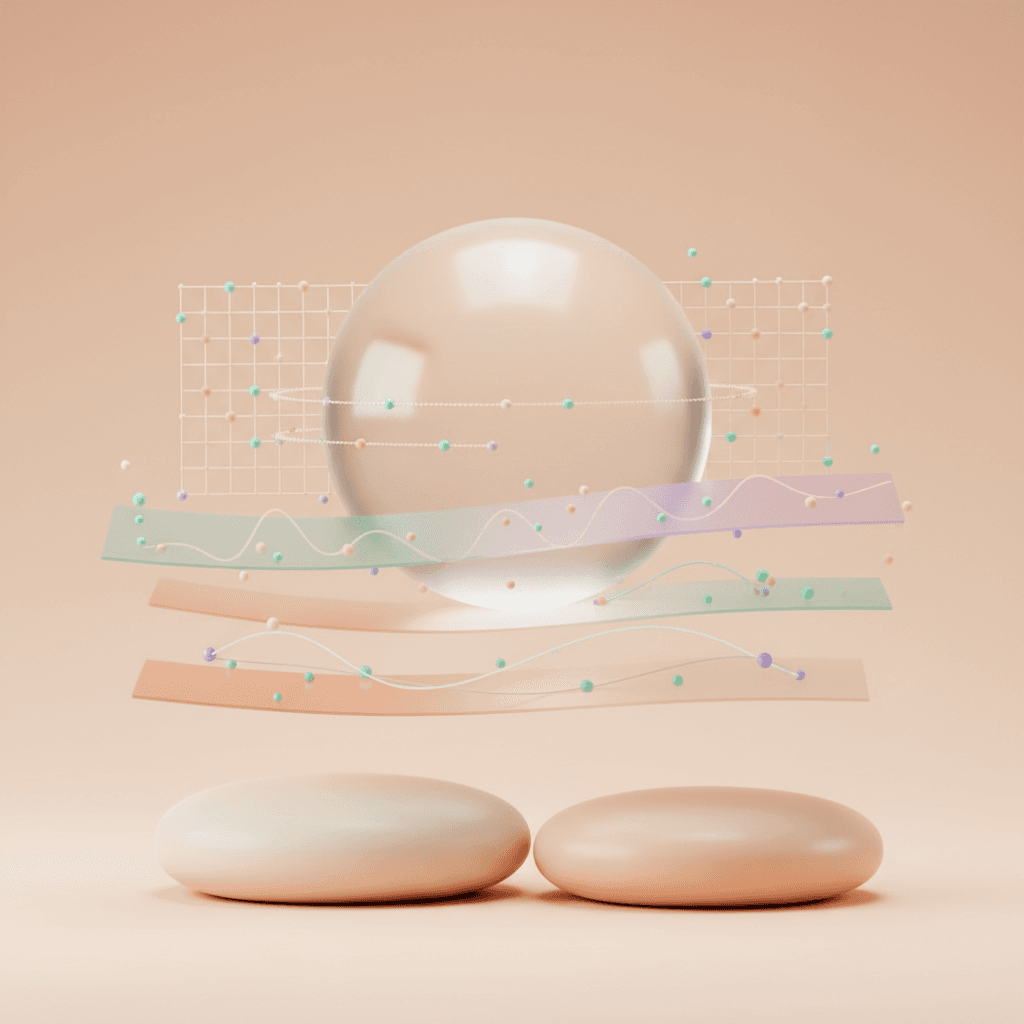
- Why the adoption rate of diffusion models surged by 73% in 2023
- 3D rendering only showed one angle, but generative AI creates expressions
- The current limitation is that the same face yields different results when lighting conditions change
- 3D Rendering in 2019 → Diffusion Model Transition in 2023
- Processing time reduced from an average of 8 seconds to 2.3 seconds
- Result variation up to 30% depending on lighting and angle variables
My Face, Seen 3 Seconds After Loading
I uploaded a selfie and slightly raised the bridge of my nose with my finger. I stared intently at the screen for the 3 seconds the loading indicator spun.
When the result appeared, I instinctively zoomed in. It looked so natural that I wondered if it was really my face.
As of 2024, over 30% of domestic plastic surgery and dermatology clinics have adopted AI simulations for consultations. This figure was 5% in 2021. What has changed in just three years?
2019 Rendering vs. 2023 Generative AI: A Technological Crossroads
The method used until 2019 was 3D rendering. It works by reading the face as a grid and moving coordinates for the nose and chin. Processing was fast, but it only showed one angle, and expressions were frozen.
Since 2023, generative AI based on Diffusion Models has become widespread. It learns from thousands of before-and-after treatment images to create new faces.
Processing time has decreased to an average of 2.3 seconds, and it can generate smiling expressions and side profiles.
OX Quiz
AI simulations based on diffusion models take longer to process than 3D rendering.
Check the answer
X Diffusion models take an average of 2.3 seconds, which is more than three times faster than 3D rendering (average 8 seconds). This is because the pixel generation structure is more efficient than coordinate calculation.
From GAN to Diffusion: Why Accuracy Improved
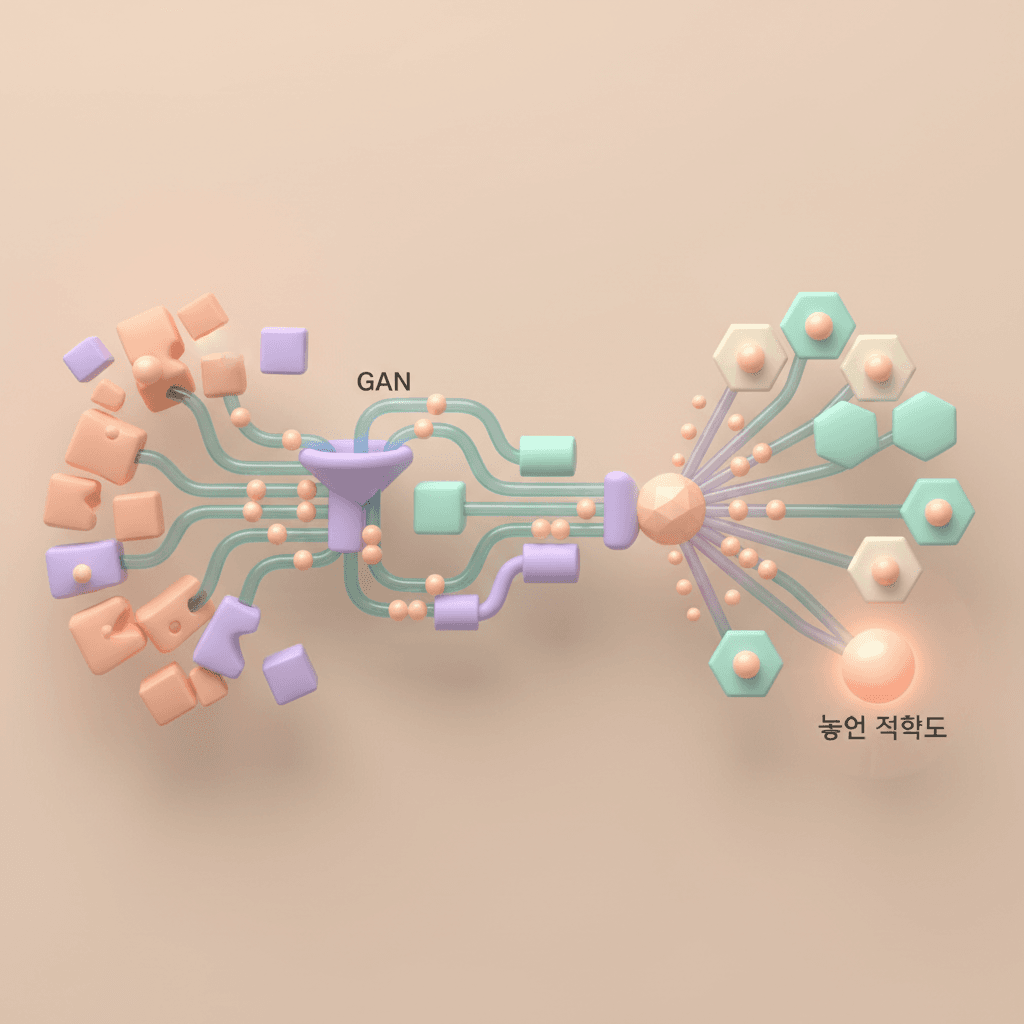
Early generative AI used the GAN (Generative Adversarial Network) method.
Two neural networks compete to create images, but results could be unstable with insufficient training data. Most services before 2022 fell into this category.
Diffusion models have a structure that starts from noise and gradually restores the image. They have low dependency on training data and reproduce even subtle skin textures and shadows.
A 2023 Stanford research team report showed a 41% higher subjective satisfaction compared to GANs (Stanford HAI, 2023).
Key Point The core of diffusion models is the 'denoising process.' Just like restoring a blurry photo to clarity, it starts with random pixels and identifies facial features step by step.
Still Unsolved: Lighting, Angles, and Individual Differences
The problem is that results vary depending on the input conditions. Even with the same face, changing the lighting color temperature from 3000K to 5500K can result in a nasal bridge height difference of up to 1.2mm.
Inputting a front-facing photo and a 30-degree side profile photo yields different predictions for the jawline.
AI responds closest to the average of its training data. Prediction accuracy decreases for individuals with significant asymmetry or unique skeletal structures.
The results are a 'starting point' for treatment planning, not the final blueprint.
- Result variation up to 30% due to lighting and angle variables alone
- Agreement rate between specialist judgment and AI prediction is around 68-74%
Rendering vs. Generative AI: A Technology Comparison
3D Rendering (Pre-2019) [Coordinate Movement]
- Average processing time: 8 seconds
- Outputs only one angle
- No expression changes possible
- No training data required
Fast, but results are unnatural and limited
Diffusion Model (Post-2023) [Pixel Generation]
- Average processing time: 2.3 seconds
- Can generate multiple angles and expressions
- Reproduces skin texture
- Requires thousands of training images
Natural, but variations occur depending on input conditions
AI Simulation: How NOT to Use It
- Do not use the results as confirmation for treatment — they are predictions, not guarantees.
- Do not make judgments based on a single photo — results change with lighting and angles.
- Do not upload photos without checking the photo storage and deletion policy.
Frequently Asked Questions
How closely do AI simulation results match actual treatment outcomes?
The agreement rate with specialist judgment is around 68-74%, with variations up to 30% depending on lighting, angles, and individual skeletal characteristics.
Where are the uploaded facial photos stored?
This varies by service, so be sure to check the privacy policy. Some delete photos immediately after analysis, while others retain them as training data.
Which is more accurate, GAN or diffusion models?
Diffusion models have an advantage in reproducing skin texture and shadows, and a 2023 study showed 41% higher subjective satisfaction compared to GANs.
References
- Diffusion Models in Medical Imaging: A Comparative Study — Stanford HAI, 2023
Lumi's Take
AI simulation is not a mirror, but a compass. It shows you the direction, but the final destination is decided with your doctor. If you have questions after seeing the results, take them to the consultation room. That's the best way to use this tool.
This content is for informational purposes only and does not substitute medical advice. Always consult with a specialist before undergoing any procedure.