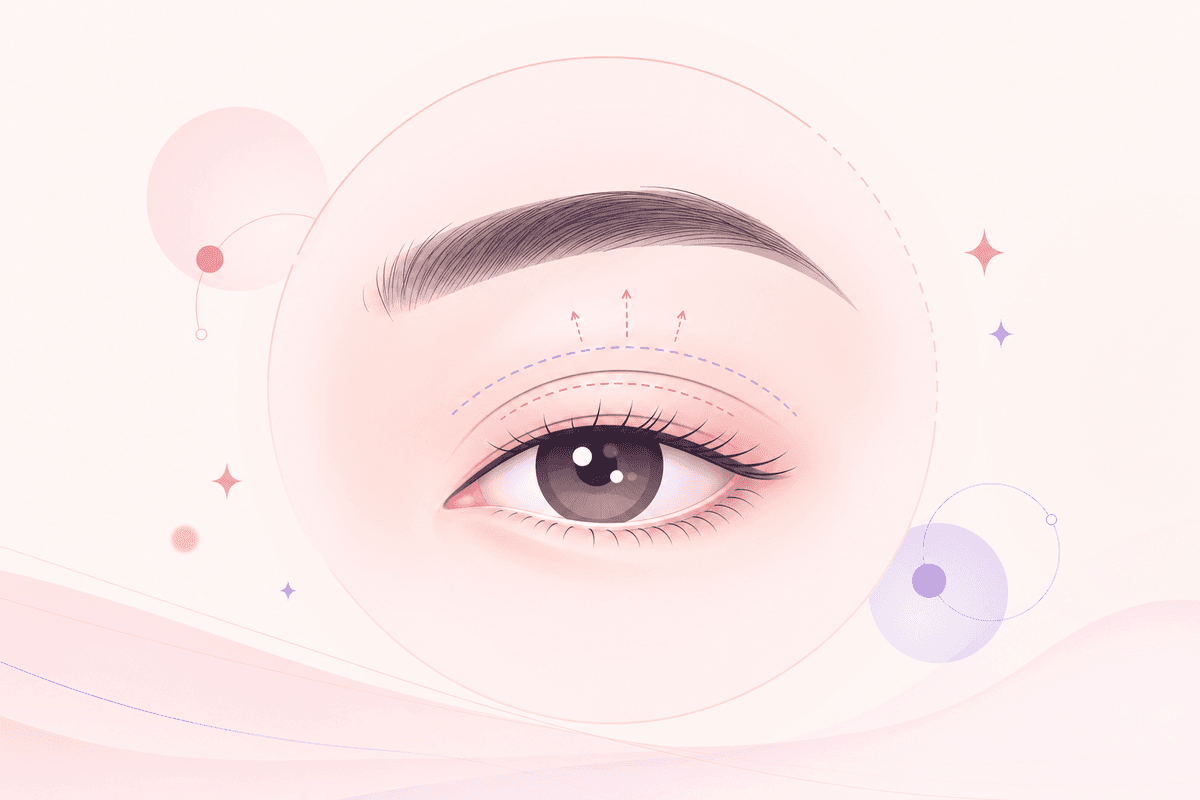
This is a highly complex corrective surgery designed to fix issues such as loosened eyeliner, asymmetry, and overcorrection from previous eye surgeries.
Typical price ₩2,475,000–₩3,025,000 (p25–p75, ≈ $1,780–$2,200) · Median ₩2,750,000 · Based on 2 listed prices from 1 clinics ·
Final price may vary after consultation · USD is an approximate reference only (rates as of 2026-08-22)
Revision eye surgery is a procedure to correct issues such as loosened eyeliner, asymmetry, lines that are too thick or high, multiple lines, or excessive widening that occurred after previous double eyelid, eye shape correction, or canthoplasty surgeries. It is more complex than the initial surgery due to the accompanying scarring and adhesions, and precise design considering the tissue condition is key.
It is performed in cases where the eyeliner has loosened or faded, there is asymmetry between the left and right eyes, the eyeliner is excessively high or thick, there are multiple or triple lines, or the eye shape appears unnatural due to excessive canthoplasty. Correction of recurrent ptosis is also included.
Existing scars and adhesions are separated, the height of the incision line is lowered or raised if necessary, and insufficient tissue is reinforced. Incision restoration and soft tissue grafting may also be performed. It is recommended to perform this procedure after a sufficient recovery period (usually at least 6 months) following the first surgery.
Due to adhesion lysis, swelling lasts longer (3–4 weeks) than with the first surgery, and the final result is assessed after 3–6 months. Unnecessary early revision surgery can increase tissue damage.
Due to limited tissue and scarring, it is difficult to predict the outcome, so you must consult thoroughly with medical professionals who have extensive experience in revision surgery. The difficulty and limitations increase with each repeated surgery.
It is generally recommended to wait at least 6 months after the first surgery for swelling and tissue stabilization. However, severe complications may require early correction.
Since there may be limitations depending on the condition of the remaining tissue and scars, it is important to agree on realistic goals with the medical team.
Yes, it is possible. Many dermatology and plastic surgery clinics in Korea treat foreign patients, and there are also many hospitals that offer consultations or interpretation support in foreign languages such as English, Chinese, and Japanese. On K-Dia, you can compare hospital information and real reviews, and consult directly via chat before your visit.
It usually takes about 5 to 7 days to return to daily activities, and the recovery period involves 5 to 7 days for stitch removal and 3 to 4 weeks for swelling. If you are traveling for a short time, it is recommended to schedule your trip with ample time to check your progress immediately after the procedure, and to discuss post-recovery care and precautions with the hospital in advance.
Costs vary significantly depending on the hospital, the scope of the procedure, the equipment and materials used, and the anesthesia method. Since Korea has a well-developed infrastructure for procedures, making consultations and price comparisons relatively easy, it is recommended to compare quotes from multiple hospitals rather than relying on just one. You can check event prices and actual reviews by hospital on K-Dia.
This information is for general understanding only and is not medical advice. Always consult a medical professional before deciding on any procedure.
