We will explain the 7-step jaw surgery process thoroughly, from consultation to recovery.
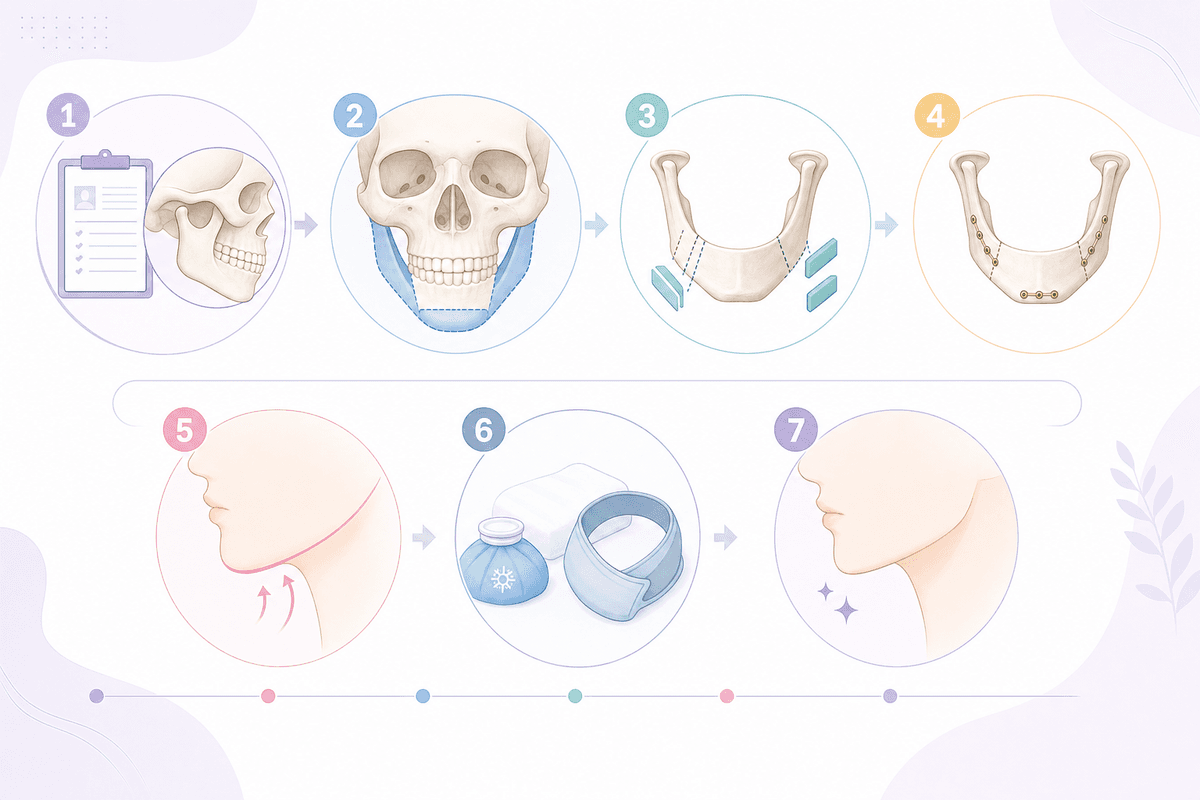
Consultations conducted without 3D CT analysis increase the risk of revision surgery by more than 30%. Although intraoral incisions leave no external scars, infection control determines the outcome within 72 hours. The intensity of cold compresses applied during the first three days after discharge shortens the duration of swelling by more than two weeks.
What Actually Happens in the Operating Room
- Average surgery time 2-4 hours
- Recovery from general anesthesia 6-8 hours
- Average return to society 14 days
Step 1: Consultation and Diagnosis — Starting without a CT scan is a gamble
The most frequently asked question in the consultation room is, "Can I just look at the photos?" In actual clinical practice, jawbone thickness and nerve pathways cannot be judged by appearance alone. There is a report by the Korean Association of Maxillofacial Plastic and Reconstructive Surgery stating that cases performed without 3D CT scans increase the risk of nerve damage during surgery by approximately three times.
Standard consultation includes frontal and lateral cephalometric analysis, panoramic X-ray, and 3D CT. The amount of mandibular angle resection is usually determined within the range of 5–12 mm, and if the distance to the inferior alveolar nerve canal is less than 3 mm, nerve traction is performed in conjunction. Items that must be checked during the consultation are jawbone thickness, occlusal relationship, and the condition of the temporomandibular joint (TMJ). If malocclusion is present, the decision to perform orthognathic surgery is made, and at this stage, the estimated surgery time and anesthesia method are determined. Key Points 3D CT visualizes not only the shape of the bones but also the nerve pathways and blood vessel distribution. Consultations conducted without this data cannot secure a safety margin.
- 3D CT analysis time: 15-20 minutes
- Nerve canal safety distance: Minimum 3mm
- Mandibular angle resection range: Average 5-12mm
Step 2: Pre-operative preparation — 8-hour fasting saves lives
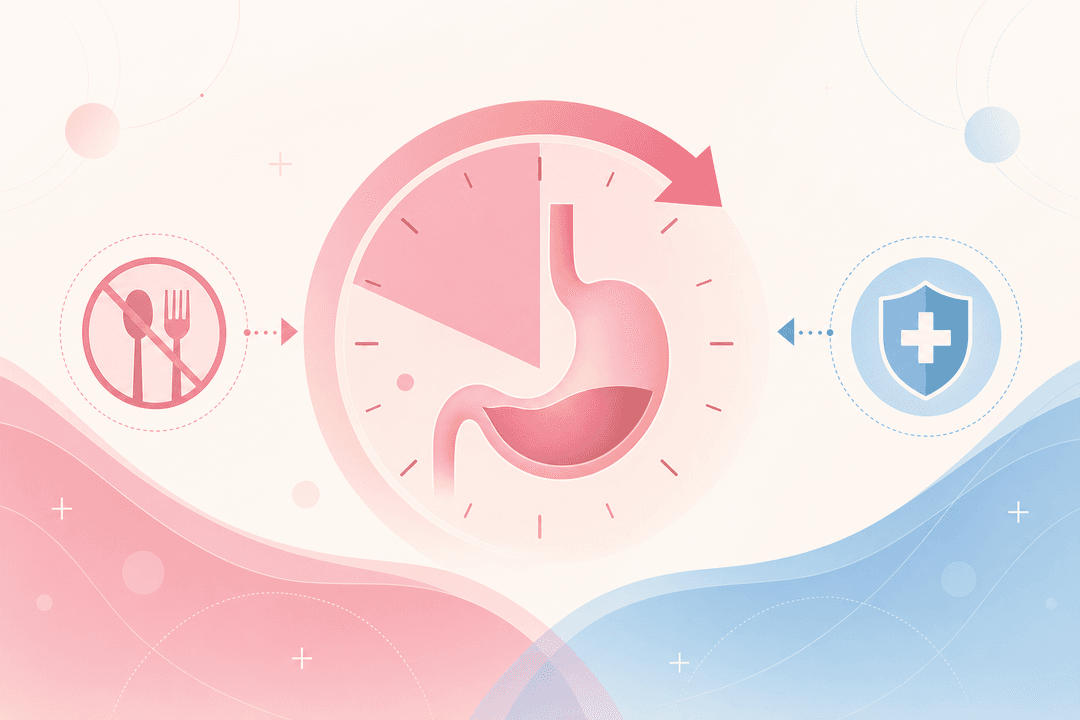
| Item | Timeline | Reason |
|---|---|---|
| Start fasting | 8 hours before surgery | Prevention of aspiration pneumonia |
| Administer antibiotics | 30 minutes before surgery | Prevention of infection |
| Quit smoking | 2 weeks before surgery | Prevention of vasoconstriction |
- Reduction in infection rate with prophylactic antibiotics: Approx. 70%
- Fasting time: At least 8 hours
- Duration of nicotine vasoconstriction: Over 24 hours
Step 3: Anesthesia and Incision — 3 cm inside the mouth; this length changes recovery
General anesthesia is initiated with intravenous Propofol and maintained with Sevoflurane inhalation. The airway is secured via nasal intubation, and a tube is passed inside the mouth to maximize the visualization of the inside of the mouth.
The incision begins inside the mouth, at the mucosa behind the second molar. The mucosa is incised to an average length of 3-4 cm, and the mandible is exposed via subperiosteal dissection. No incisions are made in the external skin. Mandibular angle resection is performed using a reciprocating saw or piezoelectric bone surgery equipment. A 2021 study in the Journal of Craniofacial Surgery indicates that piezoelectric equipment selectively cuts only the bone without damaging soft tissues, reducing the rate of nerve damage by approximately 40%. The resected bone is immediately washed with saline solution, and all sharp edges are trimmed. Clinical piezoelectric equipment cuts only the bone using ultrasonic vibrations (25-29 kHz). Nerves and blood vessels are elastic and remain undamaged, which reduces bleeding by more than 30% compared to traditional saw blades. Intraoral incision length: Average 3-4 cm Piezo device frequency: 25-29 kHz Reduction in nerve damage rate: Approx. 40% Step 4: Suturing and Dressing — 72 hours is the golden time to prevent infection The incision site is sutured in two layers using absorbable sutures (Vicryl 3-0 or 4-0). The mucosal and muscle layers are sutured separately to distribute tension, and the sutures are naturally absorbed after about 14 days. Hemovac drains are inserted into both mandibular angles. For 48 hours after surgery, blood and exudate are drained to prevent hematoma formation, and the tube is removed when the drainage volume drops below 20cc. The Korean Society of Plastic and Reconstructive Surgeons reports that the infection rate increases approximately fivefold if a hematoma develops. Wrap the entire jaw with a compression bandage (face bandage) and begin applying ice packs immediately. Cold compresses begin the moment you leave the operating room, and this initial cooling reduces the swelling peak by about 40%. Tip: Although it is uncomfortable, the drainage tube must never be removed arbitrarily. If a hematoma develops, re-surgery may be necessary, and the risk of infection increases sharply.
| Item | Duration/Method | Purpose |
|---|---|---|
| Suture | Vicryl 3-0, 2-layer suture | Tension distribution |
| Drainage tube | Maintain for 48 hours | Hematoma prevention |
| Compression bandage | Wear for 3-5 days | Minimize swelling |
- Suture absorption period: Approx. 14 days
- Drainage tube removal criteria: Drainage volume less than 20cc
- Increased infection rate with hematoma: Approx. 5 times
Step 5: Recovery Room and Admission — The first 6 hours mask complications
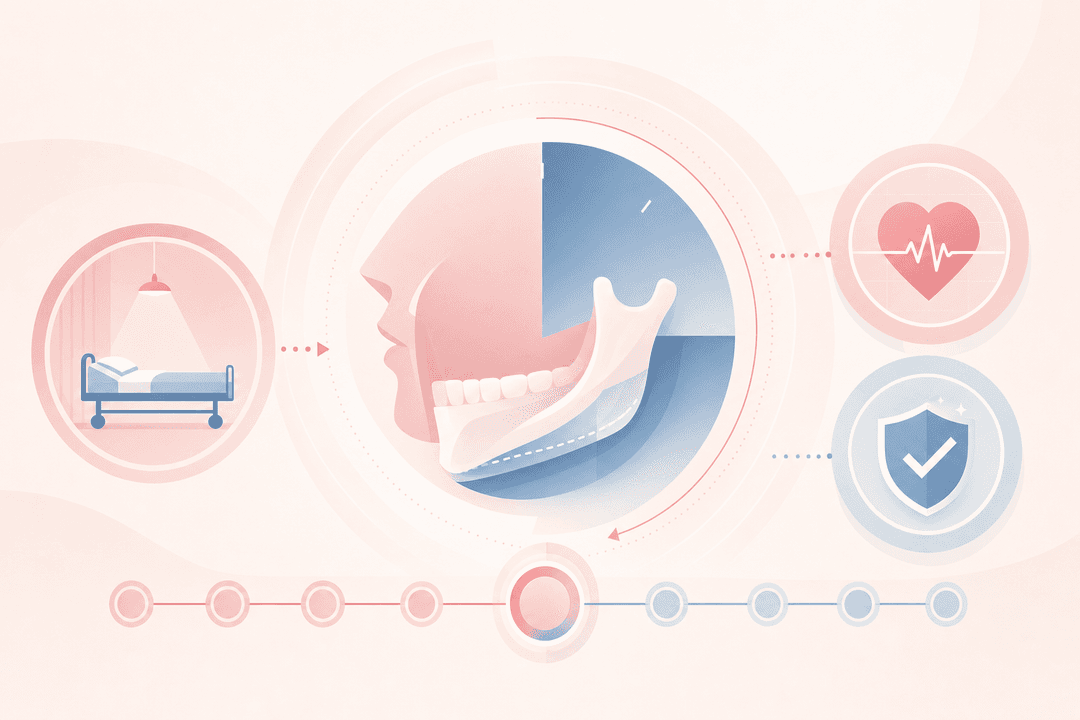 It takes an average of 1-2 hours to wake up from anesthesia in the recovery room immediately after surgery. During this time, vital signs (blood pressure, pulse, oxygen saturation) are checked every 5 minutes, and signs of airway edema or bleeding are monitored.
The length of hospitalization is usually 1-2 days. On the first night, the bed angle is maintained at 45 degrees and the head is elevated to minimize edema. Intravenous antibiotics (Cefazolin) are administered every 24 hours, and analgesics are self-regulated by the patient using a PCA (Patient-Controlled Analgesia) pump.
Oral hygiene begins the day after surgery. Rinse the mouth three times a day with 0.12% Chlorhexidine mouthwash, which reduces the number of bacteria in the oral cavity by approximately 80%. Brush your teeth carefully, avoiding the suture site, and avoid strong rinsing. Caution For the first 3 days after discharge, maintain a sitting position rather than a lying position. Lowering your head can worsen swelling and delay recovery by up to one week or more. Anesthesia recovery time: Average 1-2 hours Duration of hospitalization: Usually 1-2 days Chlorhexidine gargle bacterial reduction rate: Approx. 80% Steps 6-7: Home recovery and return to society — 14 days complete results Only liquid foods are allowed for the first week after discharge. Supplement nutrition with porridge, soup, protein shakes, etc., and strictly prohibit chewing. If the masticatory muscles contract, tension is applied to the suture site, posing a risk of dehiscence. Cold compresses should be applied for at least 70% of waking hours during the first 72 hours. Repeat a cycle of applying an ice pack for 20 minutes followed by a 10-minute rest; this advances the peak of swelling by approximately 2-3 days. From the 4th day onwards, switch to warm compresses to promote circulation. Sutures are removed on the 14th day after surgery, at which point soft solid foods (steamed eggs, tofu) can be attempted. A full diet is possible after about 3 weeks, and hard foods (nuts, tough meat) are permitted after 6 weeks. Return to daily life is typically after 14 days, and 80% of swelling subsides by then.
Key Hospitals with strong recovery care are a separate category — check K-Dia for hospitals that provide post-operative care protocols and 1:1 emergency contact networks.
Duration Diet Activity 1-7 days Liquid diet only Light activities at home 8-14 days Soft solid food Short Allowed to go out Days 15-21 Try a normal diet Return to work After Day 22 All foods Resume exercise
- Intensive cold compress period: 72 hours
- At point of 80% reduction in swelling: Approx. 14 days
- Period for complete recovery: 6 weeks
Comparison by anesthesia method
General anesthesia [Standard]
- Surgery time: 2-4 hours
- Recovery time: 1-2 hours
- Hospitalization: 1-2 days
- Cost: Relatively expensive
It is used as the standard in most jaw surgeries. The patient completely loses consciousness and feels no pain.
Sedation Anesthesia [Limited]
- Surgery Time: Less than 1 hour (Minor Surgery)
- Recovery Time: Within 30 minutes
- Admission: Discharge on the same day
- Cost: Relatively inexpensive
It is only possible for simple procedures such as micro-implant insertion, and is difficult to apply to full-scale bone resection surgery.
Common Misconceptions
Misconception Sutures require a return visit for stitch removal
Truth Most intraoral sutures use absorbable sutures (Vicryl). They decompose naturally after about 14 days and do not require a separate removal process. Suture removal is necessary only if there is an external skin incision.
Misconception You can eat soft foods starting the day after surgery. Truth The act of chewing itself applies tension to the suture site. For the first 3 days, only liquids consumed through a straw are permitted. Attempting solid foods too soon may cause the sutures to separate, requiring re-suturing.Absolutely Prohibited Actions After Surgery
- Entering hot saunas or steam rooms within 72 hours of surgery (Risk of bleeding due to vasodilation)
- Arbitrarily removing or pulling on the drainage tube (Hematoma formation)
- Sleeping with the head lowered (Worsening of edema, delayed recovery)
- Drinking alcohol and smoking (For at least 4 weeks; risk of vasoconstriction and infection)
- Blowing the nose forcefully (Increased pressure on the suture site)
Frequently Asked Questions
This content is for informational purposes only and does not replace medical advice. Surgical methods and recovery periods for jaw surgery may vary depending on an individual's skeletal structure and health condition. Please be sure to have a thorough consultation with a specialist before the procedure and establish a treatment plan tailored to you. Find the Right Hospital for You at K-DiaIs discharge possible on the day of surgery?
If general anesthesia is used, a minimum 1-night hospital stay It is recommended. Vital signs monitoring is necessary for 6-8 hours after anesthesia to detect early complications such as bleeding or airway edema. When can I return to work? On average, you can return to work after 14 days. By this time, 80% of the swelling has subsided and is not very noticeable when wearing a mask. However, for professions involving frequent customer interaction or presentations, waiting 3 weeks is recommended. When is the drainage tube removed? Is it painful? It is usually removed within 48 hours of surgery, when the drainage volume drops to less than 20cc per day. The removal process is completed within 1-2 seconds, and there is almost no pain, only a slight pulling sensation. Is it okay to have a drink or two? Absolutely not. Alcohol dilates blood vessels, worsening bleeding and edema, and reduces the effectiveness of antibiotics. We recommend abstaining from alcohol for at least 4 weeks, and preferably 6 weeks. How long does it take to regain sensation? Temporary numbness in the chin and lower lip may occur due to manipulation around the mandibular nerve. Most patients recover within 3 to 6 months, and full recovery may take up to 1 year. Permanent paralysis occurs in less than 1% of cases. Is a CT scan required before surgery? It is mandatory. The course of nerve canals and blood vessels cannot be predicted by appearance alone, and surgery performed without a 3D CT scan increases the risk of nerve damage by approximately three times. It is safer to avoid hospitals that skip CT scans.