6 Types of Peels: Which One is Right for My Skin?
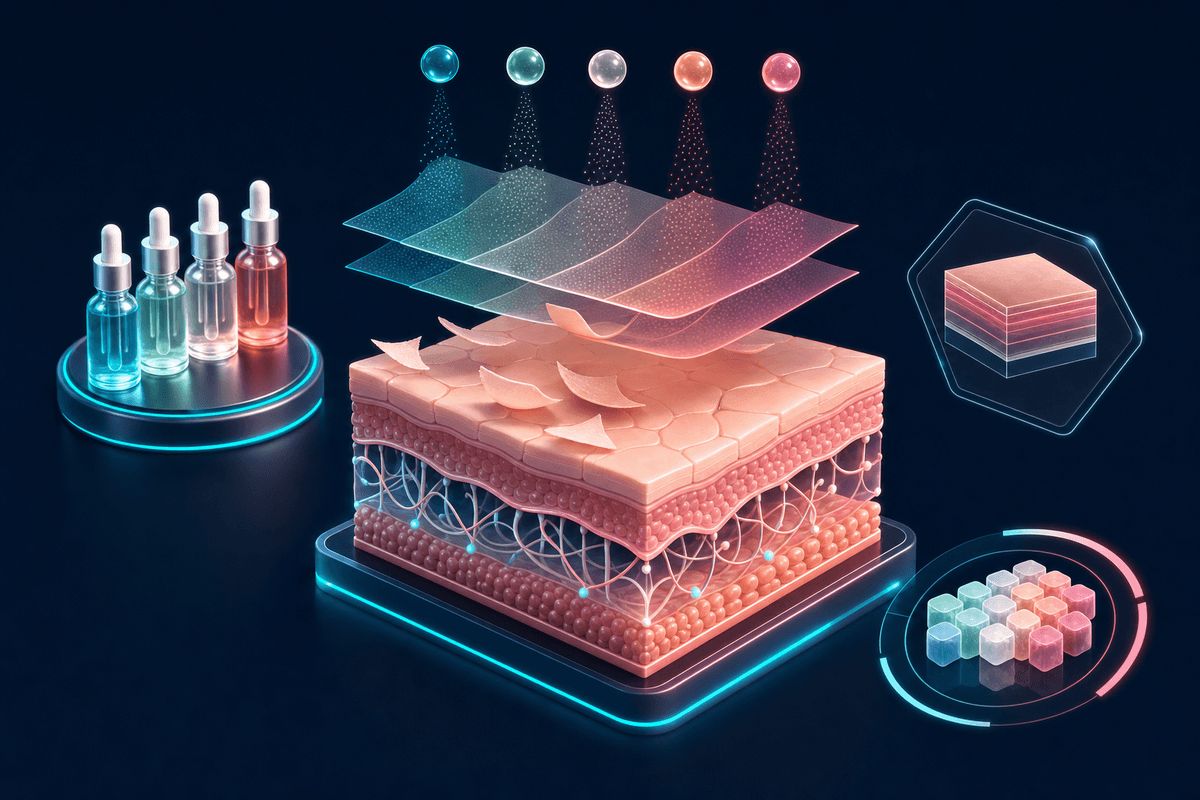
- Peels are categorized into six types: the three major acid ingredients AHA, BHA, and PHA, as well as TCA, retinol, and enzyme methods. The selection criteria vary completely depending on skin thickness, sensitivity, and the presence of acne.
- For sensitive skin, PHA (gluconolactone) at 2-5% is reported as the safest in clinical settings, while for oily, acne-prone skin, BHA (salicylic acid) at 0.5-2% is considered the safest. AHA shows a significant melanin improvement effect when used at concentrations of 30% or higher.
- Home care peels (under 10%) and clinic peels (30-70%) differ in exfoliation depth by more than three times. In terms of cost, home care ranges from 30,000 to 100,000 KRW, and clinic treatments range from 100,000 to 500,000 KRW, making it practical to combine them according to your goals.
Information as of July 2026
Selection Guide by Type
- Comparison of 6 types of peels
- Customized selection criteria by skin type
- Price range: ₩50,000 - ₩500,000
Common Peeling Concerns Seen in Consultation Rooms
"I want to try a peel, what would be good for me?" As soon as they sat down at the consultation table, they handed me their phone, showing me a search results screen. The screen was filled with alphabets like AHA, BHA, and PHA, even TCA. "They say these are all peels, but honestly, I don't know the difference." They added, tracing their jawline with their hand, "I want to know what's right for my skin."
There are broadly 6 types of peels, and while they all aim for exfoliation, their depth of action, target layer, and recovery period are completely different. Using strong acids on sensitive skin can lead to contact dermatitis, while using weak ingredients on oily, acne-prone skin makes it difficult to see results. In this article, we'll break down the selection criteria for each skin type, covering everything from the top 3 acid ingredients: AHA, BHA, and PHA, to TCA, retinol, and enzyme peels, along with their concentrations, clinical data, and actual costs.
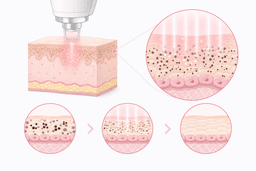
Peeling isn't just about 'exfoliation'; the key is promoting epidermal turnover (skin regeneration cycle). A normal turnover cycle is 28 days, but after age 30, it extends to 40-50 days, leading to dull skin. Peeling ingredients work by loosening the bonds between dead skin cells (desmosomes), shedding old cells, and accelerating the rise of new cells from the basal layer. The Korean Dermatological Association's 2021 guidelines classify peels as home care for concentrations below 10% and professional treatments for concentrations above 30%.
6 Types of Peels and Their Ingredient-Specific Mechanisms
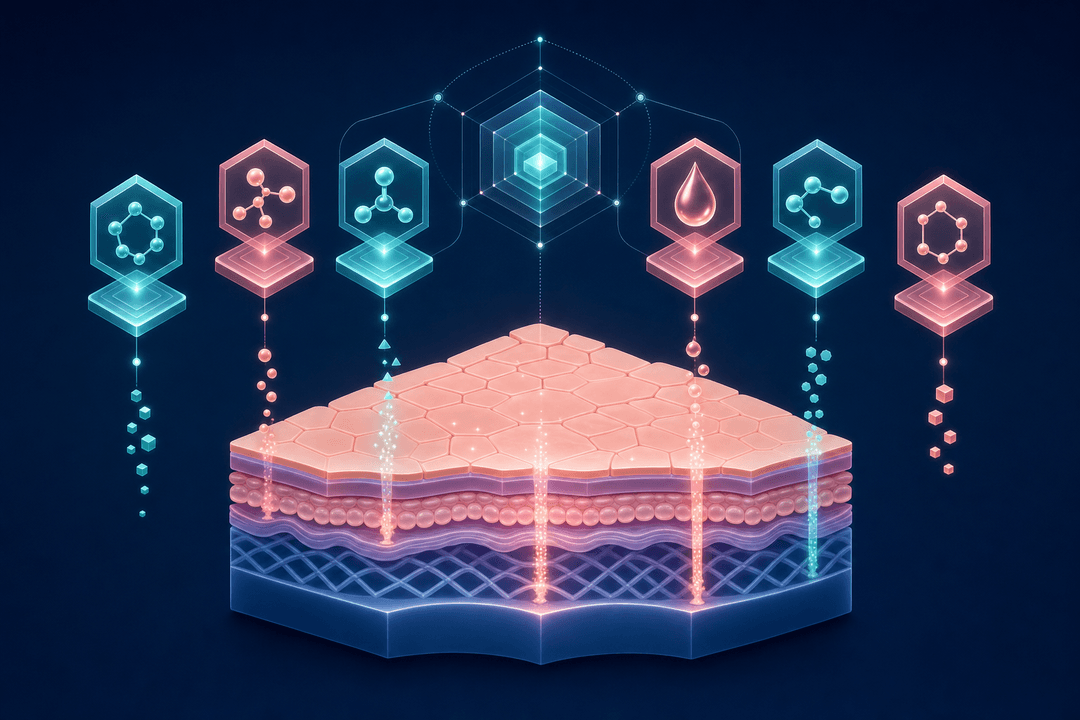
AHA peels (Alpha Hydroxy Acids) are water-soluble ingredients that work on the skin's surface. Glycolic acid and lactic acid are common examples. Glycolic acid, with a molecular weight of 76Da, penetrates quickly, while lactic acid (144Da) is slightly gentler. In clinical settings, they are used at concentrations of 30-70%, and the US FDA approved them as cosmetic ingredients in 1997. They are reported to improve melanin pigmentation and promote collagen synthesis, with many studies showing significant results at concentrations above 30%.
BHA peels (Beta Hydroxy Acids) are oil-soluble and penetrate into the pores to dissolve sebum. Salicylic acid is the only BHA ingredient. Even at concentrations of 0.5-2%, it shows effectiveness in improving acne, and clinics use it at concentrations up to 20-30%. A 2019 study published in the Journal of the Korean Dermatological Association reported that 20% salicylic acid peels showed a reduction in inflammation in 74% of 68 patients with mild to moderate acne. It is particularly effective for oily skin, blackheads, and whiteheads.
PHA peels (Poly Hydroxy Acids) include gluconolactone and lactobionic acid. With molecular weights of 178Da or higher, they penetrate slowly and are less irritating. They are recommended for sensitive skin and those with atopic tendencies, starting at concentrations of 2-5% and increasing up to 10%. A 2020 study in the Journal of Cosmetic Dermatology found that PHA 10% peeling improved skin barrier (TEWL) levels by 15% after 8 weeks of use.
Key Takeaway AHAs target surface dead skin and pigmentation, BHAs target pore sebum, and PHAs are for sensitive skin. Even with the same 'peel,' the target layer differs, so you need to identify your skin concerns first to choose the right ingredient.
True or False Quiz
BHA (Salicylic Acid) is the safest peeling ingredient for sensitive skin.
Check the answer
False BHAs are oil-soluble and penetrate deep into pores, causing irritation. For sensitive skin, PHA (Lactobionic Acid), with its larger molecular weight, penetrates slowly and is less irritating, making it clinically recommended. Starting with a concentration of 2-5% is safe.
When to Use TCA, Retinol, and Enzyme Peels
TCA peels (Trichloroacetic Acid) are medium-depth peels that penetrate to the dermis at concentrations of 15-35%. They are used for acne scars, deep wrinkles, and hyperpigmentation. The recovery period is long, 7-10 days, and there is a risk of post-inflammatory hyperpigmentation (PIH). The American Academy of Dermatology (AAD) 2018 guidelines recommend concentrations of 20% or less for darker skin types (Fitzpatrick III-IV). In Korea, they are often used for spot treatments in scar clinics.
Retinol peels use vitamin A derivatives (retinol, retinaldehyde) to stimulate collagen production. Rather than a peel, it's more of a 'regeneration promoter.' It takes consistent use at concentrations of 0.1-1% for 4-8 weeks to see results. During the initial 2 weeks, dryness, peeling, and redness are reported in 70% of patients; this is called the 'retinoid reaction.' It is contraindicated during pregnancy and breastfeeding.
Enzyme peels use proteolytic enzymes like papain and bromelain to dissolve dead skin cells. They are much gentler than acid-based peels, and with a redness incidence of less than 5%, even sensitive skin can try them. However, their effects are mild, so they are primarily used for exfoliation, and improvements in pigmentation or pores are unlikely. They are commonly found in home care products.
- TCA 25% peel: Recovery period 7-10 days, reaches dermis
- Retinol 0.5%: Initial 2 weeks dryness/peeling in 70%
- Enzyme peel: Redness incidence <5%, for exfoliation
Peeling Selection Criteria by Skin Type

For sensitive skin (prone to redness and dryness), it's safest to start with PHA at 2-5%. A clinical study published in 2020 showed that 5% lactobionic acid peeling improved the skin barrier. Glycolic acid and salicylic acid can be too irritating, so it's best to avoid them. Enzyme peels are also an alternative. A patch test (applying to the inner arm for 24 hours) is essential.
For oily and acne-prone skin, BHA (salicylic acid) at 0.5-2% is the first choice. Its effect of dissolving sebum in pores and reducing inflammation has been repeatedly reported. Combining it with clinic peels (20-30%) every 2-4 weeks is beneficial. AHAs are good for surface exfoliation but don't penetrate deep into pores, so they are best used in combination with BHAs rather than alone.
For dry skin with pigmentation concerns, AHA (glycolic acid, lactic acid) at 30-50% is effective. It helps shed melanin and accelerates turnover to improve dullness. Clinical data shows a 30% reduction in hyperpigmentation after 8 weeks of use. However, AHAs are photosensitizing (increase sensitivity to UV rays), so SPF50+ sunscreen is essential.
| Skin Type | Recommended Ingredient | Concentration | Recovery Period |
|---|---|---|---|
| Sensitive Skin | PHA (Lactobionic Acid) | 2-5% | Same day - 1 day |
| Oily/Acne-Prone | BHA (Salicylic Acid) | 0.5-2% (Home) / 20-30% (Clinic) | 2-3 days |
| Dry/Pigmentation Concerns | AHA (Glycolic Acid) | 10% (Home) / 30-50% (Clinic) | 3-5 days |
| Scars/Wrinkles | TCA | 15-25% | 7-10 days |
Concentration and recovery period may vary depending on individual skin condition and treatment intensity.
Home Care vs. Clinic Peels: How Different Are the Effects?
Home care peels are limited to concentrations of 10% or less. The Ministry of Food and Drug Safety has set cosmetic standards at AHA 10% and BHA 2% or less. Used daily or 2-3 times a week, they aim for exfoliation and skin texture improvement, but deep effects like melanin reduction or pore minimization are unlikely. The price per product ranges from ₩30,000 to ₩100,000.
Clinic peels use high concentrations of 30-70% and are administered by medical professionals. The depth of exfoliation is more than 3 times that of home care, and improvements in pigmentation, pores, and fine wrinkles have been clinically confirmed. After the procedure, peeling occurs for 2-5 days, and moisturizing and sun protection are essential during the recovery period. The cost per session ranges from ₩100,000 to ₩300,000 (AHA/BHA), and TCA peels are around ₩300,000 to ₩500,000.
Honestly, home care alone has its limitations. While advertisements may claim 'clinic results at home,' that's only half marketing. What I recommend is daily maintenance with home care combined with 1-2 clinic peels per season. For example, get clinic peels during less sunny seasons like spring and fall, and maintain with home care during summer and winter.
Tip For 7 days after a clinic peel, discontinue the use of retinol and vitamin C serums. Overlapping irritating ingredients during the peeling phase increases the risk of contact dermatitis.
Key Takeaway: Peeling Selection Starts with Your Skin's Current Condition
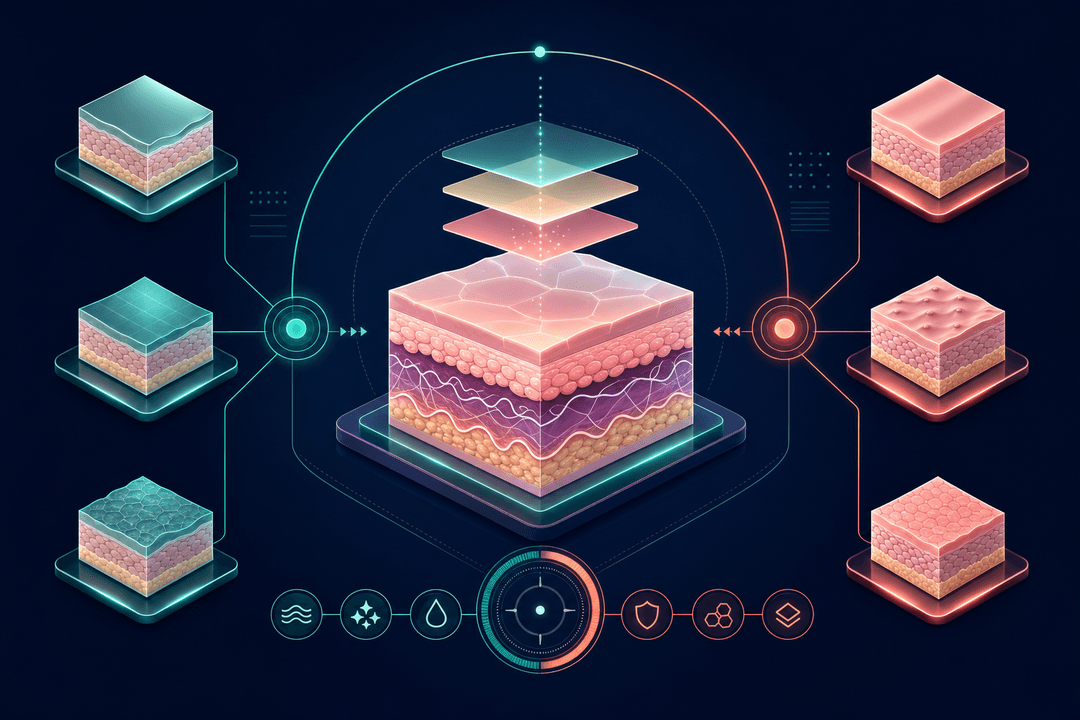
With peeling, it's not about 'stronger is always better'; it's about finding the limit your skin can currently tolerate. Applying TCA to sensitive skin will cause damage, not recovery. Conversely, using only PHA on oily skin won't yield results. Use the ingredient concentrations and skin type criteria outlined in this article as a checklist to first assess your current skin condition.
Plan your budget realistically. Home care products cost ₩30,000-₩100,000 per bottle and can last 3-6 months, while clinic peels cost ₩100,000-₩500,000 per session but provide noticeable results quickly. It's reasonable to approach it by dividing your goals: home care for daily maintenance, and clinic treatments for specific concerns (pigmentation/scars).
- Sensitive skin: Start with PHA 2-5%, patch test is essential
- Oily, acne-prone skin: BHA 0.5-2% home care + clinic peel every 2-4 weeks
- Pigmentation concerns: Significant effects with AHA concentrations above 30%, combined with SPF50+ sun protection
- After clinic peels: Discontinue retinol/vitamin C serums for 7 days, focus on recovery care
Peeling Ingredient Comparison
AHA (Glycolic Acid) [Pigmentation/Exfoliation]
- Concentration: 10-50%
- Target: Epidermal pigment/dead skin cells
- Recovery: 3-5 days
- Cost: ₩100,000 - ₩300,000 (Clinic)
Photosensitizing, requires sun protection
BHA (Salicylic Acid) [Pores/Acne]
- Concentration: 0.5-2% (Home) / 20-30% (Clinic)
- Target: Sebum in pores
- Recovery: 2-3 days
- Cost: ₩100,000 - ₩250,000 (Clinic)
Most effective for oily skin
PHA (Lactobionic Acid) [Sensitive Skin]
- Concentration: 2-10%
- Target: Skin barrier improvement
- Recovery: Same day - 1 day
- Cost: ₩150,000 - ₩200,000 (Clinic)
Minimizes irritation, suitable for atopic tendencies
Peeling Selection Guide for Your Situation
First peel and sensitive skin
Start with PHA 2-5% home care products
Its large molecular size leads to slow penetration and minimal irritation, making it safe for testing.
Frequent acne and pore concerns
BHA 0.5-2% home care + clinic peel at 20% monthly
Its oil-soluble nature effectively dissolves pore sebum and is most effective for acne improvement.
Main concern is melasma/dark spots
AHA 30-50% clinic peel, intensive treatment in spring/fall
Melanin-shedding effects are significant at concentrations above 30%.
Budget under ₩100,000
One type of home care peeling product + consistent use
Home care, usable for 3-6 months, is more cost-effective for daily maintenance than a single clinic session.
Common Misconceptions
Misconception Peels are always more effective with stronger concentrations.
Truth Exceeding your skin's tolerance leads to damage, not recovery. Sensitive skin can see turnover improvement with just 2% PHA; matching your skin type is more important than concentration.
Misconception Home care peels can achieve clinic-level results.
Truth Home care is limited to concentrations below 10% and primarily provides exfoliation. Deeper improvements for pigmentation and pores are effects confirmed with high-concentration clinic peels (above 30%).
Peeling Precautions
- !!Discontinue retinol/vitamin C serums for 7 days after clinic peels!! (Risk of contact dermatitis from overlapping irritation)
- Mandatory SPF50+ sunscreen use during AHA peeling (Photosensitivity can worsen pigmentation)
- Retinol peels are contraindicated during pregnancy/breastfeeding; consult a medical professional.
- Do not use high-concentration products immediately without a patch test (Check for allergies/redness first).
- Avoid saunas, steam rooms, and excessive exercise for 3 days after peeling (Heat can worsen redness).
Frequently Asked Questions
If I don't see peeling after a peel, is it ineffective?
No. The core effect of peeling is promoting turnover, so even without visible peeling, micro-exfoliation is occurring. Low-concentration home care peels often result in natural exfoliation rather than large flakes. If you feel your skin texture is smoother and absorption has improved, it's effective.
Can I use AHA and BHA together?
Yes, but not at the same time. It's safer to use them at different times, such as AHA at night and BHA in the morning, or alternate them every other day. Both are acidic, so using them together can lower the pH, causing excessive irritation and weakening the skin barrier. Start with only one product for the first two weeks until your skin adapts, then try combining them.
How often should I get a peel?
Home care is typically 2-3 times a week, and clinic peels are recommended every 2-4 weeks. However, for sensitive skin, reduce home care to once a week and space out clinic peels to every 4-6 weeks. The key is giving your skin time to recover, rather than the frequency. Repeated peeling while skin is still shedding can damage the barrier.
Can I get peels in the summer?
Yes, but sun protection is absolutely essential. AHAs are photosensitizing and require extra caution in summer. BHAs and PHAs are relatively safer, but the skin becomes more sensitive to UV rays due to thinner exfoliation. It's more practical to focus on low-concentration home care in summer and intensive high-concentration clinic peels in spring and fall.
What are the side effects of peeling?
The most common are redness, dryness, and stinging, which usually subside within 2-3 days. High-concentration peels carry a risk of temporary post-inflammatory hyperpigmentation (PIH), which is more common in darker skin types (Fitzpatrick III-IV). Allergic reactions (rash, swelling) are rare but risky if you use products without a patch test. Seek medical attention if symptoms persist for more than 48 hours.
How much do peels cost?
Home care products range from ₩30,000 to ₩100,000 and can last 3-6 months. Clinic peels cost ₩100,000 to ₩300,000 per session (AHA/BHA), and TCA peels are around ₩300,000 to ₩500,000. Costs vary by clinic and treatment intensity, so get a precise quote during consultation. The prices listed may be for lower concentrations, so confirm the ingredient and concentration first.
Lumi's Word
With peeling, it's less about 'what's trending' and more about 'what does my skin need right now?' If you're sensitive, go slow with PHA; if you have pore concerns, target them with BHA; if you're worried about pigmentation, be decisive with AHA. Checking your skin type first can significantly reduce trial and error. If you have any peeling concerns, feel free to visit again!
This content is for informational purposes only and does not substitute medical advice. Always consult with a dermatologist before undergoing any peeling procedures.