Pico Toning: 3, 5, or 10 sessions – How many are right for my pigmentation?

- Why a 3-session package might be too much for some pigmentation and not nearly enough for others
- The number of sessions needed can vary up to threefold depending on the depth and distribution of pigmentation, as well as your skin type.
- Diagnosing your pigmentation type should come before choosing a package price.
Number of Sessions Based on Pigmentation Type
- 3-10 sessions depending on pigmentation depth
- Average of 5 sessions for superficial blemishes
- Consider 10+ sessions for melasma
Understanding Pigmentation Type is Key to Determining Session Count
If you've ever asked at a clinic consultation, "How many pico toning sessions should I get?", this article will help you determine the appropriate number of sessions and criteria based on your specific pigmentation type.
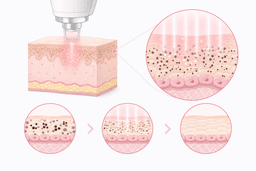
The most crucial factor in deciding the number of pico toning sessions is the location and depth of the pigmentation. Even on the same face, epidermal blemishes and dermal melasma respond to laser treatment at vastly different rates – over three times slower for dermal pigmentation.
The U.S. FDA first approved Cynosure's PicoSure as a picosecond laser in 2013. Subsequently, Cutera's enlighten (2014) and Syneron Candela's PicoWay (2016) received approval for pigmentation treatment indications. In Korea, devices approved by the Ministry of Food and Drug Safety have been available since 2015, accumulating clinical data.
Pigmentation depth is the primary factor determining the number of sessions. Superficial pigmentations (freckles, age spots) typically require an average of 3-5 sessions, mixed types (blemishes + light melasma) 5-7 sessions, and dermal melasma 10+ sessions.
- Superficial Pigmentation: Average 3-5 sessions (2-3 week intervals)
- Mixed Pigmentation: Average 5-7 sessions (3-4 week intervals)
- Dermal Melasma: 10+ sessions (4 week intervals)
- Maintenance for recurrence prevention: 1 session every 3-6 months
3-5 Sessions is the Standard for Superficial Blemishes

Pigmentations confined to the epidermis, such as freckles, age spots, and solar lentigines, respond quickly to pico toning because the melanin is close to the skin's surface, allowing laser energy to reach it directly.
A clinical study on the enlighten III involving 87 patients with superficial pigmentation showed an average 62% reduction in pigmentation after 3 sessions (Journal of Cosmetic Dermatology, 2018). This can improve up to 78% with 5 sessions.
However, if the pigmentation is widespread or dense, 5 sessions are recommended. A strategy of starting with a 3-session package and evaluating after the third session to decide on further treatment helps prevent overtreatment.
Clinical Insight In patients in their 20s with freckles, satisfaction rates over 80% were reported with just 3 sessions. However, for age spots in patients over 40, satisfaction significantly increased with 5 or more sessions (Journal of the Korean Dermatological Association, 2020).
True or False Quiz
Superficial blemishes (freckles) and dermal melasma have similar treatment effects with the same number of sessions.
Check Answer
False Superficial pigmentations improve by 60-70% on average with 3-5 sessions, while dermal melasma requires 10+ sessions with a lower improvement rate of 50-68%. The difference in pigmentation depth leads to over a threefold difference in laser response speed.
Why Melasma and Nevus of Ota Require 10+ Sessions
Melasma and Nevus of Ota (dermal melanocytosis) involve pigmentation located deep within the dermis. Because laser energy must penetrate the epidermis to reach the dermis, the energy that can be delivered per session is limited.
A clinical study using PicoWay's 1064nm wavelength (Lasers in Surgery and Medicine, 2019) on 45 melasma patients who underwent 10 sessions revealed an average 54% reduction in pigmentation. Improvement was slow up to 5 sessions, with noticeable changes appearing after the 7th session.
For dermal pigmentation, melanin is absorbed by dermal macrophages, making its expulsion slow even after being broken down by the laser. Therefore, a plan of 10-15 sessions at 4-week intervals is typical, with further treatment decided after interim evaluations.
Nevus of Ota, being a congenital pigmentation, may require 20+ sessions. In such cases, combining pico toning with Q-switched lasers or pico fractional mode is considered.
- Average melasma improvement rate: 32% after 5 sessions, 54% after 10 sessions, 68% after 15 sessions
- Nevus of Ota: Requires 15-25 sessions, long-term plan of over 6 months
- Dermal pigment expulsion rate is about 1/3 of epidermal pigment
Skin Type and Age Adjust Session Count

Even for the same type of pigmentation, the recommended number of sessions varies depending on the Fitzpatrick skin type. While types III-IV (common among Koreans) follow standard protocols, types V-VI (darker skin tones) have a higher risk of post-inflammatory hyperpigmentation (PIH), requiring lower energy levels and more sessions.
In an enlighten clinical study, type IV patients showed an average improvement rate of 65% after 5 sessions, while type V patients showed only 48% improvement with the same number of sessions. However, extending treatment to 8 sessions brought the improvement rate for type V closer to that of type IV, reaching 62%.
Age is also a variable. Individuals in their 20s and 30s have faster skin recovery, allowing for intensive treatment at 2-3 week intervals. However, those over 50 generally benefit from a more conservative approach with 3-4 week intervals. While the total number of sessions may be similar, the overall treatment duration increases.
Caution For skin types V and above, aggressive treatment with short intervals and high energy has been reported to increase the incidence of PIH by over 30%. The principle is to maintain conservative energy levels even when increasing the number of sessions.
Choosing Between 3, 5, or 10-Session Packages
The 3, 5, and 10-session packages commonly offered by clinics are structured to align with the average number of sessions required for different pigmentation types. The selection criteria are straightforward.
A 3-session package is suitable for those primarily concerned with superficial blemishes, individuals in their 20s-30s, or those undergoing their first treatment. If satisfied after 3 sessions, you can conclude treatment; if more is needed, additional sessions can be purchased individually.
A 5-session package is the most versatile. It's efficient for mixed types (blemishes + light melasma), individuals around age 40, or those with moderate to severe pigmentation. Most clinical data reports improvement rates based on 5 sessions.
A 10+ session package is for those with dermal melasma, Nevus of Ota, a history of recurrence, or those who have shown slow improvement with previous laser treatments. This requires a long-term plan of over 6 months.
| Package | Suitable Pigmentation | Average Interval | Estimated Duration |
|---|---|---|---|
| 3 Sessions | Freckles, Age Spots | 2-3 weeks | 6-9 weeks |
| 5 Sessions | Mixed Blemishes + Melasma | 3 weeks | 12-15 weeks |
| 10 Sessions | Dermal Melasma, Nevus of Ota | 4 weeks | 36-40 weeks |
Intervals and duration may be adjusted based on skin response.
Key Takeaway: Pigmentation Diagnosis Comes Before Session Count
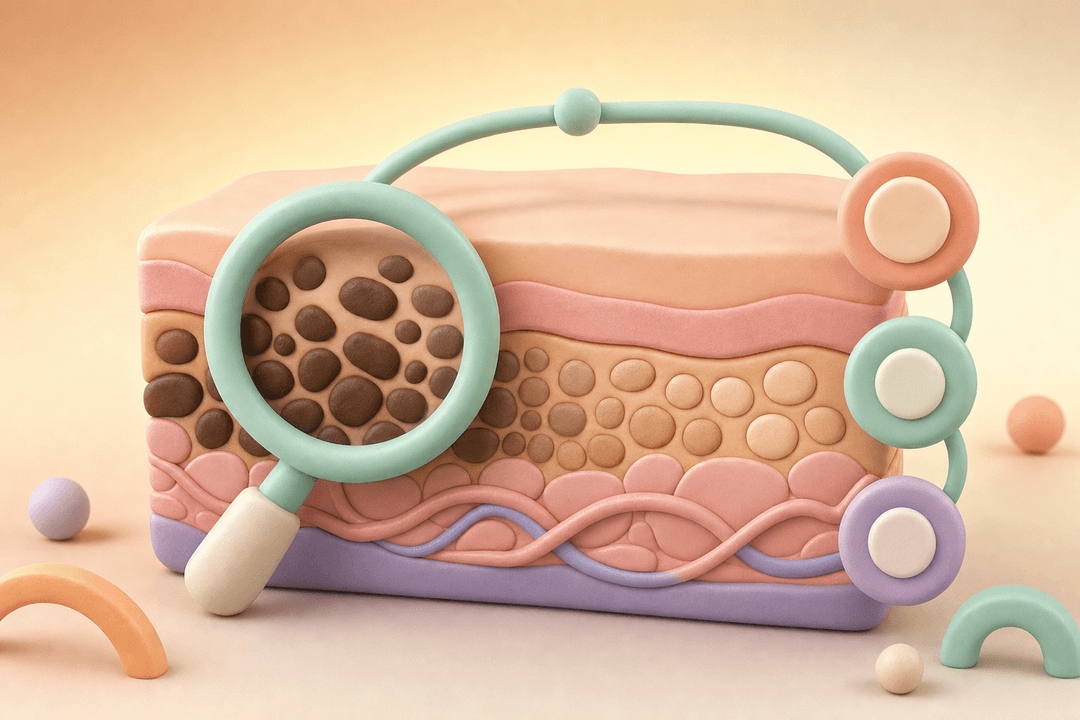
The most critical factor in determining pico toning sessions is not the package price, but the layer in which your pigmentation resides. Superficial pigmentations may be sufficiently treated in 3-5 sessions, while dermal pigmentations might require more than 10.
During your initial consultation, have your pigmentation depth assessed using a Wood's lamp or skin analyzer. Then, determine the starting number of sessions based on your skin type, age, and schedule. Starting with 3 sessions and adding more after an interim evaluation prevents overtreatment and ensures efficient budget management.
- Wood's lamp examination to determine pigmentation depth first → Over 80% accuracy in session prediction
- Interim evaluation after a 3-session package → Reduces unnecessary sessions and increases satisfaction
- Dermal pigmentation requires a long-term plan → Secure 10+ sessions with 4-week intervals
- Recurrence prevention maintenance (1 session every 3-6 months) → Reported 70% reduction in pigment recurrence
Pico Toning Session Comparison
3-Session Package [Superficial Blemishes]
- Focus on freckles and age spots
- Short-term completion in 2-3 week intervals
- Average improvement rate of 60-70%
- Recommended for first-time treatment
Decide on additional sessions after evaluating satisfaction post-3 sessions
5-Session Package [Mixed Type / Versatile]
- Blemishes + light melasma
- 12-15 weeks duration with 3-week intervals
- Average improvement rate of 70-80%
- Most common choice
Most clinical data is based on 5 sessions
10+ Sessions [Dermal Melasma]
- Melasma, Nevus of Ota
- Long-term plan with 4-week intervals
- Average improvement rate of 50-68%
- Consider for history of recurrence
Requires a schedule of over 6 months
Session Guide Based on Your Pigmentation Type
Ages 20-30s, only freckles/blemishes, no melasma
Start with a 3-session package
Superficial pigmentations are sufficiently treated in 3-5 sessions, and deciding on additional sessions after evaluation post-3 sessions is efficient.
Ages 40+, mixed blemishes and light melasma
Recommended to start with a 5-session package
Mixed pigmentations begin to show visible improvement from 5 sessions, and clinical data is also based on 5 sessions.
Severe melasma, slow improvement with previous lasers
Long-term plan of 10+ sessions
Dermal melasma starts showing changes after 7 sessions, with satisfaction increasing at 10+ sessions.
Limited budget, want to see initial results
Start with 3 individual sessions, then add more
Starting with individual sessions rather than a package and adding more after observing the response prevents overtreatment.
Common Misconceptions
Misconception More sessions always lead to better results.
Truth Superficial pigmentations are sufficiently treated in 3-5 sessions, and unnecessary additional treatments only burden the skin. The right number of sessions tailored to your pigmentation type is crucial.
Misconception A 10-session package is the most effective.
Truth Unless you have dermal melasma, 10 sessions may be excessive. Starting with 3-5 sessions and adding more after an interim evaluation is a more rational approach.
Precautions When Choosing Pico Toning Session Count
- **Do not decide on a package without a Wood's lamp examination** — Predicting the number of sessions is impossible without knowing the depth of the pigmentation.
- **For skin types V and above, increase the number of sessions and decrease the energy** to reduce the risk of PIH (post-inflammatory hyperpigmentation).
- **Dermal melasma benefits from a long-term plan rather than short-term intensive treatment** — Secure 10+ sessions with 4-week intervals.
- **Always have an interim evaluation after 3 sessions** before deciding to continue — This prevents unnecessary treatments.
- **Include recurrence prevention maintenance (1 session every 3-6 months) in your plan** — Reported to reduce pigment recurrence by 70%.
Frequently Asked Questions
I completed 3 sessions of the package, but some pigmentation remains. Should I continue?
If 30-40% of the pigmentation remains after 3 sessions, an additional 2-3 sessions are recommended. However, if over 70% remains, it's likely dermal pigmentation, and a re-diagnosis followed by a long-term plan is advisable.
The price difference between a 5-session and a 10-session package isn't significant. Isn't the 10-session package better?
For superficial pigmentation, 10 sessions are excessive. Unnecessary treatments only burden the skin. Starting with 5 sessions and adding more after an interim evaluation if needed is more efficient.
Does a higher number of pico toning sessions increase the risk of side effects?
With appropriate intervals and energy levels, 10+ sessions are safe. However, aggressive treatment with short intervals (less than 2 weeks) or high energy has been reported to increase the risk of PIH (post-inflammatory hyperpigmentation) by over 30%. Adhering to 4-week intervals is important.
Can I reduce the number of sessions if I treat multiple areas at once?
Increasing the treatment area does not change the required number of sessions based on pigmentation type. However, treating the entire face at once can save on per-session costs, though the recovery period remains the same.
I completed 10 sessions, but the pigmentation has reappeared. Why?
Melasma has a high recurrence rate, often caused by UV exposure, hormonal changes, or inadequate skincare. Maintenance treatments (1 session every 3-6 months) can reduce recurrence by 70%.
I heard that darker skin types require more sessions. Is this true?
Yes, Fitzpatrick skin types V and above require increased sessions with lower energy levels due to the higher risk of PIH. Clinical data shows that while type IV patients achieve 65% improvement in 5 sessions, type V patients require 8 sessions for similar results.
Lumi's Insight
Understanding your pigmentation type is the first step to determining the right number of sessions. Starting with 3 sessions and adding more after an interim evaluation saves money and prevents overtreatment. Observe how your skin responds.
This content is for informational purposes only and does not substitute for medical advice. Always consult with a specialist before undergoing any procedure.