Beauty insights from K-Dia editors
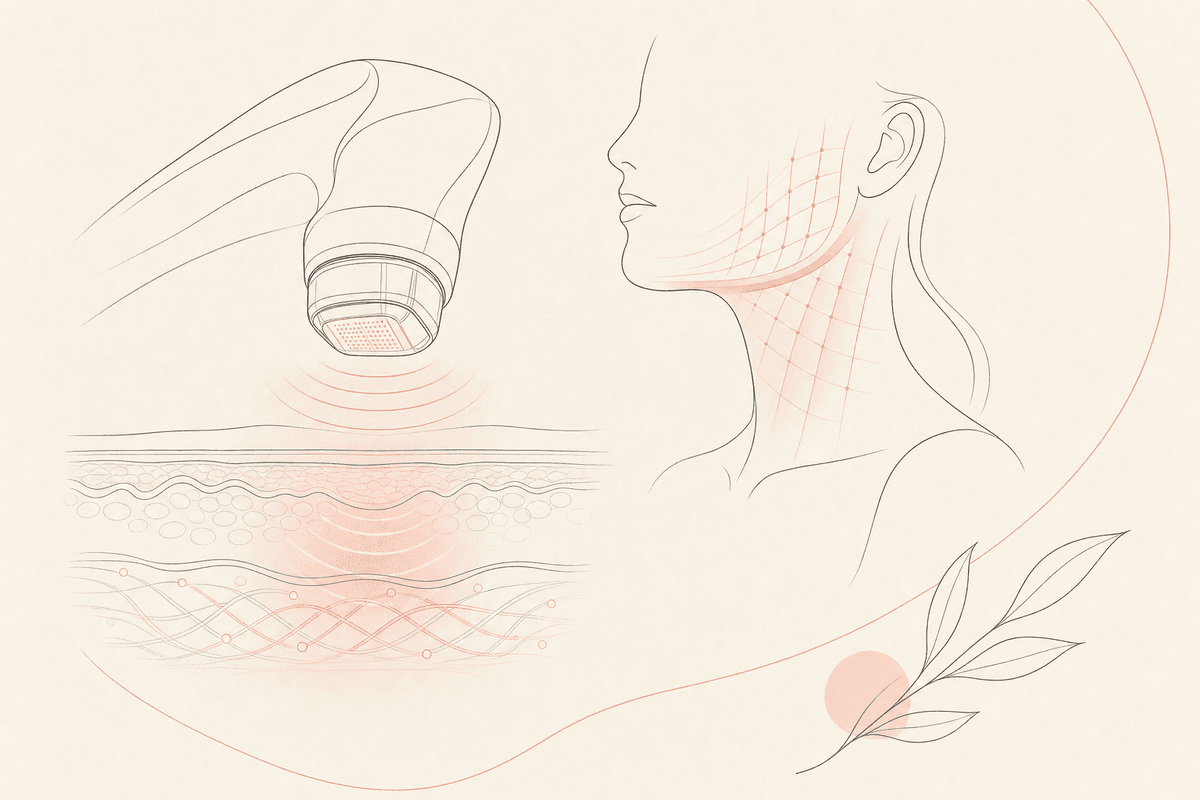
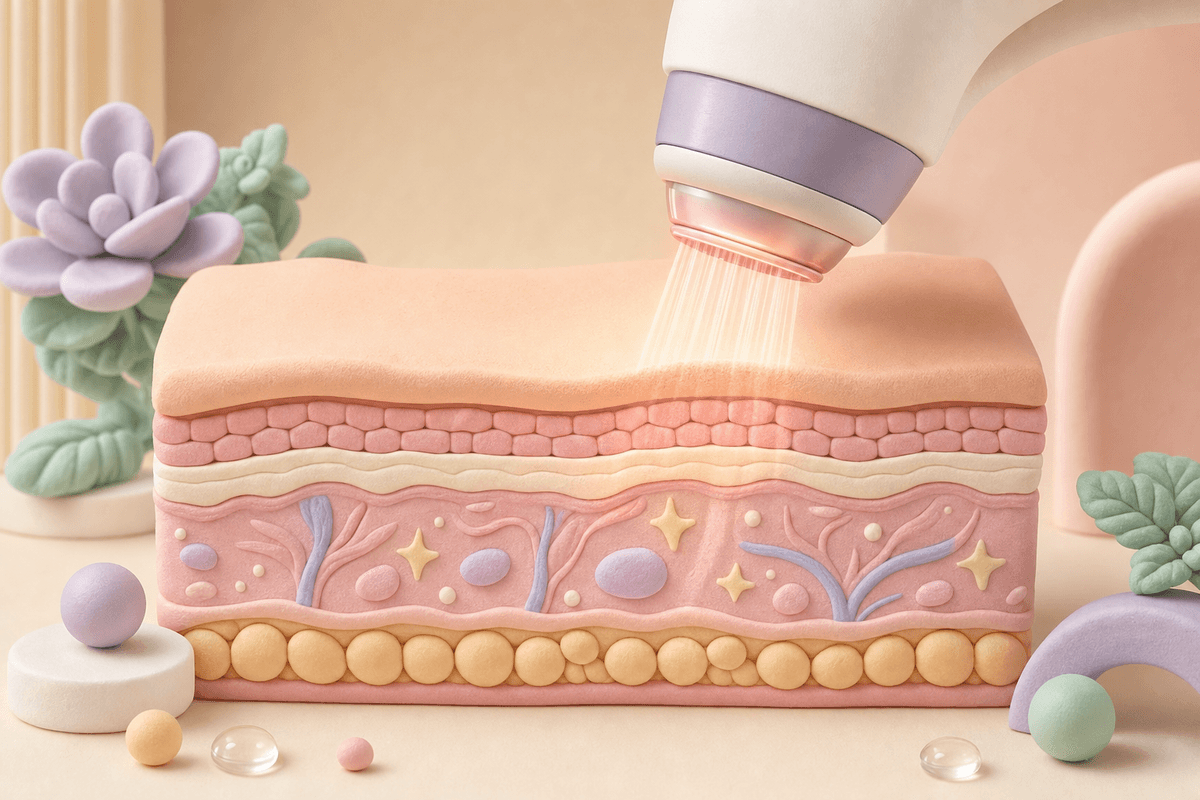
SkincareLaser toning removes pigmentation through the selective photothermal decomposition of melanin, with wavelength, pulse width, and energy density determining the results. Nd:YAG 1064nm targets melanin in the dermal layer, while 532nm targets epidermal blemishes, resulting in a three-fold difference in depth of action. Picosecond lasers reduce thermal damage by 90% through photoacoustic effects, making them suitable for Korean skin, which is at high risk for hyperpigmentation.
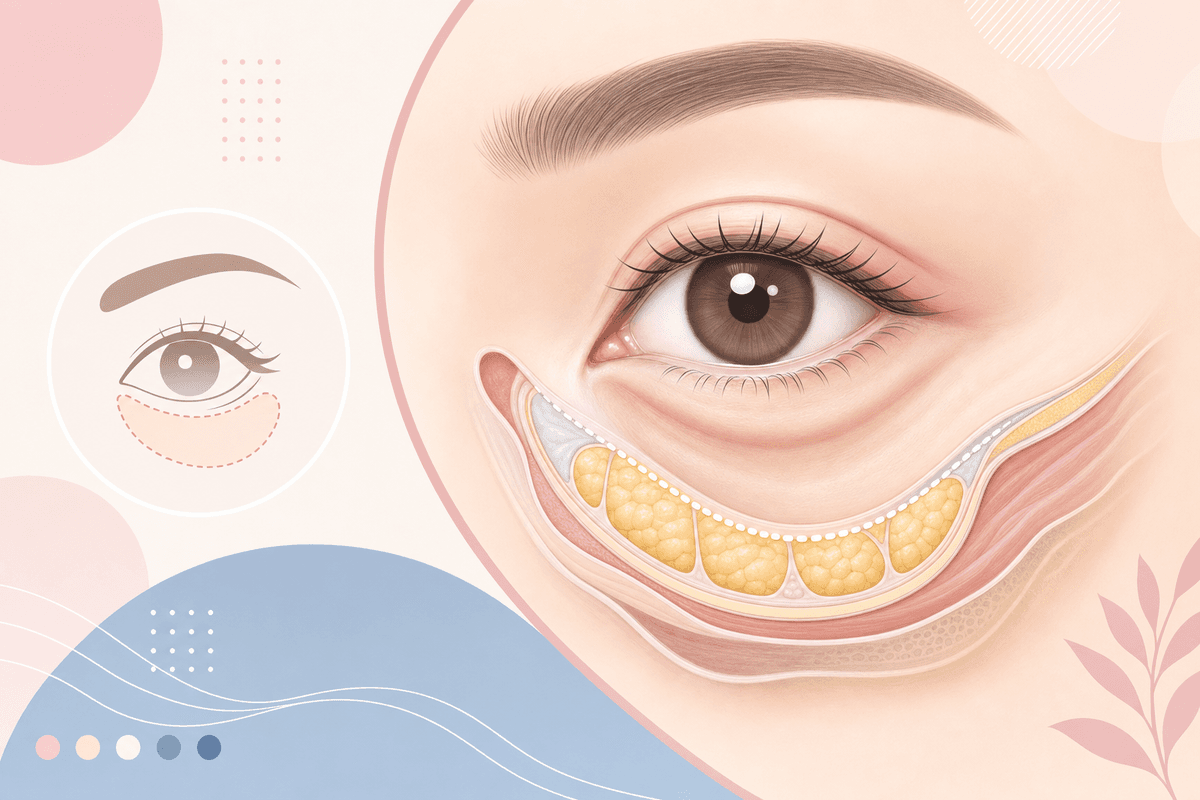
Plastic SurgeryThe buried suture method is reported to have an 85% retention rate for over 5 years in skin thicknesses of 0.8mm or less. The incisional method allows for simultaneous improvement of eyelid ptosis with an average skin excision of 2-4mm. Eyelid correction is expected to improve eye-opening strength by 30-40% with a levator muscle shortening of 3-5mm.
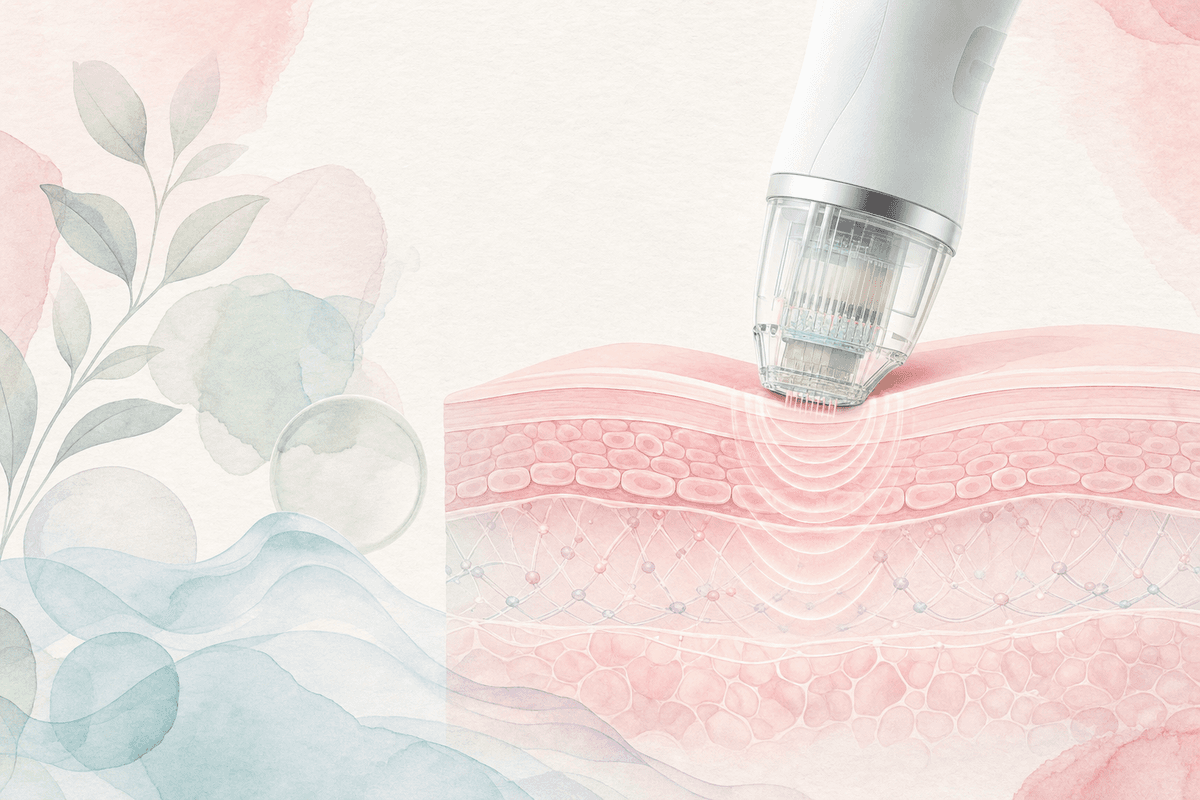
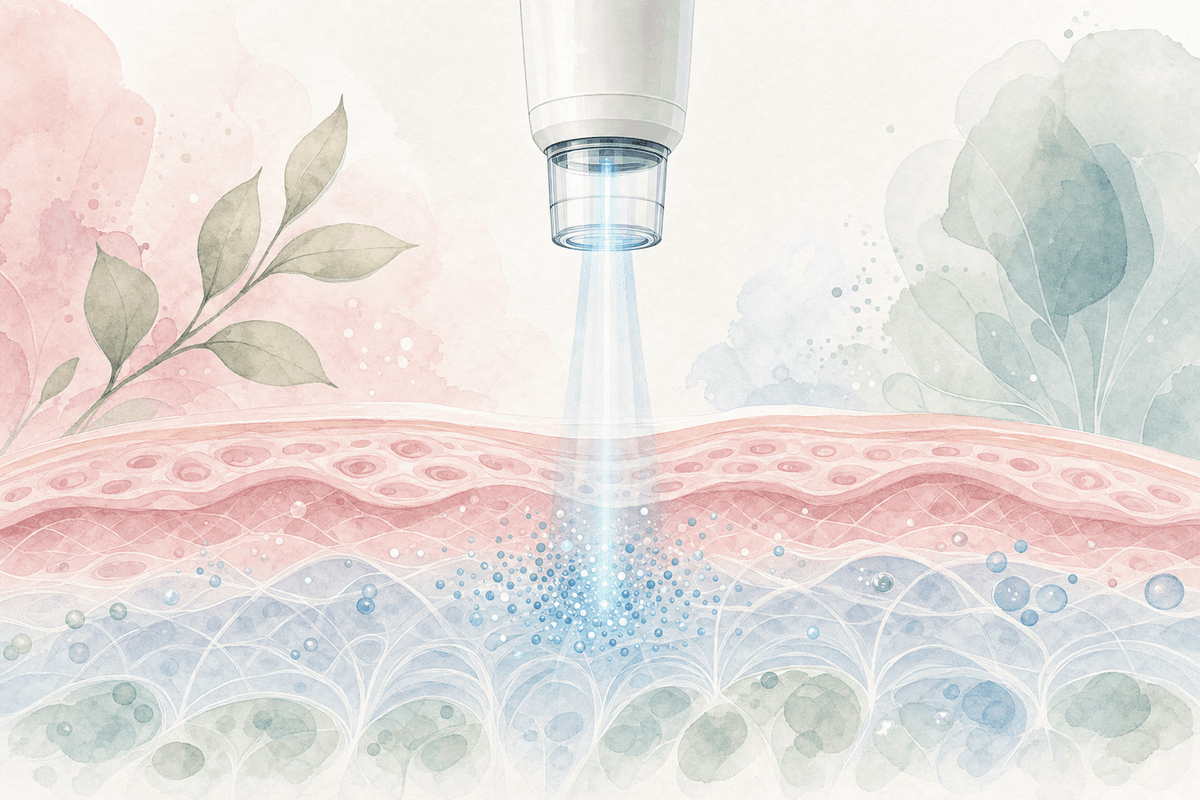
SkincareEven though they are all classified as 'hydration treatments,' their depth of action and mechanisms differ completely. Aqua Peel involves exfoliating the epidermis, Water Glow Injection involves injecting hyaluronic acid into the dermal layer, and Hydra Facial combines vacuum suction with peeling. Selection criteria by purpose: Aqua Peel/Hydra Facial target dead skin cells and pores, and Water Glow Injection for dryness and fine lines. When combining treatments, the order and intervals affect the results by 30%. National…
Plastic SurgeryFor the buried suture method, a retention rate of over 5 years is reported only when the skin thickness is 1.2mm or less and the fat volume is grade 2 or lower. Incisional methods are further divided into three types: micro-incision, partial incision, and full incision, with scar widths varying from 0.5 to 2mm. In blepharoplasty, eye-opening strength improves by 30–70% depending on the levator muscle resection amount of 1–3mm, and the revision rate is 18% in cases of overcorrection.
SkincarePeeling is a chemical reaction that controls penetration depth through pH and concentration. Epidermal (AHA), porous (BHA), and dermal (TCA) types differ in their layers of action. Even with the same glycolic acid, there is a three-fold difference in recovery time between a 30% pH of 2.8 and a 70% pH of 1.5. The pH setting determines the results more than the concentration. For oily skin in your 20s and pigmented skin in your 40s, peeling agents…
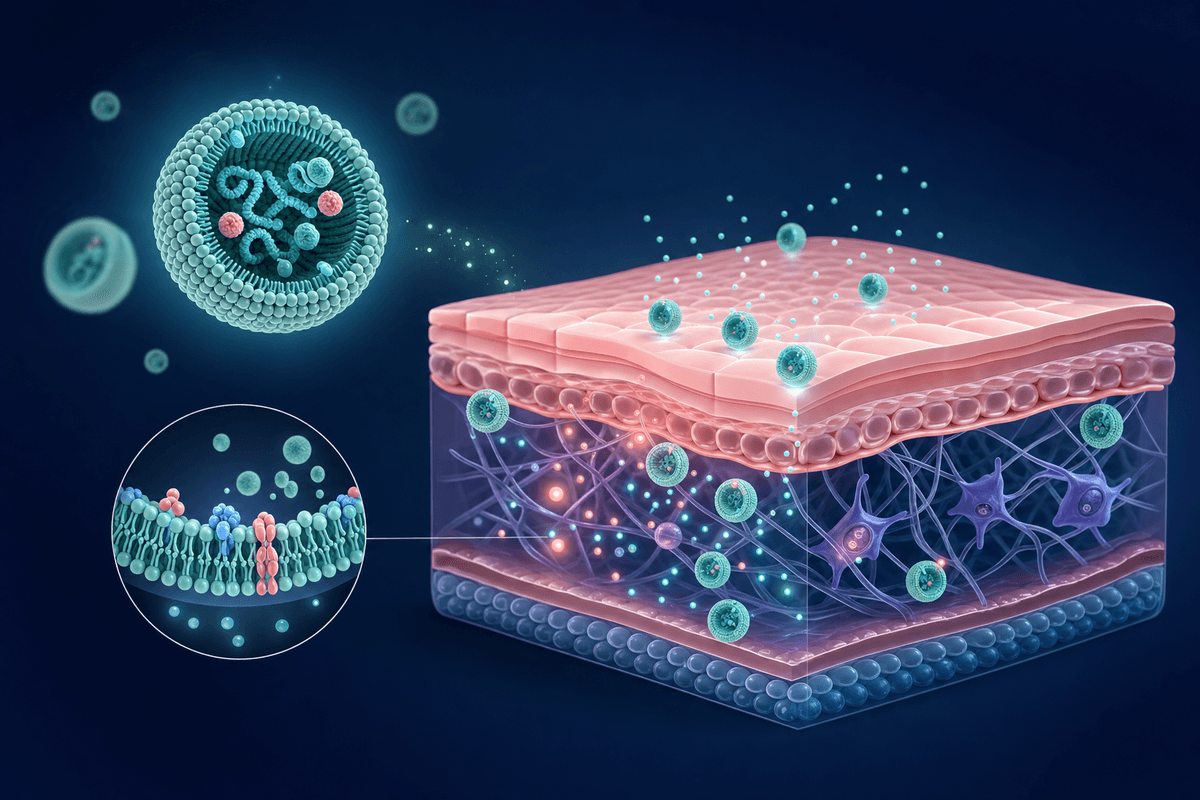
SkincareThe first 72 hours after exosome treatment are the period of most active cellular response, and management during this time accounts for 60% of the final outcome. Even with domestically approved stem cell culture medium-based products (ASCE+, Exo-SCM, etc.), flushing, edema, and allergies may occur depending on individual immune responses. According to reporting standards to the Ministry of Food and Drug Safety, the incidence of serious adverse events is less than 0.03%, but minor incidents…
ProceduresWhile clear braces (Invisalign) offer superior aesthetics and convenience, conventional orthodontics is more effective for complex malocclusions. Laminates are prosthetics rather than braces; they require tooth reduction and cannot resolve occlusal issues. You must make a choice based on a comprehensive assessment of your occlusal condition, lifestyle, and budget, and the decision cannot be made based solely on a cost comparison.
Plastic SurgeryAugmentation rhinoplasty, osteotomy, hump correction, and tip rhinoplasty each have different purposes and recovery periods, and only 30% of cases are resolved with a single surgery. Autologous cartilage (septal, ear, or rib cartilage) and silicone implants each have distinct advantages and disadvantages in terms of feel, durability, and risk of side effects, and the selection criteria are nasal structure and skin thickness. The main cause of the 12-18% revision rate is 'surgical methods by area…
Plastic SurgeryConsultations conducted without 3D CT analysis increase the risk of revision surgery by more than 30%. Although intraoral incisions leave no external scars, infection control determines the outcome within 72 hours. The intensity of cold compresses applied during the first three days after discharge shortens the duration of swelling by more than two weeks.
SkincareHydration and avoidance of irritation for the 72 hours immediately following the Aqua Peel procedure determine over 60% of the hyaluronic acid retention rate. From cleansing methods and cosmetic ingredients to sleeping posture—a detailed 7-day care routine extends the duration of effects from 3 to 5 months. The optimal timing for re-treatment is when 50% of the effect remains; setting a customized cycle that considers individual differences [helps] long-term costs…