When does an exosome treatment, 3 sessions, start being worth the money?
- If you haven't noticed effects after 3 treatments, there are specific conditions you might have missed.
- Exosome effects can vary significantly from 1 to 6 treatments depending on your skin condition and concurrent management.
- When combined with lasers or skin boosters, the perceived onset of effects is, on average, 1.5 treatments faster compared to standalone procedures.
Information as of August 2026
Honest Breakdown of Expectations vs. Reality
- Average of 2-3 sessions to feel initial effects
- Individual variation: 1-6 sessions
- Duration: 3-6 months
Three Weeks in Front of the Mirror: "Is This Even Working?"
After my second exosome treatment, I found myself looking in the mirror every morning. My pores seemed a little smaller, but maybe it was just the lighting. Even my selfies didn't show a clear difference from before, making me wonder, "Did I really spend my money wisely?"
The point at which exosome effects are typically felt is around the 2nd to 3rd session, but this can vary significantly from 1 to 6 sessions depending on your skin condition and any concurrent treatments. The speed at which you notice results differs between receiving exosome treatments alone versus combining them with other procedures like lasers or skin boosters. Many people feel disappointed by the gap between the "dramatic change" they expected and the actual "gradual improvement."
This article will break down the timeline for exosome treatment effects, the factors influencing individual results, and common points of regret, supported by data.
Feeling the Effects: Average 2-3 Sessions, but Up to 6x Difference Depending on Conditions

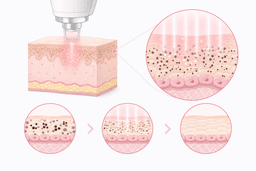
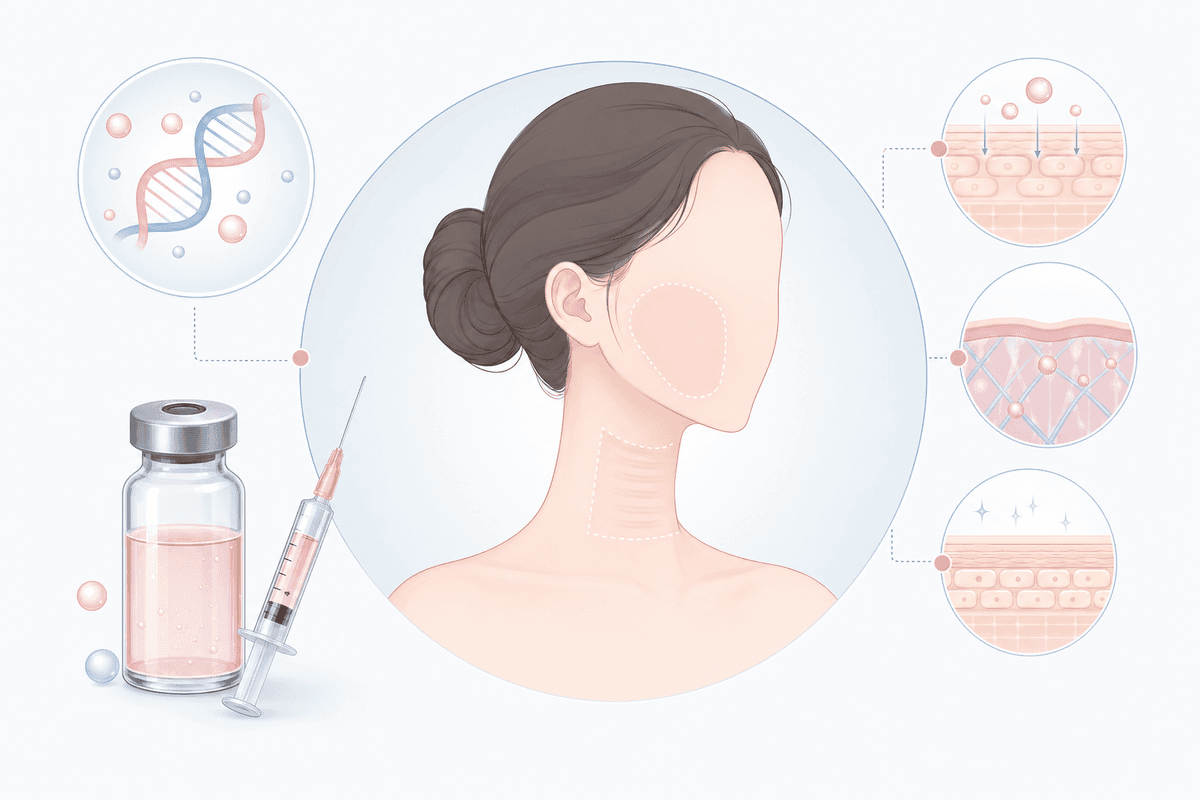
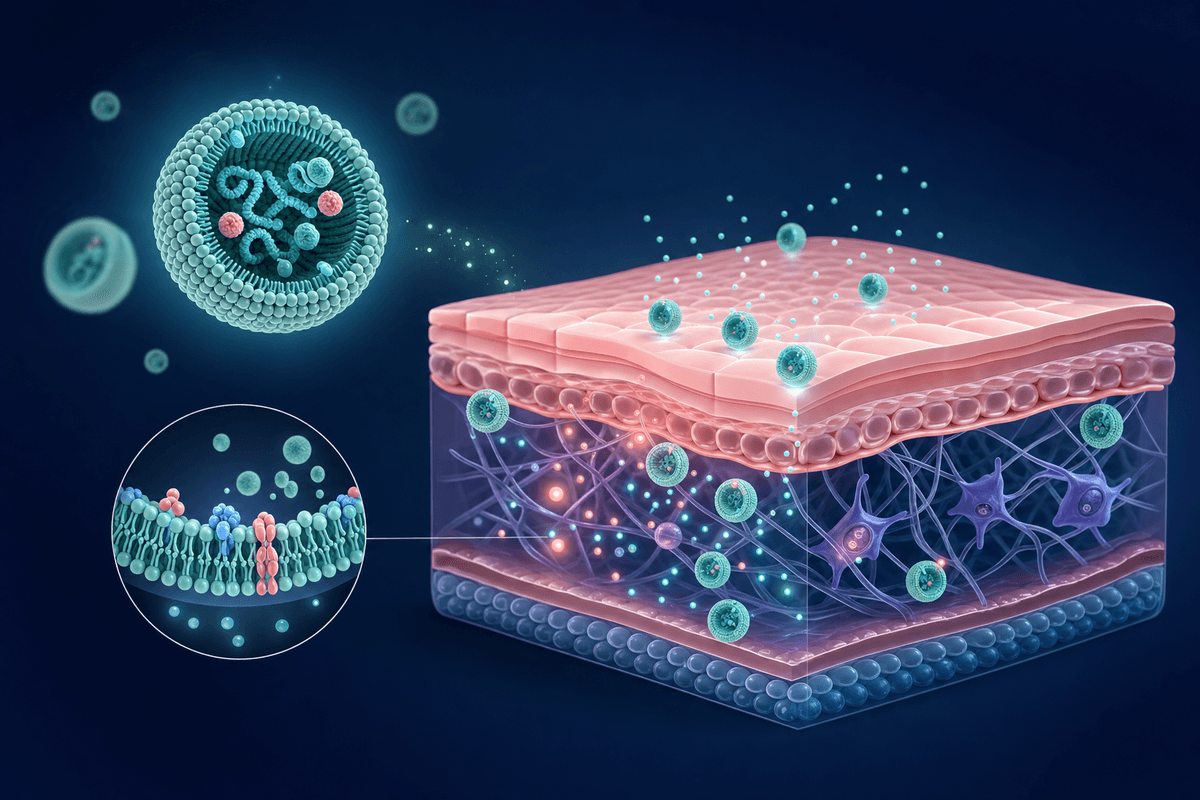
Exosomes are extracellular vesicles that deliver skin regeneration signals, stimulating the synthesis of collagen and elastin. The issue is that the speed of signal transmission heavily depends on your existing skin condition.
According to a 2021 report by the Korean Dermatological Association, individuals with mild to moderate photoaging reported visible improvements after an average of 1.8 sessions, while those with severe photoaging and pigmentation required up to 4.2 sessions. When administered alone, the average was 2.8 sessions, but combining it with laser treatments shortened the time to notice effects to 1.5 sessions.
Exosome formulations used in Korea include ASCE+ (derived from stem cells), ExoSCRT (derived from fat), and Benev (cosmetic ingredient approved by the MFDS), with concentrations ranging from 1 billion to 10 billion particles/mL, varying by product. Higher concentration doesn't always mean faster results; your skin's receptiveness and concurrent management are more crucial.
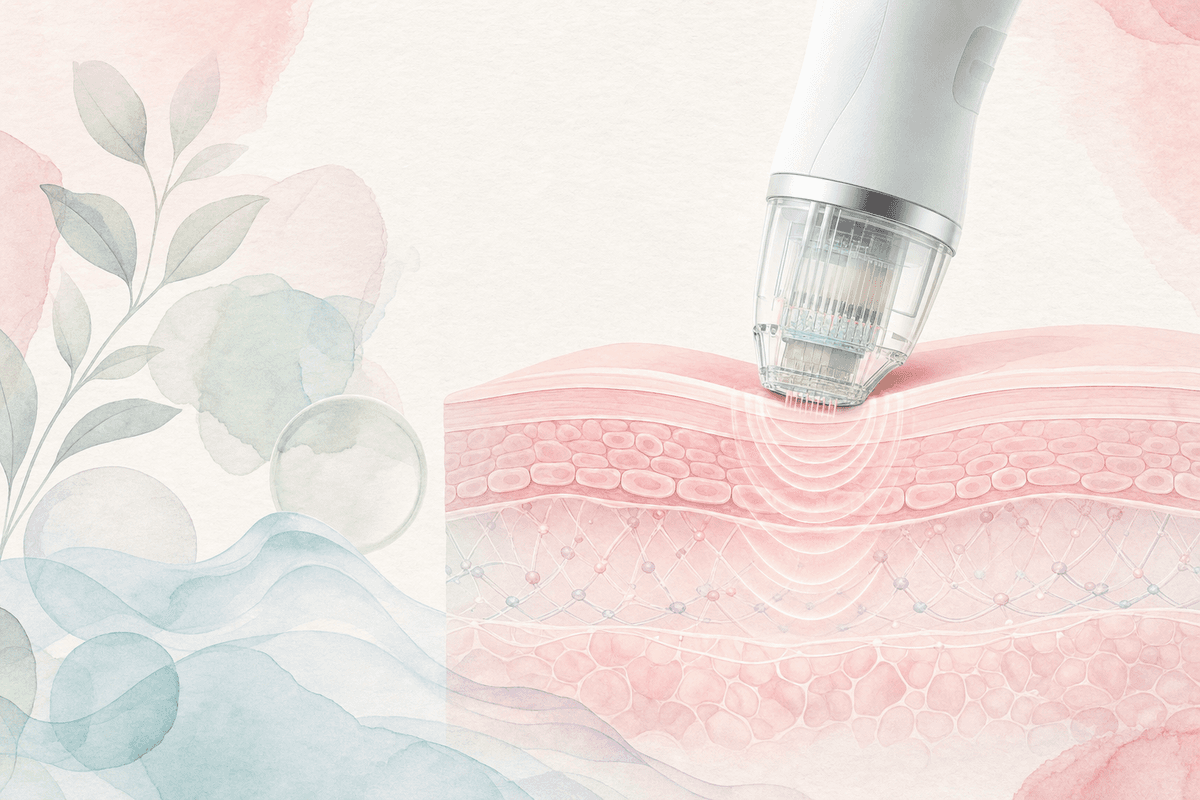
Key Takeaway Combining exosomes with channel-forming lasers like Fraxel or Pico Toning increases absorption by 30-40% compared to exosome treatment alone. The typical interval between sessions is 2-4 weeks.
| Treatment Combination | Average Sessions to Feel Effects | Duration | Cost Range |
|---|---|---|---|
| Exosomes Alone | 2.8 sessions | 3-4 months | ₩150,000-₩250,000/session |
| Exosomes + Laser | 1.5 sessions | 4-6 months | ₩300,000-₩500,000/session |
| Exosomes + Skin Booster | 2.2 sessions | 4-5 months | ₩250,000-₩400,000/session |
Costs may vary depending on the type and dosage of the exosome formulation and the medical institution.
- Mild to moderate photoaging: Average 1.8 sessions to feel effects
- Severe photoaging and pigmentation: Average 4.2 sessions
- Combining with laser treatments shortens the time to feel effects by 1.3 sessions
True or False Quiz
Exosome treatment shows immediate results after just one session.
Check the answer
False Exosomes work by delivering regenerative signals, so effects accumulate gradually. They are typically felt from the 2nd to 3rd session, with variations ranging from 1 to 6 sessions depending on skin condition.
Expectations vs. Reality — It's Not a Dramatic Transformation
The most common feedback after exosome treatments is, "It's not as noticeable as I expected." This is because, unlike lasers or fillers, there isn't an immediate visible change right after the procedure.
Exosomes are a treatment that provides regenerative signals, not one that fills volume or resurfaces the skin. The effects build up gradually, primarily manifesting as improvements in skin texture, such as refined pores, reduced pore size, and more even skin tone. If you expect to look "10 years younger," you'll likely be disappointed. However, if you anticipate improvements like "my makeup applies better," your satisfaction level will be higher.
A 2022 review in the Journal of the American Academy of Dermatology (JAAD) classified exosomes as an "adjunctive therapy," with their effectiveness clearly demonstrated when combined with lasers or peels, rather than used alone. In Korea, the Ministry of Food and Drug Safety (MFDS) currently approves exosomes only as a cosmetic ingredient, not a medical device, meaning injectable formulations are prepared by clinics using imported raw materials.
Caution Claims like "complete wrinkle improvement" or "permanent effects" in exosome advertisements are exaggerations. The duration of effects averages 3-6 months, and maintenance treatments are necessary.
Three Factors That Cause Individual Differences

The reason results vary even with the same formulation and number of sessions lies in baseline skin condition, concurrent management, and the interval between treatments.
First, the degree of photoaging. The more fibroblasts (cells responsible for producing collagen and elastin) damaged by UV radiation, the lower the skin's ability to receive signals. If you have pigmentation or deep wrinkles, exosomes alone have limitations; it's more effective to first address damaged tissue with lasers before delivering regenerative signals.
Second, home care. Using stimulating ingredients like retinol or AHA for two weeks post-treatment can counteract regenerative signals with inflammatory responses. Conversely, combining with barrier-strengthening ingredients like niacinamide or ceramides can extend the duration of effects by 1-2 months.
Third, the treatment interval. While a 2-week interval is standard, it should be extended to 3-4 weeks for sensitive skin. Receiving treatments too frequently can lead to "signal fatigue," making the skin less responsive.
- Mild to moderate photoaging group: 1.8 sessions to feel effects
- Combining with home care extends duration by 1-2 months
- Standard interval is 2 weeks; 3-4 weeks recommended for sensitive skin
Common Regret Points — Why People Feel It Was a Waste of Money
Based on consultations, common regrets fall into three main categories. First, insisting on exosome-only treatments. Some individuals continue with exosome treatments, wondering, "Why isn't it working?" even after more than six sessions. If you don't notice effects after 2-3 sessions, it's advisable to consider combining it with laser treatments.
Second, opting for low-cost formulations. Treatments priced in the low 100,000 KRW range typically use low concentrations or cosmetic-grade ingredients. Formulations with clinical data (like ASCE+, ExoSCRT) cost upwards of ₩150,000 per session; it's difficult to expect significant results for less.
Third, expecting immediate results. If you're looking for same-day changes like those from Botox or fillers, you'll be disappointed. Exosome effects appear gradually, starting from at least 2-3 weeks later, and are often subtle enough to require photographic comparison.
Tip If you don't see results after 2-3 sessions, it's more efficient to add complementary treatments (like Fraxel or Pico Toning) rather than just switching formulations. Ensure at least a 2-week interval between procedures.
Side Effects and Limitations — Unfiltered
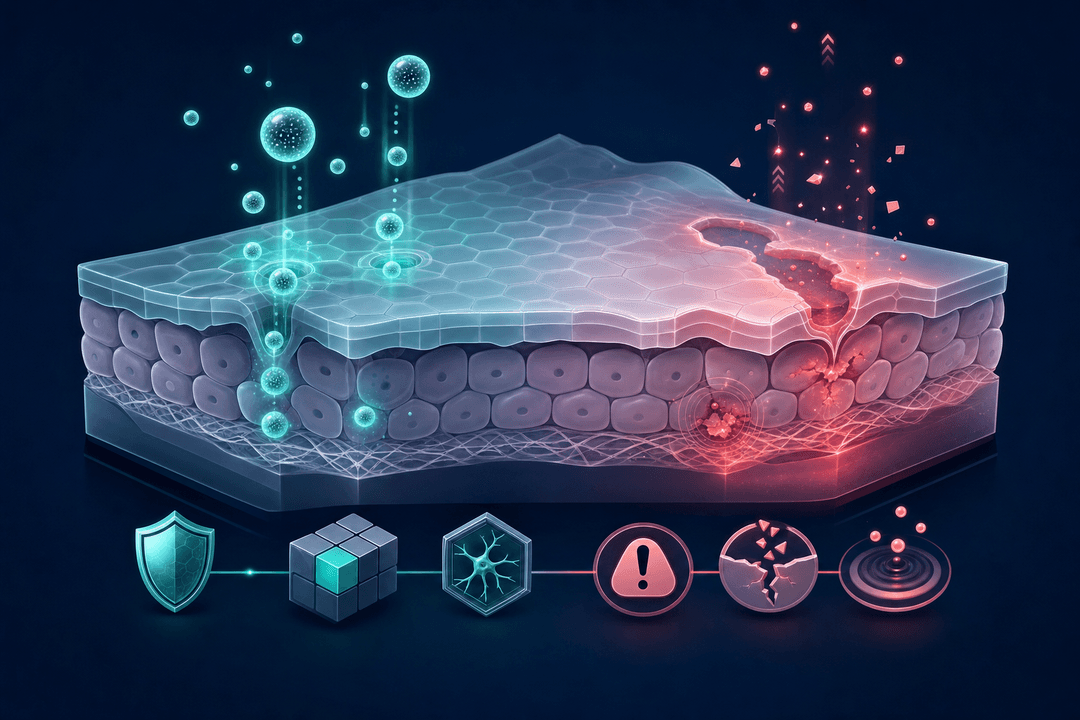
Exosomes are relatively safe, but allergic reactions, temporary redness, and bruising at the injection site are reported in 10-15% of cases. Those with protein allergies should be particularly cautious with fat-derived formulations.
The limitations are also clear. Deep wrinkles or significant sagging cannot be improved by exosomes alone. While they stimulate collagen production, they cannot restore already broken elastic fibers. Furthermore, the effects last only 3-6 months, meaning maintenance costs can exceed ₩1 million annually.
The FDA has not yet approved exosome treatments, and in Korea, the MFDS only recognizes them as cosmetic ingredients. Clinical data primarily comes from small-scale studies (50-100 participants), and long-term safety is still under investigation.
- Incidence of allergies and redness: 10-15%
- Duration of effects: 3-6 months; maintenance costs over ₩1 million annually
- Not FDA-approved; classified as cosmetic ingredients in Korea
Exosomes vs. Other Regenerative Treatments Comparison
Exosomes [Regenerative Signal Delivery]
- Time to feel effects: 2-3 sessions
- Duration: 3-6 months
- Cost: ₩150,000-₩250,000/session
- Downtime: Minimal
Strong for texture improvement, limited dramatic changes
PRP (Platelet-Rich Plasma) [Direct Growth Factor Supply]
- Time to feel effects: 1-2 sessions
- Duration: 6-9 months
- Cost: ₩200,000-₩400,000/session
- Downtime: 1-2 days of redness
Longer duration of effects, but requires blood draw
PDRN (Salmon DNA) [DNA-level Regeneration]
- Time to feel effects: 3-4 sessions
- Duration: 4-6 months
- Cost: ₩100,000-₩200,000/session
- Downtime: Minimal
Slower to feel effects than exosomes, but more affordable
Choosing the Right Option for Your Situation
First regenerative treatment, want to start affordably
Try 2-3 sessions of exosomes alone, then assess
Minimal downtime and lower cost make it suitable for beginners in regenerative treatments.
No noticeable results after 2-3 sessions
Switch to combination therapy with lasers (Fraxel, Pico Toning)
Absorption increases by 30-40%, shortening the time to feel effects by 1-2 sessions.
Budget available, duration of results is important
Consider PRP or PLLA (Sculptra)
Exosomes require re-treatment every 3-6 months, leading to higher long-term costs.
Desire dramatic changes
Prioritize fillers or laser lifting over exosomes
Exosomes are for texture improvement; their effects on volume and lifting are limited.
Common Misconceptions
Misconception Exosome treatment involves direct injection of stem cells.
Truth Exosomes are merely vesicles secreted by stem cells, not the cells themselves. Injecting cells is a separate stem cell therapy, which is only permitted under limited circumstances in Korea.
Misconception More expensive formulations guarantee better results.
Truth Skin condition and concurrent management are more significant factors for results than the formulation's price. Even a ₩500,000 exosome treatment may require more than six sessions for severely photoaged skin.
Before Your Exosome Treatment, Be Sure to Check
- Inform your doctor if you have a history of protein allergies (milk, eggs) — this affects formulation choice.
- Discontinue stimulating ingredients like retinol, AHA, and BHA for two weeks post-treatment.
- Not recommended during pregnancy or breastfeeding due to insufficient safety data.
- If you don't see results after 2-3 sessions, consider combination treatments rather than just switching formulations.
- Low-cost treatments (under ₩100,000) likely use low concentrations or cosmetic-grade ingredients.
Frequently Asked Questions
What's the difference between exosome treatments costing ₩100,000 and ₩300,000?
The difference primarily lies in the concentration and source of the exosome formulation. Treatments around ₩100,000 typically use cosmetic-grade ingredients or have lower concentrations, while those ₩200,000 and above use high-concentration formulations with clinical data (like ASCE+, ExoSCRT). While price doesn't guarantee results, very low costs significantly reduce the likelihood of noticeable effects.
I've had 3 sessions and haven't felt any effects. Should I continue?
If you haven't noticed changes after 2-3 sessions, consider combining with laser treatments before switching formulations. If photoaging is severe, exosome signals may be transmitted slowly. Combining with Fraxel or Pico Toning can shorten the time to feel effects by 1-2 sessions.
How long do exosome treatment effects last?
They last an average of 3-6 months. Combining with home care (niacinamide, ceramides) can extend this by 1-2 months, but the effects are not permanent, and maintenance is required.
What are the potential side effects of exosome treatments?
Allergic reactions, temporary redness, and bruising at the injection site are reported in 10-15% of cases. Caution is advised with formulation selection if you have protein allergies, and stimulating ingredients (retinol, AHA) should be avoided for two weeks post-treatment.
Exosomes vs. PRP: Which should I choose?
If duration of results is important, PRP (6-9 months) is recommended. If you want to start without downtime, choose exosomes (3-6 months). Exosomes are convenient as they don't require blood draws, but long-term costs can be higher than PRP.
How long should I continue exosome treatments?
There's no definitive end point. To maintain effects, re-treatment every 3-6 months is necessary, potentially costing over ₩1 million annually. Alternatively, if you're satisfied after 2-3 sessions, you can stop and resume as needed.
Lumi's Take
Exosomes are not a "quick fix" treatment. Think of it as a process of gradually refining your appearance in the mirror, which can help manage both disappointment and excessive expectations. If you don't see results after 2-3 sessions, try a different approach — repeating the same thing will only increase costs. We hope this guide helps you find the right timing for your skin.
This content is for informational purposes only and does not substitute medical advice. Always consult with a specialist before undergoing any procedure.