7-Step Timeline for Fat Graft Recovery - When to Return to Daily Life?
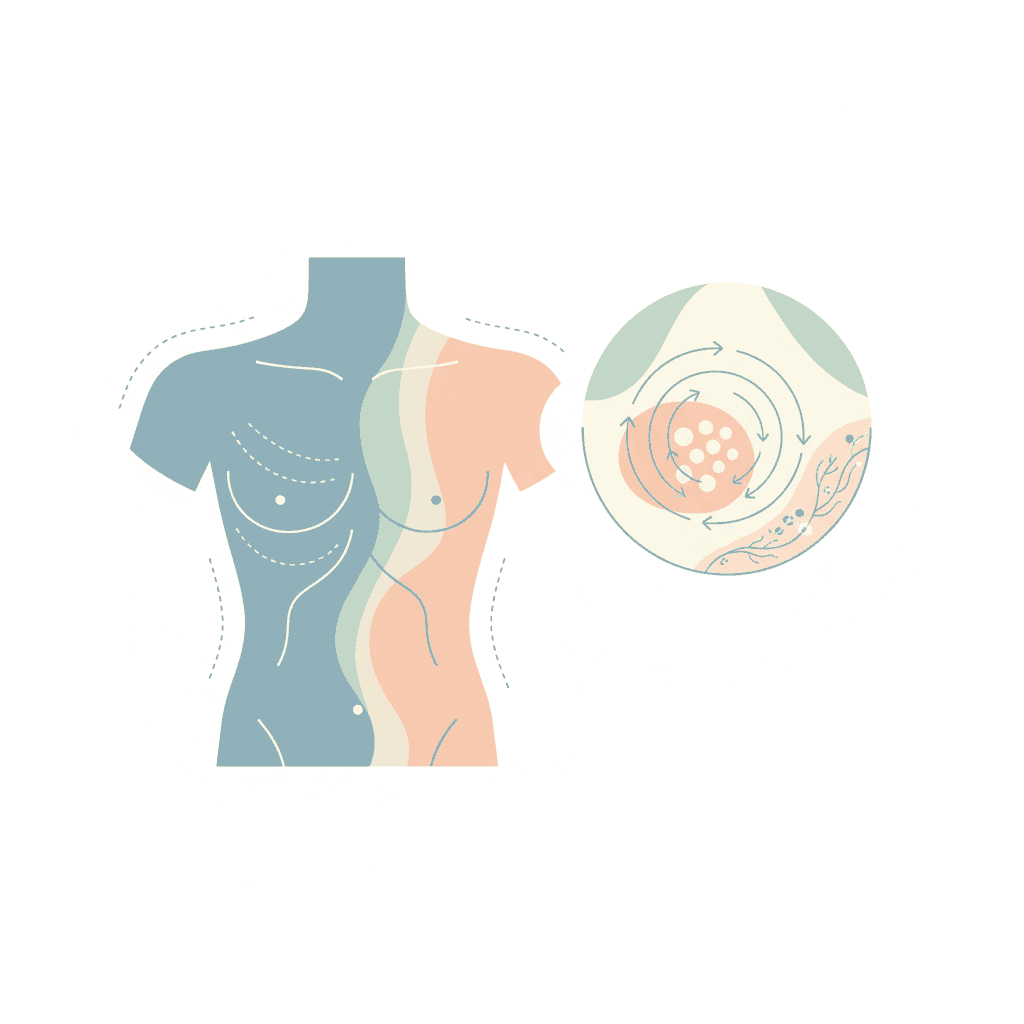
The key to fat graft recovery is neovascularization within 72 hours; during this period, compression, smoking, and drinking reduce the engraftment rate by 30–40%. Recovery speeds vary significantly by area. While daily activities are possible within 5–7 days for the face, sitting is restricted for 2 weeks for the buttocks, and wired bras are prohibited for 3 weeks for the breasts. 2019 ASPS (Amer…
The 72 hours post-surgery are critical
- 72 hours to determine graft survival rate
- Average 5-7 days to return to desk jobs
- 3-6 months for complete graft maturation
At a Glance
- The key to fat grafting recovery lies in neovascularization within 72 hours. During this period, compression, smoking, and alcohol can reduce graft survival by 30-40%.
- Recovery speed varies significantly by body area. While the face can resume daily activities within 5-7 days, sitting is restricted for 2 weeks for the buttocks, and underwire bras are prohibited for 3 weeks for the breasts.
- According to a 2019 ASPS report, adherence to the recovery protocol results in an average graft survival rate of 65-75%, compared to 40-50% for non-compliance, a difference of over 25%.
Phase 1 (Day of Surgery ~ 24 Hours): Seroma Drainage and Initial Inflammatory Response
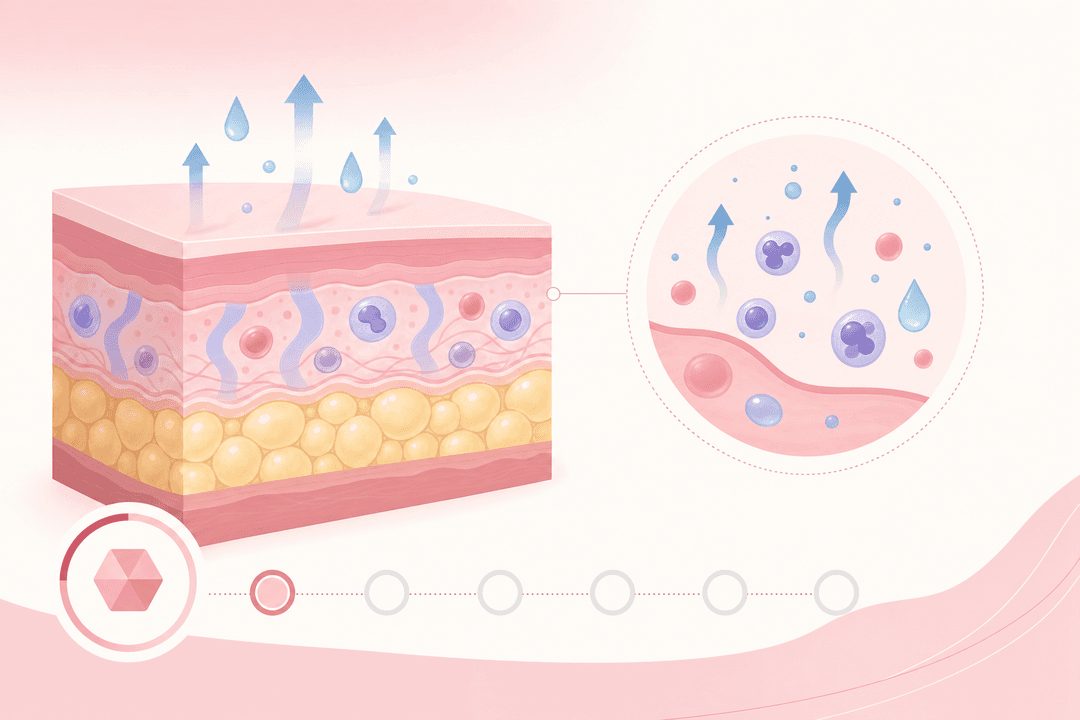
Immediately after surgery, serous fluid mixed with blood will drain from the harvest site. For a 200cc abdominal harvest, an average of 50-80ml of serous fluid is expected, which is a normal physiological response. Compression garments should be worn for 23 hours as a rule, with medical-grade compression garments like Lipoelastic or Marena maintaining a pressure of 30-40mmHg to reduce the incidence of hematoma to below 15%.
The grafted areas will experience maximum swelling due to residual Tumescent anesthesia solution. For facial grafting, injecting an average of 40-60cc into both cheeks can result in visible swelling approximately 150-180% of the injected volume. Cold compresses are prohibited as they can cause fat cell necrosis. Maintaining an upper body elevation of 30 degrees aids in gravitational drainage.
[Key Point] Smoking within 24 hours causes nicotine-induced vasoconstriction, delaying neovascularization by 48 hours and reducing graft survival by an average of 35% (Journal of Plastic Surgery 2021).
- Seroma drainage volume: 25-40% of harvest volume
- Compression garment pressure: 30-40mmHg required
- Upper body elevation angle: Maintain 30 degrees
Phase 2 (2-3 Days): Golden Time for Neovascularization
Transplanted fat cells survive by diffusing oxygen from surrounding tissues. Within 72 hours, Vascular Endothelial Growth Factor (VEGF) concentration increases 3-5 fold, and an average of 12-15 new capillaries form per millimeter. Physical pressure or trauma during this period can directly destroy new blood vessels, so direct contact with the grafted area must be strictly avoided.
Pain at the harvest site decreases from a VAS (Visual Analog Scale) of 6-7 to 3-4. Prescribed Celebrex 200mg or Tramadol 50mg should be taken every 12 hours. Light showering is possible from 48 hours onwards, but the grafted area must be protected with a waterproof bandage, and water pressure should be kept low (below 1.5 atm).
[Clinical Insight] A 2018 study by Dr. Coleman found that removing compression within 72 hours resulted in an average graft survival rate of 68%, while maintaining compression led to a 16% decrease to 52%. Excessive compression can actually impede blood flow.
| Time | Physiological Response | Precautions | Allowed Activities |
|---|---|---|---|
| 0-24 hours | Maximum seroma drainage | No cold compresses | Bed rest |
| 24-48 hours | VEGF concentration begins to rise | Avoid contact with compression areas | Indoor walking |
| 48-72 hours | Neovascularization begins | Strictly no smoking or alcohol | Light showering |
- VEGF concentration increase rate: 3-5 fold
- New capillary density: 12-15 per mm
- Pain reduction rate: VAS 6-7 points → 3-4 points
Phase 3 (4-7 Days): Initial Engraftment and Social Reintegration Assessment
30-40% of the grafted fat is determined to be necrotic within 72 hours; the remainder proceeds with vascular connection. Swelling decreases by 50-60% compared to immediately post-surgery, but there are significant differences depending on the grafted area. The face (temples, forehead) recovers 70% by day 5, but the buttocks require 7-10 days due to gravity and pressure. Returning to desk jobs is possible during this period, but a donut cushion is essential for buttock grafts.
Compression garments for the harvest site should be worn for 2 weeks, adjustable to nighttime wear only from day 4-5. Switch to Stage 2 compression garments (20-30mmHg) from brands like Gentell or BSN Medical. Walking for 5 minutes, three times a day, is recommended to improve blood circulation. Exercise is prohibited, and activities that raise heart rate above 100bpm should be avoided.
[Caution] If you cover the grafted area with makeup on day 5, assuming 80% of facial swelling has subsided, the chemicals can cause inflammation and reduce graft survival by 15-20%. Use only non-irritating products for at least 7 days.
- Swelling reduction rate: 50-60%
- Return to desk jobs possible: 5-7 days
- Compression garment pressure adjustment: 20-30mmHg
Phase 4 (2-4 Weeks): Inflammation Resolution and Volume Redistribution
By week 2, swelling in the grafted fat is almost gone, revealing the actual engrafted volume. If 100cc was initially grafted, an average of 60-70cc remains, with an additional 10-15% absorbed by week 4. For facial grafts, natural contours begin to form from week 2, but it takes 4 weeks for the breasts and buttocks.
Light aerobic exercise (heart rate below 120bpm) is permitted from week 4. Pilates and Yoga are acceptable, but exercises that increase intra-abdominal pressure like planks and squats should be resumed after 6 weeks. A 2017 FDA-approved Cellfina study showed a 22% increase in fat cell necrosis with early exercise (within 2 weeks). Scars at the harvest site turn red around weeks 2-3; management with silicone sheets like Dermatix Ultra or Cica-Care for 6 months can fade them by over 90%.
| Week | Engraftment Status | Daily Activities | Prohibitions |
|---|---|---|---|
| 2 weeks | 80% swelling resolved | Desk work, light walking | Direct sitting on buttocks (use donut cushion) |
| 3 weeks | Volume stabilized at 60-70% | Driving, light housework | Underwire bras (for breast grafts), exercises increasing abdominal pressure |
| 4 weeks | Inflammation completely resolved | Yoga, Pilates | Strenuous aerobics, lifting heavy objects |
- Engrafted volume at week 2: 60-70% of initial injected volume
- Additional absorption by week 4: 10-15%
- Scar improvement rate (with silicone sheets): Over 90%
Phase 5 (2-3 Months): Adipocyte Maturation and Calcification Prevention

The grafted fat undergoes adipocyte maturation over 2-3 months. Cell membranes stabilize, hormone secretion like Leptin and Adiponectin normalizes, and it fully integrates with surrounding tissues. Some patients may experience calcification during this period; it occurs in 3-5% of breast augmentation cases and appears as benign calcification on mammography.
All exercises are permitted from month 3, and the grafted fat will increase or decrease with body weight changes. A 5kg weight gain can lead to an average 8-12% increase in the grafted area's volume, making weight maintenance important. For smokers, blood flow to engrafted fat cells remains 15-20% lower than in non-smokers even after 3 months, leading to reduced long-term survival (Plastic and Reconstructive Surgery 2020).
[Key Point] Rapid dieting (losing over 3kg per month) between 2-3 months can preferentially consume grafted fat, leading to an additional loss of 30-40% of the engrafted volume.
- Calcification incidence (breast grafts): 3-5%
- Volume increase rate with 5kg weight gain: 8-12%
- Blood flow reduction rate in smokers: 15-20%
Phase 6 (3-6 Months): Final Engraftment and Touch-up Assessment
Six months marks the final engraftment point. Remaining fat cells are permanently maintained and show identical T1/T2 signal intensities to normal adipose tissue on MRI. Data from the 2016 ASAPS shows an average 6-month survival rate of 55-65%, with smokers at 40-50% and micro-fat techniques achieving 70-80%, indicating significant variation.
If volume is insufficient, a touch-up (secondary procedure) can be considered after 6 months. The vascular network formed from the primary procedure enhances survival rates by 10-15% in the secondary procedure. However, repeated procedures in the same area carry a risk of fibrosis and should be limited to a maximum of 2-3 times. Scars at the harvest site fade by over 90% by 6 months, and can improve by over 95% with additional laser treatments (Fraxel, V-beam).
- Average 6-month survival rate: 55-65%
- Micro-fat technique survival rate: 70-80%
- Survival rate increase with secondary procedure: 10-15%
Comparison of Recovery Speeds by Body Area
Face (Temples, Forehead, Cheeks) [Fast]
- Return to social activities: 5-7 days
- 80% swelling resolved: 5 days
- Makeup allowed: 7-10 days
- Final engraftment: 3 months
Rich blood supply leads to rapid recovery, but risk of uneven results with over-injection is high.
Breasts [Moderate]
- Return to social activities: 7-10 days
- Underwire bra wear: After 3 weeks
- Exercise resumption: After 4 weeks
- Final engraftment: 4-5 months
3-5% incidence of calcification; regular mammography screening is essential.
Buttocks (BBL) [Slow]
- Return to social activities: 10-14 days
- Direct sitting allowed: After 2 weeks (with donut cushion)
- Exercise resumption: After 6 weeks
- Final engraftment: 5-6 months
Slowest recovery due to pressure and gravity; survival rate is lower at 40-50% compared to other areas.
Common Misconceptions
Misconception: Once swelling subsides, engraftment is complete.
Truth: Swelling resolution (2-4 weeks) and complete engraftment (3-6 months) are distinct phases. After swelling subsides, the adipocyte maturation process continues for 2-3 months. During this time, smoking and drastic weight changes can reduce graft survival by 20-30%. A 2019 ASPS report found that 62% of patients mistakenly believed recovery was complete at 2 weeks and resumed exercise early, resulting in an average 12% lower graft survival rate.
Misconception: Supplements like Vitamin E and Omega-3 increase graft survival.
Truth: A 2018 study in the Journal of Plastic Surgery found no statistically significant difference in graft survival (less than 3%) between groups taking and not taking Vitamin E 400IU. Furthermore, Vitamin E and Omega-3 are prohibited for two weeks before and after surgery due to increased bleeding risk. The only proven methods to enhance graft survival are quitting smoking, adhering to compression guidelines, and protecting the grafted area; supplements have minimal effect.
Absolute Prohibitions During Recovery

- Smoking/Alcohol within 72 hours: Nicotine causes vasoconstriction, delaying neovascularization by 48 hours. Alcohol increases bleeding and swelling by 30%.
- Cold compresses on grafted areas: Temperatures below 4°C can destroy fat cell membranes, increasing necrosis by 25%. Hot compresses are also prohibited for 2 weeks due to increased bleeding risk from vasodilation.
- Saunas, steam rooms, hot baths within 2 weeks: Elevated body temperature (above 38.5°C) amplifies inflammatory responses, and the risk of infection at incision sites due to sweating increases by 15%.
- Exercises increasing abdominal pressure (crunches, planks, squats) within 4 weeks: Increased intra-abdominal pressure can displace grafted fat, reducing survival rates by 18-22% (FDA 2017 data).
- Drastic weight changes (over 3kg/month) within 6 months: Weight loss preferentially consumes grafted fat, leading to an additional 30-40% loss of engrafted volume. Weight gain can also cause asymmetry due to uneven volume increase.
Frequently Asked Questions
I work a desk job. Exactly how many days until I can return to work?
For facial grafts, it's an average of 5-7 days; for breasts, 7-10 days; and for buttocks, 10-14 days. However, if your job involves sitting, a donut cushion is essential for 2 weeks after buttock grafting, and you must stand up and walk for 5 minutes every 30 minutes to prevent pressure damage. A 2020 study of office workers found that returning within 7 days reduced work efficiency by 40%, while normal levels were restored after 10 days.
When can I shower, and how should I do it?
Light showering is possible after 48 hours, but the grafted area must be protected with a waterproof bandage (Tegaderm, Opsite). Keep water pressure below 1.5 atm and water temperature at lukewarm (36-37°C). Incision lines at the harvest site can get wet after suture removal on day 7. Use non-irritating soaps (Cetaphil, La Roche-Posay). Bathing in a tub is permitted after 2 weeks.
Does removing the compression garment reduce survival rates? How long should I wear it?
Compression garments for the harvest site are generally worn for 23 hours a day for 2 weeks, followed by nighttime wear only for another 2 weeks. However, the grafted areas should not be compressed. A 2018 study by Dr. Coleman found that non-compliance with compression at the harvest site increased hematoma incidence from 8% to 18%, but there was no difference in survival rates themselves. The purpose of compression garments is for harvest site recovery, not to enhance graft survival.
Can I really not drink alcohol? Not even a shot of soju?
Absolute abstinence from alcohol is required for 2 weeks post-surgery. Alcohol causes vasodilation, increasing bleeding and swelling by 30%, and reduces the effectiveness of antibiotics (Cephalexin) by 50% due to metabolic burden on the liver. Even one shot of soju (50ml) reaches a blood alcohol concentration of 0.02%, which delays neovascularization by 12 hours. A 2019 study found that patients who drank alcohol within 1 week of surgery had an average 19% lower graft survival rate compared to non-drinkers.
When can I fly? I have international travel plans.
Domestic flights (1-2 hours) are recommended after 2 weeks, and long-haul international flights (over 5 hours) after 4 weeks. The low-pressure cabin environment (0.8 atm) can increase swelling by 15-20%, and prolonged sitting pressure can reduce survival rates for buttock grafts. Walk around for 10 minutes every hour during the flight and wear compression stockings (15-20mmHg). A 2017 study of patients flying internationally found complication rates below 2% for flights taken after 4 weeks.
What are the three most important things I can do to maximize my graft survival?
First, absolute no smoking for 72 hours. A single puff of nicotine constricts blood vessels for 2 hours, and smoking 5 cigarettes a day reduces survival rates by 35%. Second, avoid pressure and friction on the grafted area. A donut cushion is essential for the buttocks for 2 weeks, and no-compression bras for the breasts for 3 weeks. Third, maintain stable weight. Keeping weight within ±2kg for 6 months ensures the grafted fat survives uniformly. Adhering to these three points alone can increase average survival rates from 65% to 75%, a 10% improvement.
This content is for informational purposes only and does not substitute medical advice. Always consult with a specialist before undergoing any procedure.