Forehead Lift Surgery: Why 30-Somethings Get It More Than 40-Somethings
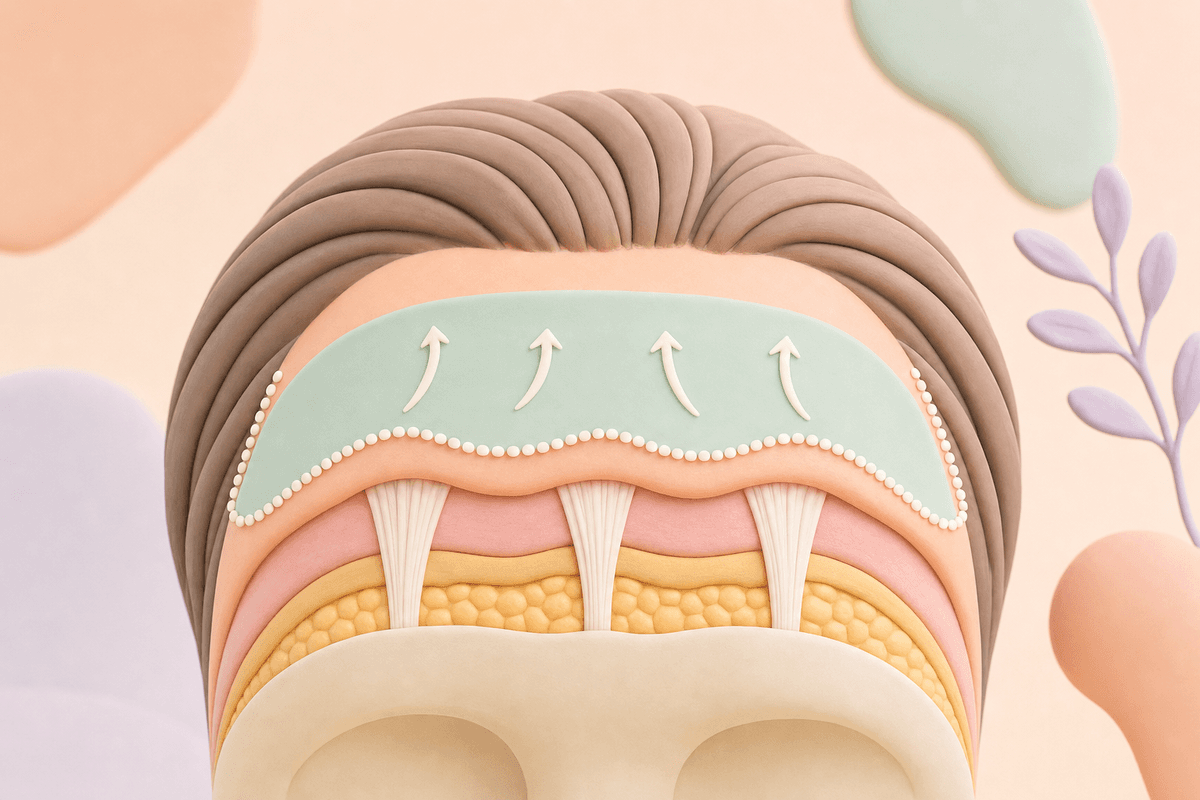
- The reason 30-somethings get this procedure more often isn't wrinkles, but for other reasons.
- With the introduction of endoscopic techniques, the incision area has been reduced by 80%, and the recovery period has been shortened to less than half.
- The difference between a hairline incision and a temporal approach completely changes the results and scar location.
Information as of August 2026
Recovery Transformed by the Latest Endoscopic Techniques
- Recovery period shortened by 40% after introduction of endoscopy
- Proportion of patients in their 30s increased by 58% compared to 2019
- Scars within 2cm with minimal incision
Forehead Lift: Not Just for Wrinkles Anymore
Most people think of a forehead lift as a surgery for wrinkles in people aged 40-50, but actually, the proportion of patients in their 30s is much higher these days. According to data from the Korean Society of Aesthetic Surgery in 2023, those in their 30s accounted for 42% of all patients, and those in their 40s accounted for 31%. There's a specific reason why people are opting for it before wrinkles fully set in.
The real driving factor is improving the appearance of the eyes. As sagging forehead skin covers the eyelids, it can make the eyes look sleepy or narrow the double eyelid line. This is why people in their 30s seek the procedure first. In fact, 68% of forehead lift patients reported 'discomfort opening their eyes' as their primary concern (data from Seoul National University Hospital Department of Plastic Surgery, 2022).
Furthermore, with the full introduction of the endoscopic forehead lift technique in the mid-2010s, the recovery burden has significantly decreased. Previously, a full incision along the hairline required 3-4 weeks for recovery, but now, with a minimal incision of 1-2cm, patients can return to daily life within 7-10 days. This was a decisive factor for working professionals in their 30s.
- The proportion of forehead lifts performed on individuals in their 30s increased by 58% from 2019 to 2023.
- The average recovery period has been reduced from 21 days to 9 days since the introduction of endoscopic techniques.
- Scars from minimal incisions are within 2cm and can be concealed within the hairline.
Endoscopy Changed More Than Just Incisions
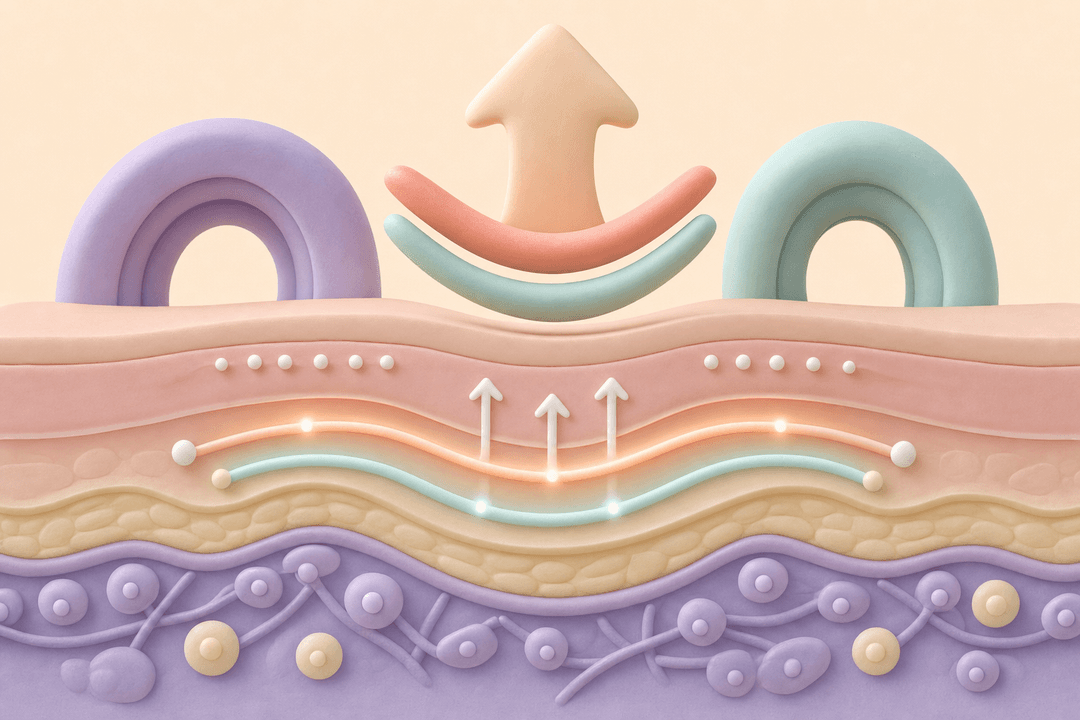
The key to endoscopic forehead lifts is enhanced visibility. A 5mm camera is inserted, allowing surgeons to visualize and dissect the fascial layer (the thin membrane between the frontalis muscle and SMAS) in real-time. Traditional open procedures relied on tactile sensation, but endoscopy allows surgeons to directly see blood vessels and nerves, reducing bleeding by 70%.
Surprisingly, the duration of the results is similar. Both open and endoscopic methods work by pulling and fixing the fascia, so the average maintenance period of 7-10 years remains the same. The differences lie in recovery speed, scar size, and swelling.
One of the latest techniques is the Bio-anchor fixation method. Previously, titanium screws were used to fix the fascia to the bone. Since 2018, biodegradable anchors (made of polylactic acid) have received FDA approval, allowing for a method where the anchor is naturally absorbed after 6 months. This method is preferred by those in their 30s as it avoids foreign body sensation and does not interfere with MRI scans.
Clinical Insight A comparative study on complication rates before and after the introduction of endoscopy (2021, Korean Society of Plastic and Reconstructive Surgeons) showed a decrease in hematoma incidence from 12.3% to 3.1%, and facial nerve injury from 2.7% to 0.4%.
True or False Quiz
Endoscopic forehead lifts have a shorter duration of results than open procedures.
Check the answer
False Regardless of the incision method, the principle of pulling and fixing the fascia is the same, resulting in an average maintenance period of 7-10 years. The difference lies in recovery speed, scar size, and bleeding. Endoscopy only reduces complications through improved visibility; the effectiveness itself is about 85-90% of open procedures.
Incision Location Completely Changes the Outcome
Forehead lifts are broadly divided into two types: hairline incision and temporal incision. A hairline incision lifts the entire forehead, while a temporal incision focuses on lifting the outer edges of the eyebrows.
A hairline incision is advantageous for individuals with a narrow forehead or receding hairline. Placing the incision 1-2cm in front of the hairline can reduce forehead width while also providing a lifting effect. Conversely, if someone with a wide forehead has an incision within the hairline, it can make the forehead appear even wider.
A temporal incision is chosen when the goal is to correct drooping at the outer corners of the eyes or to improve the eye shape. The incision is small, measuring 2-3cm, and is hidden within the temporal hairline, minimizing scar concerns. However, its effectiveness for wrinkles in the center of the forehead is limited.
| Incision Method | Suitable Cases | Incision Length | Recovery Period |
|---|---|---|---|
| Hairline Incision | Forehead width adjustment + overall lift | 10-15cm | 10-14 days |
| Temporal Incision | Drooping outer eyebrows, eye shape correction | 2-3cm | 7-10 days |
| Endoscopic Minimal Incision | 30s without significant wrinkles, prioritizing fast recovery | 1-2cm | Within 7 days |
Recovery periods may vary depending on individual constitution and swelling.
- Hairline incisions can reduce forehead width by an average of 0.8-1.2cm.
- Temporal incisions focus on lifting the outer eyebrows, with less than 20% improvement for central forehead wrinkles.
- Endoscopic minimal incisions achieve 85-90% of the overall lifting effect of open procedures.
Recovery: How Much Can You Realistically Handle?
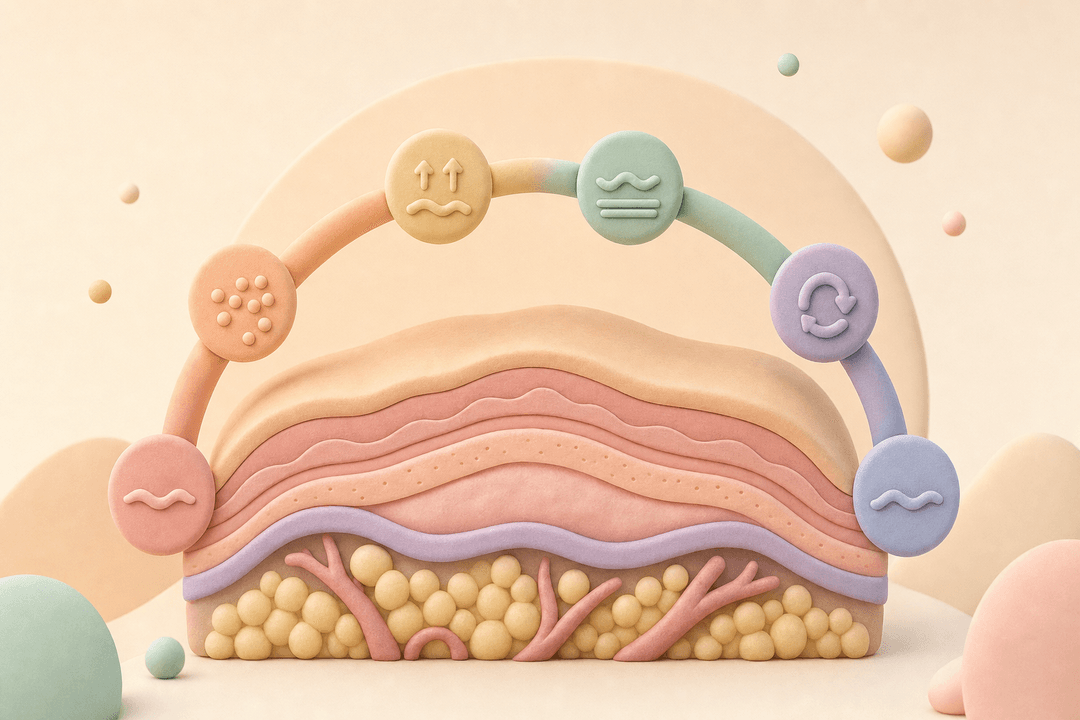
Immediately after surgery, a compression bandage will be applied to the entire forehead for 2-3 days. Swelling is most severe during this period, and bruising may extend to the eye area. Even with endoscopic methods, ice packs are essential for the first 72 hours.
Stitches are typically removed on days 7-10. For incisions within the hairline, they can be concealed by hair, allowing for outings. The main issue is forehead sensation. It is normal for the sensation in the upper forehead to be dulled for 3-6 months post-surgery, as nerves need time to regenerate.
A point often overlooked is the timing of shampooing. Until the stitches are removed, water contact should be avoided, requiring the use of dry shampoo. Even after stitch removal, only gentle washing with lukewarm water is recommended for two weeks. Hair dyeing or perming can be done after at least 2 months.
Caution Sweaty exercises (like yoga or running) should be avoided for one month post-surgery, as increased blood pressure can raise the risk of bleeding. Light walks are permissible after two weeks.
Understanding the Cost Differences
The cost of a forehead lift varies depending on the incision method and fixation materials. Endoscopic minimal incisions typically range from 4 to 6 million KRW, while full hairline incisions cost between 6 and 9 million KRW. Using Bio-anchors adds an additional 500,000 to 1 million KRW.
There's a factor not always disclosed in advertisements: the anesthesia method. General anesthesia costs an additional 1 to 1.5 million KRW compared to sedation anesthesia. However, if the endoscopic procedure takes longer, sedation may not be sufficient for pain control, leading surgeons to recommend general anesthesia.
Additionally, if forehead width adjustment is included, hair transplantation costs are separate. This is priced per follicular unit, with an average of 500-800 grafts needed, costing 3,000-5,000 KRW per graft, potentially adding 1.5 to 4 million KRW.
| Item | Average Cost | Additional Options |
|---|---|---|
| Endoscopic Minimal Incision | 4-6 million KRW | Bio-anchor +0.5-1 million KRW |
| Full Hairline Incision | 6-9 million KRW | Hairline Transplantation +1.5-4 million KRW |
| Temporal Incision | 3.5-5 million KRW | Combined with Brow Lift +1-2 million KRW |
Costs may vary depending on the area, extent of incision, and medical institution.
- General anesthesia adds 1-1.5 million KRW and is recommended for endoscopic procedures lasting over an hour.
- Bio-anchors are 30% more expensive than titanium screws but are absorbed after 6 months, eliminating foreign body sensation.
- Combined with hairline transplantation, each graft costs 3,000-5,000 KRW, with an average of 500-800 grafts required.
Should You Get It Now? Consider These Factors
A forehead lift is less efficient for preventative purposes. Undergoing the procedure prematurely, before significant sagging or wrinkles appear, carries the risk of overcorrection. This can lead to a permanently surprised expression.
The criteria are simple: check if your eyelid is being covered by forehead skin, and if you use your forehead muscles to lift your eyes. If you look in the mirror, hold your eyebrows down with your fingers, and find it difficult to open your eyes, you are a candidate for a forehead lift. If you only have forehead wrinkles but no eyelid drooping, Botox or fillers are a better initial option.
For working professionals in their 30s, securing adequate recovery time is paramount. Even with minimal incisions, bruising and swelling can last for two weeks, so it's advisable to schedule the procedure when you can take at least 10 days off, ideally coinciding with holidays. If remote work is possible, returning on day 7 might be feasible.
- Habitually using forehead muscles to lift eyes for over 5 years increases the perceived benefit of a forehead lift.
- Botox requires re-treatment every 3-6 months, while a forehead lift lasts 7-10 years.
- Even minimal incisions can result in bruising and swelling for 2 weeks; consider the procedure if you can secure at least 10 days off.
Forehead Lift vs. Brow Lift vs. Botox
Forehead Lift [Fundamental Solution]
- Fascia layer dissection + fixation
- Lasts 7-10 years
- Recovery: 7-14 days
- Cost: 4-9 million KRW
Also improves eyelid drooping
Brow Lift [Partial Correction]
- Incision around the eyebrows only
- Lasts 3-5 years
- Recovery: 5-7 days
- Cost: 2-4 million KRW
Limited effect on central forehead wrinkles
Botox [Temporary Relief]
- Muscle relaxation
- Lasts 3-6 months
- No recovery period
- Cost: 0.1-0.3 million KRW
Does not improve sagging skin
Which Method is Right for My Situation?
If your forehead is narrow and your hairline is receding
Hairline incision for forehead width adjustment
Placing the incision 1-2cm in front of the hairline can reduce forehead width by an average of 1cm while simultaneously providing a lifting effect.
If your primary goal is eye shape correction and you need to return quickly
Temporal endoscopic incision
A 2-3cm incision allows for focused lifting of the outer eyebrows, with recovery allowing return to work by day 7.
If you are in your 30s with only eyelid drooping and no wrinkles
Endoscopic minimal incision + Bio-anchor
Achieve 85% of the effect of open procedures with 7-day recovery, and maintain results for 10 years without foreign body sensation thanks to biodegradable anchors.
If you only have forehead wrinkles and no eyelid drooping
Start with Botox (50-60 units)
For muscle-related wrinkles without skin sagging, Botox with 3-6 month maintenance is sufficient and avoids the burden of surgery.
Common Misconceptions
Misconception A forehead lift makes your facial expressions unnatural.
Truth As long as overcorrection is avoided, facial muscles function normally. Endoscopic techniques lift only the fascia layer without affecting muscles, allowing for natural expressions. A 2021 study showed that 92% of patients reported their expressions remained natural.
Misconception A hairline incision causes hair loss.
Truth The incision line itself does not destroy hair follicles. However, excessive tension during suturing can lead to slightly reduced hair density in the 1-2mm area around the scar. Using Bio-anchors for distributed fixation can reduce the risk of hair loss by 80%.
What to Avoid After a Forehead Lift
- **Shampooing or getting water on the incision before stitch removal** — Risk of infection and potential opening of the incision.
- **Sweaty exercises for 1 month post-surgery** — Increased blood pressure can lead to bleeding and hematoma.
- **Dyeing or perming hair within 3 months** — Chemical agents can irritate the incision site, increasing the risk of hypertrophic scarring.
- **Maintaining a head-down position for extended periods** — Can worsen swelling for 2 weeks; keep your head elevated above your heart.
- **Alcohol consumption or smoking 2 weeks before and after surgery** — Reduced blood circulation can delay healing; smoking cessation for 4 weeks is recommended.
Frequently Asked Questions
When will sensation return after a forehead lift?
Numbness in the upper forehead is normal for 3-6 months post-surgery. Nerve regeneration occurs at a rate of about 1mm per month, so wider incisions take longer to heal. Most patients regain over 80% of sensation by 6 months, and nearly full sensation by one year.
Will there still be scars with endoscopic surgery?
Incisions of 1-2cm within the hairline are completely concealed by hair. However, the width of the scar can vary depending on suturing techniques. Using Bio-anchors for distributed fixation can reduce scar width to less than 1mm. After 6 months, they are almost imperceptible to the naked eye.
If I get it in my 30s, will I need it again later?
Results last 7-10 years, so if you have it in your early 30s, you might consider it again in your early 40s. However, the initial surgery repositions the fascia, which can slow down the natural aging process, so a second procedure may not be necessary. Combining it with Botox can further extend the duration of results.
Can I have a forehead lift and double eyelid surgery at the same time?
It is possible, but the overlapping recovery periods can be burdensome. A forehead lift can improve eyelid drooping, potentially widening the double eyelid line, so it's safer to have the forehead lift first and then decide on double eyelid surgery 3-6 months later.
What is the risk of side effects or complications during recovery?
Since the introduction of endoscopic techniques, the incidence of hematoma has decreased to 3.1% and facial nerve injury to 0.4% (2021 academic data). However, failing to apply cold compresses for the first 72 hours or keeping your head lowered can worsen swelling, and in rare cases, temporary facial asymmetry may occur. Most cases resolve naturally within 2 weeks, but if symptoms persist, immediate re-evaluation is necessary.
Are there many promotional events for cost discounts?
Promotional announcements and event advertisements are restricted by medical advertising laws. Any "special offers" you see may refer to partial incisions or exclude certain options, so be sure to clarify the total cost (including anesthesia, anchor materials, and hairline transplantation) during your consultation.
Lumi's Take
The current popularity of forehead lifts isn't just due to technological advancements, but because the recovery burden has decreased to a point where people in their 30s feel it's "okay to get it now." If your concern is more about your eye appearance than wrinkles, we're in an era where you can return to normal life within 7 days with an endoscopic minimal incision. However, it's inefficient for preventative purposes, so first check if you use your forehead muscles when opening your eyes. Getting it at the right time is the wisest choice.
This content is for informational purposes only and does not substitute for medical advice. Always consult with a specialist before undergoing any procedure.