The first 72 hours after teeth whitening are crucial; we will show you the proper care methods.
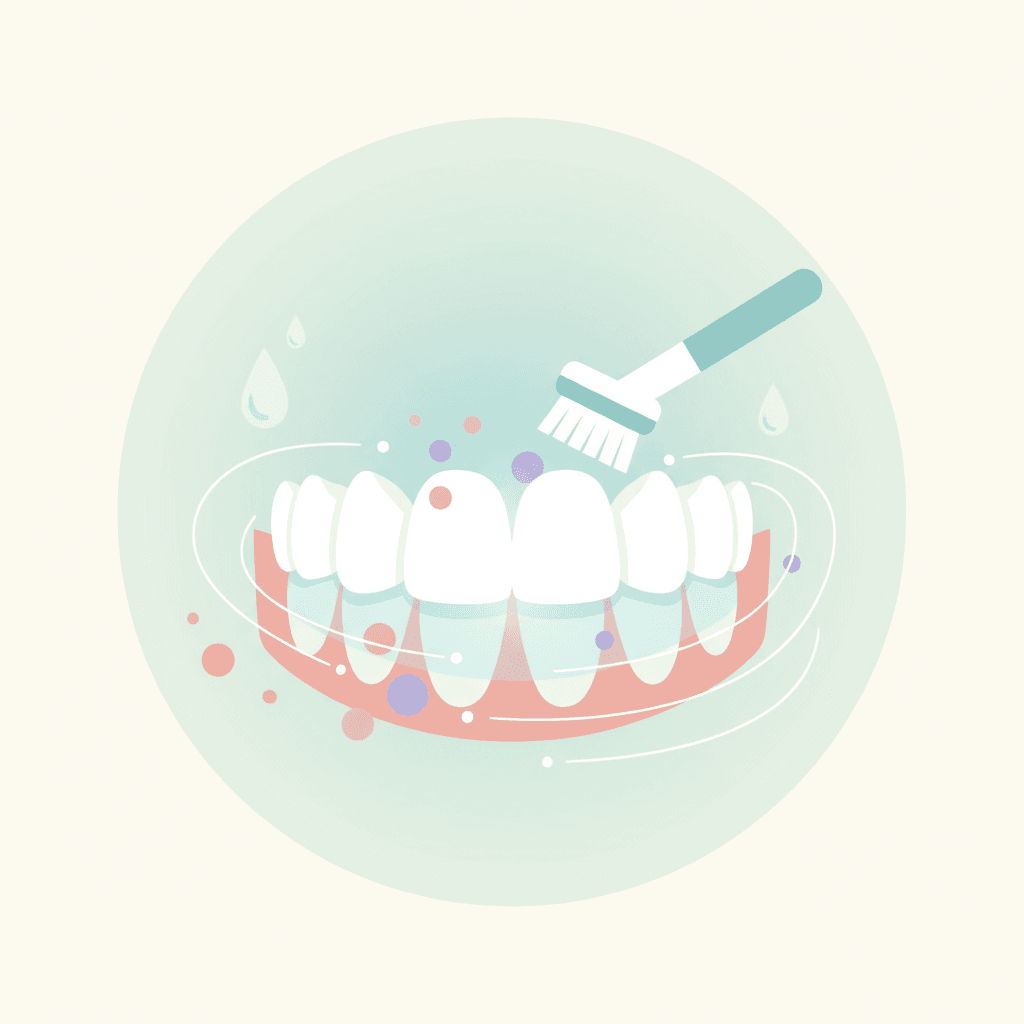
The 72 hours immediately following whitening are a period when the microstructure of the tooth surface is open, causing pigment re-discoloration to occur five times faster. Care instructions differ between professional whitening with a high concentration of 35% hydrogen peroxide and at-home whitening with 10% — recovery periods and precautions vary depending on the concentration. The "White Diet" is not simply fasting, but a strategy involving pH management and timing — incorrect practice can actually damage the enamel…
How to Prevent Pigmentation Taught by Experts
- The First 72 Hours Determine 60% of the Results
- White Diet Recommended for an Average of 2 Weeks
- Effects Last 12-24 Months with Proper Care
What Happens on the Tooth Surface During the First 72 Hours
Immediately after applying the whitening agent, the tooth enamel becomes temporarily dehydrated. This is because hydrogen peroxide or urea peroxide penetrates through the enamel's microstructure (prisms) and strips away moisture.
During this process, the organic pellicle layer on the enamel surface is temporarily removed, and the teeth absorb pigments at a rate five times faster than usual. According to a 2018 report by the Korean Academy of Conservative Dentistry, consuming a cup of coffee within 24 hours of whitening can restore color to 30% of its pre-whitening state. It takes 48 to 72 hours for the pellicle layer to fully reform. During this period, acidic beverages (pH 4.5 or lower) and colored foods should be avoided not simply due to 'staining,' but because the chemical barrier of the enamel itself is weakened. In the case of professional whitening (35% hydrogen peroxide, such as Zoom or Philips Zoom WhiteSpeed), this change is more dramatic. Hydrogen peroxide that has penetrated deep into the enamel via LED photocatalyst continues the residual reaction for 48 hours, and if pigment is introduced during this time, it can stain the inner layers of the enamel. The most common failure case seen in the clinical practice is 'a glass of wine on the evening of the whitening treatment'. Cases where the results would have been different had they endured just 24 hours account for 40% of the total.
- Pellicle layer reformation: 48-72 hours
- Pigment absorption rate: 5 times normal
- Residual hydrogen peroxide reaction: 48 hours
White Diet, not just simple fasting
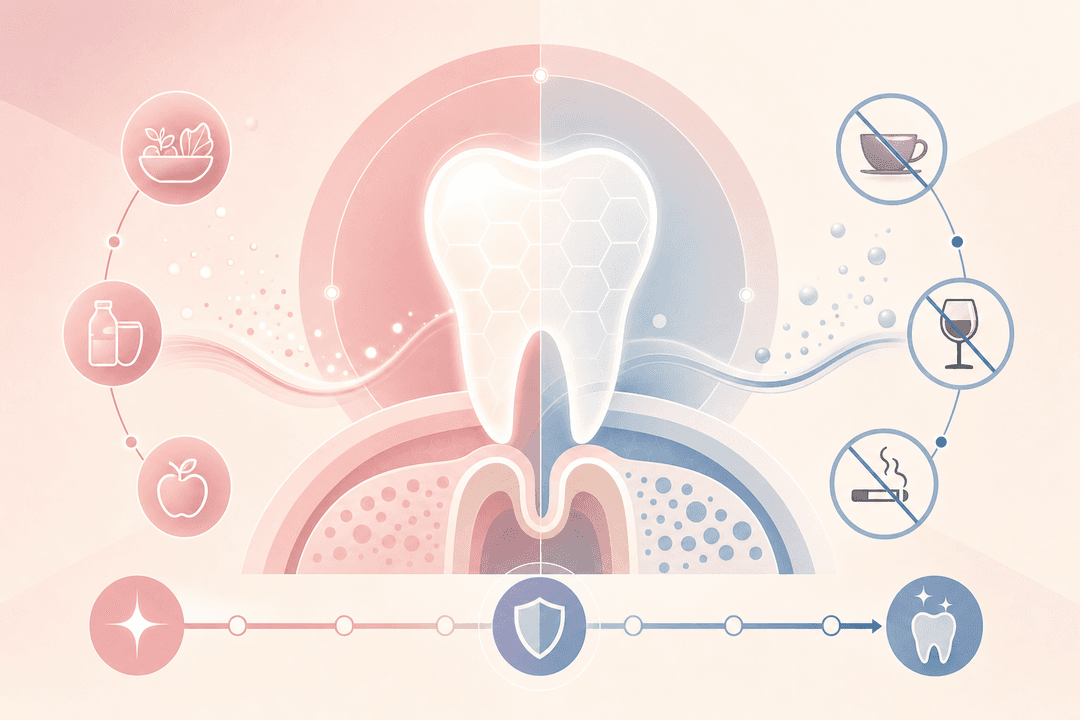
The White Diet is not about 'eating only white foods.' The key is pH and pigment density. For example, white bread is fine, but white wine is not. This is because the pH of wine is 3.0-3.5, which corrodes enamel.
If you have used a whitening agent certified by the Ministry of Food and Drug Safety (such as Opal Sense 35%, Ultraize, etc.), the principle is to consume only foods with a pH of 5.5 or higher for the first 72 hours. Tomatoes (pH 4.2), oranges (pH 3.5), and sparkling water (pH 4.0) are all prohibited.
Conversely, milk (pH 6.5), chicken breast, white rice, bananas, and potatoes are safe. What matters is acidity, not pigment. The advice to avoid soy sauce is not due to the coloring, but because its salt content lowers oral pH. For self-whitening (10-16% urea peroxide tray), you must strictly adhere to it only for the first 24 hours; for the following two weeks, it can be replaced by 'brushing immediately after consuming colored foods.' However, coffee is an exception. The tannins in coffee are deposited in the microcracks of the enamel, and once stained, they cannot be removed by surface brushing. Tip: If you need protein supplementation during the whitening diet, tofu, white fish, and egg whites are recommended. Calcium and phosphorus help remineralize enamel.
| Food Groups | Within 72 Hours | Week 2 | Refer to pH |
|---|---|---|---|
| Coffee/Tea | Forbidden | Consume via Straw | pH 5.0 |
| Wine/Soda | Forbidden | Forbidden | pH 3.0-4.0 |
| Tomatoes and Fruits | Forbidden | Brush teeth immediately after consumption | pH 3.5-4.5 |
| Milk and Yogurt | Recommended | Recommended | pH 6.5 |
| Chicken Breast and Tofu | Recommended | Recommended | pH 6.0-7.0 |
Professional Whitening vs. At-Home Whitening: Different Care Methods
Experts like Zoom Whitening (35% hydrogen peroxide + LED photocatalyst) penetrates to the inner layers of the enamel in a single treatment. On the other hand, at-home whitening methods like OpalSense PF (10-16% urea peroxide) work primarily on the surface layers for 2-3 weeks. After professional whitening, a 'complete whitening diet' for at least 48 hours is essential. Since enamel dehydration is severe and sensitivity is high, fluoride toothpaste (1450 ppm or higher) and rinsing with lukewarm water are recommended. Since at-home whitening involves wearing a tray daily, strict care is required only for the '1 hour immediately after wearing.' However, as this is repeated daily for two weeks, long-term cumulative care is important. Rinsing your mouth with water within 30 minutes of removing the tray and applying an additional fluoride gel (5000ppm) can reduce sensitivity by 30%. According to 2021 data from the Ministry of Food and Drug Safety, the effects of professional whitening last for an average of 12–18 months, while those of at-home whitening last for 6–12 months. The difference lies in the depth of penetration. Professional whitening bleaches the inner layer of the enamel, making it less susceptible to external pigments, but the effectiveness is reduced by half if care is not taken during the initial 72 hours. Key Point: The intensity of care varies completely depending on whether your case requires professional or at-home whitening. Record your treatment history at K-Dia and find a clinic for personalized aftercare.
- Professional whitening effect: 12-18 months
- Home whitening effect: 6-12 months
- Sensitivity reduced by 30% when using 5000ppm fluoride gel
Brushing timing can be counterproductive
Brushing within 30 minutes of whitening actually scrapes away enamel. This is because brushing the enamel surface, which has been softened by hydrogen peroxide, causes micro-abrasion.
The correct sequence is as follows: Whitening procedure or tray removal → Wait 30 minutes → Rinse gently with lukewarm water → Brush for 2 minutes with fluoride toothpaste (1450ppm or higher) → Spit out without rinsing. It takes at least two minutes for the fluoride in toothpaste to penetrate the enamel, and rinsing with water reduces the effectiveness by half. Choosing the right toothbrush is also important. Use an ultra-fine bristle (0.01mm) toothbrush for two weeks after whitening. Representative products include Sensodyne Pronemel or GUM ultra-fine bristles. Regular toothbrushes (0.15mm) scrape the surface of the enamel, creating micro-cracks where pigments accumulate. Brushing your teeth three times a day is ideal. However, you should wait 30 minutes after eating, not immediately. Since the oral cavity is acidic (pH 5.5 or lower) immediately after a meal, brushing at this time will erode the enamel. The habit of rinsing once with water and brushing 30 minutes later extends the whitening effect for more than 6 months. Caution: For 2 weeks after whitening, be sure to practice 'spit out, do not rinse.' The key is to give the fluoride time to penetrate the enamel. Sensitivity Management: 90% Disappear Within 2 Weeks Sensitivity after whitening is a natural reaction caused by the temporary exposure of the dentinal tubules within the enamel. The clinically reported frequency is 60-80%, and it usually disappears within 2 weeks. There are two management methods. First, apply a high-concentration fluoride gel (5000 ppm) before going to bed. Prescription products such as Colgate PreviDent or 3M Clinpro are effective. These block the openings of the dentinal tubules, thereby blocking the transmission of stimuli. Second, use toothpaste containing potassium ions (such as Sensodyne Repair & Protect). Potassium ions reduce pain signals by lowering the action potential of the nerve endings in the teeth. However, continuous use for at least 3 days is required for the effects to appear. If sensitivity persists for more than 2 weeks or pain worsens, you should suspect enamel damage. In this case, stop whitening and consult a specialist. Excessive whitening (repeated high-concentration treatments 3 or more times) can cause enamel demineralization, which is irreversible. Tip: If sensitivity is severe, you can also fill a whitening tray with fluoride gel and wear it for 10 minutes. Try after consulting with a specialist.
- Incidence of sensitivity after whitening: 60-80%
- Average time to fade: Within 2 weeks
- Recommended fluoride gel concentration: 5000ppm
Maintaining the effect, how to extend 12 months to 24 months
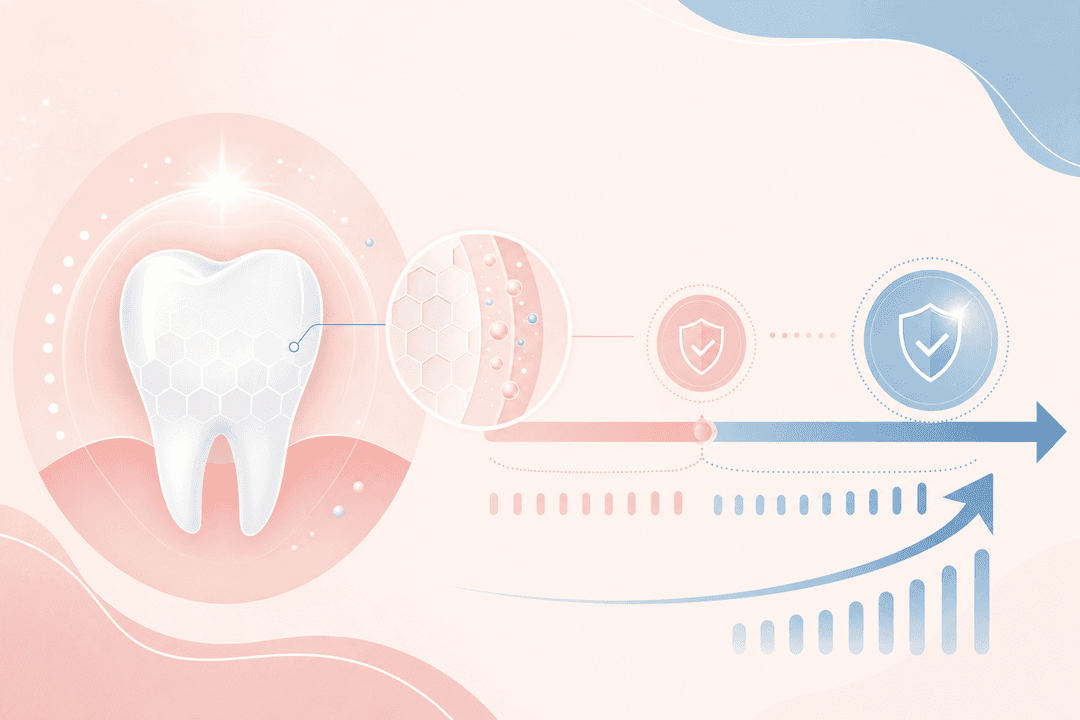
The whitening effect varies by a factor of two depending on lifestyle habits. If you limit coffee and wine consumption to once a day or less during the first three months, the average duration increases from 12 months to 18 months.
You can maintain the initial brightness by getting touch-up whitening every six months. A touch-up is sufficient with just one to two days of wearing a self-whitening tray, and the cost is about 30% of the initial procedure.
Products containing CPP-ACP (Casein Phosphate Peptide), which helps remineralize enamel, are also effective. Applying products like GC Tooth Mousse or MI Paste Plus before bed fills microcracks on the enamel surface and prevents pigment deposition.
Regular scaling is also essential. Removing tartar every six months smooths the tooth surface, making it less prone to staining. The Korean Academy of Periodontology recommends scaling at least twice a year to maintain whitening effects. Key Points: Clinics known for strong long-term results offer touch-up programs and customized home care kits. Compare hospitals with systematic aftercare systems on K-Dia.
- Effect extended with coffee restriction: 12→18 months
- Touch-up cost: 30% of initial procedure
- Recommended scaling cycle: 6 months
Comparison of aftercare by whitening method
Professional whitening (Zoom, 35% hydrogen peroxide) [High Intensity]
- White Diet: Strict 72-hour routine
- Sensitivity: High (60-80%)
- Effect duration: 12-18 months
- Touch-up Cycle: 12 months
Effectiveness reduced by 50% if initial care fails
At-home Whitening (Opal Sense, 10-16% Urea Peroxide) [Low Intensity]
- White Diet: 1 hour after wearing
- Sensitivity: Medium (40-60%)
- Duration of Effect: 6-12 months
- Touch-up Cycle: 6 months
Long-term cumulative care is key
Combined Whitening (Professional + At-home)
Longest lasting effect, high initial cost
Common misconceptions
Misconception You only need to eat white foods after whitening
Truth pH is the key, not the pigment. White wine (pH 3.5) is prohibited, and soy sauce (pH 4.5) should also be avoided. Conversely, bananas (pH 5.0) and milk (pH 6.5) are safe regardless of color. The whitening diet should be composed mainly of foods with a pH of 5.5 or higher and low pigment content.
Misconception Brushing your teeth immediately after whitening makes them cleaner
Truth Brushing your teeth within 30 minutes of whitening damages the enamel. Scratching the enamel surface, which has been softened by hydrogen peroxide, with a toothbrush causes micro-abrasion, and pigment is deposited in those areas. The correct sequence is to wait 30 minutes, rinse with lukewarm water → brush with fluoride toothpaste → and simply spit out.
Things You Must Never Do After Whitening

- Brush your teeth within 30 minutes of the procedure or wearing the tray (Induces micro-absorption of enamel) Consuming coffee, wine, carbonated drinks, tomatoes, or oranges within the first 72 hours (Accelerates pigment re-deposition by 5 times) Rinsing thoroughly with water multiple times after brushing (Blocks fluoride penetration, reduces effectiveness by 50%) Repeating whitening if sensitivity persists for more than 2 weeks (Risk of enamel demineralization) Re-treatment with high-concentration whitening (35%) within 3 months (Accumulated enamel damage, irreversible)
Frequently Asked Questions
Is it really true that I can't have even one cup of coffee after whitening?
It is completely prohibited for the first 72 hours. For the following 2 weeks, it is fine to drink through a straw and brush your teeth 30 minutes later. However, since coffee tannins deposit in the microcracks of enamel, limiting consumption to one cup or less per day is beneficial for maintaining the effect. How long should I follow the White Diet? Professional whitening requires strict adherence for at least 72 hours, followed by relaxation for 2 weeks. For at-home whitening, strictly adhere to the tray for only 1 hour, and brush your teeth immediately after consuming food with pigments for 2 weeks. As individual differences exist, please follow the specialist's guidelines. Can I continue whitening if I have severe sensitivity? If sensitivity persists for more than 2 weeks or pain worsens, stop whitening and consult a specialist. Manage with high-concentration fluoride gel (5,000 ppm) and potassium ion toothpaste; if symptoms do not improve, check for potential enamel damage. Can I rinse with water when brushing? The principle is to simply spit out the toothpaste after brushing and not rinse. Fluoride requires contact for at least 2 minutes to penetrate the enamel, and rinsing with water reduces the effectiveness by half. It may be uncomfortable at first, but you will adapt within 2-3 days. How long does the whitening effect last? Professional whitening lasts an average of 12-18 months, while at-home whitening lasts 6-12 months. It can be extended up to 24 months by restricting coffee and wine and performing touch-ups every 6 months. Since individual differences vary greatly depending on lifestyle habits, please check your condition through regular checkups. When should I get touch-up whitening? It is generally recommended to wait 12 months after professional whitening and 6 months after at-home whitening. Wearing a self-care tray for 1-2 days is sufficient for touch-ups, and the cost is about 30% of the initial procedure. It is most effective to start when brightness has dropped by at least 2 levels.