InMode 5 Sessions Still Not Enough? 3 Cases Where It Doesn't Work
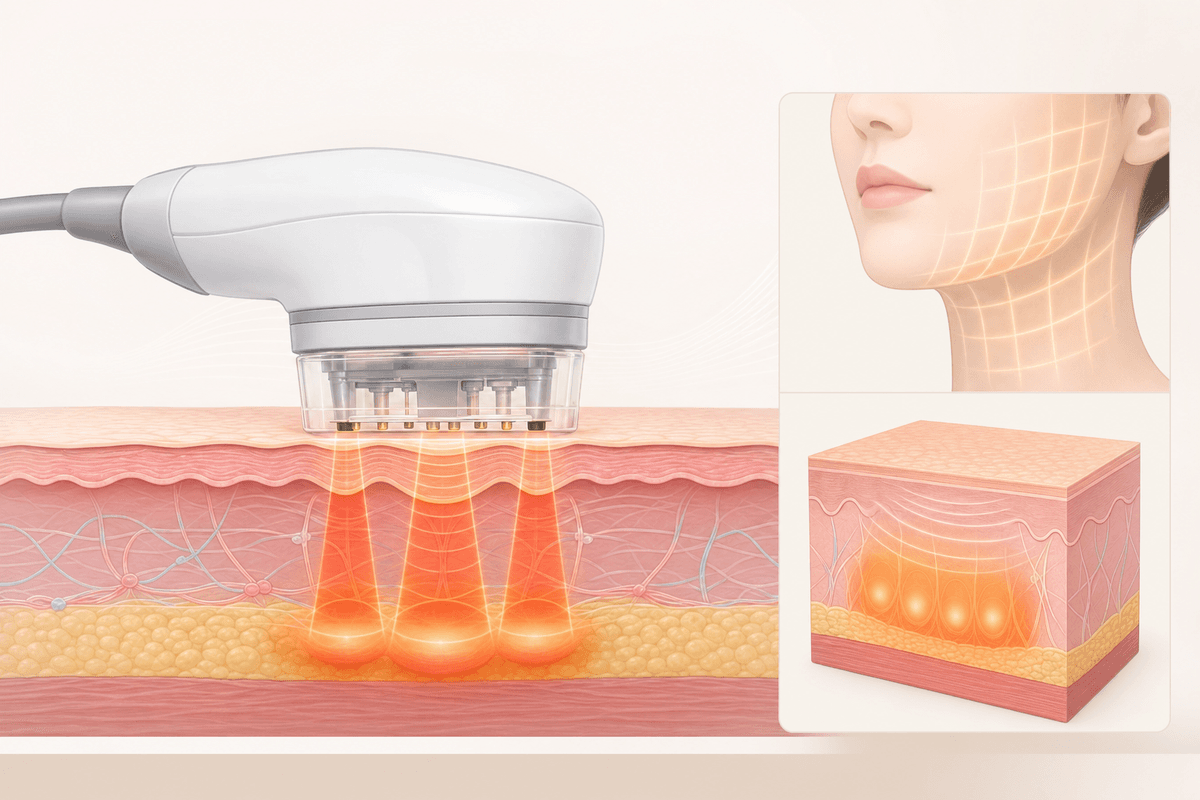
- InMode treatments can see up to a 3x difference in response rates depending on subcutaneous fat thickness and collagen density.
- If you're expecting immediate results, you're likely to be disappointed; real changes begin to appear after 4-6 weeks.
- We've honestly outlined 3 cases where results are not seen even after multiple sessions, along with alternative treatments.
Information as of June 2026
The Uncomfortable Truth About Radiofrequency Treatments
- Average 4-6 weeks to feel effects
- 40% reduced response rate for skin thickness below 1.5mm
- Mandatory 3-4 week interval between sessions
Why Haven't I Seen Results After 5 Sessions?
About 30% of people who undergo InMode report not noticing a significant difference even after 3 sessions. If you've given up because the V-line you expected didn't appear after just one treatment, you need to re-evaluate the timing. InMode is not an immediate results treatment.
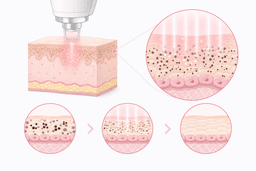
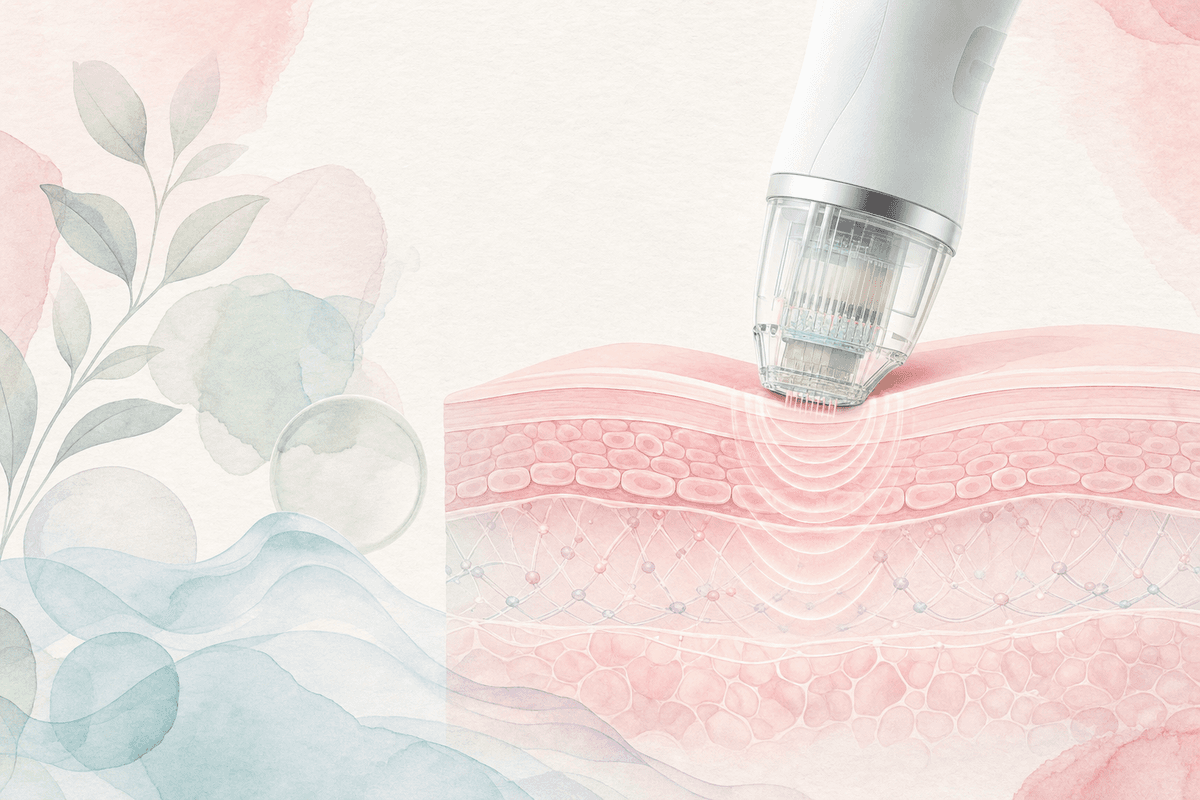
InMode uses proprietary RF (radiofrequency) technology to deliver heat up to 3-4mm deep into the dermis, causing collagen to contract and stimulating regeneration. It received FDA approval in 2019 and was widely introduced in Korea in 2020. The issue is that results don't appear immediately after the procedure but rather 4-6 weeks later.
This is because it takes at least 3-4 weeks for the dermis, stimulated by heat, to break down damaged collagen and synthesize new collagen. Therefore, judging after just one session might make you feel like you've "wasted money." In reality, remodeling was just beginning beneath your skin at that moment.
Caution Swelling or redness immediately after InMode is a normal reaction. It's actually a sign that the heat stimulus has been delivered effectively. This subsides within 3 days, after which the collagen regeneration cycle truly begins.
3 Cases Where It Doesn't Work: Are You One of Them?
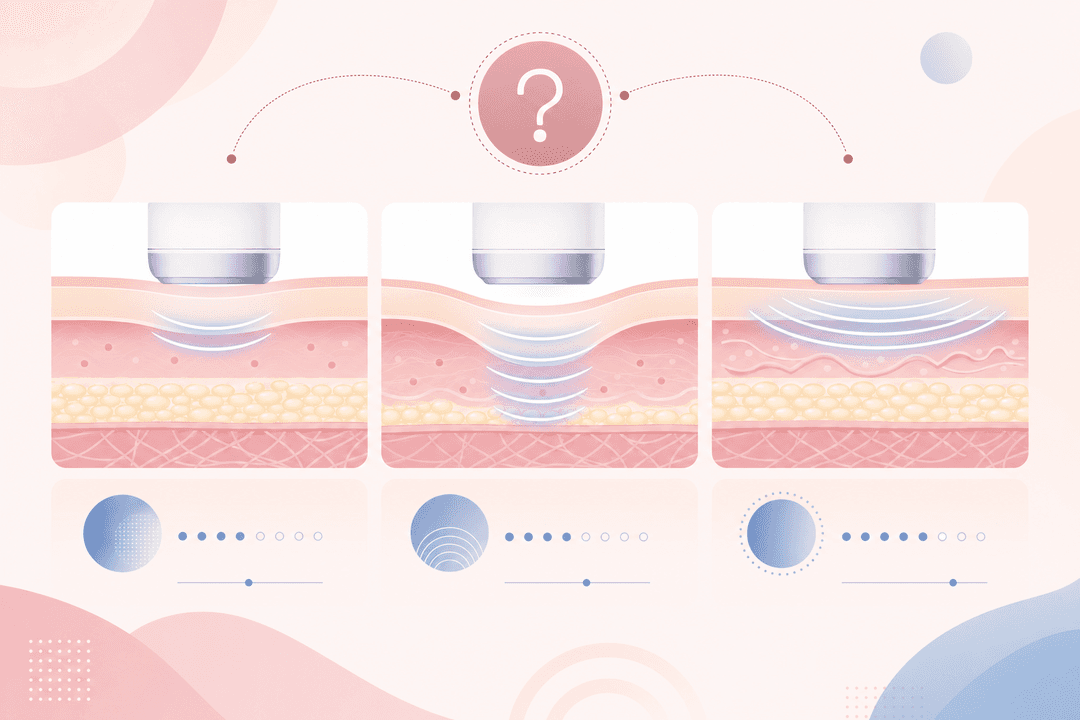
The first is a face with very little subcutaneous fat. InMode works by accumulating heat in the fat layer to shrink it, but if the skin thickness is less than 1.5mm, there's simply not enough target tissue, leading to a response rate that's over 40% lower. If you have a very lean face with skin seemingly just attached to bone, Ultherapy or thread lifting might be more suitable.
The second case is when the intervals between sessions are too short, like 1-2 weeks. Ignoring the collagen regeneration cycle and receiving treatments too frequently can actually overheat the tissue and slow down recovery. The recommended interval is 3-4 weeks; failing to adhere to this can result in only 2-3 sessions' worth of results even after 5 treatments.
The third is severe sagging after the late 40s. While InMode is effective for moderate sagging, it has limitations for severe sagging caused by gravity. If you already have sagging below the cheekbones and deep nasolabial folds, you should first consider thread lifting or a mini facelift surgery.
- Maximum response rate when subcutaneous fat thickness is 2mm or more
- Over 70% satisfaction rate when adhering to 3-4 week intervals per session
- Recommended for InMode alone up to early 40s, with thread lifting combination recommended from late 40s onwards
InMode vs. Ultherapy: Where's the Difference?
Both InMode and Ultherapy are non-invasive lifting procedures, but they differ in their depth of action and target tissues. Ultherapy uses HIFU (High-Intensity Focused Ultrasound) to reach 4.5mm deep into the dermis and the SMAS (Superficial Musculoaponeurotic System), receiving FDA approval in 2009.
InMode's primary mechanism is fat layer contraction, while Ultherapy's core function is SMAS lifting. Therefore, InMode is more suitable for those in their 30s with fuller cheeks and remaining elasticity, while Ultherapy is better for those in their late 40s experiencing gravitational sagging.
In terms of pain, Ultherapy is more intense. The ultrasound can reach the periosteum, causing a stinging and cold sensation, whereas InMode feels more like a prickling and burning sensation, manageable with numbing cream alone. Costs are around 200,000-300,000 KRW per session for InMode and 1,000,000-1,500,000 KRW for Ultherapy.
Clinical Insight According to a 2021 study presented by the Korean Dermatological Association, combining InMode and Ultherapy resulted in a 28% increase in satisfaction compared to single treatments. Targeting the fat layer with InMode and the SMAS with Ultherapy proved effective.
Side Effects: How Common Are They?
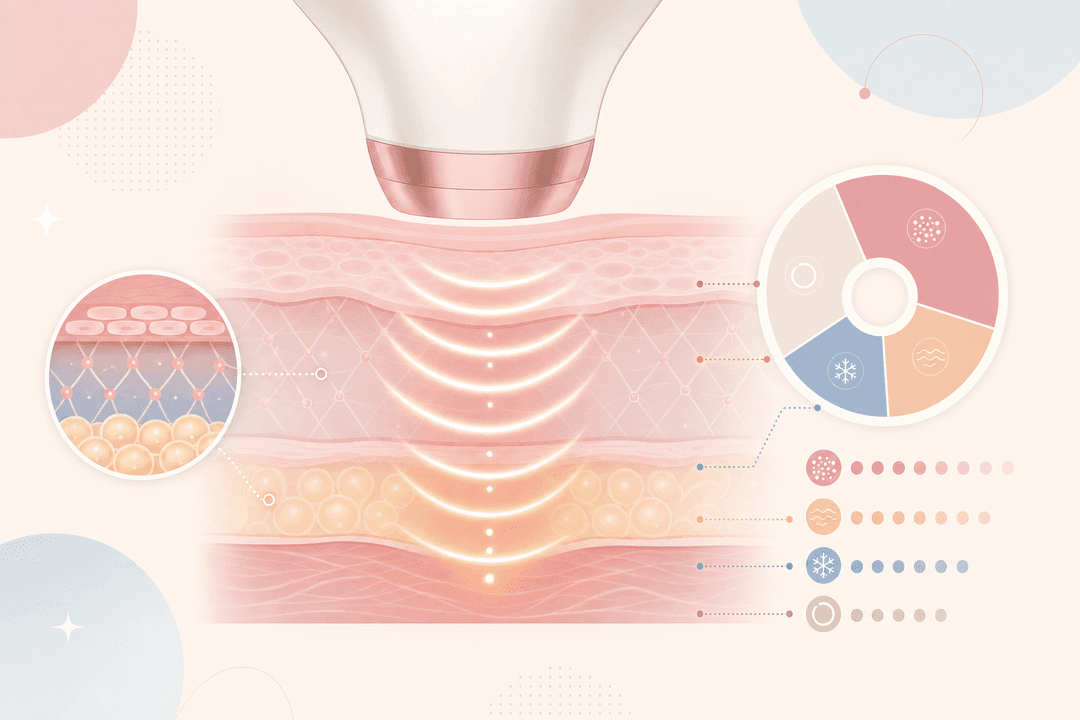
The most common side effects of InMode are temporary redness and swelling. You might experience a red and swollen face for 2-3 days after the procedure, which is a normal inflammatory response to heat stimulation. This typically subsides within 72 hours.
Rare cases of burns or pigmentation have been reported. These can occur if the energy settings are too high or if the skin type (melanin density) is not considered. The reported incidence in Korea is around 2-3%, and most cases occur with inexperienced practitioners.
Asymmetry or unevenness can also occur occasionally. Since InMode is a manual procedure (the handpiece is moved by hand), the practitioner's skill significantly influences the outcome. If energy is not delivered evenly, one side might contract excessively.
The risk of nerve damage is extremely low but not zero. The facial nerve runs through areas like the jawline and cheekbones, so depth control is crucial. If numbness or tingling persists for more than 3 days, immediate re-evaluation is necessary.
| Side Effect | Incidence | Duration | Management |
|---|---|---|---|
| Redness/Swelling | Over 80% | 2-3 days | Cold compresses, avoid irritants |
| Pigmentation | 2-3% | 2-6 months | Whitening creams, laser treatment |
| Burns/Blisters | Less than 1% | 1-2 weeks | Immediate re-evaluation, antibiotic ointment |
| Asymmetry | Below 5% | Potentially permanent | Re-treatment or filler correction |
Incidence of side effects may vary depending on practitioner experience and energy settings.
What You Should Know to Avoid Regret
First, InMode is a maintenance treatment. It's not a one-and-done procedure; after a 3-5 session package, touch-ups are needed every 6 months to a year. Even newly created collagen breaks down over time. You're likely to be disappointed if you're not prepared for ongoing maintenance.
Second, compare with photos. Many people don't notice changes when looking in the mirror. Take selfies from the same angle and lighting before the procedure, and retake them under the same conditions 4 weeks later. You'll likely see a slight lift in your jawline or a slimmer appearance in your cheeks.
Third, home care determines the results. For 2 weeks post-treatment, sun protection (SPF50+) and adequate hydration are essential. If the skin is dry during the collagen synthesis period, regeneration will be slower, and UV rays can stimulate melanin, leading to pigmentation.
Tip Light facial massages starting the day after treatment can help with lymphatic circulation and speed up swelling reduction. However, avoid pressing or rubbing forcefully. Just gently tap with your fingertips.
- Touch-ups needed every 6-12 months after completing a package
- Recommended to apply SPF50+ sunscreen at least twice daily
- Avoid saunas and strenuous exercise for 2 weeks post-treatment
So, Who Is It For?
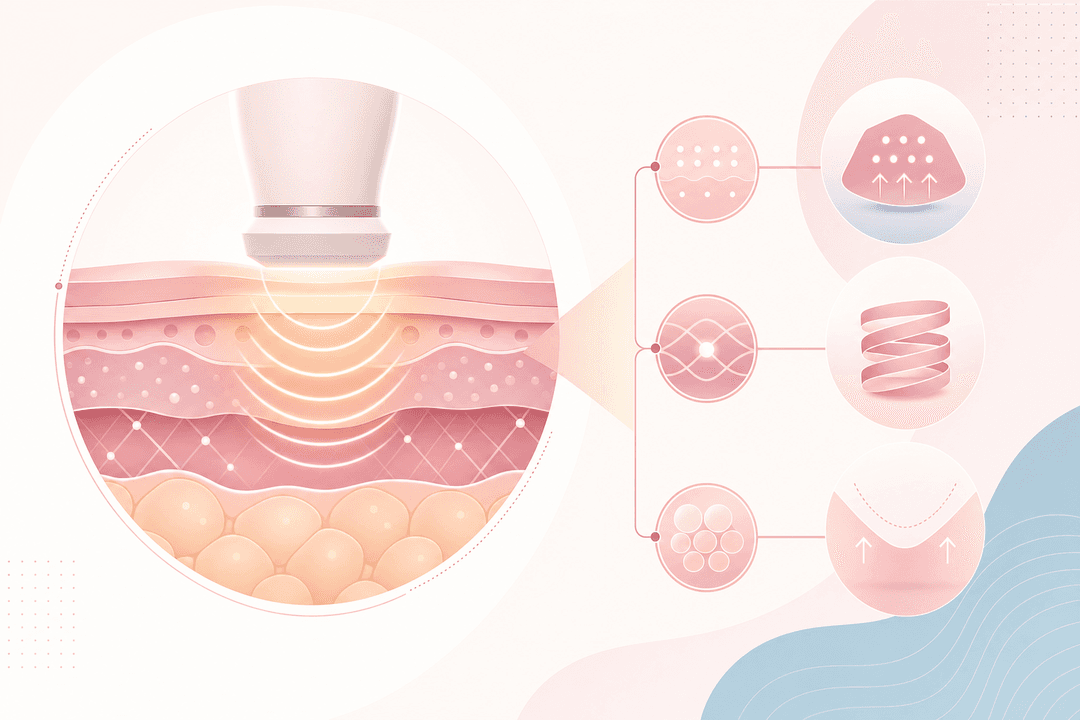
The ideal candidates for InMode are those in their early to mid-30s concerned about cheek fullness and double chin, but without severe sagging. If you have adequate subcutaneous fat and good skin elasticity, your satisfaction will increase with each session.
Conversely, if you're in your late 40s or older and experiencing significant gravitational sagging, InMode alone may not be sufficient. In such cases, it's more realistic to consider Ultherapy or thread lifting first, and use InMode as a complementary treatment for volume refinement.
If you're considering cost-effectiveness, packages are recommended. A 3-5 session bundle is cheaper per session than single treatments, and the clinic manages the treatment intervals, leading to higher satisfaction rates. However, it's best to receive treatments consistently at one clinic to accumulate energy setting history for personalized adjustments.
InMode vs. Ultherapy vs. Thread Lifting Comparison
InMode [Fat Layer Targeting]
- Depth of Action: 3-4mm in dermis
- Pain: Low (numbing cream)
- Recovery: 2-3 days
- Duration of Effects: 6-12 months
- Cost per Session: ₩200,000-₩300,000
Strong for refining cheeks and double chin. Recommended for early to mid-30s.
Ultherapy [SMAS Lifting]
- Depth of Action: 4.5mm in dermis (SMAS)
- Pain: High (sedation recommended)
- Recovery: 3-5 days
- Duration of Effects: 12-18 months
- Cost per Session: ₩1,000,000-₩1,500,000
Powerful for correcting gravitational sagging. Suitable for late 40s and above.
Thread Lifting [Mechanical Pulling]
- Mechanism of Action: Securing tissue with dissolvable threads
- Pain: Moderate (local anesthesia)
- Recovery: 5-7 days
- Duration of Effects: 12-24 months
- Cost per Session: ₩800,000-₩2,000,000
Immediate lifting effect. Most definitive for severe sagging.
What's Right for My Face?
Early to mid-30s, concerned only about cheeks and double chin
InMode 3-5 session package
Sufficient subcutaneous fat and minimal sagging make InMode alone most effective at this age.
Early 40s, good elasticity but jawline is losing definition
InMode + Ultherapy combination
Refine fat layer with InMode and lift SMAS with Ultherapy for maximum synergy.
Late 40s and beyond, hollowness under cheekbones + deep nasolabial folds
Thread lifting first, InMode as a supplement
Mechanical lifting is essential for gravitational sagging; InMode is used only for volume refinement.
Very thin skin and a lean facial structure
Ultherapy or Thread Lifting
Insufficient subcutaneous fat means InMode has limited target tissue and minimal effect. Switch to treatments targeting the SMAS.
Common Misconceptions
Myth InMode shows immediate results after just one session.
Truth Collagen regeneration begins 4-6 weeks later, so expecting immediate results leads to disappointment. This is why at least a 3-session package is recommended.
Myth The more frequently you get InMode, the faster the results.
Truth Shortening the interval to less than 3-4 weeks can actually overheat the tissue and slow down recovery, leading to counterproductive effects. Adhering to the collagen regeneration cycle is key for cumulative results.
Must-Knows Before Getting InMode
- Discontinue retinol, AHA, and BHA products 2 weeks prior to treatment (to prevent increased skin sensitivity).
- No makeup on the day of treatment; come with only sunscreen applied.
- Avoid saunas, steam rooms, and hot tubs for 72 hours post-treatment (to prevent overlapping heat stimulation).
- Avoid strenuous exercise and alcohol for 2 weeks post-treatment (increased blood flow can worsen swelling).
- Use SPF50+ sunscreen diligently for 4 weeks post-treatment if concerned about pigmentation.
Frequently Asked Questions
Can I stop after just one InMode session?
At least 3 sessions are recommended to feel the effects. One session is more for assessing tissue response, and cumulative effects become apparent from 3-5 sessions.
Can I get InMode and Botox at the same time?
It's possible, but it's safer to get Botox 2 weeks after InMode. Receiving them on the same day might affect Botox diffusion due to heat stimulation.
When can I wear makeup after InMode?
You can wear makeup the day after the procedure, but it's advisable to rest for 48 hours if possible. Only non-irritating base makeup is recommended.
How long do InMode results last?
Results last for about 6-12 months, after which touch-ups are needed. The duration can vary depending on lifestyle habits (sun protection, hydration).
How common are InMode side effects?
Redness and swelling occur in over 80% of cases but resolve naturally within 2-3 days. Burns or pigmentation occur in about 2-3% of cases, and the risk is lower with experienced practitioners.
Will InMode work for my thin face?
If you have very little subcutaneous fat, the effects will be limited. Ultherapy or thread lifting might be more suitable, so ask for a skin thickness measurement during your consultation.
This content is for informational purposes only and does not substitute medical advice. Always consult with a specialist before undergoing any procedure.