Which of the 5 exosome treatments is right for my skin?

- The reason why the same exosomes have a 3x price difference comes down to ingredient concentration.
- Exosome types are divided by extraction method and concentration, and your skin condition is the selection criterion.
- For sensitive skin, opt for plant-based; if rapid regeneration is needed, look for high-concentration stem cell-derived exosomes.
Information as of August 2026
Selection Criteria by Type
- Comparison of 5 types distributed in Korea
- 3 selection criteria by skin type
- Price difference up to 3x
The "Why is my skin like this?" Moment in Front of the Morning Mirror
It was a morning where my makeup wouldn't sit right and my pores were glaringly obvious. I'd tried laser treatments, and now I wondered if it was time to look into regenerative procedures, so I typed 'exosome' into the search bar.
However, clinics offer different types: 'plant-derived,' 'stem cell,' and 'high-concentration.'
Exosome types are broadly categorized by extraction method (plant/animal/stem cell) and concentration, with your skin's condition being the key selection criterion.
5 Types of Exosomes, Differing from Extraction Method
The exosomes currently distributed in Korea are total of 5 types: plant stem cell-derived (ASCE+, Rejuran Healer) / animal placenta-derived (ExoHill) / human adipose stem cell-derived (Exosome PDRN, Cellcure).
Different extraction methods result in variations in particle size and growth factor composition.
Plant-derived exosomes have smaller particles (30-50nm) for better penetration, while stem cell-derived exosomes are larger (80-150nm) but contain over 200 types of growth factors for diverse regenerative signals.
Sensitive skin types should start with plant-derived exosomes, while those seeking enhanced regeneration should consider stem cell-derived options.
Clinical Study: A 2023 report by the Korean Dermatological Association found that plant-derived exosomes had a 40% lower incidence of erythema compared to stem cell-derived exosomes, while stem cell-derived exosomes showed a 1.8 times higher increase in collagen density.
OX Quiz
Higher concentration of exosomes is always better.
Check Answer
X While higher concentrations offer greater effects per session, they are also up to 3 times more expensive. Receiving a medium concentration (3 billion/mL) in three separate sessions provides a 1.5 times longer duration than a single high-concentration session, making medium concentration more cost-effective.
Concentration and Price: The 3x Difference Explained
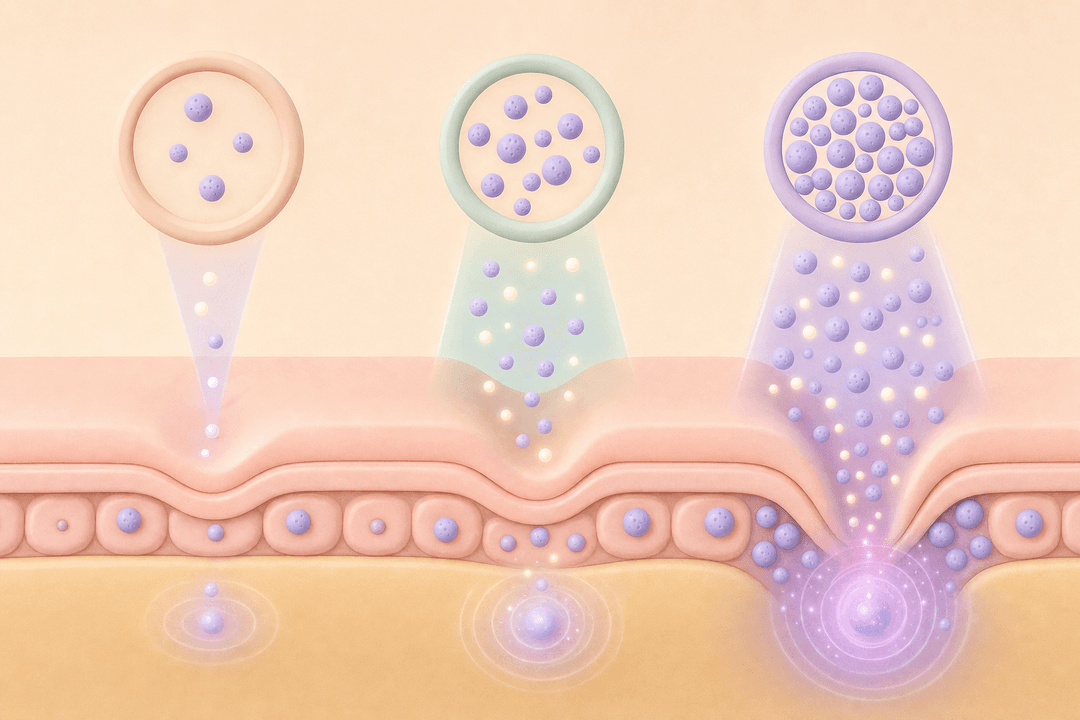
Even within the same stem cell-derived category, there's a 5-fold difference in concentration, ranging from 1 billion particles/mL to 5 billion particles/mL.
Higher concentrations yield greater effects per session, but prices can triple, from 200,000 KRW to 600,000 KRW per session.
With 3 billion particles/mL or more, skin elasticity is noticeably improved by week 2 after the first session, whereas less than 1 billion particles/mL requires 3-4 cumulative sessions.
If your budget is limited, receiving a medium concentration in three separate sessions offers a longer duration than a single high-concentration session.
| Product | Concentration | Price Range per Session | Recommended Sessions |
|---|---|---|---|
| ASCE+ (Plant-derived) | 1 billion/mL | 200,000-300,000 KRW | 4-5 sessions |
| Rejuran Healer | Undisclosed (Plant-derived) | 300,000-400,000 KRW | 3-4 sessions |
| ExoHill (Animal-derived) | 2 billion/mL | 350,000-450,000 KRW | 3 sessions |
| Exosome PDRN (Stem Cell) | 3 billion/mL | 400,000-500,000 KRW | 2-3 sessions |
| Cellcure (Stem Cell) | 5 billion/mL | 500,000-600,000 KRW | 2 sessions |
Costs may vary depending on the area, extent, and medical institution.
Selecting Based on Your Skin Type: Here's How
If you have sensitive skin or a history of atopy, start with plant-derived (ASCE+). Animal and human-derived exosomes have complex protein structures, leading to a reported 2-3% rate of allergic reactions.
For immediate concerns with pores and elasticity, opt for high-concentration stem cell-derived exosomes (Cellcure) for two sessions. For general maintenance, spreading out medium-concentration sessions is more economical.
Recovery time for all types is minimal, with redness subsiding within 24 hours, allowing a return to daily activities.
However, high-concentration stem cell treatments may cause minor swelling for 3-4 days, so it's advisable to avoid them a week before important events.
- Sensitive skin: Plant-derived; Regeneration: Stem cell 5 billion/mL
- 3 medium-concentration sessions last 1.5x longer than 1 high-concentration session
Exosome Selection Guide for Different Situations
If you have sensitive skin or a history of allergies
Start with plant stem cell-derived (ASCE+, Rejuran Healer) over 4-5 sessions.
If pore and elasticity improvement is urgent and budget allows
Focus on 2 sessions of high-concentration human stem cell-derived (Cellcure 5 billion/mL).
Misconceptions Debunked
Myth: All exosomes are the same, only the brands differ.
Truth: Extraction methods (plant/animal/stem cell) and concentrations (1-5 billion particles/mL) affect penetration, growth factor composition, and regeneration speed. There are significant differences in ingredients even within the 'exosome' category.
Things to Check Before Exosome Treatment
- Animal and human-derived products have a reported 2-3% allergy rate; patch testing is essential for sensitive skin.
- Avoid makeup, saunas, and alcohol for 24 hours post-treatment (vasodilation can prolong swelling).
- High-concentration stem cell treatments (5 billion/mL) can cause minor swelling for 3-4 days; avoid treatment a week before important events.
Frequently Asked Questions
Can I go to work immediately after an exosome treatment?
Redness subsides within 24 hours, allowing for work the next day. However, high-concentration stem cell treatments may cause minor swelling for 3-4 days, so it's best to avoid them before important events.
Are plant-derived exosomes less effective than stem cell-derived ones?
While stem cell-derived exosomes offer a wider range of regenerative signals, plant-derived exosomes have better penetration and a 40% lower allergy rate, making them a safer choice for sensitive skin.
What are the side effects of exosome treatments?
Animal and human-derived exosomes carry a 2-3% risk of allergic reactions, high concentrations can cause minor swelling for 3-4 days, and bruising at the injection site is rare. Patch testing before treatment can help mitigate these risks.
Lumi's Take
Choosing exosomes should be based on 'what your skin needs' rather than just the brand. If you have sensitive skin, start with plant-derived options. If regeneration is a priority, opt for high-concentration stem cell treatments but allow ample time for recovery. Feel free to come back anytime you have questions about treatments!
This content is for informational purposes only and does not substitute medical advice. Always consult with a specialist before undergoing any procedure.