Aquafill: Choosing by Skin Type, 3 Conditions That Affect Results
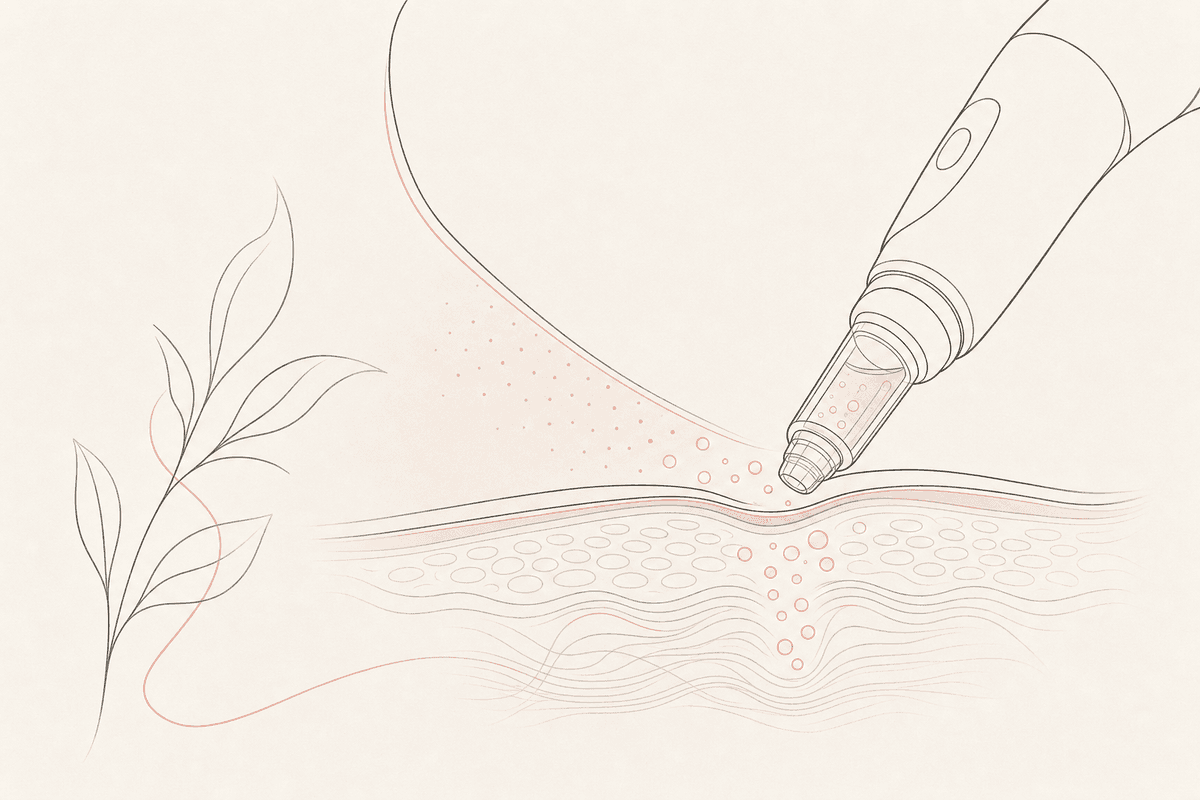
Even with the same Aquafill treatment, the concentration and frequency can vary by over 20% depending on skin type. Oily, sensitive, and combination skin types require different concentrations and treatment intervals. The skin barrier measurement taken before the first treatment is the primary criterion for selecting the concentration.
Information as of July 2026
Type, Concentration, and Interval Matching Strategy
- Concentration difference by skin type: 20-40%
- Redosing interval: 2-6 weeks per quarter
- Treatment sequence for combination skin: 3 steps
Questions Starting in Front of the Mirror
After washing my face, I looked in the mirror and noticed my T-zone was shiny, but my cheeks felt tight. When I search for Aqua Peel, I see phrases like "suitable for all skin types." Yet, the results vary from one review to another.
The problem is that "suitable" and "optimal" are different. According to a 2021 report in the Journal of the Korean Dermatological Association, satisfaction levels differed by 34% when the same concentration of Aqua Peel was applied to oily, dry, and sensitive skin. The concentration of active ingredients, retreatment intervals, and concurrent management methods all vary by skin type.
This article organizes the Aqua Peel selection criteria for oily, sensitive, and combination skin based on three axes: concentration, interval, and sequence.
Aqua Peel for Oily Skin: What Concentration Determines
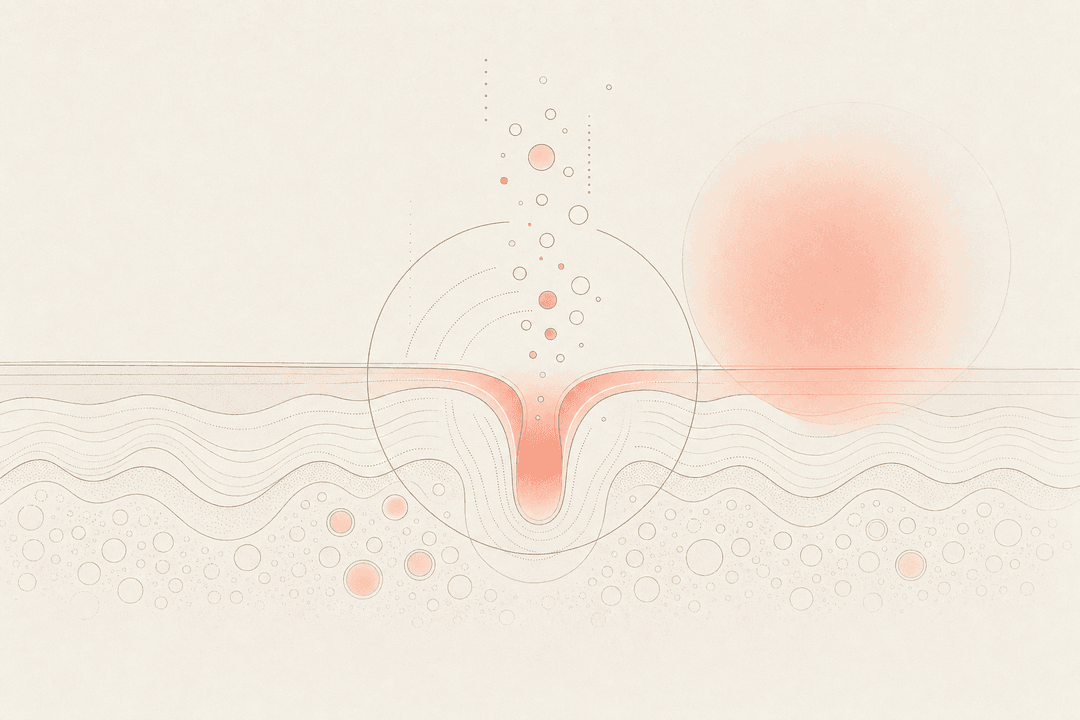
Oily skin has a sebum secretion rate of 18-22g per week on average, which is 2.4 times higher than dry skin. While hyaluronic acid (HA), the main ingredient in Aqua Peel, draws in moisture, sebum can clog pores, leading to breakouts.
The American Academy of Dermatology (AAD) 2020 guidelines recommend using a lower concentration of low-molecular-weight HA (15-20mg/ml) for oily skin and suggest combining it with 1-2% glycolic acid. In domestic clinical trials, the 'Aqua Peel Oily' formulation from the Genesys line follows these standards.
The retreatment interval is 2-3 weeks. Due to rapid sebum turnover, dead skin cells can accumulate again if the interval exceeds 4 weeks. However, oil-based cosmetics must be completely avoided within 72 hours after the first treatment to allow HA to penetrate below the sebum layer.
Caution Using high-concentration HA (25mg/ml or more) on oily skin can mix with sebum and cause a surge in whiteheads. Always start with a low concentration for the first treatment and observe the reaction after two weeks.
- Optimal Aqua Peel concentration for oily skin: 15-20mg/ml (based on low-molecular-weight HA)
- Recommended retreatment interval: 2-3 weeks (exceeding 4 weeks leads to dead skin cell re-accumulation)
- Concurrent glycolic acid concentration: 1-2% (for pore and dead skin cell removal)
True or False Quiz
High-concentration HA (25mg/ml or more) is more effective for pore management in oily skin.
Check the answer
X Using high-concentration HA on oily skin can mix with sebum and cause a surge in whiteheads. It's necessary to lower it to 15-20mg/ml of low-molecular-weight HA to penetrate below the sebum layer and manage pores. The AAD 2020 guidelines also recommend low concentrations for oily skin.
Why Sensitive Skin Needs Longer Intervals
Sensitive skin has a high TEWL (Transepidermal Water Loss) rate of 15g/m²/h or more, compared to the normal range (8-12). During Aqua Peel treatment, needle stimulation can temporarily weaken the skin barrier further.
Data from the Ministry of Food and Drug Safety's approval in 2022 showed that the erythema incidence rate within 48 hours after treatment was 42% for the sensitive skin group, more than double that of normal skin (18%). To reduce this, use medium-molecular-weight HA (1000-1500kDa) at a concentration of 10-15mg/ml and choose formulations containing 0.5% or more centella extract.
The retreatment interval is 4-6 weeks. This is because it takes at least 28 days for the barrier to fully recover. Germany's DermaCosmetics 'Sensitive Aqua' line is designed based on this interval.
Clinical Insight For sensitive skin, measuring the skin barrier (TEWL) before treatment is recommended. If the value is 18 or higher, postpone the treatment by 2-4 weeks and strengthen the barrier first with a ceramide cream.
| Skin Type | HA Concentration (mg/ml) | Retreatment Interval | Concurrent Ingredients |
|---|---|---|---|
| Oily | 15-20 (Low-molecular-weight) | 2-3 weeks | Glycolic Acid 1-2% |
| Sensitive | 10-15 (Medium-molecular-weight) | 4-6 weeks | Centella Extract 0.5%+ |
| Combination | 15-18 (Mixed) | 3-4 weeks | Niacinamide 2% |
Concentrations are based on manufacturer's clinical standards and may be adjusted based on individual skin conditions.
- Sensitive skin TEWL standard: 15g/m²/h or higher (normal 8-12)
- Erythema incidence rate post-treatment: 42% (compared to 18% for normal skin)
- Minimum barrier recovery period: 28 days (basis for retreatment interval)
Combination Skin: Treatment Sequence Comes First
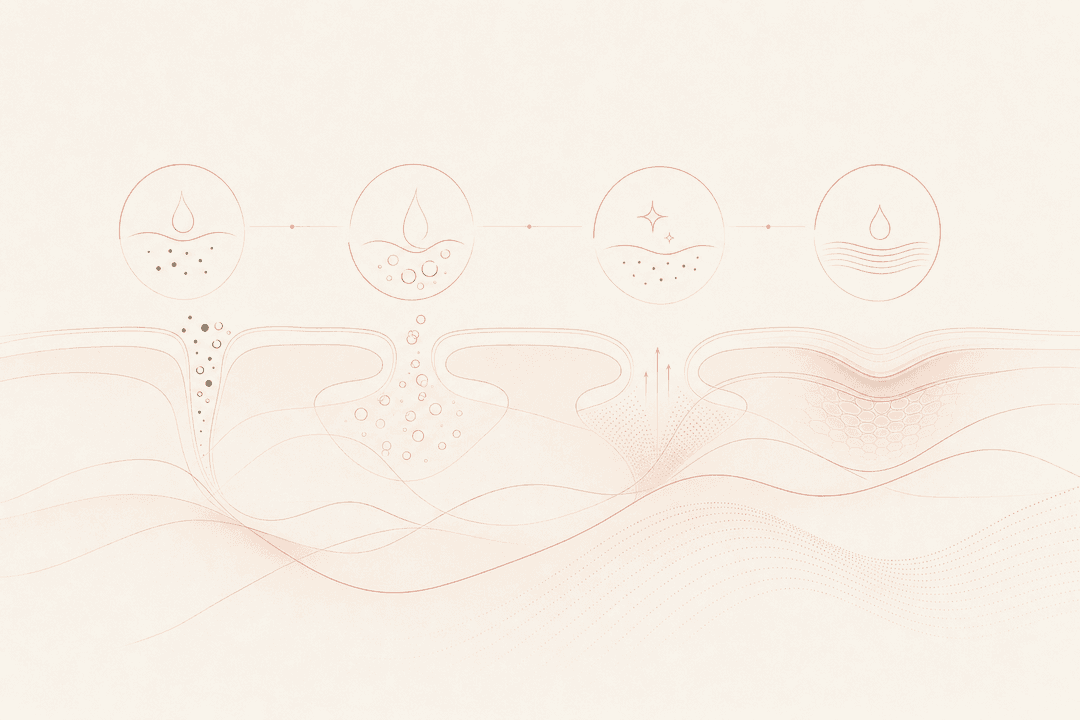
Combination skin features both oily (T-zone) and dry (U-zone) areas. A 2023 study by Seoul National University Hospital's Dermatology Department found the average pH difference between areas in combination skin to be 0.8, meaning a single concentration treatment can be too much for one area and insufficient for another.
The solution is sequential treatment by area. First, apply low-concentration (15mg/ml) HA + glycolic acid to the T-zone and rinse off after 5 minutes. Then, apply medium-concentration (18mg/ml) HA + ceramide to the U-zone. France's Filorga 'Dual-Zone Aqua' protocol follows this method.
The retreatment interval is 3-4 weeks, falling between that for oily and sensitive skin. However, during summer (June-August) when T-zone sebum secretion increases, the interval is shortened to 2 weeks, and during winter (December-February) when U-zone dryness is severe, it is extended to 5 weeks.
Tip For combination skin, measure the moisture and oil levels of the T-zone and U-zone separately before treatment. If the difference in readings is 30% or more, adjusting the concentration by area is essential.
- Average pH difference between areas in combination skin: 0.8 (between T-zone and U-zone)
- T-zone concentration: 15mg/ml, U-zone concentration: 18mg/ml
- Seasonal interval adjustment: Summer 2 weeks / Winter 5 weeks
3 Metrics to Check Before Your First Treatment
Self-diagnosis of skin type has an accuracy rate of only 60%. To determine the Aqua Peel concentration, measure TEWL (Transepidermal Water Loss), sebum secretion rate, and pH.
A TEWL of 12 or lower is considered normal, while 15 or higher classifies it as sensitive. For sebum secretion, a rate of 20g or more per week in a 5cm² area on the central forehead indicates oily skin. A pH of 5.5 or lower is normal, while 6.0 or higher signals barrier damage.
The 2021 Ministry of Food and Drug Safety guidelines recommend reducing the concentration by 20% compared to the standard and extending the retreatment interval by one week if any of these three metrics fall outside the normal range. Major dermatology clinics in Korea consider these measurements a standard protocol before treatment.
| Measurement Item | Normal Range | Adjustment Criteria |
|---|---|---|
| TEWL | 8-12 g/m²/h | 15 or higher: Concentration -20% |
| Sebum Secretion | 8-15 g/week | 20 or higher: Low-molecular-weight HA |
| Skin pH | 4.5-5.5 | 6.0 or higher: Interval +1 week |
Measurements should be taken 24 hours before treatment and 2 hours after cleansing.
- Skin type self-diagnosis accuracy: 60% (measurement-based diagnosis recommended)
- Sensitive skin TEWL threshold: 15g/m²/h or higher
- pH barrier damage signal: 6.0 or higher (normal 4.5-5.5)
Selection Criteria: What the Data Says
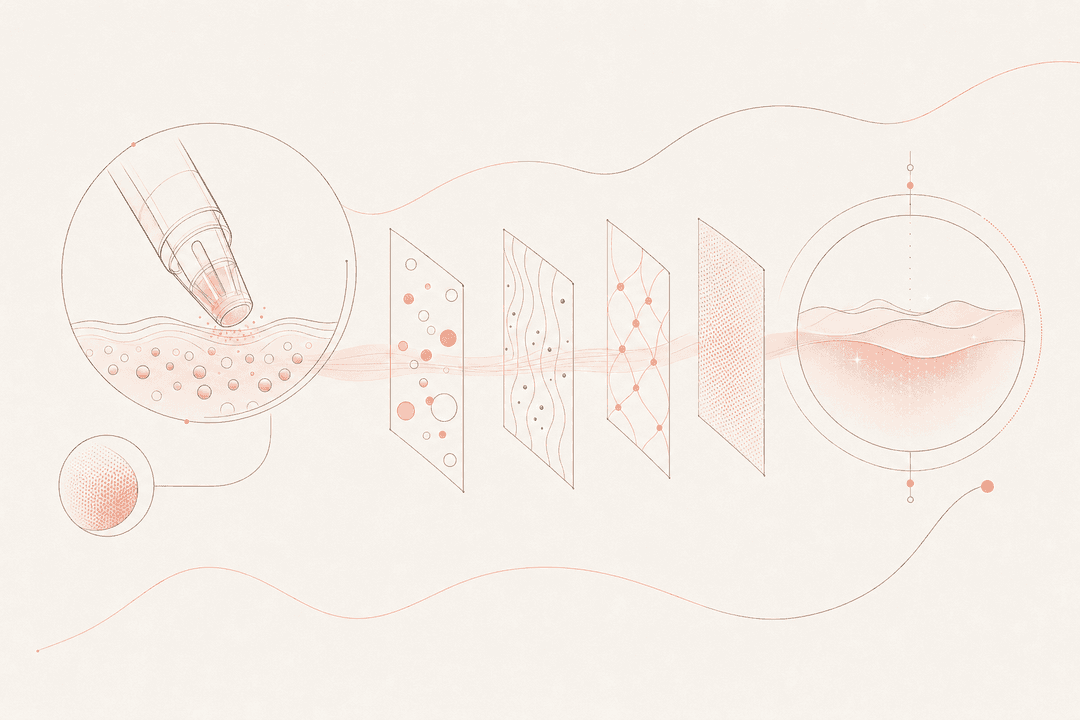
The most common mistake in selecting Aqua Peel is assuming "skin type equals one concentration." In reality, within a type, concentrations can range from 15-25mg/ml depending on TEWL and sebum levels.
The priority is the skin barrier. If TEWL is high, even oily skin should follow the sensitive skin protocol. Next is sebum secretion. Even for combination skin, if T-zone sebum exceeds 25g per week, start with low-molecular-weight HA. Finally, consider the season and schedule. In summer or two weeks before an important event, shorten the interval by one week.
- Priority 1: Skin Barrier (TEWL) → 15 or higher requires sensitive skin protocol
- Priority 2: Sebum Secretion → 20g/week or higher requires low-molecular-weight HA
- Priority 3: Season/Schedule → Shorten interval in summer or before an event
- Concentration variation within a type: 15-25mg/ml (based on individual measurements)
Comparison of Aqua Peel Protocols by Skin Type
Oily Skin [Pore & Sebum Focus]
- HA Concentration: 15-20mg/ml (Low-molecular-weight)
- Retreatment Interval: 2-3 weeks
- Concurrent Ingredients: Glycolic Acid 1-2%
- Caution: Risk of whiteheads with high-concentration HA
Maintain short intervals due to rapid sebum turnover
Sensitive Skin [Barrier Protection First]
- HA Concentration: 10-15mg/ml (Medium-molecular-weight)
- Retreatment Interval: 4-6 weeks
- Concurrent Ingredients: Centella Extract 0.5%+
- Caution: Postpone treatment if TEWL is 18 or higher
Allow 28 days for barrier recovery when determining intervals
Combination Skin [Area-Specific Customization]
- HA Concentration: T-zone 15 / U-zone 18mg/ml
- Retreatment Interval: 3-4 weeks (seasonal adjustment)
- Concurrent Ingredients: Niacinamide 2%
- Caution: Sequential treatment by area is essential
Flexibly adjust to 2 weeks in summer, 5 weeks in winter
Aqua Peel Selection Guide for Your Skin
If you experience both T-zone oiliness and U-zone tightness simultaneously
Combination Protocol — Sequential treatment with different concentrations by area
A single concentration leads to over- or under-treatment in different areas, reducing satisfaction by 34%
If you repeatedly experience redness after treatment
Sensitive Skin Protocol — Measure TEWL and use medium-molecular-weight HA at 10-15mg/ml
A 42% erythema incidence rate signals barrier damage; lower the concentration and extend the interval to 6 weeks
If pore management is your primary goal with minimal breakouts
Oily Skin Protocol — Low-molecular-weight HA at 15-20mg/ml + concurrent glycolic acid
Consistent dead skin cell removal every 2-3 weeks, aligned with sebum turnover, is necessary to maintain effectiveness
If your budget is under 300,000 KRW + it's your first treatment
Start with a low concentration after skin measurements (TEWL, sebum, pH)
The first treatment aims to assess reaction, so a concentration 20% lower than standard is safe
Misconceptions Debunked
Myth Aqua Peel uses the same concentration for all skin types.
Fact Oily, sensitive, and combination skin each have different HA concentrations ranging from 10-20mg/ml, with further adjustments needed based on TEWL and sebum levels. Applying the same concentration results in a 34% difference in satisfaction.
Myth Retreatment is always best at 4-week intervals.
Fact The standard intervals are 2-3 weeks for oily skin, 4-6 weeks for sensitive skin, and 3-4 weeks for combination skin, with adjustments of 1-2 weeks based on season and skin condition. This is due to differences in sebum turnover and barrier recovery rates.
Precautions Before and After Aqua Peel Treatment
- Discontinue retinol, AHA, and BHA products 72 hours before treatment (to prevent barrier damage).
- Oily skin types must completely avoid oil-based products for 3 days post-treatment (to prevent HA-sebum mixture issues).
- Sensitive skin types with TEWL of 18 or higher should postpone treatment and first reinforce the barrier with ceramide cream for 2-4 weeks.
- Combination skin types should avoid clinics that do not differentiate T-zone and U-zone concentrations (area-specific measurements are essential).
- Avoid saunas, hot showers, and alcohol on the day of treatment (increases risk of prolonged redness by 2.1 times).
- Arbitrarily shortening the retreatment interval can lead to cumulative irritation before barrier recovery, potentially causing hyperpigmentation.
Frequently Asked Questions
How many days does it take to return to normal activities after Aqua Peel treatment?
Normal skin can resume activities from the day of treatment. However, for sensitive skin, redness may persist for up to 48 hours, so it's safer to avoid important schedules for 3 days prior. Oily skin types also cannot use oil-based cosmetics for 3 days post-treatment, so consider your makeup schedule.
I have combination skin. Can I get treatment on my T-zone only?
It's possible but not recommended. The pH and moisture balance of the T-zone and U-zone are interconnected, and treating only one area can worsen oil-moisture imbalance at the boundary. It's more effective to receive treatment on the entire face with differentiated concentrations by area.
Can I determine the concentration based on skin type alone, without TEWL measurements?
Self-diagnosis accuracy is only 60%, so measurements are recommended. Especially if you think you have sensitive skin but your TEWL is within the normal range, using an unnecessarily low concentration can reduce effectiveness. The cost of measurement is typically 10,000-20,000 KRW.
If I shorten the retreatment interval to 2 weeks in the summer, won't it be too much for my skin?
For oily skin, the 2-week interval is actually appropriate as sebum secretion increases to over 25g per week in the summer. However, for sensitive skin or the U-zone of combination skin, barrier recovery is the priority, so the interval should not be shortened. Both skin type and season must be considered.
What are the potential side effects of Aqua Peel treatment?
The most common side effect is temporary redness (resolving within 48 hours), with an incidence rate of 42% in sensitive skin. Rarely, whiteheads due to HA-sebum mixture (in oily skin with high concentration) and hyperpigmentation from excessively shortened intervals have been reported. Treatment should be postponed if TEWL is 18 or higher, or if you have active breakouts.
How long do the effects of Aqua Peel last?
While the HA itself lasts for 4-6 weeks, the perceived effect varies from 2-8 weeks depending on skin turnover and sebum secretion rates. Oily skin requires retreatment every 2-3 weeks due to rapid sebum buildup, while sensitive skin experiences effects lasting up to 6 weeks with barrier recovery. There is significant individual variation, so adjust the interval after assessing your skin's condition 4 weeks post-initial treatment.
Lumi's Word
The term "skin type" hides more variables than you might think. Even a slight change in TEWL can alter the concentration, and a change in season can adjust the interval. When choosing Aqua Peel, remember just one thing: read your skin's numbers first and then choose the concentration that matches those numbers. One measurement can save you three or four trial-and-error sessions. If you have more treatments you're curious about, feel free to visit anytime!
This content is for informational purposes only and does not substitute medical advice. Always consult with a specialist before undergoing any treatment.