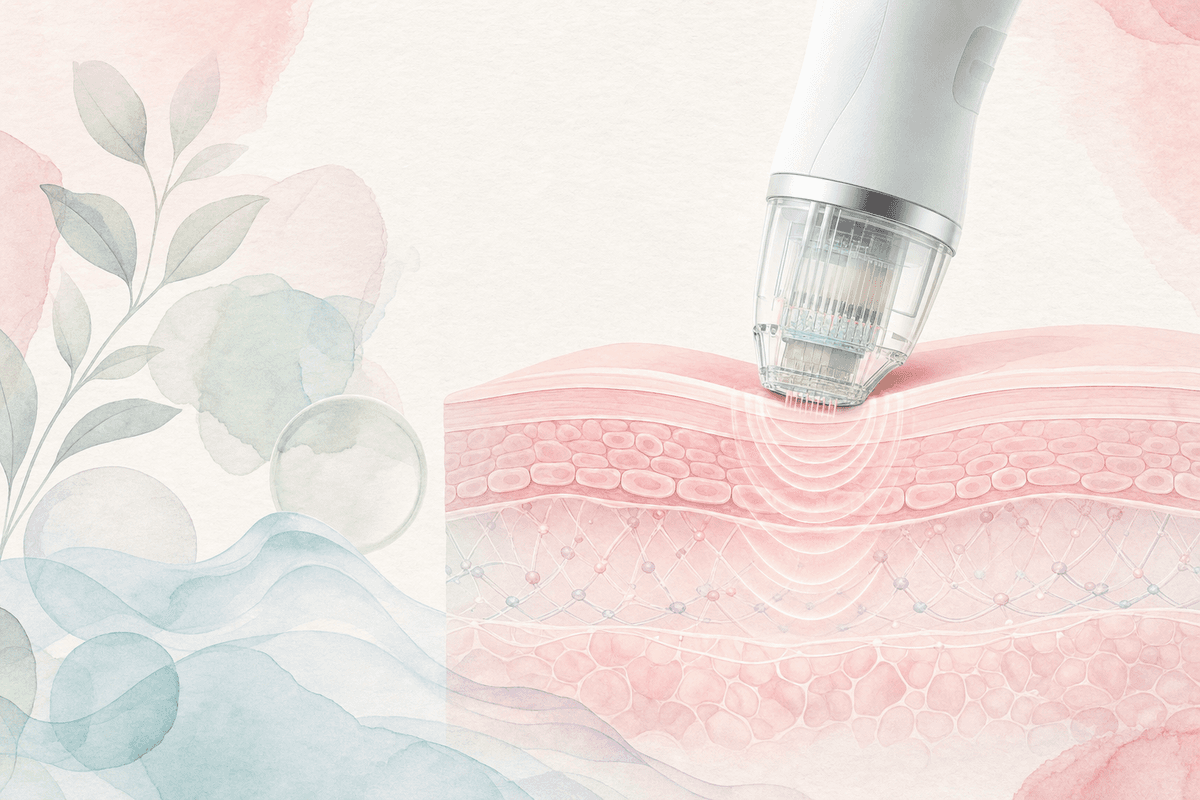
5 Reasons Why Aquafill is Trending Right Now, and How It Differs from Existing Hydration Treatments
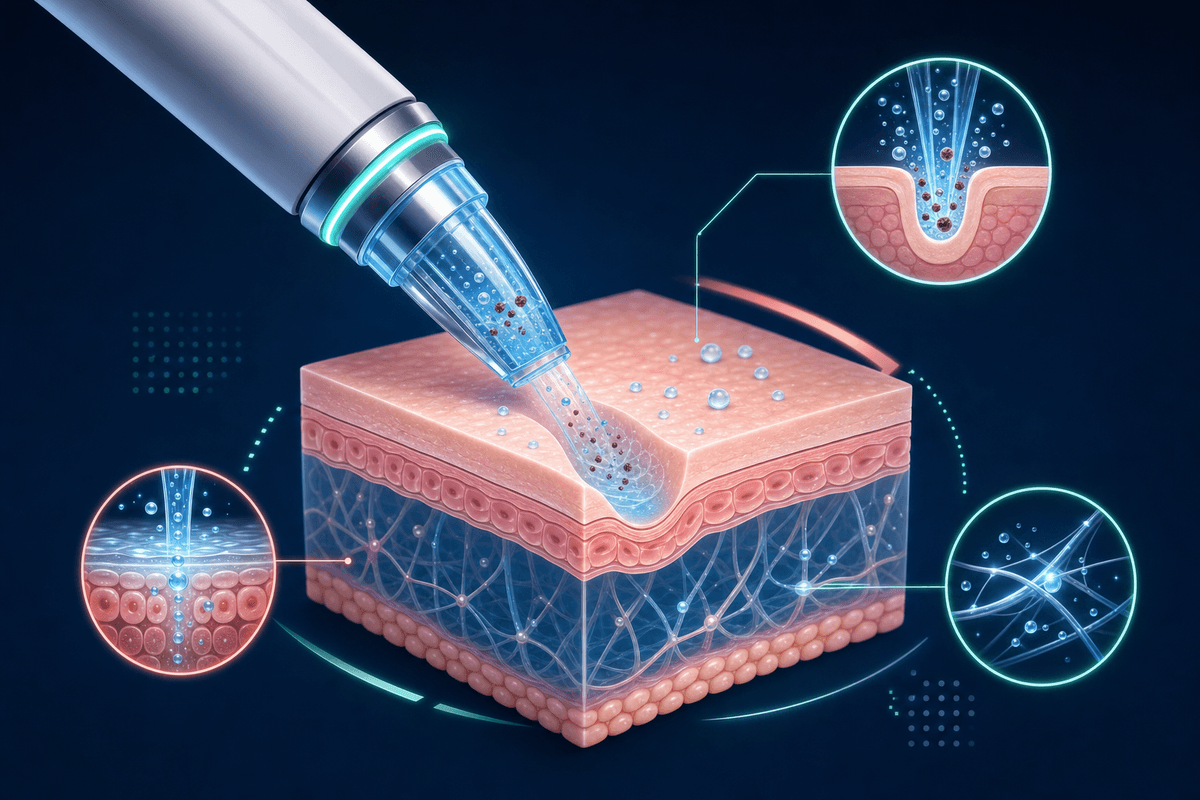
- Vacuum pressure technology and ingredient combinations different from existing hydration management, confirmed by numbers
- 5 technical backgrounds for Aquafill's rise as a key hydration treatment since 2021
- Comparison of vacuum pressure, ingredients, and target layers differentiating it from HydraFacial
Information as of August 2026
New Equipment and Ingredient Trends
- Average annual increase of 42% in domestic procedures since 2021
- 3 times higher exfoliation rate compared to existing hydration treatments
- Equipment with 15 levels of vacuum pressure control released
It was barely heard of in 2019, why the sudden surge?
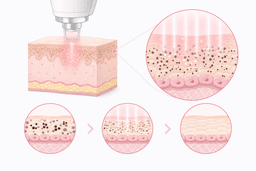
Everyone knows Aqua Peel as just a 'hydration infusion treatment'. But the real reason it's so popular lately isn't the hydration. With vacuum pressure control technology becoming more refined to 15 levels since 2020, it's now possible to simultaneously control exfoliation and serum penetration.
As of 2019, its share of domestic procedures was around 10%. However, starting from 2021, it has seen an average annual increase of 42%, becoming the most frequently booked menu among hydration treatments. The number of devices approved by the Ministry of Food and Drug Safety also increased from 3 in 2020 to 12 in 2023.
There's a part that advertisements don't mention. Aqua Peel's popularity has risen not so much because of 'great results', but because the emergence of devices that allow for step-by-step customization has enabled clinics to set up treatments with much greater detail. Therefore, in this article, I'll organize the information from the perspective of 'what has technically changed'.
Reason ① 15-level vacuum pressure control: Why it's a game-changer
Before 2020, devices had fixed vacuum pressure levels of 3-5. This meant sensitive skin couldn't receive the treatment at all, or people with thick dead skin cells didn't see much effect. But with new equipment like HydraFacial Syndeo and Aqua Peel MD Pro released in 2021 supporting 15-level settings, pressure can now be adjusted in millimeter increments based on skin thickness and sensitivity.
The vacuum pressure typically contacts the skin for 3-7 seconds, and depending on this pressure intensity, the depth of exfoliation can range from 0.02mm (stratum corneum, superficial layer) to 0.05mm (stratum granulosum, upper part). At the 2022 Symposium of the Korean Dermatological Association, it was reported that 'the 15-level adjustable group showed an average 68% improvement in exfoliation rate compared to the 5-level fixed group'.
So, even with the same Aqua Peel treatment today, the perceived experience can vary completely depending on which clinic uses which level of equipment. In the past, people thought 'all Aqua Peels are similar', but now we're in an era where the generation of equipment dictates the results.
Key Takeaway As of 2023, approximately 60% of domestic dermatology clinics have equipment with 10 or more adjustable levels. Asking 'how many levels can be adjusted?' during your consultation is a practical question.
OX Quiz
Aqua Peel promotes dermal collagen production, improving wrinkles.
Check the answer
X Aqua Peel only affects the stratum corneum of the epidermis. Dermal collagen production is the domain of laser (Fraxel, Potenza) and lifting procedures. Aqua Peel targets skin texture, pores, and immediate hydration. If you were expecting wrinkle improvement, a combination with other treatments is necessary.
Reason ② Serum ingredients have truly changed — The hyaluronic acid molecular weight war
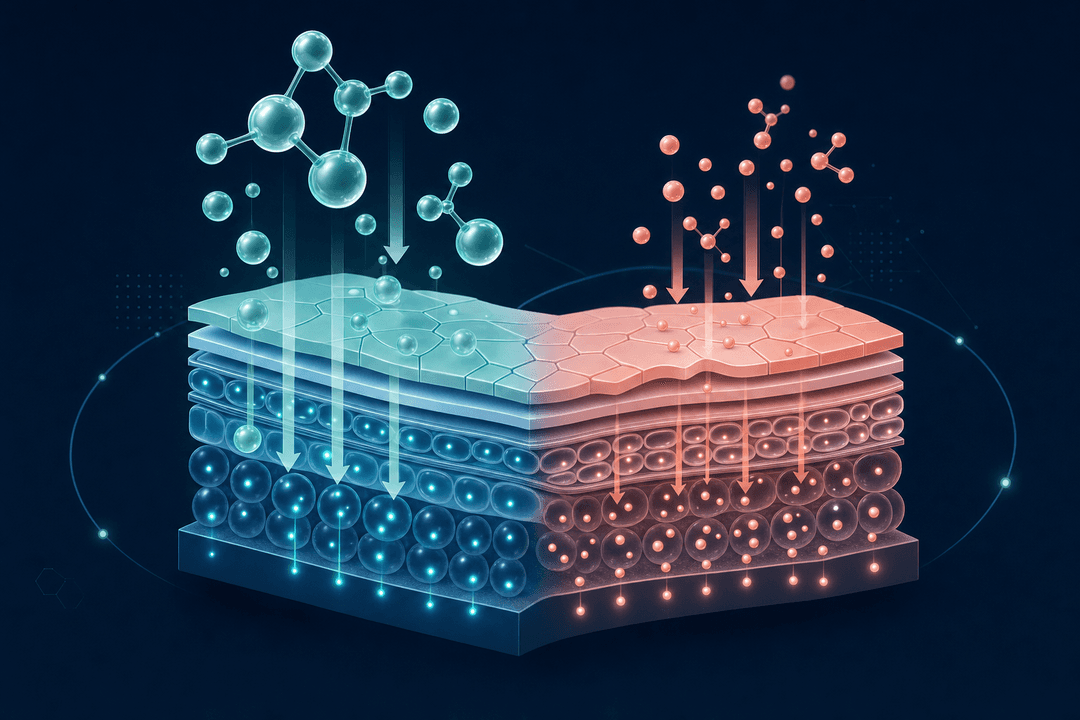
In the past, Aqua Peel serums were merely 'moisturizers'. But since 2021, products featuring a triple blend of low, medium, and high molecular weight hyaluronic acid have emerged, making it possible to layer hydration from the epidermis down to the upper and middle dermis.
Low molecular weight hyaluronic acid (1,000 Da or less) has a dermal penetration rate of about 40%, while high molecular weight (1,000,000 Da or more) forms a barrier on the epidermis to prevent moisture evaporation. A 2022 domestic clinical study reported that 'skin moisture retention 24 hours after using the triple-blend serum was an average of 2.3 times higher compared to single-molecule serums'.
Additionally, custom ampoules mixed with functional ingredients like 5% niacinamide and 0.04% adenosine have increased. This means Aqua Peel is no longer just a 'hydration-only' treatment; it has become a multi-care solution that can simultaneously target whitening, wrinkles, and pores depending on the serum combination.
- Low molecular weight HA (1,000 Da or less) dermal penetration rate: approx. 40%
- Skin moisture retention 24 hours after using triple-blend serum: 2.3 times higher
- Custom ampoules containing 5% niacinamide: 35% domestic market share (2023)
Reason ③ The difference with HydraFacial — The secret of tip structure
Aren't HydraFacial and Aqua Peel pretty much the same? The key actually lies in the tip design. HydraFacial uses a spiral vortex tip (Vortex Fusion) to lift away dead skin cells, whereas Aqua Peel uses a jet stream method to directly spray water and push out dead skin cells.
The jet stream has a smaller contact area, making it more effective for clogged pores with sebum. A comparative study by the Dermatology Department of Seoul National University Hospital in 2021 confirmed that 'Aqua Peel showed an average of 34% higher pore dead skin cell removal rate compared to HydraFacial'. Conversely, the spiral tip of HydraFacial is more advantageous for exfoliating larger areas of dead skin.
Therefore, nowadays, the choice is less about 'which is better' and more about whether your skin concern is pores or overall dead skin. Aqua Peel's rising trend is due to the surge in demand for pore targeting among those in their late twenties to thirties.
| Category | Aqua Peel | HydraFacial |
|---|---|---|
| Tip Structure | Jet Stream (Direct Spray) | Spiral Vortex |
| Exfoliation Method | Pushed away by water stream | Sucked up by vacuum |
| Pore Dead Skin Cell Removal Rate | Approx. 68% | Approx. 50% |
| Large Area Exfoliation | Normal | Excellent |
| Typical Cost | ₩100,000 - ₩150,000 | ₩120,000 - ₩180,000 |
Costs may vary depending on region, medical institution, and serum type.
Reason ④ All-in-one protocol — From cleansing to soothing in one go

In the past, hydration treatments involved separate steps like 'cleansing → exfoliation → hydration mask'. Aqua Peel completes four steps with one device in 15-20 minutes. It proceeds in the order of deep cleansing (0.5% salicylic acid) → dead skin dissolution (10% glycolic acid) → serum infusion → soothing (2% allantoin) by simply changing the tips.
In a 2022 survey of five dermatology clinics in Gangnam, 'reduced procedure time' was ranked as the second reason for choosing Aqua Peel (the primary reason being immediate hydration). Its popularity surge is also attributed to its establishment as a 'lunchtime procedure' that office workers can get during their break.
Honestly, purely in terms of effectiveness, receiving each step deeply and separately might be better. However, for people who are realistically short on time, this all-in-one structure is a significant advantage. The market has shifted towards convenience over effectiveness.
Tip Makeup is possible 2-3 hours after the procedure. However, avoid using peeling agents or retinol products on the same day. The stratum corneum is thin, so irritation can be amplified.
Reason ⑤ SNS before-and-after photos look genuinely good — The secret to instant radiance
If you search for 'Aqua Peel reviews' on Instagram, you'll find a huge number of photos taken immediately after the procedure. This is not a coincidence. As 0.02-0.05mm of dead skin is removed, the light reflectivity immediately increases. A 2023 spectrophotometric experiment by Yonsei University's Dermatology Department confirmed an 'average 42% increase in skin glossiness within 30 minutes after the procedure'.
When hyaluronic acid serum fills the gaps in the stratum corneum, the skin surface becomes smoother, making it appear particularly radiant under lighting. This effect lasts for approximately 48-72 hours, which is the perfect timing for SNS selfies.
From a marketing perspective, Aqua Peel is one of the few procedures where 'immediate results' can be visually confirmed. Laser or lifting treatments show gradual results, but with Aqua Peel, you can see a difference in the mirror right after the procedure, naturally leading to accumulated reviews. This has been the core driving force behind its word-of-mouth spread since 2021.
- Average 42% increase in skin glossiness within 30 minutes post-procedure (Yonsei University spectrophotometric experiment)
- Instant radiance effect duration: 48-72 hours
- Instagram hashtag #아쿠아필 (Aqua Peel) increased 3.8 times from 2021 to 2023
But keep this in mind — Differences in effectiveness by skin type

This is where it gets real. Aqua Peel isn't suitable for all skin types. While oily and combination skin types see significant benefits from dead skin and sebum removal, dry and sensitive skin types should focus on the hydration infusion effect. The choice of vacuum pressure intensity differs here.
A 2022 cohort study by the Dermatology Department of The Catholic University of Korea reported that 'in dry skin groups using vacuum pressure of level 10 or higher, the incidence of itching within 48 hours was 23%'. Conversely, weaker settings of 5-7 levels may not provide sufficient exfoliation for oily skin.
And there's one more thing that advertisements don't tell you. Since Aqua Peel only affects the stratum corneum of the epidermis, it's best not to expect dermal collagen production. Wrinkles and elasticity are the domain of lasers and lifting treatments; Aqua Peel targets skin texture, pores, and immediate hydration.
Caution Avoid the procedure during active inflammation of atopic dermatitis or acne. Exfoliation can irritate the inflammation. It is safe to consult with a specialist after the inflammation has subsided.
Comparison of 3 Hydration Treatments
Aqua Peel [Pores + Instant Radiance]
- Jet stream method
- 15 levels of vacuum pressure control
- Procedure time: 15-20 minutes
- Immediate glossiness increase: +42%
For those prioritizing pore dead skin removal & lunchtime procedures
HydraFacial [Large Area Exfoliation]
- Spiral vortex tip
- 3 fixed pressure levels
- Procedure time: 30-40 minutes
- Excellent for large-area dead skin removal
For those aiming for overall skin texture improvement
Oxygen Scaling [Suitable for Sensitive Skin]
- Oxygen bubble method
- No vacuum pressure
- Procedure time: 20-25 minutes
- Minimal irritation
Tailored for dry and sensitive skin
Selection guide by my skin concerns
Pores + sebum are main concerns, late 20s - 30s
Aqua Peel (10-12 level vacuum pressure)
Jet stream is most effective with 68% pore dead skin cell removal rate for clogged pores
Overall skin texture improvement, 40s and above
HydraFacial
Spiral tip evenly refines large areas of dead skin, prioritizing smooth skin texture
Dry, sensitive skin, need for minimal irritation
Aqua Peel (5-7 level gentle setting) or Oxygen Scaling
Maintain itching incidence below 10% with reduced vacuum pressure or no pressure
Budget under ₩100,000, time constraints
Aqua Peel (basic serum)
Excellent time-efficiency with all-in-one protocol within 15 minutes
Common Misconceptions
Misconception Getting Aqua Peel permanently shrinks pores.
Truth Pores appear temporarily smaller because dead skin is removed, making them clean. The effect typically lasts 2-3 weeks. Permanent pore reduction is the domain of lasers (Fraxel, Potenza). Maintenance is possible with regular treatments (every 3-4 weeks).
Misconception It's exactly the same as HydraFacial.
Truth The tip structure is different. Aqua Peel uses a jet stream (direct spray), while HydraFacial uses a spiral vortex. The choice depends on whether you're targeting pores or overall dead skin.
Must Check Before Procedure
- For atopic dermatitis and active acne inflammation, exfoliation can worsen inflammation — proceed after inflammation subsides.
- Do not use peeling agents (AHA/BHA) or retinol products on the same day — the stratum corneum is thin.
- Avoid saunas and strenuous exercise for 2-3 days after the procedure — risk of bacterial infection if pores expand.
- For dry skin, using vacuum pressure above level 10 can cause itching in 23% of cases — request a weaker setting of levels 5-7.
- Possible during pregnancy and breastfeeding, but consultation with a specialist is essential for serum ingredients (e.g., niacinamide).
Frequently Asked Questions
How many sessions are needed to see results?
You'll feel the immediate radiance and hydration after just one session. However, for lasting effects like pore reduction, regular treatments every 3-4 weeks for 3-5 sessions are necessary to prevent dead skin buildup. If you only get one session, the effects will revert in 2-3 weeks.
Why is it cheaper than HydraFacial?
It's due to differences in equipment import costs and tip replacement expenses. HydraFacial is exclusively supplied by Edge Systems in the US, leading to higher tip costs, while Aqua Peel has seen price reductions due to competition among various domestic and international manufacturers. The difference is due to the distribution structure, not necessarily the effectiveness.
Is Aqua Peel possible the day after a laser treatment?
It depends on the type of laser. Gentle lasers like toning can be done after 3-5 days, but lasers that cause scabbing, such as Fraxel or Pico lasers, are safe to undergo at least 2 weeks later. Applying vacuum pressure before the skin barrier recovers carries a risk of hyperpigmentation.
Is it normal for my skin to be red after the procedure?
It's temporary redness caused by the vacuum pressure. It typically subsides within 1-2 hours. If it lasts until the next day, the pressure was too high. Sensitive skin types should request a lower setting for their next treatment.
Are there any side effects or complications?
Most cases are safe, but in dry skin using strong vacuum pressure above level 10, itching within 48 hours was reported in 23% of cases, and rarely, excessive damage to the stratum corneum leading to contact dermatitis has been reported. Consultation with a specialist is essential for atopic dermatitis, active acne, and during pregnancy. Thorough sun protection is required for 2-3 days after the procedure.
Can I achieve similar results with at-home devices?
At-home devices have vacuum pressure levels that are only 20-30% of medical devices. While they can exfoliate the surface, they have limitations in removing sebum deep within pores. It's realistic to combine regular clinic treatments with at-home care for maintenance.
Lumi's Take
Aqua Peel's popularity stems not from 'new effects' but from 'increased technological detail'. The combination of 15-level vacuum pressure, triple-blend serums, and a 15-minute all-in-one protocol has ushered in an era where treatments can be 'customized precisely for my skin'. Rather than chasing trends, you'll likely find greater satisfaction by first clarifying whether your concern is pores or overall skin texture before your consultation. If you have more questions about procedures, feel free to visit anytime!
This content is for informational purposes only and does not substitute medical advice. Always consult with a specialist before undergoing any procedure.