Thread Lift vs Ulthera·Thermage, Selection Criteria Based on 3 Differences

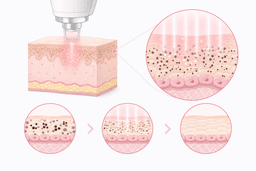
Ulthera (HIFU) reaches the SMAS layer to a depth of 4.5mm to induce structural lifting, whereas thread lifting focuses on collagen regeneration centered on the dermis layer (1.5–3.0mm). Thermage (RF) provides a tightening effect by uniformly heating a wide area from the epidermis to the dermis, and pain intensity is in the order of Ulthera > Thread Lifting > Thermage. Prevention in the early 30s…
Energy Source, Layer, and Duration of Effects: A Comparison
- Energy penetration depth difference: 1.5-4.5mm
- Duration of effects: 6-18 months
- FDA approval year: 2009-2015
Different from the Start: HIFU vs. RF Mechanisms of Action
The most common question we hear in clinics is, "Aren't they all just for lifting?" The short answer is that the way they deliver energy is fundamentally different.
Both Ultherapy and Silhouette Soft use HIFU (High-Intensity Focused Ultrasound) technology. This principle involves concentrating ultrasound waves to a single point, creating thermal coagulation points at 65-70℃. This thermal damage then stimulates collagen regeneration. Ultherapy, approved by the FDA in 2009, is considered the pioneer of ultrasound lifting.
In contrast, Thermage utilizes RF (Radio Frequency) technology. When high-frequency waves are applied to the skin, the moisture within the dermis generates resistance heat, causing it to warm up to 55-65℃. Instead of deeply targeting a single point like HIFU, it heats a wider area uniformly.
The clinical differences are clear. HIFU causes tissue contraction through "point-by-point coagulation," while RF tightens collagen fibers through "area-by-area heating." This explains why the skin reacts differently even with the same lifting procedure.
Clinical Insight According to a presentation at the Korean Dermatological Association in 2022, Heat Shock Protein (HSP) expression peaks within 72 hours after HIFU treatment, followed by sustained collagen synthesis for three months.
- Ultherapy: HIFU method, FDA approved in 2009
- Silhouette Soft: HIFU method, produced by multiple domestic manufacturers
- Thermage: RF method, FDA approved in 2002 (based on initial models)
Penetration Depth Determines Results: Targeting Different Skin Layers
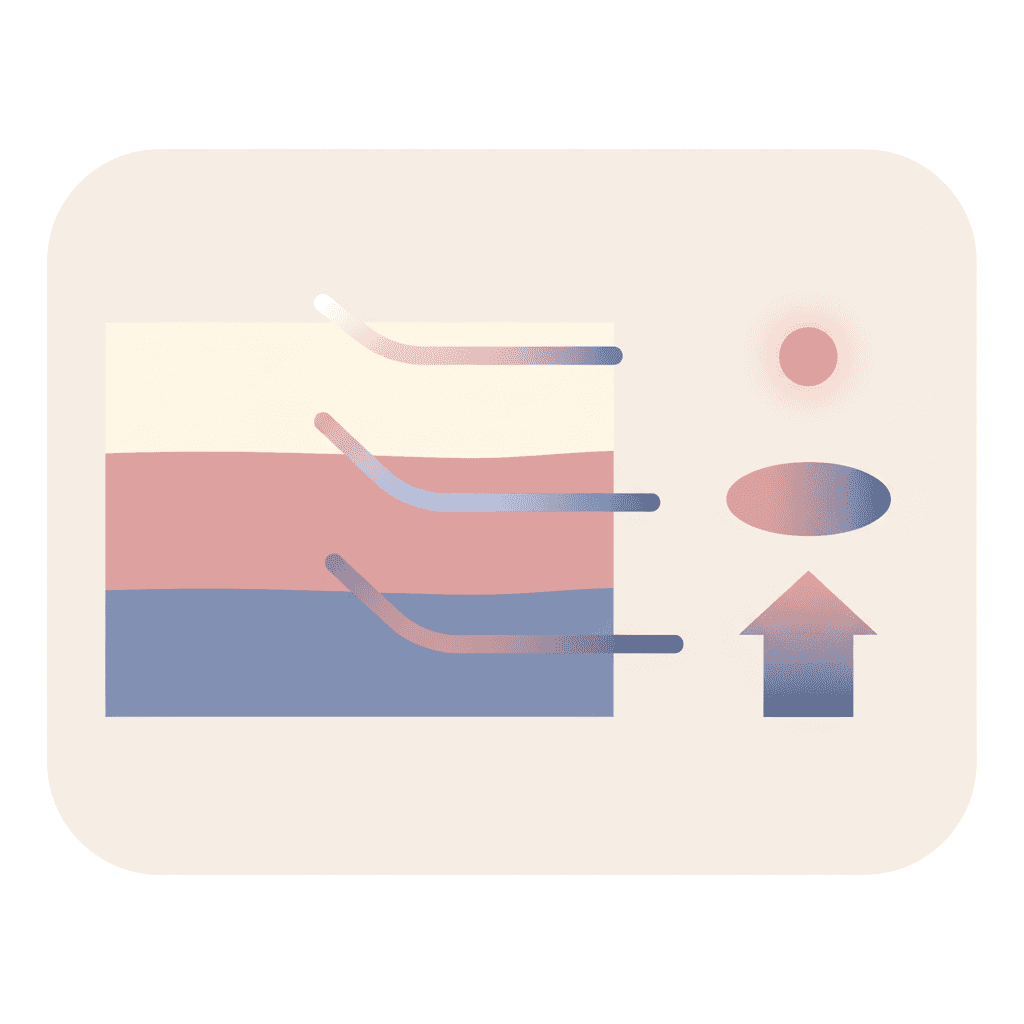
Even within HIFU, Ultherapy and Silhouette Soft differ in their "reach." Ultherapy covers from the epidermis down to the SMAS layer with three cartridges: 1.5mm, 3.0mm, and 4.5mm.
The 4.5mm depth targets the very fascial layer that is lifted during surgical facelifts. When viewed with ultrasound imaging, you can actually see the SMAS layer contracting. Non-surgical procedures that can reach this layer are virtually limited to Ultherapy.
Silhouette Soft primarily targets the dermis with two cartridges, 1.5mm and 3.0mm. While some products offer a 4.5mm cartridge, clinical practice predominantly focuses on dermal targeting protocols.
Thermage uses a tip-replacement system rather than cartridges, and the energy is dispersed broadly from the epidermis to about 2-3mm into the dermis. The key here is "uniform heating per area" rather than depth.
Consequently, for structural lifting like jawline contouring, 4.5mm Ultherapy is ideal. For fine lines and skin texture improvement, 1.5-3.0mm Silhouette Soft or Thermage are more effective.
| Procedure | Primary Penetration Depth | Target Tissue Layer | Representative Indications |
|---|---|---|---|
| Ultherapy | 1.5 / 3.0 / 4.5mm | Dermis + SMAS Fascia | Jawline/Cheek Sagging |
| Silhouette Soft | 1.5 / 3.0mm | Primarily Dermis | Fine Lines, Skin Texture |
| Thermage | 2-3mm dispersed | Epidermis-Dermis | Overall Tightening |
- SMAS layer location: Approximately 4.5mm deep from the skin surface
- Dermis thickness: Average 1-3mm
- Ultherapy 4.5mm cartridge: Energy density 0.25-1.2J
Pain Intensity: A Variable Affecting Patient Satisfaction
Frankly, Ultherapy hurts. This is because when the HIFU energy is concentrated at a single point, the heat can reach the periosteum. Many people report a sharp pain, especially when the energy passes over the cheekbones or jawbone.
Silhouette Soft, while also using HIFU, often allows for lower pain levels due to adjustable energy density and shot intervals on many devices. Of course, increasing the output can make it comparable to Ultherapy, but generally, it's considered "manageable."
Thermage applies heat while a cooling system (cryogen spray) is active, resulting in the lowest perceived pain. The Thermage FLX model, released in 2017, even added a vibration function, significantly reducing discomfort.
For those with a low pain threshold or prominent bone structure, anesthetic cream or sedation may be used. However, it's important to note that HIFU's periosteal stimulation is the root cause, and anesthesia cannot completely block it.
Tip If pain is a concern, a staged approach might be beneficial: start with Silhouette Soft, and if results are insufficient, consider Ultherapy.
- Ultherapy average pain score: VAS 6-7/10
- Silhouette Soft: VAS 4-5/10
- Thermage FLX: VAS 3-4/10
Duration of Effects and Retreatment Intervals

Ultherapy typically shows effects lasting 12-18 months after a single treatment. The contraction of the SMAS layer causes structural changes, leading to a relatively long duration of results.
Silhouette Soft's primary mechanism is dermal collagen regeneration, so its effects last about 6-12 months. However, there can be significant individual variation, as well as differences depending on output, number of shots, and practitioner skill.
Thermage averages 8-12 months, with variations depending on skin thickness and age. For individuals over 40, "booster treatments" every six months are sometimes recommended.
The typical retreatment intervals are 12-18 months for Ultherapy, 6-12 months for Silhouette Soft, and 8-12 months for Thermage. However, retreatment within three months on the same area can increase the risk of cumulative thermal damage, so always consult with a specialist.
Caution Repeating treatments at intervals of 1-2 months due to perceived weak results can lead to dermal fibrosis or hyperpigmentation. Ensure a minimum interval of three months.
- Ultherapy duration of effects: 12-18 months
- Silhouette Soft duration of effects: 6-12 months
- Thermage duration of effects: 8-12 months
Choosing Based on Age and Concerns: Which Procedure is Right for You?
For those in their late twenties to early thirties who are looking for preventative measures before significant sagging occurs, Silhouette Soft is the top choice. Dermal collagen regeneration is sufficient at this stage. It also involves less pain and a quicker recovery.
For individuals in their mid-to-late thirties to early forties, if the jawline is becoming less defined and cheeks are starting to droop, consider Ultherapy. This stage requires stimulating the SMAS layer for structural improvement.
For those in their mid-to-late forties and older, if the primary concern is overall skin laxity and texture rather than distinct sagging, Thermage is effective. Uniform tightening of a wider area tends to look more natural at this age.
If you're a working professional, recovery time is also a factor. Ultherapy may cause swelling or bruising for 1-3 days immediately after the procedure, while Silhouette Soft and Thermage allow for a return to daily activities on the same day.
At K-Dia, you can compare procedure options that suit your skin condition and lifestyle. Remember that even for the same procedure, equipment generations and protocols can vary by clinic.
| Age Group | Primary Concerns | Top Choice Procedure | Second Choice Combination |
|---|---|---|---|
| Late 20s - Early 30s | Prevention, Fine Lines | Silhouette Soft | Silhouette Soft + Botox |
| Mid-to-Late 30s - Early 40s | Jawline/Cheek Sagging | Ultherapy | Ultherapy + Filler |
| Mid-40s and Older | Overall Sagging, Texture | Thermage | Thermage + Silhouette Soft |
- Silhouette Soft preference among 20s-30s: Approx. 62% (2023 Korean dermatology clinic survey)
- Ultherapy satisfaction among 40s+: Approx. 74%
- Thermage retreatment rate: Approx. 68%
Clinic Selection Checklist: Equipment Generation and Expertise

Not all Ultherapy devices are created equal. There have been multiple generations since the first in 2009, up to Ultherapy Prime in 2020. The type of cartridges and whether the firmware has been updated affect the results.
Silhouette Soft is even more diverse, with over ten manufacturers in Korea alone. Even within HIFU, the focal depth, energy per shot, and pulse speed vary. It's crucial to confirm the device name and its FDA or MFDS (Ministry of Food and Drug Safety) certification.
Thermage primarily uses two generations: CPT and FLX. The FLX model features enhanced vibration and cooling functions for less pain. If a clinic uses the older CPT model, reconsider even if the price is attractive.
Practitioner expertise is also key. With HIFU, even a 1mm deviation in shot angle or spacing can halve the effectiveness. It's advisable to inquire about the annual number of procedures performed or the practitioner's qualifications.
At K-Dia, you can compare the equipment generations and patient reviews for different clinics at a glance. Don't make your decision based on price alone; consider the equipment and care system together.
Key Takeaway Request to see the genuine Ultherapy certification mark (Merz hologram) and serial number before your procedure. Counterfeit equipment cases are frequently reported.
- Ultherapy Prime: Launched in 2020, 30% less pain compared to previous models
- Thermage FLX: Launched in 2017, enhanced vibration compared to CPT
- MFDS certification for domestic HIFU devices: Approx. 15 types (as of 2024)
Ultherapy vs. Silhouette Soft vs. Thermage: Key Comparison
Ultherapy [HIFU · Structural Lifting]
- Energy: Focused Ultrasound 65-70℃
- Penetration Depth: 1.5 / 3.0 / 4.5mm
- Duration of Effects: 12-18 months
- Pain: VAS 6-7/10
- Recovery: 1-3 days potential swelling
Reaches SMAS layer, optimal for jawline/cheek sagging
Silhouette Soft [HIFU · Dermal Targeting]
- Energy: Focused Ultrasound 65-70℃
- Penetration Depth: 1.5 / 3.0mm
- Duration of Effects: 6-12 months
- Pain: VAS 4-5/10
- Recovery: Return to daily activities same day
Focuses on dermal collagen regeneration, preventative for 20s-30s
Thermage [RF · Area Tightening]
- Energy: Radiofrequency Heating 55-65℃
- Penetration Depth: 2-3mm dispersed
- Duration of Effects: 8-12 months
- Pain: VAS 3-4/10
- Recovery: Return to daily activities same day
Uniform heating over a wide area, improves overall texture
Common Misconceptions
Myth All HIFU treatments are the same, and Ultherapy is just expensive.
Truth Ultherapy is the only FDA-approved HIFU that reaches the SMAS layer with its 4.5mm cartridge. Silhouette Soft primarily targets the 1.5-3.0mm dermal layer, so the targets are different. The price difference stems from equipment performance and the accumulation of clinical data over time.
Myth Thermage has weak effects, so it's only for young people.
Truth Thermage targets "areas" rather than "points" like HIFU, making it strong for overall skin tightening rather than structural lifting. It's often recommended as a first choice for individuals over 40 seeking improvement in overall sagging and texture.
Must-Check Items Before Treatment
- Do not repeat treatment on the same area within 3 months – risk of dermal fibrosis and hyperpigmentation.
- Verify the genuine Ultherapy certification mark (Merz hologram) and cartridge serial number.
- Not suitable for pregnant or breastfeeding individuals, those with dermatitis or keloid tendencies, or areas with implanted metal prosthetics.
- Avoid alcohol and saunas on the day of treatment; avoid strong sun exposure for a week.
- Excessively increasing output or shot count can lead to burns or nerve damage.
Frequently Asked Questions
If I don't see results after one Ultherapy session, should I do it again?
Collagen synthesis peaks 2-3 months after Ultherapy, so you need to wait at least three months to assess the final results. If results are insufficient, consider retreatment after 12 months or a combination with fillers.
Why is there such a big price difference for Silhouette Soft between clinics?
Silhouette Soft has various manufacturers, and costs differ based on equipment generation, number of shots, and cartridge types. If a price is excessively low, it might involve older equipment or insufficient shots, so always confirm the device name and protocol.
When can I wear makeup after Thermage?
You can wear makeup immediately after the procedure. However, it's safer to use only gentle, cooling products on the day of treatment and resume regular makeup the following day.
Can I receive all three treatments on the same day?
Combining multiple lifting procedures on the same day can increase the risk of burns or nerve damage due to cumulative heat. It's common to perform Ultherapy and Thermage on different areas or space them out by at least one month.
If the effects only last six months, isn't it inefficient for the cost?
Silhouette Soft and Thermage promote dermal collagen regeneration, so regular treatments lead to cumulative effects. A strategy of twice-yearly maintenance treatments can consistently improve skin elasticity.
If I'm older, will Ultherapy still be effective?
Even for individuals over 50, Ultherapy can be effective if the SMAS layer is still present. However, if skin elasticity has significantly decreased, combining it with surgical lifting or first replenishing volume with fillers might be more effective.
This content is for informational purposes only and does not substitute for medical advice. Always consult with a specialist before undergoing any procedure.