Thread Lift·Ulthera·Thermage, What is right for my sagging?
K-Dia EditorLast updated · 48 minutes ago2,8409 min read
- Even with the same 'lifting', the layers reached differ by 1.5mm.
- The target depths of ultrasound, radiofrequency, and threads determine the duration of the effect.
- Selection criteria change completely depending on the location of sagging.
Information as of August 2026
Comparison of Depth, Target Audience, and Recovery Differences
Target depth: 1.5mm~4.5mm
Duration: 6~18 months
Recovery period: Same day~7 days
Do all lifting procedures feel the same? Only half is true.
If you thought all lifting procedures simply lift sagging skin, you're only half right. The skin layers they reach differ by 1.5mm to 4.5mm.
Treating only the epidermis is a completely different procedure than penetrating the fascial layer.
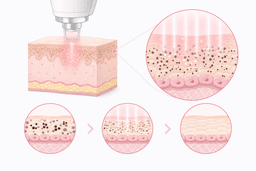
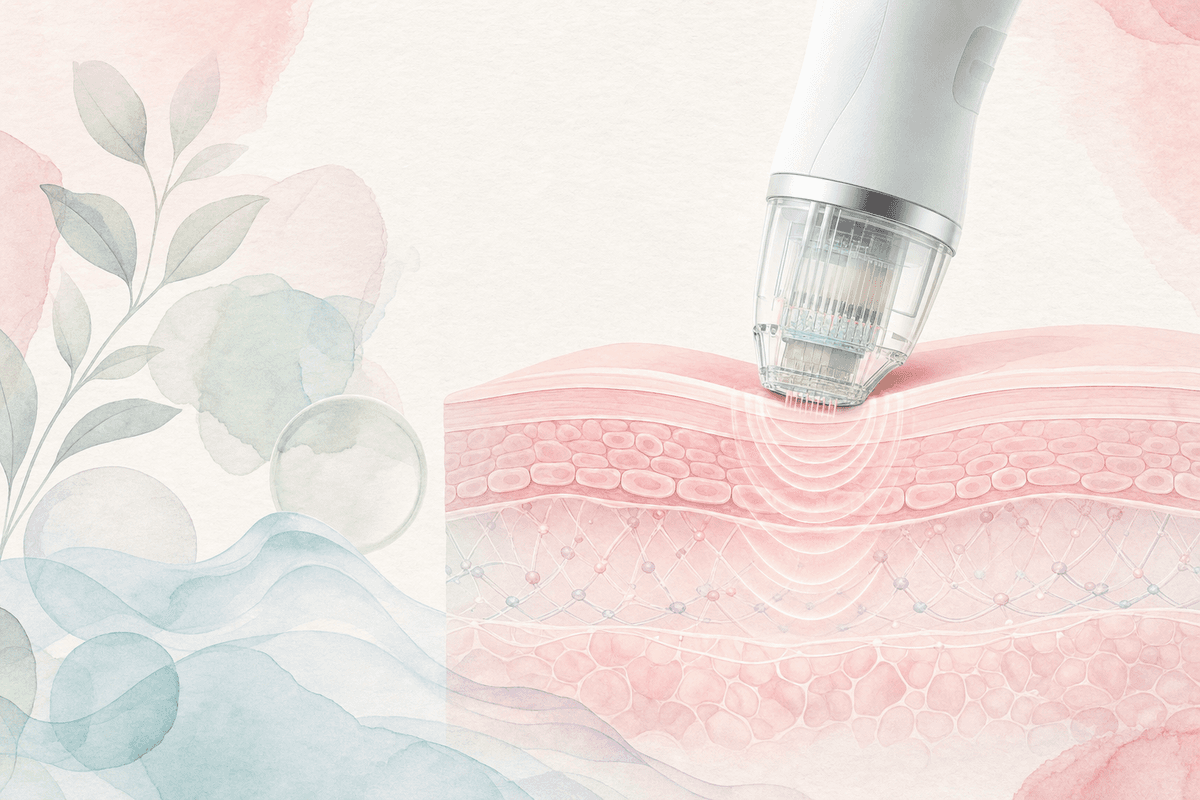
Thread lifts insert threads into the dermis at 1.5-3mm to physically pull, while Ultherapy uses ultrasound to provide thermal stimulation up to the 4.5mm fascial layer (SMAS, the thin membrane surrounding the muscles beneath the skin).
Thermage uses radiofrequency to contract collagen in the 2-3mm dermis. Since the targets differ, the duration of effects also varies from 6 months to 18 months.
Ultrasound or Radiofrequency: What's the Real Difference?
Ultherapy focuses ultrasound to a single point, delivering heat of 65-70°C at a depth of 4.5mm. It precisely targets and tightens even invisible layers.
This makes it strong for deep sagging in areas like the jawline and neck. However, it is the most painful of the three procedures.
Thermage uses radiofrequency that spreads broadly, warming the entire dermis. Because the heat is dispersed, it's less painful, but the immediate lifting effect is weaker than Ultherapy.
Instead, collagen gradually fills in over three months, creating volume. Thread lifts use threads themselves to pull without heat, resulting in the fastest recovery and allowing for customized line design.
OX Quiz
Ultherapy lasts longer than Thermage.
X Ultherapy lasts longer, 12-18 months. Thermage lasts about 6-12 months. Deeper penetration leads to longer-lasting collagen regeneration.
Your Sagging Location Dictates Your Choice
If your jawline is undefined and neck wrinkles are deep, Ultherapy is the top choice. You need to reach the fascial layer to address this depth of sagging.
For sagging of the cheekbones and mid-face, Thermage is sufficient and less painful.
If you want to specifically lift a certain line, like nasolabial folds, thread lifting is the answer. This is because the placement and angle of the threads can be designed.
However, threads dissolve after 6-12 months, reducing their effect. So, while not always advertised, Ultherapy (12-18 months) has the longest duration of effect.
Caution: None of these three procedures are "one-and-done." Collagen diminishes over time, so maintenance treatments are needed every 6 months to a year.
Realistic Choices Considering Recovery and Cost
Thread lifting offers the fastest recovery. If there's no bruising, makeup can be applied the same day.
Ultherapy and Thermage cause swelling immediately after the procedure, but most people can return to daily activities within 3-5 days. Ultherapy may leave a tingling sensation for a week.
Costs vary depending on the area and number of shots, but generally range from 300,000-800,000 KRW for thread lifts, 800,000-1,500,000 KRW for Thermage, and 1,500,000-2,500,000 KRW for Ultherapy.
While the cost per session is lower for threads, when you factor in Ultherapy's 18-month duration over a two-year period, the cost per session becomes similar.
Ultherapy 12-18 months vs. Threads 6-12 months
Pain ranking: Ultherapy > Thermage > Threads
Decision Guide Based on Your Sagging Situation
If your jawline is sagging and neck wrinkles are deep
Ultherapy, targeting a depth of 4.5mm
This depth of sagging requires reaching the fascial layer to lift.
If only your cheekbones and mid-face are sagging and you're concerned about pain
Start with Thermage
Treating the dermis is sufficient, and the pain burden is lower.
Common Misconceptions
Myth: Lifting results last for several years after one treatment.
Truth: Collagen diminishes over time. Even Ultherapy requires maintenance treatments after 12-18 months. If you expect permanent results, you need to adjust your expectations.
Must Check Before Your Procedure
Cannot be performed if pregnant, breastfeeding, or have a keloid tendency.
Avoid saunas and high-temperature environments for one week after Ultherapy/Thermage (to prevent inflammation).
Avoid excessive facial expressions and chewing for two weeks after thread lifting (to prevent thread displacement).
Frequently Asked Questions
Which of the three procedures is least painful?
Thread lifting. There's no heat stimulation, and only local anesthesia is used, so there's almost no pain during the procedure.
What are the side effects of Ultherapy?
Temporary swelling, tingling, and bruising are common. Rarely, facial nerve damage (drooping of the mouth corners) has been reported. Choosing a skilled medical professional is crucial.
Is it true that thread lifting effects only last 6 months?
It depends on the type of thread. PDO threads last about 6 months, and PCL threads last up to 12 months, but it's true that they are shorter-lasting than Ultherapy.
Lumi's Word
Even with the same "lifting" procedure, if the layers reached are different, it's a completely different treatment. Whether it's the jawline or the cheeks, pain or duration—if you decide on your priorities first, the answer becomes clear. You have many concerns, right? Take your time to compare :)
This content is for informational purposes only and does not substitute for medical advice. Always consult with a specialist before undergoing any procedure.
Find a Clinic That's Right for You on K-Dia