7 Post-Cataract Surgery Care Tips, Step-by-Step Guide by Timing
K-Dia EditorJust published10 min read
- What determines recovery speed isn't the number of times you apply eye drops, but the order of practice at each stage.
- The first 72 hours of management determine the next 6 months of recovery.
- Missing your check-up schedule can lead to a late diagnosis of secondary cataracts.
Information as of November 2026
Eye Drop, Protection, and Check-up Timeline
* Maximum 5 eye drops per day for the first week
* Minimum 2 weeks of wearing protective eyewear
* Mandatory 3 regular check-ups at 1, 3, and 6 months
After Surgery: What's Truly Important
It's easy to think that cataract surgery aftercare only involves using eye drops correctly.
However, what an ophthalmologist checks first isn't the eye drop timing, but whether water got into your eyes during the first 72 hours.
The corneal incision site after surgery doesn't fully seal for 48 hours. If bacteria enter during this period, the risk of endophthalmitis (intraocular infection) increases dramatically.
Therefore, for the first week, completely avoiding water around the eyes during face washing and showering takes priority over using eye drops.
Eye Drop Schedule: One Standard Rule
Prescribed eye drops usually come in three types: antibiotics, anti-inflammatories, and intraocular pressure-lowering agents.
For the first week, use them 4-5 times a day, then reduce to 3-4 times a day in the second week, and adjust to 1-2 times a day from the fourth week. But there's something many people miss here.
You must leave at least a 5-minute interval between different types of eye drops to prevent them from mixing and affecting their efficacy. If you administer three types consecutively at the same time, the earlier drops will be washed away by the later ones.
This is why ophthalmologists provide specific instructions on the order of administration.
For the first week after surgery, follow this order: antibiotics first, anti-inflammatories in the middle, and intraocular pressure-lowering agents last. If this order is changed, the anti-inflammatory effect may decrease.
Caution Wash your hands with soap before using eye drops, and do not let the tip of the dropper touch your eyelids or eyelashes. Once contaminated, eye drops can become a breeding ground for bacteria.
OX Quiz
Cataract surgery eye drops can be administered consecutively at the same time for all three types with the same effect.
Answer Check
X If you don't leave at least a 5-minute interval between each type of eye drop, the earlier drop will be washed away by the later one, reducing its effectiveness. You should administer them in the order of antibiotics → anti-inflammatories → intraocular pressure-lowering agents, with 5-minute intervals.
Protective Eyewear and UV Protection: Until When?
Protective eyewear is essential for at least 2 weeks when going outside after surgery.
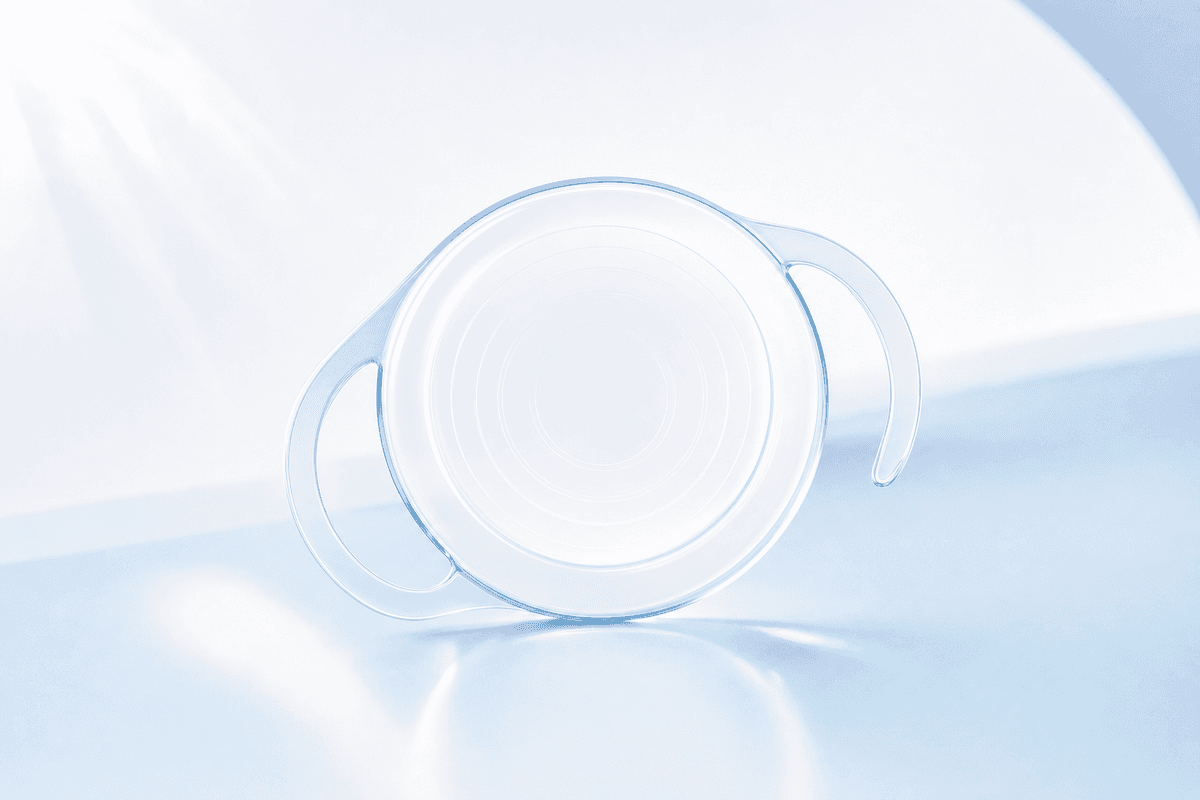
It takes 2-4 weeks for the intraocular lens (IOL) to fully stabilize. During this period, direct contact with dust or wind can increase the risk of inflammation.
UV protection needs to be considered for a longer duration. Intraocular lenses have a higher UV transmittance than natural lenses (Korean Ophthalmological Society, 2023).
It is recommended to wear UV-blocking sunglasses for 6 months after surgery, and continue to use protective eyewear in strong sunlight thereafter.
Screen Use and Regular Check-ups: Just Check These
For 48 hours after surgery, avoid looking at smartphone or computer screens for more than 20 minutes continuously. This reduces blinking frequency, leading to severe dry eye and delaying corneal healing.
From the third day onwards, follow the rule of resting for 10 minutes after every 30 minutes of screen time.
Regular check-ups are scheduled for 1, 3, and 6 months after surgery. During these visits, the ophthalmologist will check the position of the intraocular lens, intraocular pressure, and signs of posterior capsular opacification (PCO).
PCO occurs in 20-40% of patients after surgery (Ministry of Food and Drug Safety, 2022). If you miss the 6-month check-up, its detection will be delayed, potentially causing you to miss the window for YAG laser treatment.
* 5-minute minimum interval between eye drops, adhere to the order
* Don't miss check-ups at 1, 3, and 6 months
Situation-Based Response Guide
My eye has been stinging since the third day after surgery.
Try cold compresses 3-4 times a day for 10 minutes each session.
I find protective eyewear uncomfortable and only want to wear it when I go out.
Wearing it indoors is recommended for at least 2 weeks.
Things You Must Not Do
* Rubbing or tightly squeezing your eyes for the first week after surgery — risk of dislodging the intraocular lens.
* Stopping eye drops arbitrarily or changing the dosage — potential for inflammation and increased intraocular pressure.
* Postponing regular check-ups — missed opportunity for early detection of posterior capsular opacification.
Frequently Asked Questions
How many days after surgery can I return to work?
Most people can return to their daily routines 3-4 days after surgery, but if your job involves a lot of screen work, a week of rest is recommended.
I forgot to use my eye drops once. Can I use double the dose next time?
No. Skip the missed dose and use the regular amount at the next scheduled time.
My vision is blurry after surgery. Is this a side effect?
Mild blurriness for 1-2 weeks after surgery is a normal part of recovery. However, if accompanied by pain, redness, or a sudden decrease in vision, contact your ophthalmologist immediately.
References
1. Intraocular Lens UV Transmittance and Protection Recommendations — Korean Ophthalmological Society, 2023
2. Statistics on the Incidence of Posterior Capsular Opacification After Cataract Surgery — Ministry of Food and Drug Safety, 2022
Lumi's Word
The interval and order of eye drops are more crucial for recovery than the frequency. While it may be slightly inconvenient for the first two weeks, this period will make the following six months much more comfortable. Mark your check-up dates on your calendar in advance.
This content is for informational purposes only and does not substitute for medical advice. Whether to proceed with surgery and how to manage recovery should always be determined after a thorough examination and consultation with an ophthalmologist.
Find a Clinic That's Right for You on K-Dia