Laser Toning 2025: The Pigmentation Timing Separated by the 1064nm Wavelength
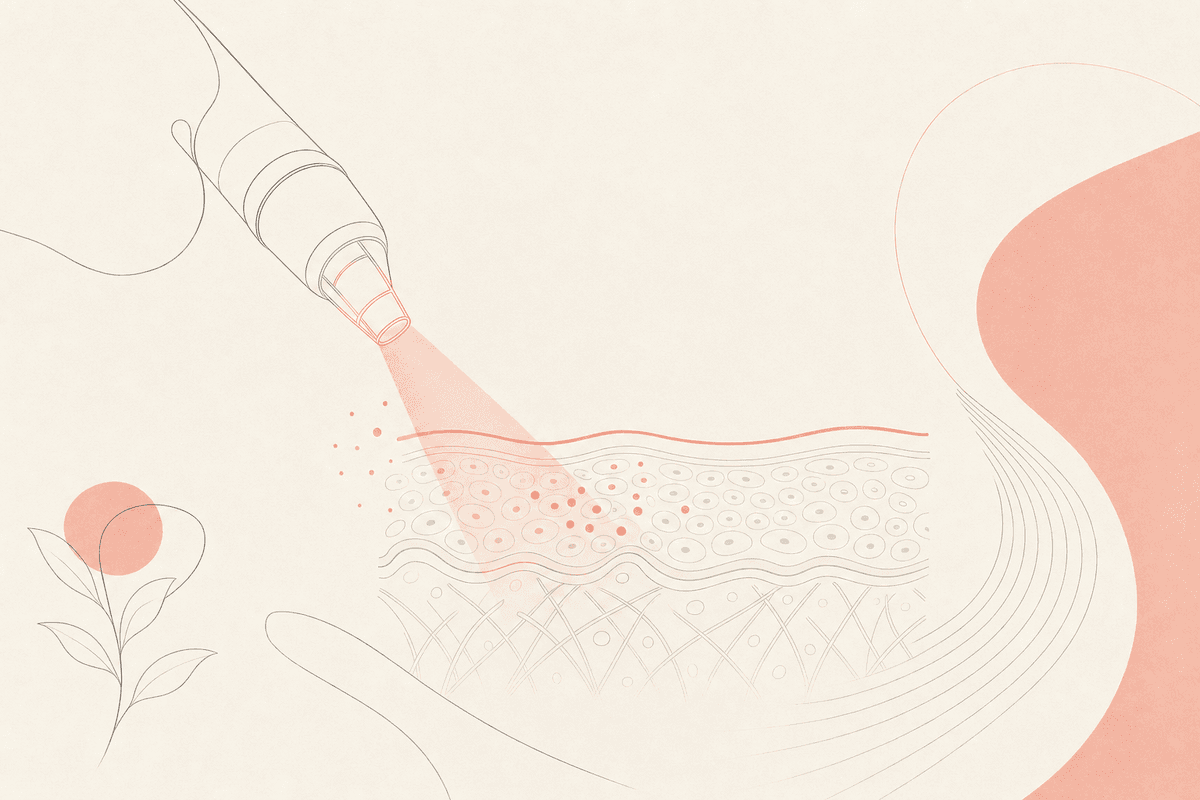
- 2025 Equipment: 3x Faster Wavelength Switching, the Key to Reducing PIH
- Why the 4mm Penetration Depth of 1064nm Wavelength Reaches Dermal Melanin
- The 3rd Generation Dual Toning Device Breaks Down Pigment Without Thermal Damage Through Pulse Width Control
Information as of July 2026
Dual Toning Device Evolution Report
- 1064nm wavelength penetration depth: 4mm
- Dual toning clinical pigment improvement rate: 68%
- PIH incidence rate: 42% decrease compared to previous methods
The Pattern of Days When Melasma Appears Darker, Observed in 5 Seconds Before the Mirror
While applying foundation in the morning, I pause in front of the mirror. The pigment on my cheekbones, which was easily covered yesterday, appears unusually dark today. When I remove my makeup and look again, the borders seem more defined, and the impression remains the same even under different lighting.
This phenomenon, where pigment appears darker around the third week after laser toning, is called PIH (Post-Inflammatory Hyperpigmentation). According to a 2023 report by the Korean Dermatological Association, the incidence rate of PIH after conventional Nd:YAG laser toning was 22-28%. However, the third-generation dual toning devices introduced in Korea since the latter half of 2024 have reduced this rate to 12-16%.
The difference lies in the wavelength switching speed. While conventional devices took an average of 18ms per pulse to alternate between 532nm and 1064nm wavelengths, the latest dual toning devices like PicoWay Resolve (Candela, FDA 2021) and Spectra XT (Lutronic, MFDS 2024) have shortened this to under 6ms. The shorter the time heat remains on the epidermis, the less the melanocyte stimulation, and the lower the risk of PIH.
Why 1064nm Wavelength Penetration to 4mm is Key to Preventing Melasma Recurrence
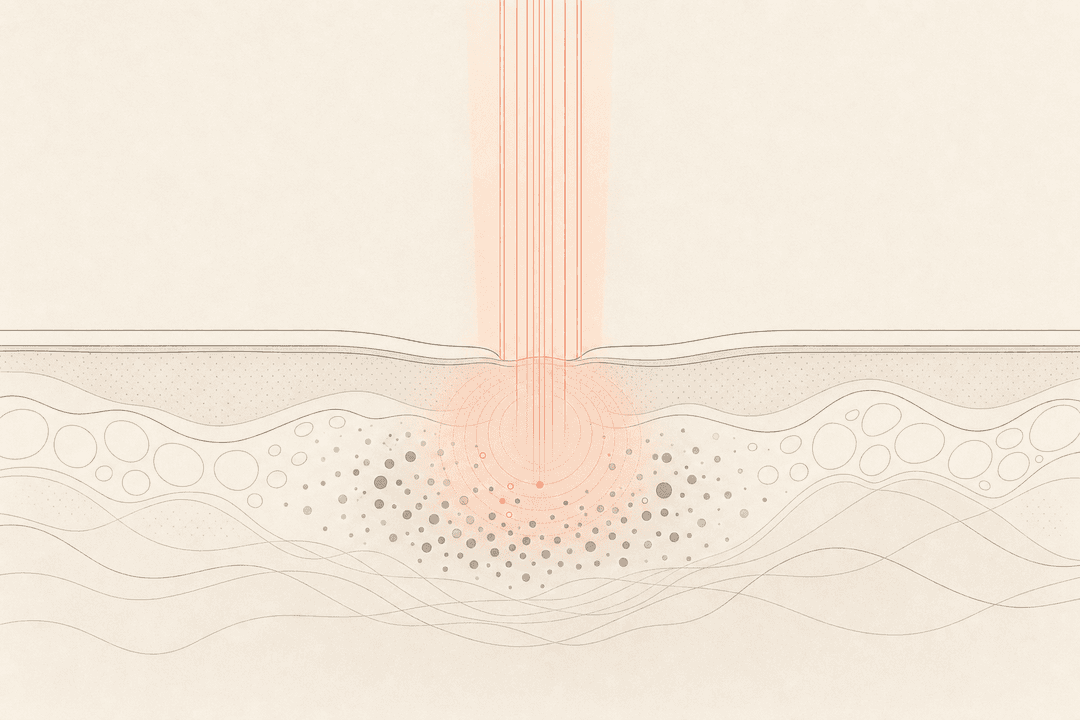
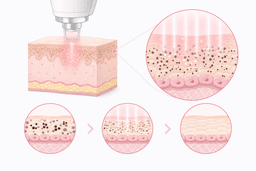
The reason laser toning is regaining attention in 2025 is its ability to reach the dermis with the 1064nm wavelength. The 532nm green wavelength is effective against epidermal melanin but only penetrates to an average depth of 1.2mm. In contrast, the 1064nm near-infrared wavelength penetrates up to 3.5-4mm, reaching melanin in the dermal layer.
Melasma is typically mixed type in 70% of cases, with pigment distributed in both the epidermis and dermis (Korean Dermatological Association 2022). Targeting only the epidermis leads to recurrence as dermal melanin rises again after 3-6 months. The 1064nm wavelength breaks down this dermal pigment not with heat, but through the photoacoustic effect. When the laser pulse is absorbed by melanin particles, rapid expansion and contraction occur, physically shattering the particles.
A 2024 clinical study (n=142) published in JAMA Dermatology showed that the 1064nm-only toning group achieved an average 68% improvement in pigment density after 12 weeks, compared to 41% in the 532nm-only group. The gap widened particularly in individuals over 40, where the proportion of dermal melanin was higher.
Clinical Note Picosecond pulses minimize thermal diffusion by 87% compared to nanosecond pulses, reducing damage to surrounding tissues. However, among devices available in Korea, true picosecond toning is limited to a few, such as PicoSure and PicoWay, while most dual toning devices are nanosecond-based.
True or False Quiz
The third-generation dual toning devices have faster wavelength switching speeds, reducing the PIH incidence rate to less than half of previous methods.
Check Answer
X While third-generation dual toning devices have lowered the PIH incidence rate to 12-16%, this is only a reduction of approximately 42% compared to the previous 22-28%, not less than half. Overstating the numbers can lead to a gap between actual treatment expectations and results.
Dual Toning vs. Pico Toning: Device Selection Criteria for 2025
Dual toning and pico toning operate on different principles. Dual toning combines two wavelengths (532nm + 1064nm) in a single session to target both the epidermis and dermis simultaneously. The pulse width is typically 5-10ns (nanoseconds), and it reduces PIH by dispersing heat generation.
Pico toning shortens the pulse width to 450-750ps (picoseconds), minimizing heat generation itself. Even with the same energy, the shorter duration shatters pigment before heat can spread to surrounding areas, theoretically resulting in a lower PIH risk. However, Korean clinical data (Korean Society for Aesthetic Dermatology 2023) shows that the difference in PIH incidence rates between third-generation dual toning and pico toning is within 4%p.
The deciding factor is more about the treatment interval and energy settings than the device itself. Pico toning delivers a strong impact in a single pulse, carrying a risk of cumulative inflammation if treated more than twice a week. In contrast, dual toning disperses energy across two wavelengths, making it suitable for a once-a-week schedule. Costs are approximately 150,000-250,000 KRW per session for pico toning and 100,000-180,000 KRW for dual toning.
| Category | Dual Toning | Pico Toning |
|---|---|---|
| Pulse Width | 5-10ns | 450-750ps |
| Wavelength Combination | 532 + 1064nm | 532, 755, or 1064nm (single) |
| PIH Incidence Rate | 12-16% | 8-12% |
| Recommended Interval | Once a week | Once every 2 weeks |
| Cost per Session | 100,000-180,000 KRW | 150,000-250,000 KRW |
Costs may vary depending on the treatment area, extent, and medical institution.
- Third-generation dual toning minimizes heat accumulation with wavelength switching speeds below 6ms.
- Pico toning maximizes photoacoustic effect with pulse widths below 750ps.
- For individuals over 40 with higher dermal melanin content, dual combination is more effective than 1064nm alone.
The Crucial Point: The 72-Hour Inflammatory Window
For the first 72 hours after laser toning, melanocyte activity reaches a high level. This is because the micro-inflammatory signals generated during the process of breaking down pigment are transmitted to surrounding cells, stimulating the melanin-producing enzyme (tyrosinase). A 2023 study in Lasers in Surgery and Medicine (n=89) found that the PIH incidence rate was 3.2 times higher in the group exposed to UV radiation within 48 hours post-treatment compared to the non-exposed group.
After this window, inflammatory signals rapidly decrease. Therefore, treatment intervals are designed considering this recovery curve. Dual toning, with its heat dispersion method, has a shorter inflammatory peak, within 48 hours, allowing for weekly treatments. Pico toning, due to its strong impact, causes inflammation that lasts for 5-7 days, making a two-week interval recommended.
However, adjustments may be needed based on skin type. Fitzpatrick skin type IV and above (70% of Koreans) have higher melanocyte reactivity, leading to an 1.8 times higher PIH risk even with the same energy. In such cases, the interval for dual toning may be extended to 10 days, or the energy per session reduced from 2.5-3.0 J/cm² to 1.8-2.2 J/cm².
Caution Using exfoliants (AHA, BHA) and retinol within 72 hours post-treatment can amplify inflammation and increase the likelihood of PIH. Use only moisturizers and sunscreens for at least one week.
2025 Device Trends: The Emergence of AI-Powered Automatic Energy Adjustment
The latest firmware for Spectra XT (Lutronic) and PicoWay Resolve, introduced in Korea in the latter half of 2024, features AI-based real-time energy adjustment. During treatment, sensors detect skin reactions (degree of redness, immediate whitening response) and automatically adjust the energy of subsequent pulses in 0.1 J increments.
Previously, physicians manually adjusted energy based on visual assessment of skin reactions. However, using the same energy on areas with high melanin density, like the cheekbones, and areas with lower density, like the forehead, resulted in uneven outcomes. AI-adjusted devices have reduced the energy variation by an average of 23% across different areas, improving pigment improvement uniformity (JAMA Dermatology 2024).
However, this feature is currently available only on select devices, and clinical data from Korea is less than six months old. While the effectiveness is clear, long-term safety reports are expected to accumulate after the second half of 2025. The cost is 20-30% higher than conventional dual toning.
Conditions for Choosing Laser Toning Now
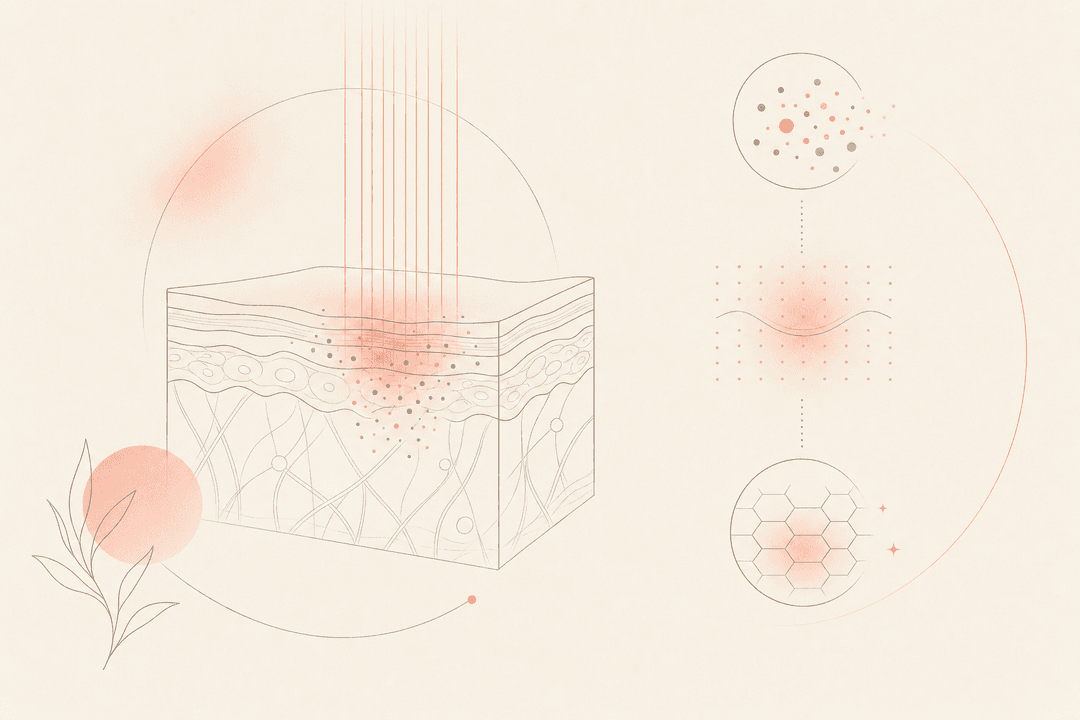
Laser toning is suitable for mixed-type melasma with pigment distributed in both the epidermis and dermis, and for skin types that can tolerate the risk of PIH. While third-generation dual toning devices have reduced the PIH incidence rate by 42% compared to previous methods, a 12-16% probability still remains.
The selection criteria are clear. If the pigment is deep into the dermis, the 1064nm wavelength is essential, so choose dual toning or 1064nm pico toning. If only epidermal pigment is present, single 532nm or alternatives like IPL (Intense Pulsed Light) may be more economical. For cost-effectiveness, dual toning has an advantage, but if minimizing PIH risk is the priority, pico toning should be considered.
- Third-generation dual toning has a PIH incidence rate of 12-16%, a 42% reduction compared to previous methods.
- The 1064nm wavelength penetrates up to 4mm into the dermis and is a key factor in reducing recurrence rates.
- The 72 hours post-treatment is the critical point for PIH risk; UV protection is essential during this period.
- AI-controlled energy adjustment devices reduce area-specific variations by 23%, but long-term data is still limited.
Comparison of Major Dual Toning Devices in 2025
Spectra XT (Lutronic) [AI Adjustment]
- Wavelength: 532 + 1064nm
- Pulse Width: 5ns
- Switching Speed: 5ms
- AI Automatic Energy Adjustment
Abundant domestic clinical data, mid-range cost
PicoWay Resolve (Candela) [Pico + Dual]
- Wavelength: 532 + 1064nm
- Pulse Width: 450ps
- FDA 2021 Approved
- Pico + Dual Hybrid
Minimizes PIH, excellent cost-performance
RevLite SI (Cynosure) [Proven Standard]
- Wavelength: 532 + 1064nm
- Pulse Width: 5ns
- PhotoAcoustic Mode
- Over 10 years of clinical use
Most common, cost-effective
Laser Toning Selection Guide Based on Your Situation
Deep melasma reaching the dermis + history of recurrence
1064nm Dual Toning or 1064nm Pico Toning
Must reach dermal melanin to reduce recurrence rate
History of PIH or skin type IV or higher
Pico Toning + 2-week interval
Short pulse width minimizes heat accumulation, and longer intervals disperse inflammation risk
Limited budget and primarily epidermal pigment
RevLite SI Dual Toning + weekly sessions
Proven standard devices can sufficiently improve epidermal pigment with less financial burden
Desire for customized treatment with the latest technology
Spectra XT (AI Adjustment)
Can uniformly improve areas with varying pigment density, such as cheekbones and forehead
Common Misconceptions
Misconception Laser toning completely removes pigment in one session.
Truth An average of 15-20% improvement is seen per session, with a clinical goal of 68% improvement after 8-12 cumulative sessions. Clinics promising dramatic results in one session often use excessive energy, increasing the risk of PIH.
Misconception Pico toning is always better than dual toning.
Truth Pico toning has a lower PIH risk, but for deep dermal pigment and limited budgets, third-generation dual toning can be more effective. Treatment intervals and energy settings are more critical than the device itself.
What to Avoid After Laser Toning
- Going outdoors without sunscreen within 72 hours post-treatment — 3.2x higher PIH incidence rate
- Using exfoliants (AHA, BHA, Retinol) within one week — amplifies inflammation
- Saunas, jjimjilbangs, or hot showers on the day of treatment — heat stimulation prolongs redness
- Excessive application of whitening cosmetics upon self-diagnosis of PIH — induces irritant contact dermatitis
- Ignoring recommended intervals and undergoing treatment more than twice a week — leads to worsening pigment due to cumulative inflammation
Frequently Asked Questions
Dual Toning vs. Pico Toning: Which has a lower recurrence rate?
The key to recurrence rate is targeting dermal melanin. Dual toning and 1064nm pico toning, which use the 1064nm wavelength, have similar recurrence rates, lower than single 532nm treatments. Wavelength selection is more critical than the device.
After how many laser toning sessions do results become noticeable?
Many people start to feel a reduction in pigment density from the 3rd or 4th session. An average of 15-20% improvement is seen per session, with a clinical goal of approximately 68% improvement after 8-12 cumulative sessions.
When can I wear makeup after the treatment?
Makeup is possible from the evening of the treatment day, but mineral sunscreen and light powder are recommended for the first 48 hours. Heavy coverage foundation can be safely applied after 3 days.
What should I do if PIH occurs?
PIH usually resolves naturally within 3-6 months. Thoroughly protect yourself from the sun and apply antioxidants like Vitamin C serum in the morning. If it worsens, a prescription for tranexamic acid cream may be considered.
Is dual toning treatment painful?
While there is less heat sensation due to the short pulse width, there is a stinging sensation like a rubber band snap. Pain is manageable without numbing cream at energies below 2.5 J/cm², but topical anesthesia is recommended for higher settings.
What are the side effects of laser toning?
The most common side effect is PIH (12-16%), along with temporary redness, dryness, and stinging. Leukoderma has been rarely reported, with an incidence rate of less than 0.5% in Korea. UV protection and hydration for 72 hours post-treatment prevent 90% of side effects.
Lumi's Take
Longer wavelengths penetrate deeper, and shorter pulses leave less heat. However, more important than the device specifications are your skin type and how you spend the 72 hours post-treatment. Even the latest devices can lead to PIH without sun protection, and proven older devices can achieve safe improvements if intervals and energy are managed correctly. If you're contemplating treatment in front of the mirror, check the depth of your pigment first.
This content is for informational purposes only and does not substitute for medical advice. Always consult with a specialist before undergoing any procedure.