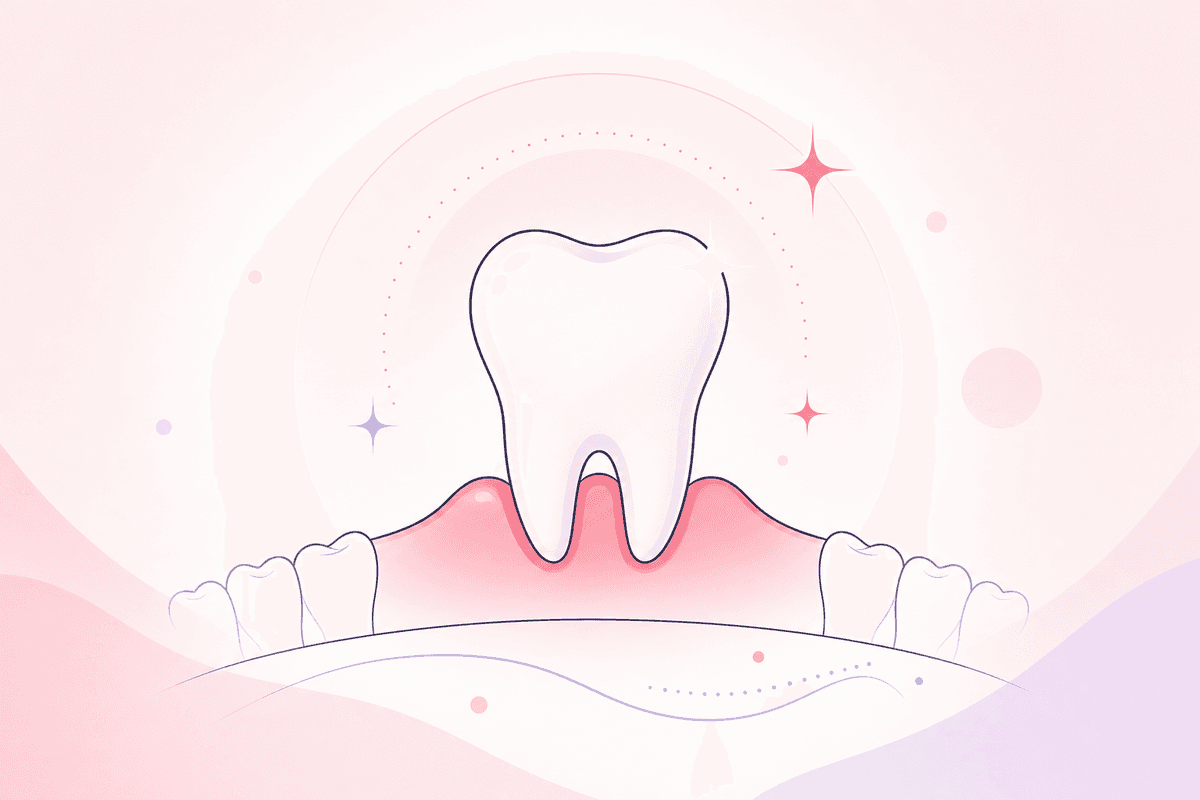
This is basic periodontal care that removes tartar and plaque, manages inflammation, and improves gum health, bad breath, and bleeding.
Scaling is a basic periodontal care procedure that uses instruments to remove tartar and plaque that cannot be removed by brushing. It alleviates gum bleeding, bad breath, and swelling, and prevents the progression of periodontitis. If inflammation is deep, periodontal treatments such as root planing are considered, and if the gum line is uneven, gum reshaping is also considered.
Tartar and plaque contain many bacteria that cause gum inflammation (gingivitis and periodontitis), bad breath, and bleeding; if left untreated, the gum bone erodes, causing teeth to loosen. Regular scaling is essential care to prevent this.
If inflammation progresses deep into the gums, periodontal treatment such as root planing to remove tartar from the root surface is necessary. In cases where the gum line is asymmetrical or excessive gum exposure (gummy smile), gum reshaping is performed to refine the line.
You may experience gum sensitivity or a sensation of gaps between your teeth for a few days after scaling, but you will soon adapt. Regular scaling every 6 months to 1 year, along with proper brushing and flossing, is generally recommended.
Scaling does not grind down the teeth but rather removes tartar; removing long-neglected tartar can reveal gum recession that was previously concealed. Regular maintenance is important.
It is not that your teeth are being ground down, but that tartar is being removed. The sensitivity is temporary and helps with gum health.
It is usually recommended to receive it every 6 months to 1 year, but you may receive it more frequently if you are prone to tartar buildup or have gum disease.
Yes, it is possible. Many dermatology and plastic surgery clinics in Korea treat foreign patients, and there are also many hospitals that offer consultations or interpretation support in foreign languages such as English, Chinese, and Japanese. On K-Dia, you can compare hospital information and real reviews, and consult directly via chat before your visit.
You can usually return to your daily routine on the same day, and there is almost no recovery period (only a few days of sensitivity). If you are traveling for a short time, it is recommended to schedule your trip with ample time to check your progress immediately after the procedure, and to discuss post-recovery care and precautions with the hospital in advance.
Costs vary significantly depending on the hospital, the scope of the procedure, the equipment and materials used, and the anesthesia method. Since Korea has a well-developed infrastructure for procedures, making consultations and price comparisons relatively easy, it is recommended to compare quotes from multiple hospitals rather than relying on just one. You can check event prices and actual reviews by hospital on K-Dia.
This information is for general understanding only and is not medical advice. Always consult a medical professional before deciding on any procedure.
