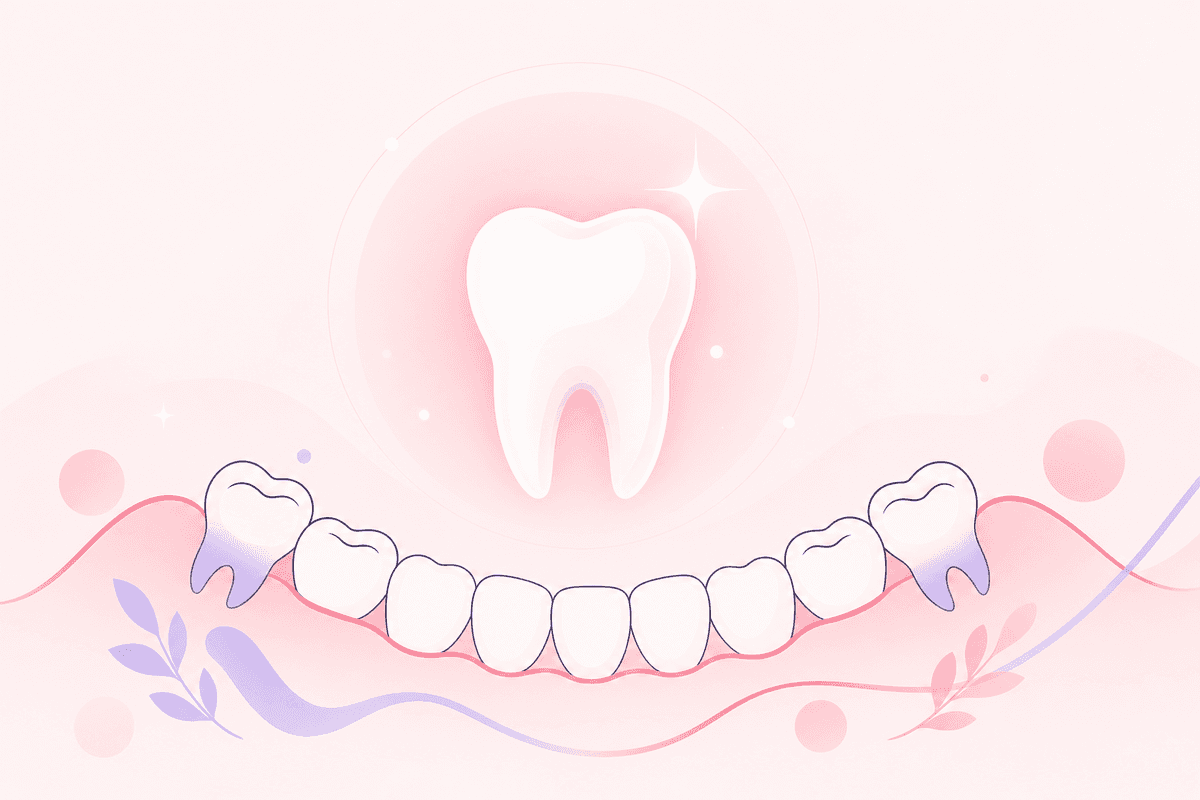
This is a treatment that extracts problematic wisdom teeth to prevent pain, inflammation, and damage to adjacent teeth.
Wisdom tooth extraction is a treatment performed to remove the innermost wisdom tooth when it grows crookedly or is impacted within the gums, causing pain, inflammation, cavities, or damage to adjacent teeth. While straight wisdom teeth are sometimes left alone, extraction is frequently recommended for impacted or partially erupted wisdom teeth.
Extraction is recommended if the area around the wisdom tooth frequently swells and becomes painful, if it erupts crookedly and pushes against adjacent molars or causes cavities, or if it is embedded in the gums posing a risk of cysts or inflammation. The degree of impaction is evaluated using panoramic X-rays or CT scans.
After tooth extraction, bite down firmly on the gauze for about 1 to 2 hours to stop the bleeding, and apply a cold compress for 10 minutes at a time for the first 1 to 2 days to help reduce swelling. Avoid using straws, rinsing vigorously, and smoking to prevent dry socket, where the blood clot dislodges.
Swelling and pain are usually most severe on the 2nd or 3rd day and then subside, and the gums heal over 1 to 2 weeks. Take the prescribed medication and eat soft foods.
Lower wisdom teeth can be difficult to extract due to their proximity to the nerve canal, so imaging evaluation is crucial. You should contact the dental clinic if severe bleeding, pain, or fever persists after extraction.
Wisdom teeth that grow straight and are well cared for can be left alone, but extraction is recommended if they are impacted, crooked, or have recurrent inflammation.
This is a condition where the blood clot at the extraction site falls out, exposing the bone and causing severe pain. Avoiding straws, smoking, and rinsing vigorously helps prevent it.
Yes, it is possible. Many dermatology and plastic surgery clinics in Korea treat foreign patients, and there are also many hospitals that offer consultations or interpretation support in foreign languages such as English, Chinese, and Japanese. On K-Dia, you can compare hospital information and real reviews, and consult directly via chat before your visit.
It usually takes about 1 to 3 days to return to daily activities, and the recovery period consists of 2 to 3 days for swelling and 1 to 2 weeks for healing. If you are traveling for a short period, it is recommended to schedule your trip with ample time to check your progress immediately after the procedure, and to discuss post-recovery care and precautions with the hospital in advance.
Costs vary significantly depending on the hospital, the scope of the procedure, the equipment and materials used, and the anesthesia method. Since Korea has a well-developed infrastructure for procedures, making consultations and price comparisons relatively easy, it is recommended to compare quotes from multiple hospitals rather than relying on just one. You can check event prices and actual reviews by hospital on K-Dia.
This information is for general understanding only and is not medical advice. Always consult a medical professional before deciding on any procedure.
