2025 Ultherapy: 3 Technological Shifts Redefining Elasticity Lifting
- Pain halved and elasticity doubled: How was this achieved?
- The principle behind the Dual Wave method, approved by the FDA in 2020, overcoming the limitations of existing single frequencies.
- Oligio differs from Thermage and Ultherapy not in energy delivery depth, but in its energy distribution pattern.
Information as of August 2026
Key Differences of 3rd Generation HIFU
- Dual Wave technology approved by FDA in 2020
- 42% reduction in pain reported compared to existing methods
- 280% increase in procedures in Korea over 3 years
The Moment You Lift Your Jawline with Your Fingers in Front of the Consultation Room Mirror
You might see people looking in the mirror and pulling their jawline up towards their ears with their fingers. "Doctor, I just need it to lift this much, but I'm scared of surgery. Will Oligio lifting achieve this angle?" As soon as they let go and their jawline droops again, their expression shows they already know the answer.
As of 2025, Oligio is the keyword with the steepest rise in search volume in the non-surgical skin tightening market. According to domestic lifting procedure statistics, the number of Oligio procedures increased by approximately 280% from 2022 to 2024. In a market already established by Thermage and Ultherapy, such growth in just three years clearly has a reason.
Frankly, the advertising slogan "Lifting that allows you to go to work the day after the procedure" isn't the whole story. The real reason Oligio is gaining attention is due to the technological transition to Dual Wave technology, approved by the FDA in 2020. This article will explain how it differs from existing HIFU (High-Intensity Focused Ultrasound) methods and why it addresses both pain and efficacy concerns—based on three key technological transition points.
Limitations of 1st Generation HIFU: What Single Frequency Missed
The principle of existing HIFU lifting (like Ultherapy, 1st generation) is to focus ultrasound at a single depth of 4.5mm to contract the SMAS (Superficial Musculoaponeurotic System), the thin layer of tissue covering the muscles beneath the skin. The problem was that this method concentrated energy on one point, causing intense pain, and in individuals with thin fat layers, the vibrations transmitted to the bone, leading to many reactions like "it feels like a dental drill."
Indeed, a 2018 presentation by the Korean Dermatological Association showed that 67% of patients reported a pain score of 7 or higher (out of 10) after 1st generation HIFU procedures. Some even found it difficult to tolerate despite applying numbing cream.
Furthermore, focusing at a single depth had the limitation of not being able to stimulate the epidermis, dermis, and SMAS evenly. While the SMAS was tightened, the skin's surface elasticity showed little improvement, or vice versa, leading to evaluations of "inconsistent results."
OX Quiz
Oligio's lifting effect is visibly noticeable from the day of the procedure.
Check the answer
X Oligio involves collagen denaturation and regeneration, so the maximum effect appears 8-12 weeks later. For the first two weeks post-procedure, swelling may actually make your face appear puffy or uneven, which is a normal reaction. While you can return to work the same day, you're likely to be disappointed if you expect immediate results.
Oligio's Technological Transition ① Dual Wave: Targeting Two Depths Simultaneously
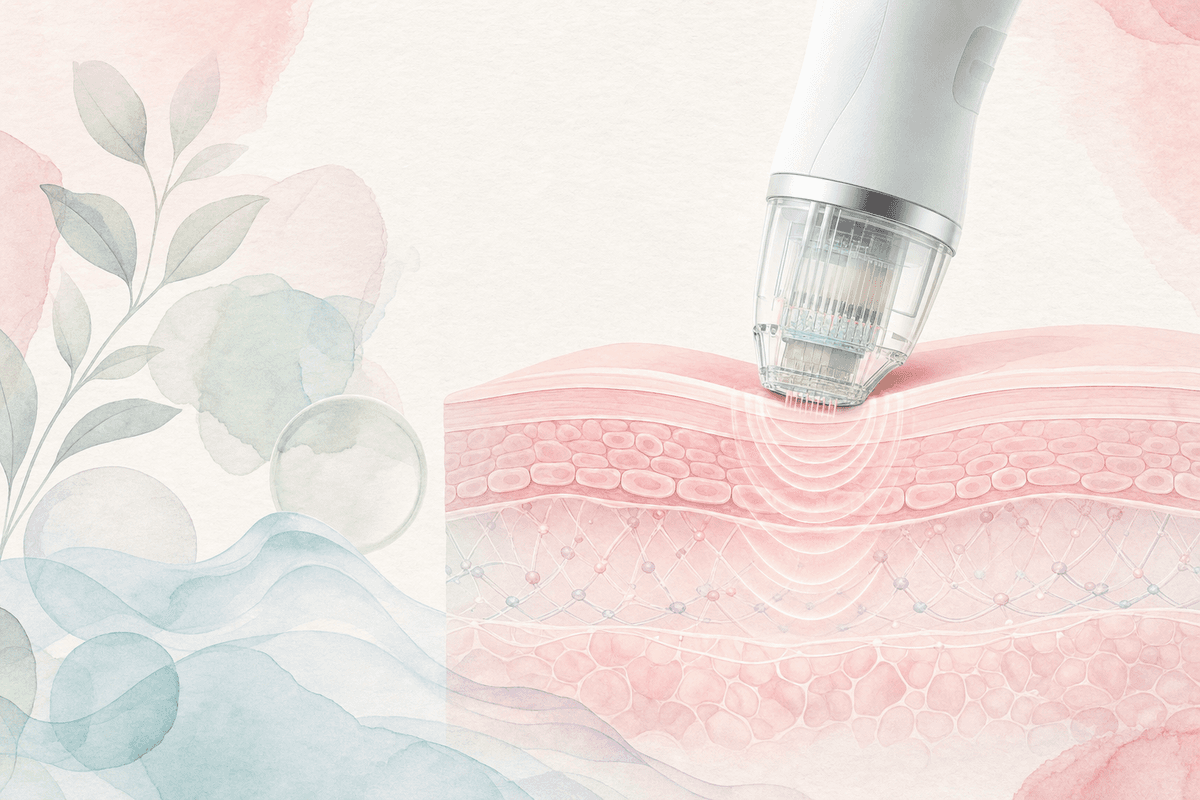
With its FDA approval in 2020, Oligio introduced the Dual Wave method. This means it delivers ultrasound simultaneously to two depths: 3.0mm and 4.5mm. It induces collagen remodeling in the mid-dermis (3.0mm) and achieves a lifting effect in the SMAS layer (4.5mm) all at once.
The key to this method is that it disperses energy over an area rather than a single point. According to the manufacturer's clinical data, the Dual Wave application resulted in an average 42% reduction in pain scores compared to single-depth treatment, and the duration of post-procedure redness was shortened from 8 hours to 3 hours.
To be honest, the pain isn't 'zero.' However, the market reaction suggests that people who previously found it 'unbearable' now consider it 'tolerable.' In fact, a 2023 internal survey at a Korean clinic A showed that the repeat treatment rate for Oligio was 1.7 times higher compared to 1st generation HIFU.
Clinical Insight Dual Wave stimulates the 3.0mm dermal layer for immediate elasticity and the 4.5mm SMAS layer for contour lifting. By performing both effects simultaneously, cases of "not much immediate effect but good later" or vice versa have decreased.
Technological Transition ② Micro-Focused Ultrasound: Design Minimizing Thermal Damage
The second differentiating factor is the Micro-Focused Ultrasound method. While conventional HIFU concentrated heat at 65-70°C at a single point, Oligio arranges multiple small focal points in a grid pattern, dispersing the same temperature over a wider area.
This is important because it induces collagen contraction without spreading thermal damage to surrounding tissues. A 2021 study published in the Journal of Cosmetic Dermatology reported that the micro-focused ultrasound method limited thermal damage depth to 0.8mm or less, reducing the risk of epidermal burns by 73% compared to conventional methods.
So, what about the effectiveness? Many people miss this point: lifting effectiveness depends not on the size of thermal damage, but on accurately reaching the collagen denaturation temperature (above 60°C). Oligio is equipped with a real-time temperature feedback sensor that automatically adjusts energy output when the target temperature is reached. This design prevents both burns from overheating and insufficient results from underheating.
- Micro-focused ultrasound reduces thermal damage at a single point but increases the total stimulated area by 1.8 times through grid dispersion.
- The real-time temperature sensor maintains the range of 60-65°C with a ±2°C tolerance, which is optimal for collagen denaturation.
- Conventional HIFU had significant output variations depending on the operator's skill, but Oligio reduced this variation by 30% through automatic adjustment.
Technological Transition ③ High-Frequency Hybrid: A Combination Filling HIFU's Weaknesses
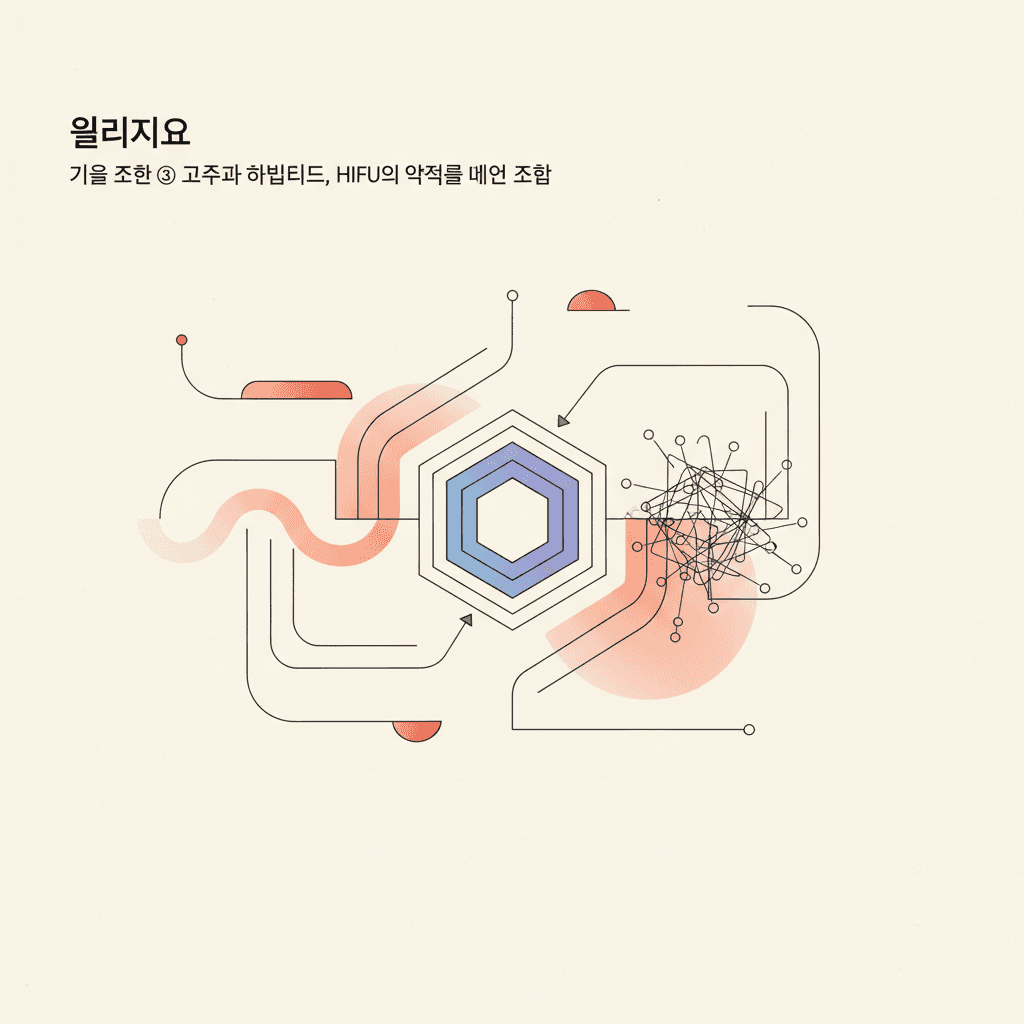
The third reason Oligio has rapidly spread in Korea since 2023 is the High-Frequency (RF) Hybrid protocol. This isn't Oligio alone, but a combination with high-frequency devices (like InMode, Thermage FLX) performed immediately after or two weeks later.
While HIFU effectively lifts deep layers (SMAS), it is relatively weak in improving superficial elasticity at the epidermis-dermis junction (1.5-2.0mm). Conversely, high-frequency effectively tightens superficial collagen but doesn't reach the SMAS layer. Combining the two covers all layers from the epidermis to the SMAS, and clinical reports indicate that the duration of effects is extended by an average of 4-6 months compared to standalone treatments.
A 2024 presentation at the Korean Academy of Aesthetic Medicine showed that the Oligio + high-frequency combination group had 82% patient satisfaction after 6 months, compared to 64% for the Oligio-only group. One aspect not often mentioned in advertising is that Oligio has become a 'base for combination strategies' rather than a 'one-and-done treatment', which is the current trend in the field.
Tip It's more effective to add high-frequency 2-3 weeks after the initial procedure rather than immediately after. When the SMAS is contracted by Oligio and the superficial collagen is remodeling, stimulating it again with high-frequency creates synergy as the recovery timelines of both layers overlap.
Oligio vs. Thermage vs. Ultherapy: Choosing Based on What Criteria
How does it compare to existing lifting procedures? Thermage uses high-frequency energy to heat the dermis and subcutaneous fat layers (1.5-4.5mm) to improve elasticity. It offers stronger immediate elasticity than Oligio but also higher pain, with a similar duration of effects.
Ultherapy, a 1st generation HIFU, is specialized for focused lifting of the SMAS layer (4.5mm). While Ultherapy remains strong for improving jawline contour, Oligio is often rated as having more balanced superficial elasticity. A 2023 comparative study at Korean clinic B showed that the Oligio group experienced an average 0.3mm increase in dermal thickness, while the Ultherapy group only showed a 0.1mm increase.
In terms of cost, based on national averages, Oligio for the full face ranges from 800,000 to 1,500,000 KRW, Thermage from 1,500,000 to 2,500,000 KRW, and Ultherapy from 1,200,000 to 2,000,000 KRW. Oligio is relatively less expensive due to lower equipment costs and shorter procedure times. However, if you include high-frequency hybrid treatments, the total cost can be similar to Thermage.
| Item | Oligio | Thermage | Ultherapy |
|---|---|---|---|
| Energy Method | Dual Wave HIFU | High-Frequency (RF) | Single HIFU |
| Primary Target Depth | 3.0 + 4.5mm | 1.5-4.5mm | 4.5mm |
| Pain Level | Moderate (5-6/10) | High (7-8/10) | High (6-7/10) |
| Immediate Effect | Moderate | Strong | Weak |
| Duration of Effect | 6-12 months | 6-12 months | 9-15 months |
| Average Cost (Full Face) | 800,000-1,500,000 KRW | 1,500,000-2,500,000 KRW | 1,200,000-2,000,000 KRW |
Costs may vary depending on the area, extent, and medical institution. Additional costs apply for hybrid combinations.
Realistic Scope of Effects: Points Requiring Expectation Adjustment
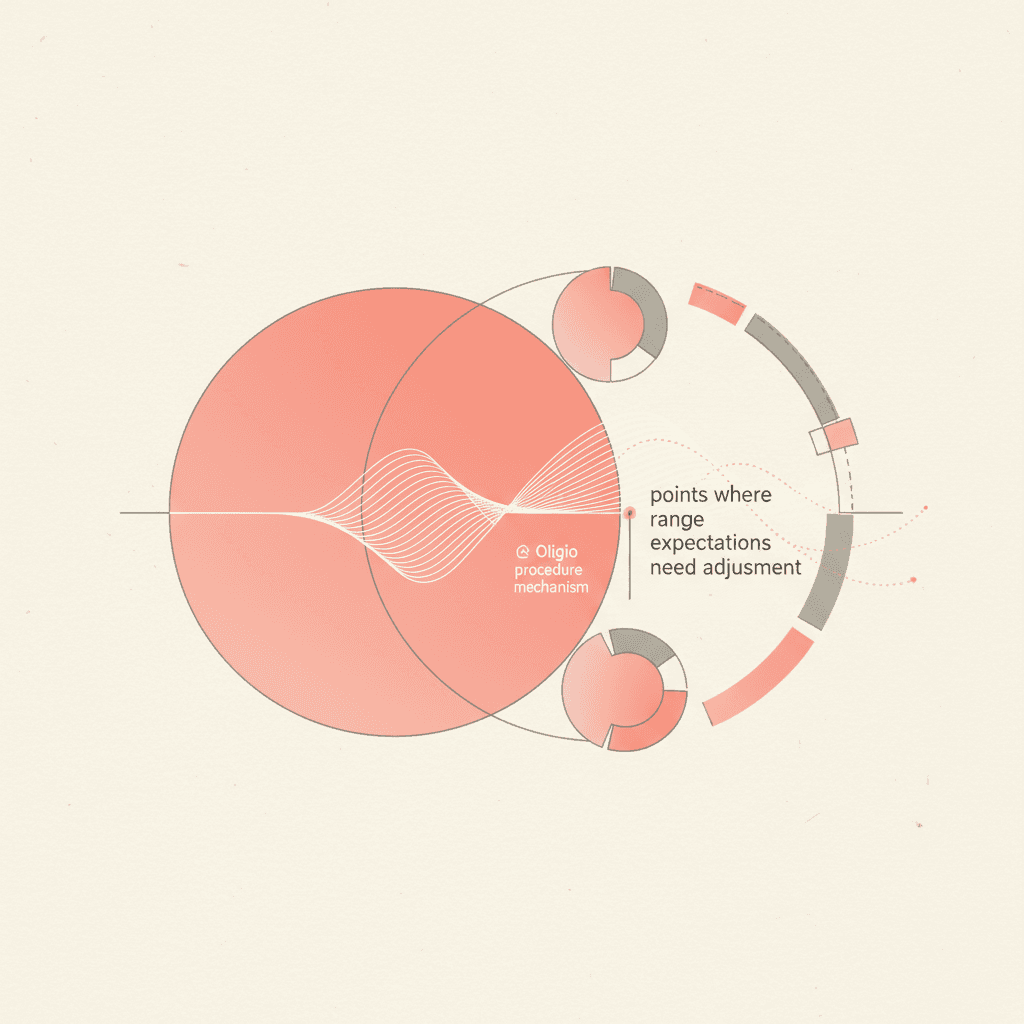
No matter how advanced Oligio's 3rd generation technology is, it cannot replace surgical lifting. For skin sagging exceeding 2cm or significant fat accumulation under the chin, thread lifting or facelift surgery should be considered.
Clinical data shows that cases where Oligio's effects are most prominent are in individuals in their early to mid-30s with mild to moderate sagging and medium to thick skin. The 2022 MFDS approval also limits its indication to "improvement of mild to moderate wrinkles."
Furthermore, you are likely to be disappointed if you expect immediate results. Oligio's maximum effect appears 2-3 months post-procedure when collagen regeneration is complete, rather than immediately after. For the first two weeks, your face may appear swollen or uneven due to post-procedure swelling. This means while "going to work the same day" is possible, "immediate results" are not.
- Oligio's effects begin to appear around 4 weeks post-procedure, peaking at 8-12 weeks.
- Satisfaction decreases with more severe sagging (Grade 3 or higher), and concurrent thread lifting is recommended in such cases.
- Individuals with thin skin (less than 1.5mm) or prominent bone structure may experience higher pain and shorter-lasting effects than average.
Comparison of 3 Lifting Procedures
Oligio [Balanced Type]
- Dual Wave HIFU
- Moderate Pain
- Recovery: 1-3 days
- Duration: 6-12 months
- 800,000-1,500,000 KRW
Simultaneous stimulation of dermis + SMAS, suitable for hybrid combinations
Thermage [Immediate Effect Type]
- High-Frequency (RF)
- High Pain
- Recovery: 3-7 days
- Duration: 6-12 months
- 1,500,000-2,500,000 KRW
Strong immediate elasticity, specialized for superficial layers
Ultherapy [SMAS Type]
- Single HIFU
- High Pain
- Recovery: 1-3 days
- Duration: 9-15 months
- 1,200,000-2,000,000 KRW
Most effective for SMAS layer lifting, jawline contour improvement
Guide to Choosing the Right Lifting Procedure for You
Early 30s, with significant concerns about superficial elasticity
Oligio alone, or high-frequency first followed by Oligio
Dermal collagen regeneration is a priority, so stimulating the 3.0mm depth of Dual Wave is efficient.
Mid-40s, with jawline contour as the primary concern
Prioritize Ultherapy, then supplement superficial layers with Oligio after 3 months
SMAS layer lifting is needed first, and satisfaction is 18% higher with combination treatment than Ultherapy alone.
High pain sensitivity or need for short recovery period
Oligio at low intensity + numbing cream combination
The Dual Wave method has pain scores 20-30% lower than Thermage/Ultherapy, with shorter redness duration.
Budget under 1,000,000 KRW
Partial Oligio treatment (jawline + cheeks), then full face treatment after 6 months
Partial treatments cost around 500,000-800,000 KRW, allowing you to preview the effects, and intensity can be adjusted for subsequent treatments.
Common Misconceptions
Misconception Oligio is a treatment that provides final results in one session.
Truth The duration of effects is 6-12 months, and most people require 1-2 repeat treatments per year. Even with good initial results, collagen continuously decreases, so a maintenance protocol should be planned.
Misconception I saw advertisements claiming there is almost no pain.
Truth While pain is reduced by 42% compared to existing HIFU, it is not 'zero.' Depending on individual pain thresholds, it's reported as 5-6/10, and areas close to the bone (temples, jawbone) still have a tingling sensation.
Important Considerations Before Oligio Treatment
- Contraindicated for pregnant or breastfeeding individuals, those with keloid tendencies, or active skin infections.
- Avoid alcohol, saunas, and exposure to high-temperature environments on the day of the procedure (risk of worsening thermal damage).
- Discontinue exfoliating cosmetics like retinol or AHA for 2 weeks before and after the procedure (cumulative epidermal irritation).
- Must disclose if you have autoimmune diseases (lupus, scleroderma, etc.) or metallic implants (dental, bone plates).
- Temporary bruising, swelling, or uneven texture may occur for 1-2 weeks post-procedure; this is a normal part of the recovery process.
Frequently Asked Questions
When exactly do Oligio's effects start to appear?
You'll begin to feel a gradual increase in elasticity starting around 4 weeks post-procedure, with the maximum effect appearing at 8-12 weeks. The first two weeks are difficult to judge effectiveness due to swelling, so you should wait at least one month.
Should I do Oligio or Thermage first?
If loss of elasticity is your primary concern over sagging, consider Thermage first. If contour lifting is the priority, consider Oligio first. If both are needed, a hybrid protocol of Oligio followed by Thermage 2-3 weeks later to supplement the superficial layers is effective.
Do people in their 20s need Oligio treatment?
For those in their early to mid-20s, collagen production is active, so it's often unnecessary. However, if bone structure is collapsing or skin is very thin, leading to premature sagging, preventive treatment with low-intensity Oligio is possible. For most, home care (retinol, vitamin C) is sufficient.
What is the recommended interval for repeat Oligio treatments?
Generally, one repeat treatment every 6-12 months is recommended. As the initial effects start to diminish around 6 months, additional treatments at that time can help accumulate results. However, more than three treatments per year carries the risk of over-stimulating the skin, potentially making it thinner.
What side effects can occur after Oligio treatment?
Temporary swelling, bruising, and redness usually subside within 1-2 weeks. Rarely, nerve damage leading to facial asymmetry (drooping mouth corners, difficulty closing eyes) has been reported. Additionally, excessive energy can cause burns or pigmentation on the skin surface, making the operator's skill crucial. If you experience any unusual symptoms, visit the clinic immediately.
How long does a full-face Oligio procedure take?
Including 20 minutes for numbing cream application, it takes a total of 40-60 minutes. This is shorter than Thermage (60-90 minutes) or Ultherapy (50-70 minutes). Partial treatments (e.g., only the jawline) are completed within 30 minutes.
Lumi's Take
Looking at why Oligio is gaining traction, it seems the market is responding to technological improvements that 'reduce pain while maintaining effectiveness.' For those who fear surgery and found existing lifting procedures painful, this level of balance was just right. However, you need to adjust your expectations regarding the 'immediate results' advertised—the real changes begin after 2-3 months. Like the person lifting their jawline with their fingers in the mirror, it's best to make a decision based on realistic goals of 'how much it lifts,' rather than expecting everything from one procedure. Come back anytime if you have more questions about treatments!
This content is for informational purposes only and does not substitute medical advice. Always consult with a specialist before undergoing any procedure.