Exosome's Rapid Rise in 2024: The Real Reason It's Not Just Stem Cell Culture Media
- The secret lies in directly delivering signaling molecules instead of culture media.
- Stem cell culture media and Exosomes differ from the very start in their mechanism of action.
- The reason trends have changed over the past three years since the first domestic approval in 2021.
Information as of August 2026
Difference in Regeneration Mechanisms
- 340% increase in inquiries for the procedure compared to 2023
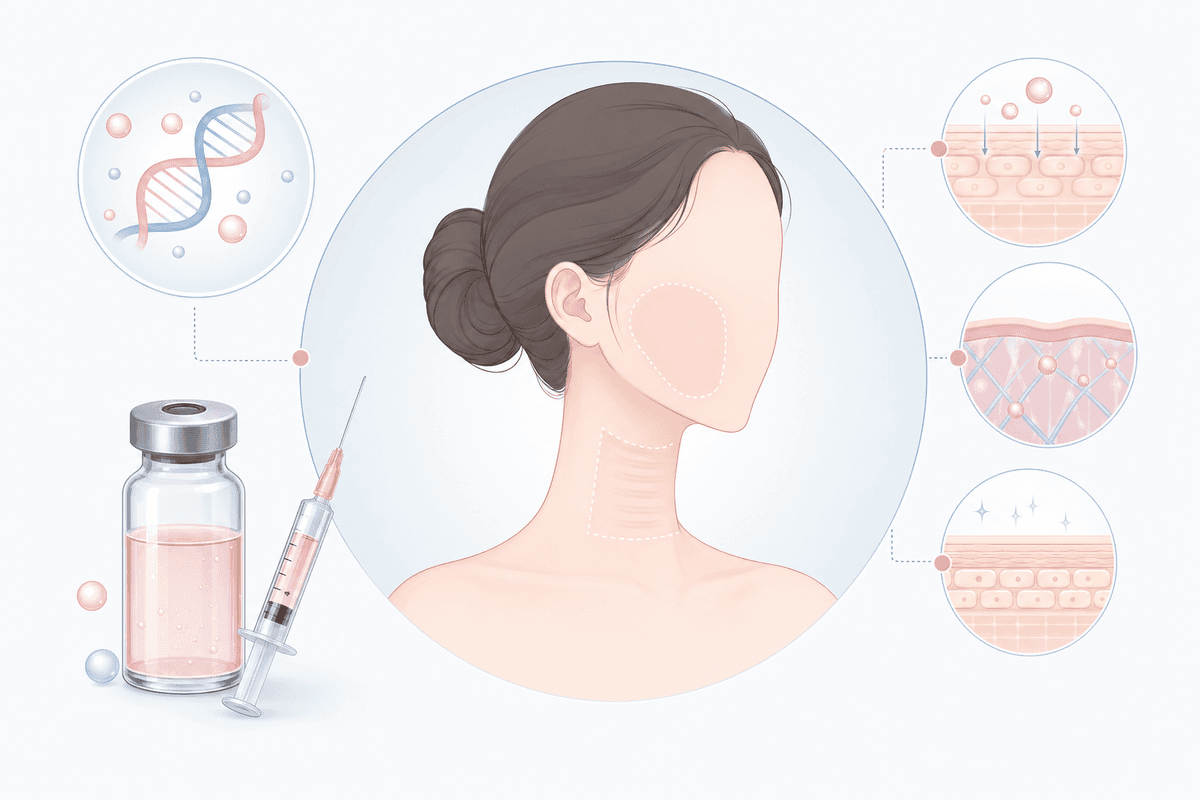
- Direct injection of intercellular signaling molecules
- First domestic approval in 2021
Everyone talks about regenerative procedures, but Exosomes are different
Stem cell conditioned media used to be the pinnacle of regeneration, but since 2024, there's been more talk about Exosomes. What's the real difference?
The core debate is actually between 'conditioned media versus intercellular signaling molecules'.
Stem cell conditioned media is a mixture containing growth factors secreted by cells as they grow.
Exosomes, on the other hand, are purified nano-vesicles sized 30-150nm, acting like couriers that directly transmit signals between cells.
Why the Boom Now, After Approval by the MFDS in 2021
The first domestic Exosome product was approved in 2021, but search volume has more than tripled since 2023. There are two main reasons.
First, purification technology has stabilized, leading to a wider range of product options.
Second, it became known that Exosomes can be immediately combined with laser and radiofrequency treatments.
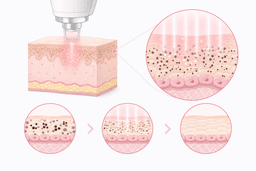
While traditional conditioned media was mostly applied during the recovery phase, Exosomes can be injected or applied during the procedure itself, establishing them as a one-stop regeneration routine.
Clinical Data A 2024 survey of Korean dermatology clinics showed that the rate of combining Exosome treatments increased 4.2-fold compared to two years prior. The perceived difference in recovery speed was cited as the biggest reason.
OX Quiz
Exosomes are always more potent than stem cell conditioned media.
Check the answer
X The difference lies not in the 'potency' but in the 'target specificity'. Conditioned media promotes broad regeneration, while Exosomes are advantageous for transmitting specific signals. The selection criteria vary depending on the objective.
So, are they more effective than conditioned media?
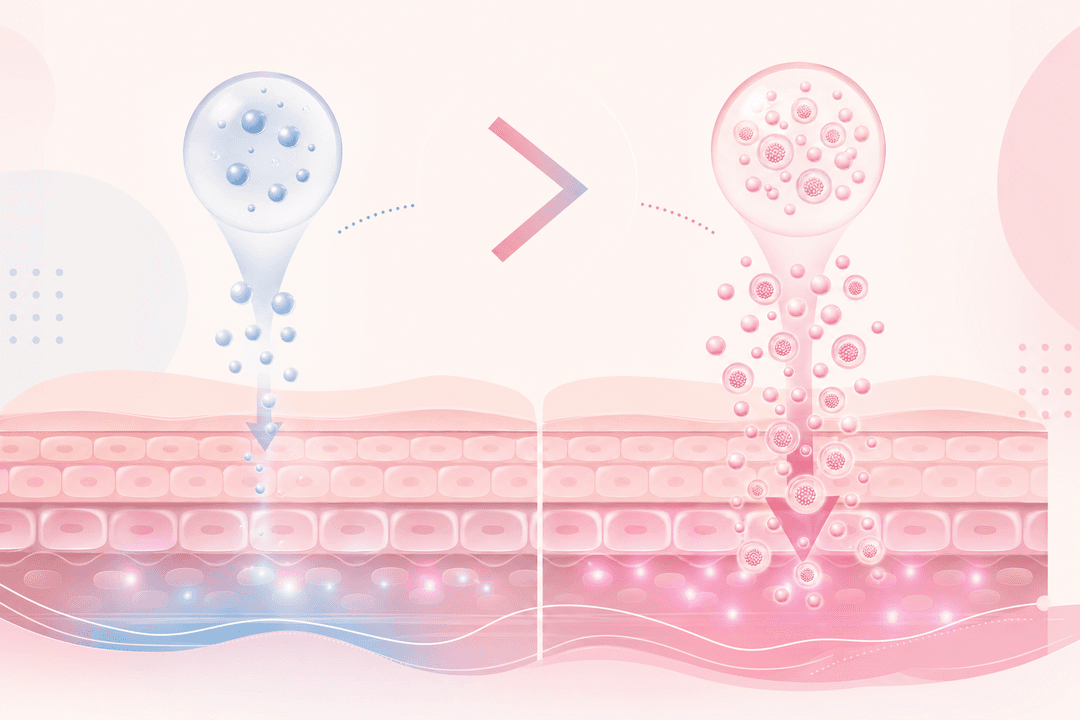
It's more accurate to say 'more targeted' rather than 'more potent'. Conditioned media contains dozens of mixed growth factors, making it difficult to predict where and how much they will act.
Exosomes are designed to bind to specific cell surface receptors, directly reaching target areas like collagen production or inflammation control.
In fact, domestic clinical data shows that the group treated with Exosomes after fractional laser experienced an average of 1.8 days shorter erythema duration compared to the conditioned media group.
The difference in how quickly swelling subsided was significantly noticeable.
- Signal transmission accuracy dictates regeneration speed
- Post-procedure erythema reduced by an average of 1.8 days
Why Prices Vary by Clinic
Exosome products differ based on the type of source cells (e.g., adipose-derived stem cells, placental stem cells). Purification processes also vary significantly.
The dosage used also ranges from 1-5cc per clinic, so even for the same 'Exosome procedure', the cost can range from 200,000 to 800,000 KRW.
Don't choose based on price alone; check which product is used and in what quantity. Some places might mix in a minuscule amount while advertising 'includes Exosomes'.
It's practical to ask for the product name and dosage before the procedure.
| Source Cells | Key Features | Average Cost (1 Session) |
|---|---|---|
| Adipose Stem Cells | Enhanced collagen production signaling | 300,000-500,000 KRW |
| Placental Stem Cells | Inflammation control & regeneration balance | 400,000-800,000 KRW |
| Umbilical Cord Blood Stem Cells | Focus on immune modulation | 500,000-700,000 KRW |
Costs may vary depending on the product, dosage, and medical institution.
Selection Guide
If you want to speed up recovery after laser treatment
Combine with Exosome injection on the day of the procedure
If you're looking for regenerative effects within a budget of 300,000 KRW or less
Apply Stem Cell Conditioned Media Ampoule
Misconceptions
Myth Exosomes are an upgraded version of stem cell conditioned media.
Truth Conditioned media contains mixed growth factors, while Exosomes are purified signaling molecules; their mechanisms are fundamentally different. The choice depends on the situation.
Must-Check Items Before Exosome Procedures
- Verify the product's origin and purification process. There have been cases of using unapproved overseas products.
- A patch test is recommended before the first treatment due to the possibility of allergic reactions.
- Consult a specialist if you are pregnant, breastfeeding, or have an immune disorder.
Frequently Asked Questions
Can I go to work immediately after an Exosome procedure?
If injected, there may be minor needle marks, allowing makeup application the next day. If combined with laser treatment, the recovery period will follow that of the laser procedure.
How long do the effects last?
The skin naturally produces collagen after receiving regenerative signals, so the effect of a single treatment lasts for 2-3 months and gradually diminishes thereafter.
Are there any side effects?
Rarely, swelling or bruising at the injection site may persist for 2-3 days. Allergic reactions are possible depending on the product's ingredients, so prior confirmation is necessary.
Lumi's Take
Exosomes are gaining popularity not because they are a new technology, but because they represent a deeper understanding of regeneration principles. It's not that conditioned media is bad; it's about choosing the right option for your purpose. If you're contemplating a procedure, simply ask 'What product is being used and how much?' before you start. That's the key to understanding the price differences.
This content is for informational purposes only and does not substitute medical advice. Always consult with a specialist before undergoing any procedure.