Hormone Therapy: A 6-Month Difference in Efficacy for 3 Types
- The Decisive Reason Why Hormone Therapy Differs Between 3 Months vs. 6 Months
- The absorption rate and sustained mechanism within the body vary completely between bioidentical, synthetic, and pellet forms.
- Age, symptoms, and lifestyle change the selection criteria.
Information as of October 2026
Criteria for Choosing Bioidentical, Synthetic, or Pellet Hormones
- Bioidentical hormone duration: 3-6 months
- Synthetic hormone side effect rate: 15-20%
- Pellet treatment effect: 4-6 months
The Most Confusing Moments in the Clinic
Yesterday, one patient spent a long time looking at three different hormone therapy instruction manuals.
"They all say they're for female hormone replacement, so why are they so different?" they asked, tracing the price list with their finger.
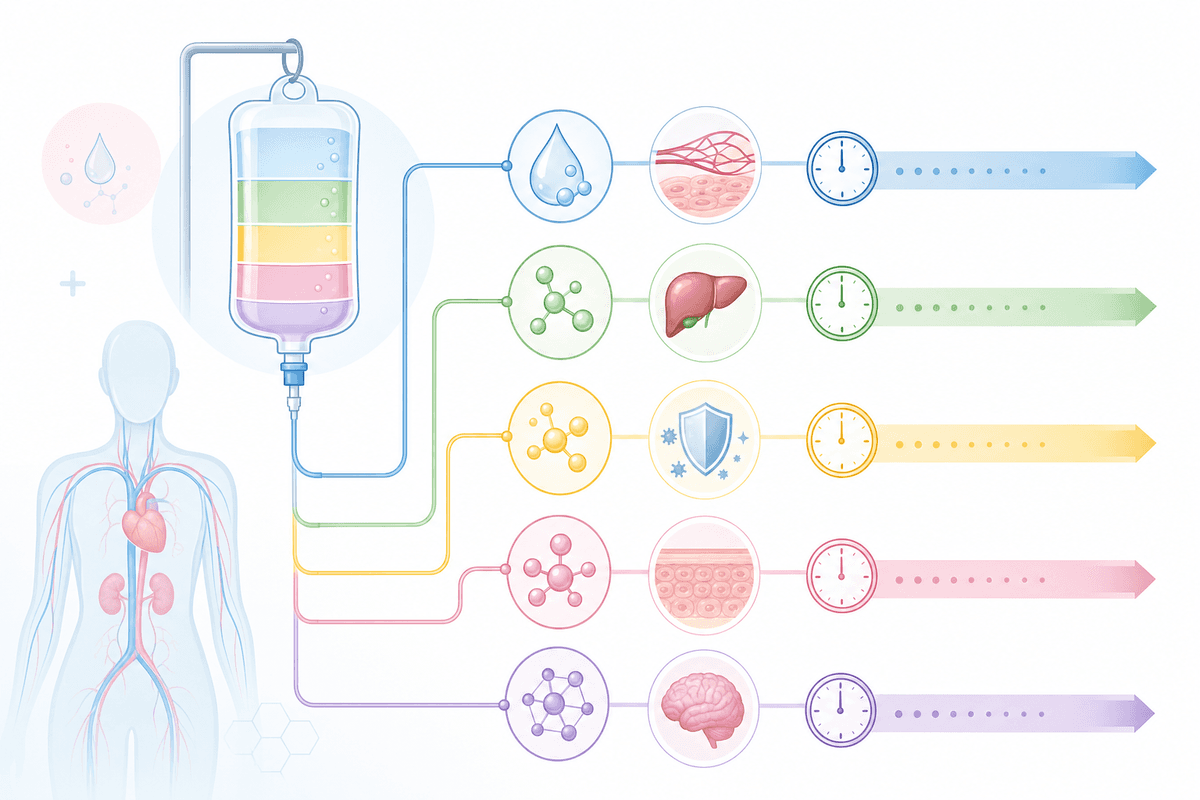
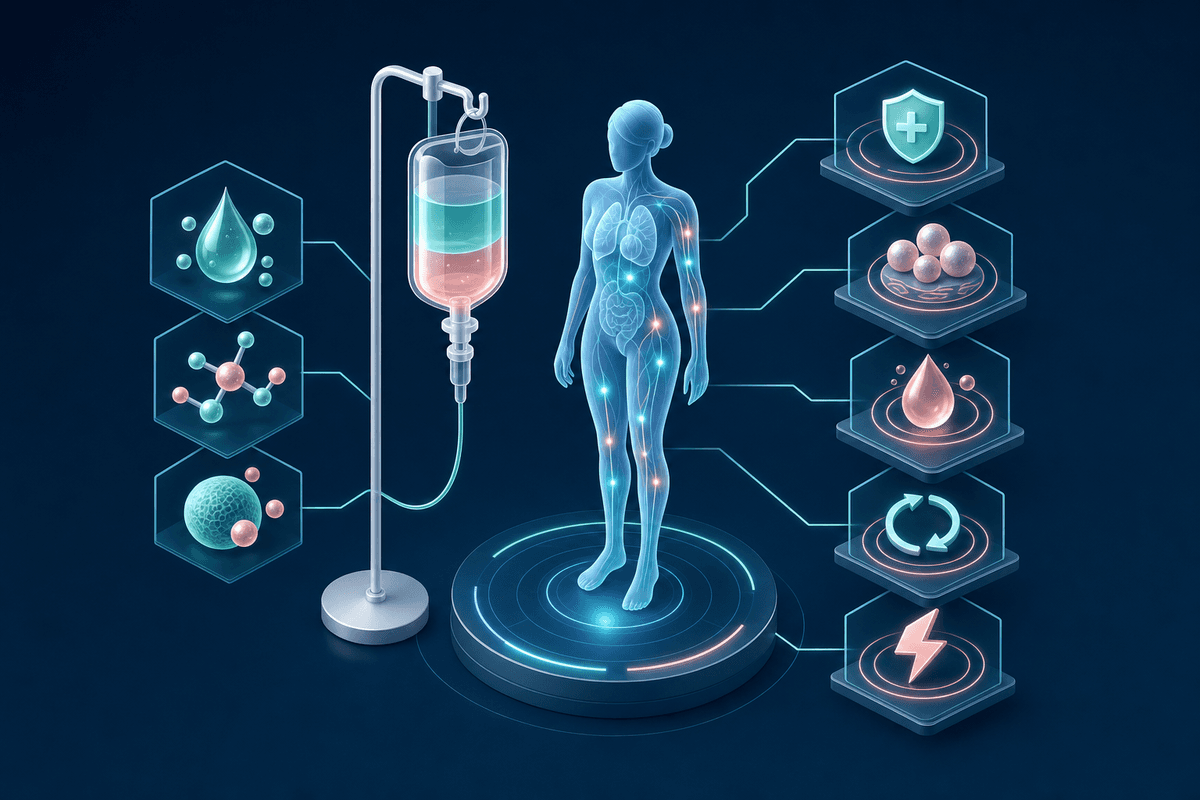
While they all treat menopausal symptoms, bioidentical hormones, synthetic hormones, and hormone pellets work differently in the body.
This leads to completely different durations, side effect patterns, and management methods.
3 Months vs. 6 Months: The Difference is Absorption Rate
Bioidentical hormones are slowly absorbed through the skin via creams or gels, while synthetic hormones are processed by the liver as pills. Pellets are inserted under the skin to maintain a stable concentration for 4-6 months.
Bioidenticals require dose adjustments every 3-6 months, and while synthetics are taken daily, liver metabolism leads to a side effect rate of 15-20%.
With pellets, you don't have to worry for six months after insertion, but if you miss the timing for re-treatment, symptoms can return suddenly.
Key Point: 2023 Clinical Guidelines from the Korean Society for Menopause: Bioidentical hormones were reported to cause 30% less breast stimulation compared to synthetic hormones, but significant individual concentration variations were noted.
True/False Quiz
Bioidentical hormones are always safer than synthetic hormones.
Check Answer
X Bioidentical hormones also have significant individual concentration variations, and overuse can increase the risk of endometrial hyperplasia. "Natural = always safe" is not necessarily true.
Side Effect Patterns: This is Where the Real Difference Lies
Synthetic hormones are metabolized in the liver, increasing the risk of blood clots. Cardiovascular events have been reported, particularly in individuals over 50.
With bioidentical hormones, skin rashes and itching are common in the initial two weeks but usually resolve as the body adapts.
Pellets carry a risk of infection at the insertion site (1-2%) or pellet expulsion (5%). However, the fact that there's no daily stress of taking medication or applying creams is why many working mothers in their 40s choose this option.
| Category | Duration | Main Side Effects | Management Frequency |
|---|---|---|---|
| Bioidentical | 3-6 months | Skin rash, concentration variability | Daily application |
| Synthetic Hormone | Continuous while taking | Blood clots, liver strain | Daily intake |
| Hormone Pellet | 4-6 months | Infection (1-2%), expulsion | Single procedure |
Effects and side effects may vary depending on individual health status and age.
Ultimately, Your Situation is the Deciding Factor
If applying or taking something daily feels burdensome, pellets are suitable. If you want precise concentration control, bioidentical hormones are the way to go. If you prefer insurance coverage or are comfortable with oral medications, synthetic hormones might be best.
Age, underlying health conditions, and lifestyle are all variables.
If menopausal symptoms are severe and rapid relief is needed, pellets or synthetics are preferred. If the goal is long-term maintenance with minimized side effects, bioidentical hormones tend to be favored.
Instead of deciding alone, the standard approach is to get your hormone levels tested and consult with a specialist.
- Pellet selection rate is 35% higher among women in their 40s
- Bioidentical cream concentrations can vary by 10% monthly
Finding the Right Hormone Therapy for You
If daily routines are cumbersome and you frequently travel for extended periods
Hormone Pellets
Maintain stable concentration for 4-6 months without daily management
If you are sensitive to side effects and prefer a gradual start
Bioidentical Hormone Cream
Flexible dosage adjustments, 30% lower side effects compared to synthetics
Important Checks Before Starting Hormone Therapy
- Pre-screening is essential if you have a family history of breast or endometrial cancer.
- Consult a specialist before using synthetic hormones if you have a history of blood clots or liver disease.
- Avoid saunas and strenuous exercise for 48 hours after pellet insertion (to prevent infection).
Frequently Asked Questions
Can I get an MRI after pellet insertion?
Pellets are non-metallic and do not interfere with MRI scans, but inform your medical team beforehand if you are undergoing the procedure immediately after insertion.
Do I need to apply bioidentical cream at the same time every day?
Within ±2 hours of your morning routine is sufficient. Applying too late can cause fluctuations in blood concentration.
Will my symptoms return immediately if I stop hormone therapy?
With pellets, symptoms typically start to recur gradually after about 4 weeks. For synthetics, symptom recurrence is common within 2-3 weeks. Plan the timing of discontinuation with your specialist.
Lumi's Word
There's no single "best" hormone therapy. What your body needs right now and how your day unfolds are the primary considerations. Looking at your test results alongside your lifestyle patterns will reveal the answer. I support your choice for yourself today!
This content is for informational purposes only and does not substitute for medical advice. Always consult with a specialist before starting hormone therapy.