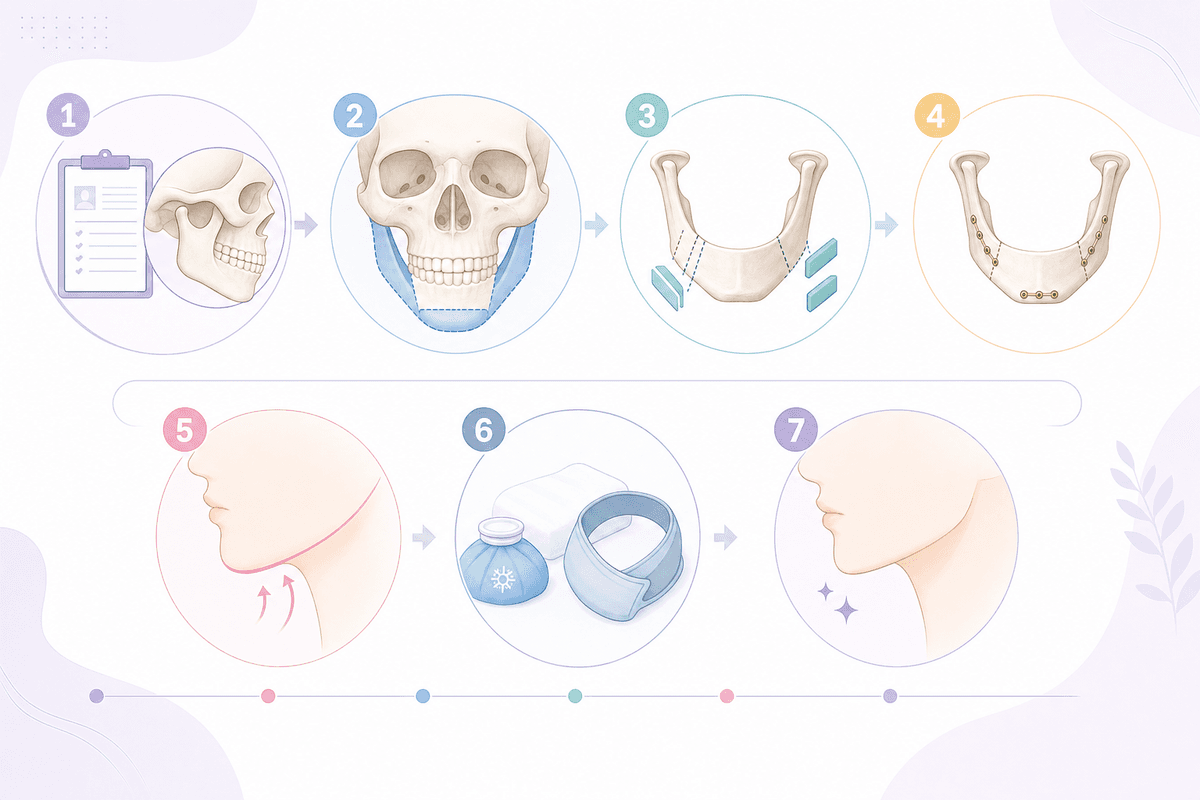
Lower Eyelid Surgery: 3 Stages, 30 Minutes of Local Anesthesia, 2 Weeks of Bruising Routine

- 3 questions asked during consultation can make or break your surgical results
- A 30-minute procedure under local anesthesia allows for same-day discharge, but the first 72 hours of care are crucial for determining the outcome.
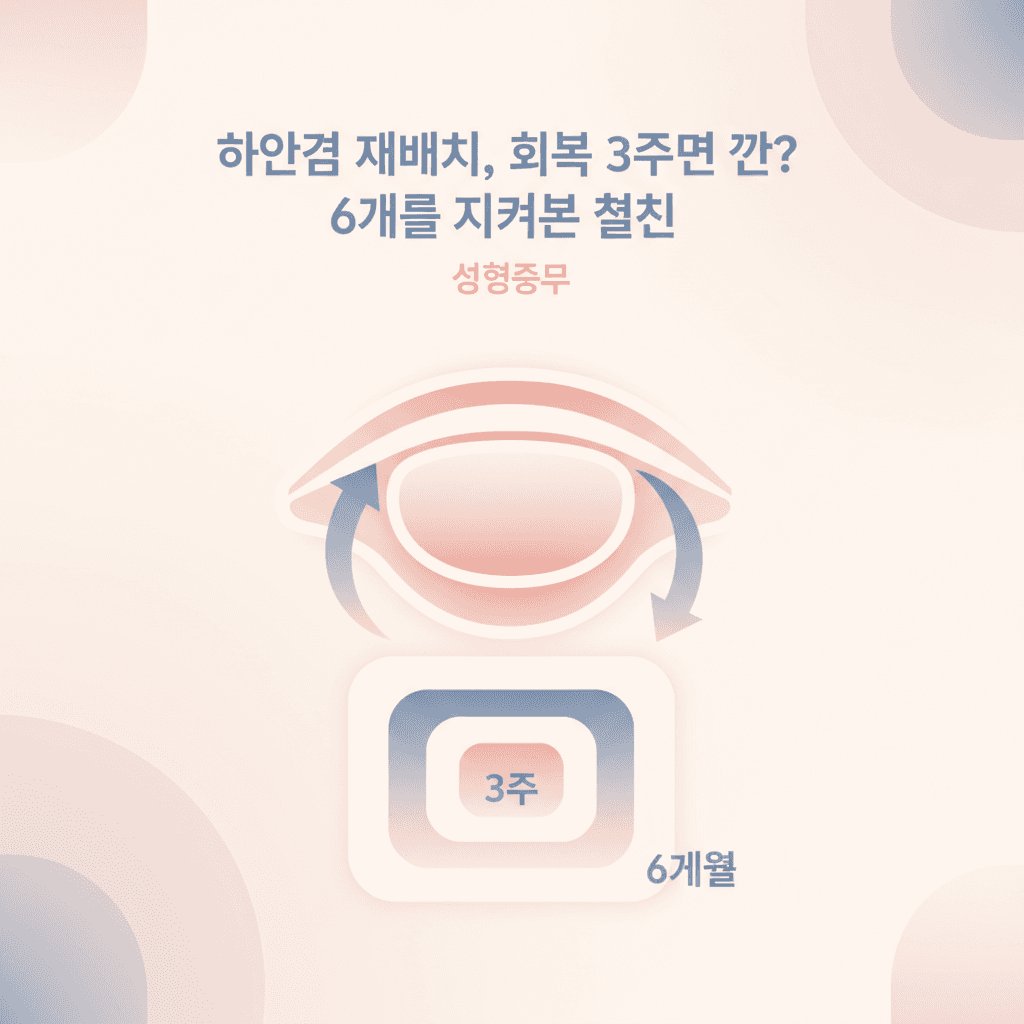
- Bruising typically lasts 2 weeks on average, but can range from 5 days to 3 weeks depending on the individual.
Information as of October 2026
Practical Timeline: Consultation, Surgery Day, and Recovery
- Surgery time: 30-40 minutes
- Discharge on the same day after local anesthesia recovery
- Bruising recovery: 7-14 days
Everyone just asks about surgery time, but...
What truly determines the outcome of lower blepharoplasty isn't the surgery time, but rather the 3 questions asked during the consultation. Surprisingly, 90% miss this crucial point.
The first question is: "Will you be removing fat only, or repositioning it?"
With lower blepharoplasty, removing only fat can lead to a sunken appearance under the eyes, whereas fat repositioning maintains volume while filling in the hollows.
The second question is about the "incision site (inner conjunctiva vs. outer skin)," and the third is "whether to fix the muscle."
30 minutes on surgery day, but actually 2 hours
The actual surgery time for lower blepharoplasty is 30-40 minutes based on the surgeon's work alone. However, the total time from arriving at the clinic to leaving is approximately 2 hours.
This includes about 15 minutes for design, 5 minutes for local anesthesia, 30 minutes for surgery, and 40 minutes for waiting in the recovery room.
You can converse during the surgery with local anesthesia, but you will feel a pulling sensation under your eyes. It's more of a pressure than pain.
Immediately after surgery, steri-strips will be applied to your under-eyes, and you'll receive a cold compress pack before going home the same day. Stitches are typically removed after 5-7 days.
Caution Driving is prohibited on the day of surgery. Even with local anesthesia, sensation around the eyes can be dulled and vision may be blurred, so it's safest to have a companion with you.
OX Quiz
The recovery period for bruising after lower blepharoplasty is determined by the doctor's skill.
Check the answer
X Bruising recovery speed is 90% determined by your cold compress routine and lifestyle habits for the first 72 hours. Even with the same doctor, the recovery can vary from 5 days to 3 weeks depending on whether you bend over or consume alcohol.
The first 72 hours make or break the bruising
Bruising after under-eye fat surgery typically lasts 7-14 days, but the difference between someone returning to work in 5 days and someone taking 3 weeks lies in the first 3 days.
Swelling peaks around 48 hours, and how diligently you apply cold compresses (15 minutes on, 45 minutes off) during this time significantly impacts recovery speed.
Bending over, sleeping on your side, and consuming salty foods are strictly prohibited during this period. Even a single drink of alcohol can prolong bruising by over a week due to vasodilation.
Contact lenses are recommended over glasses until stitches are removed, and makeup is permissible after 7 days.
| Day | Condition | Allowed Activities | Prohibited Activities |
|---|---|---|---|
| Days 1-3 | Peak swelling, bruising begins | Cold compresses, sleep with head elevated | Bending over, contact lenses, alcohol |
| Days 4-7 | Bruising turns yellow | Light outings, stitch removal | Exercise, sauna, glasses |
| Days 8-14 | Bruising reduced by 80% | Makeup, contact lenses, light exercise | Strenuous exercise, drinking |
Recovery speed varies individually, and diligent care during the first 72 hours can lead to differences ranging from 5 days to 3 weeks.
The real results appear after 2 weeks
It's not over just because the stitches are removed. The final results are visible at 3 months. At 2 weeks, only the bruising has subsided, and it takes 1-3 months for swelling to completely resolve.
So, if you feel "it's not that great?" right after surgery, don't be impatient.
Follow-up appointments are typically scheduled for 3 times: at 1 week, 1 month, and 3 months. During these visits, we check if the fat repositioning is stable and if the hollows have reappeared.
If hollowness persists even at 3 months, minor adjustments are often made with fillers rather than revision surgery.
- Final result confirmation: 3 months
- Revision surgery rate: Less than 5% (Korean plastic surgery statistics)
Anesthesia and Recovery Choices by Situation
If you're a working professional and want to minimize time off
Local anesthesia + Friday surgery + intensive cold compresses over the weekend
By Monday, 70% of bruising can be covered with makeup for work.
If you tend to bruise easily
Sedation anesthesia + 2 weeks of leave + companion for the first 3 days
While sedation anesthesia doesn't necessarily cause less bruising than local, it reduces anxiety during the procedure.
Common Misconceptions
Misconception Since it's local anesthesia, you can return to daily activities immediately on the same day.
Truth While the anesthesia wears off the same day, swelling peaks at 48 hours, so it's recommended to stay home for the first 3 days. Cold compresses and rest are essential during this period.
Actions Strictly Prohibited for 2 Weeks Post-Surgery
- !!Bending over to wash your face or hair!!: Blood can pool under the eyes, doubling or tripling the duration of bruising. Shower with your head held up or visit a hair salon.
- !!Alcohol, smoking, and salty foods!!: Alcohol causes blood vessels to dilate, prolonging bruising by over a week, and sodium exacerbates swelling.
- !!Sleeping on your side or stomach!!: Pressure on the surgical site can disrupt the fat repositioning. For 2 weeks, you must sleep on your back with your head elevated by two pillows.
Frequently Asked Questions
Can I go to work the day after surgery?
Local anesthesia makes it possible, but it's not recommended. Swelling is at its peak, making it difficult to concentrate on work, and simple actions like bending over can worsen bruising.
Does it hurt when stitches are removed?
Removal at 5-7 days is just a slight pinch. The skin under the eyes is thin, so it feels more like pulling than pain, and it's over in less than 5 minutes.
What is the risk of side effects after surgery?
The most common side effect is temporary excessive tearing (5-10%). Most cases resolve within 2 weeks, but in rare instances, ectropion (inversion of the lower eyelid) may occur, requiring revision surgery.
Lumi's Take
Clarifying "fat repositioning vs. removal" during the consultation alone can halve your chances of regret. The first 3 days of cold compresses are more crucial for the outcome than the surgery time, so truly stay homebound for those 3 days. After 2 weeks, when you look in the mirror, you'll understand why you did it.
This content is for informational purposes only and does not substitute for medical advice. Always consult with a specialist before undergoing any procedure.