3 days post-peel, 72 hours for managing peeling and exfoliation
- Why even a one-day difference in exfoliation timing can extend recovery by a week
- The 72 hours post-peel are the critical window that determines whether you experience hyperpigmentation or sensitivity.
- Forcibly removing dead skin cells triples the inflammatory response and drastically increases the risk of hyperpigmentation.
- 3.2x higher risk of hyperpigmentation within 72 hours
- 7-day difference in exfoliation timing
- 3-14 days individual recovery period variation
What Happens in Front of the Mirror on the First Day After a Peel
A patient who received a peel yesterday called me in a panic this morning after looking in the mirror. Their face was flushed red and their skin felt tight, leaving them unsure if it was normal or a side effect.
Actually, these reactions are a sign that the peel is working properly.
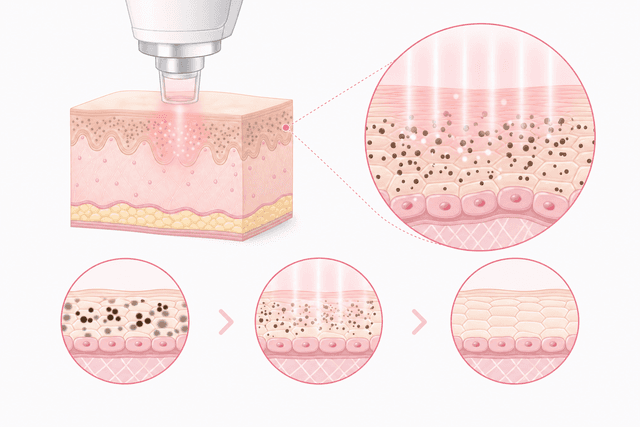
A peel is a procedure that intentionally removes the stratum corneum. During this process, the skin enters a recovery mode for 48 hours.
Redness, stinging, and dryness typically peak within 72 hours and then subside.
72 Hours: The Golden Time for Pigmentation
The first 3 days after a peel are when the skin barrier is weakest. During this time, UV exposure, friction, and heat can activate melanin production more than 3 times the normal rate (Korean Dermatological Association, 2023).
Even indoor lighting is not an exception — you should reapply sunscreen with SPF 30 or higher even under fluorescent lights.
Surprisingly, many people skip sun protection thinking, "I'm just staying indoors." If you are exposed to sunlight unprotected even once within 72 hours, the risk of hyperpigmentation increases dramatically.
Strictly adhering to this period will significantly speed up recovery.
Caution Reapply SPF 50+ PA++++ products every 2 hours for the first 3 days after your peel. Indoor lighting and blue light can also stimulate melanin production.
OX Quiz
If peeling starts after a peel, immediately removing the dead skin is good for recovery.
Check the answer
X Even if you see peeling skin, you should wait for natural shedding between days 5-7. Forcing it off can prolong inflammatory reactions by 3 times and lead to hyperpigmentation. Waiting one extra day can advance recovery by a week.
When Should You Remove Exfoliated Skin?
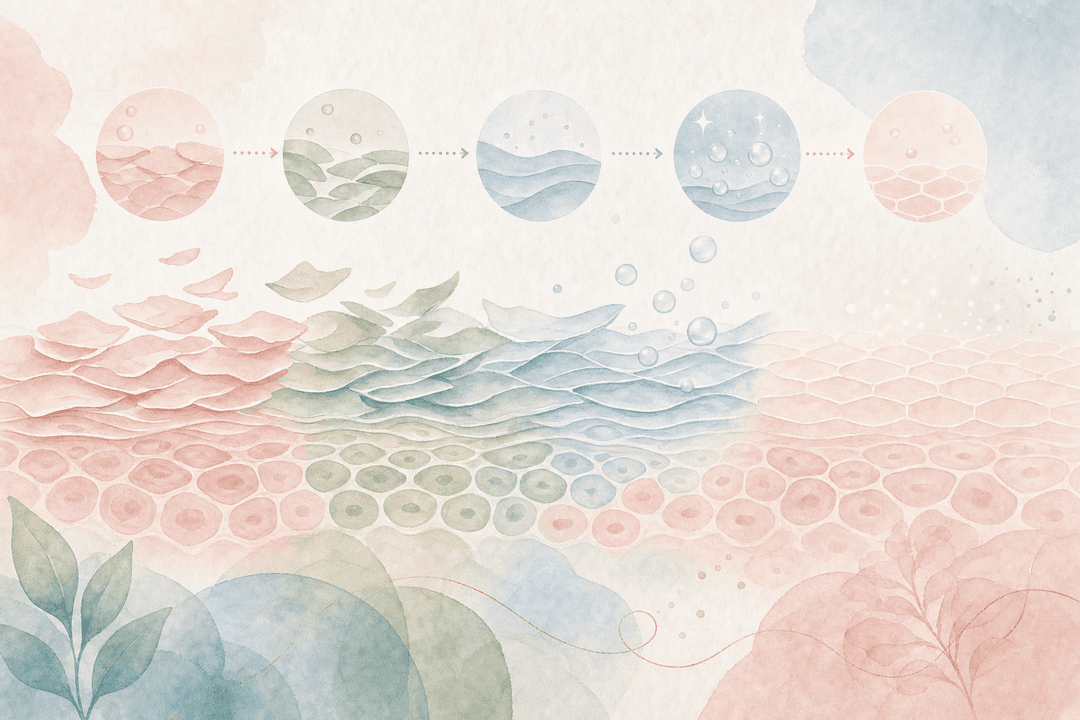
The most common mistake is picking off the dead skin as soon as it appears. Peeling may start to become visible from day 2-3, but this is not yet the stage to remove it.
You need to wait until your skin is ready to shed it naturally for it to come off cleanly without inflammation.
Typically, the dead skin will naturally lift and fall off around days 5-7. If you force it off, the delicate skin underneath will be exposed, leaving red marks or hyperpigmentation.
A single day's difference in removing exfoliated skin can affect the recovery period by a week.
Details That Make a Difference in Recovery
Post-peel care is all about simplifying your routine. High-concentration serums, retinol, and acid-based products should be avoided for at least 2 weeks.
Instead, stick to simple moisturizers with ingredients like ceramides, panthenol, and hyaluronic acid. Washing your face with lukewarm water should be completed within 30 seconds.
Saunas, steam rooms, and excessive exercise are prohibited for 2 weeks. Increased body temperature can prolong inflammatory reactions.
Even a single drink can dilate blood vessels, potentially prolonging redness for over 3 days. Adhering to these details will ensure you get the full benefits of the peel while minimizing side effects.
- 72-hour sun protection prevents 85% of hyperpigmentation
- Waiting for natural shedding of dead skin shortens recovery by 7 days
Recovery Periods by Peel Strength
Mild Peel (AHA 30% or less) [Everyday Use]
- Redness: 1-2 days
- Peeling: 3-5 days
- Full Recovery: 7 days
Return to work possible, makeup from the next day
Medium-Strength Peel (TCA 15-25%) [Intensive]
- Redness: 3-5 days
- Peeling: 5-7 days
- Full Recovery: 10-14 days
Consideration for social activities essential, weekend start recommended
Misconceptions
Myth Removing dead skin immediately after it appears leads to better results.
Truth Forcing off dead skin exposes the delicate skin underneath, increasing the risk of inflammation and hyperpigmentation by 3 times. Waiting for it to naturally shed between days 5-7 is the safest approach.
Actions to Strictly Avoid After a Peel
- Picking at dead skin or using scrubs (risk of hyperpigmentation/scarring)
- Neglecting sun protection within 72 hours (3x increase in melanin production)
- Saunas, steam rooms, and excessive exercise for 2 weeks (prolonged inflammatory response)
Frequently Asked Questions
When can I return to work after a peel?
For mild peels, you can wear makeup the next day. For medium-strength peels, makeup coverage is possible after 3-5 days.
What should I do if I develop hyperpigmentation after a peel?
Immediately intensify sun protection and seek a follow-up appointment within 2 weeks. Early intervention can lead to improvement within 3 months in most cases.
How should I wash my face after a peel?
Wash with lukewarm water within 30 seconds and gently pat your face dry with a towel instead of rubbing.
References
- Guidelines for the Prevention of Post-Chemical Peel Hyperpigmentation — Korean Dermatological Association, 2023
- Chemical Peeling Post-Care Protocol — Journal of Clinical and Aesthetic Dermatology, 2022
Lumi's Note
If you strictly follow the first 3 days after your peel, your skin will do the rest. Resist the urge to pick at your dead skin, and diligently reapply sunscreen. You might feel anxious every time you look in the mirror, but if you can endure those 72 hours, you'll see your skin has reached a new level.
This content is for informational purposes only and does not substitute medical advice. Always consult with a specialist before undergoing any procedure.