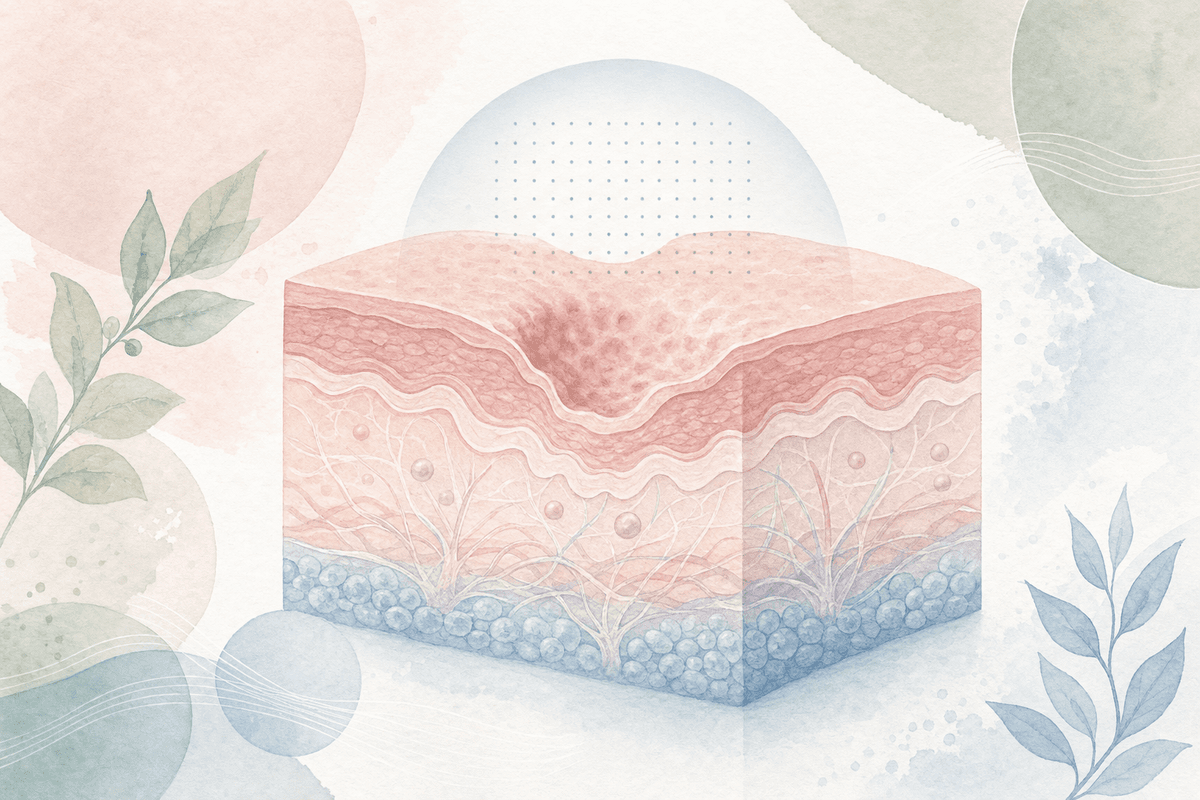
A Comprehensive Guide to Post-Filler Care by Stage: 3 Days, 1 Week, and 1 Month
- The first three days after a filler procedure are the "golden time" that determines the final duration of the effect, not only for managing swelling and bruising but also for other purposes.
- The timing for re-treatment varies by area, such as the cheeks, lips, and forehead, and daily habits that prevent premature breakdown determine the 6-month duration.
- While HA fillers can be corrected immediately with hyaluronidase, collagen-stimulating fillers cannot be reversed once injected, so the maintenance strategy differs.
Information as of June 2026
Meticulously checking even the re-treatment cycle
- The first 72 hours determine 40% of the duration
- Re-treatment cycle by area: 6-18 months
- Average domestic filler revisit rate: 68%
72 Hours Determine Duration
Care 72 Hours Immediately After Filler Procedure Determines 40% of the Final Duration There are results from a 2021 follow-up study by the Korean Dermatological Association. If you thought you only needed to manage bruising and swelling, this period is the critical timing for the filler to settle into the tissue. Hyaluronic acid (HA) fillers absorb surrounding moisture and expand in volume by up to 30% for 48 hours after injection. If pressure, friction, or heat is applied during this process, the filler particles may shift or spread unevenly, potentially causing asymmetry such as a "sinking sensation on one side." For the first three days, avoid saunas, steam rooms, and high-temperature showers (above 38 degrees Celsius), and temporarily stop habits such as rubbing your face or sleeping on your stomach. Wash your face gently with lukewarm water, patting it dry rather than rubbing with a towel. Caution: Exercising or drinking alcohol on the day of the procedure can drastically increase blood flow, potentially increasing swelling by more than three times. In particular, spicy foods after lip fillers can cause a local inflammatory response, so follow a mild diet for 48 hours. 72 hours after procedure: HA filler expansion period; avoid pressure, heat, and friction. Wash face and shower water temperature below 36 degrees; only pat with a towel. Do not sleep on your stomach or side (sleep on your back for 3 days). Swelling and bruising: How long do they remain normal?
Swelling usually goes away naturally in 2-3 days, and bruising in 5-7 days. However, since the tissues on the lips and under the eyes are thin, swelling can last up to 5 days and bruising up to 10 days. For swelling management, apply a cold compress for 15 minutes, 3-4 times a day (wrap the ice in gauze to avoid direct contact). For bruising, starting 48 hours after the procedure, applying a warm compress to promote blood flow speeds up recovery, but since excessive heat accelerates filler breakdown, use a lukewarm temperature of 38 degrees or lower. If bruising persists for more than 10 days or is accompanied by pain or heat on only one side, it could be a sign of vascular occlusion or infection. In this case, contact the clinic where the procedure was performed immediately to consult about the possibility of a hyaluronidase injection (an immediate HA filler disintegrator).
| Symptoms | Normal Range | When to Contact the Clinic |
|---|---|---|
| Swelling | 2-3 days (Lips/Under-eyes: 5 days) | 5 days or more + sensation of heat |
| Bruising | 5-7 days (Under-eyes: 10 days) | 10 days or more + pain |
| Asymmetry | Natural within 1 week Alignment | Lasts for 2 weeks or more |
| Firmness | 2-4 weeks: Gradual softening | 4 weeks or more + pain upon pressure |
Recovery period may vary depending on individual vascular distribution, treatment site, and filler viscosity.
- Cold compress 15 minutes × 3-4 times/day (up to 48 hours)
- Lukewarm compress (after 48 hours~)
- Bruising lasts for 10 days or more + pain → Consult with Hyaluronidase
Daily care after filler procedure, 1 week · 1 month Checklist Week 1 is the period when filler particles settle into the tissue. During this time, you must avoid all actions that apply strong pressure. Facial massages, extractions at skin care clinics, scuba diving, and exposure to strong magnetic fields like MRI can also cause filler migration. Makeup is possible 24 hours after the procedure, but do not press or rub with a foundation sponge; instead, pat it on. Since cleansing oil may cause HA fillers to break down prematurely, it is safer to gently wipe with micellar water for one week. From the first month onwards, the fillers will have fully settled, allowing most people to return to their daily routines. However, laser treatments (Pico and lifting lasers), radiofrequency, and ultrasound treatments accelerate filler breakdown, so please avoid the treated area or leave a gap of at least 4 weeks. Tip: What if you received both Botox and fillers? Since Botox completes muscle fixation within 2 weeks, light massage is possible while avoiding the filler area. However, pressure on the filler treatment site is still prohibited for 4 weeks. Week 1: No facial massage, extraction, MRI, or scuba diving. Week 1: Use micellar water instead of cleansing oil. Month 1: Avoid laser and radiofrequency treatments on the treatment site or wait 4 weeks. Week 1: The duration of filler effects varies by area. The duration of filler effects ranges from 6 to 18 months, depending on the product, treatment area, and individual metabolic rate. Looking at the average duration of effect for representative HA filler brands, Restylane lasts 6-9 months, Juvederm Voluma lasts 12-18 months, and Belotero lasts 6-12 months. By area, areas with a lot of movement, such as the lips and nasolabial folds, are absorbed the fastest at 6-9 months, while areas with less movement, such as the cheeks, temples, and chin, last up to 12-18 months. The skin under the eyes is thin, making it prone to fillers showing through or lumps (Tyndall effect). Therefore, it is common to inject small amounts of low-viscosity products, and the duration of effect is moderate, ranging from 9 to 12 months.
Collagen-stimulating fillers (e.g., Sculptra, Radiesse) generate collagen gradually rather than immediately, so the effects last for more than two years, but once injected, they cannot be reversed with hyaluronidase. Unlike HA fillers, the standard procedure involves 3-4 split sessions, and the aftercare method is also different.
| Area | Average Duration | Recommended Time for Re-treatment |
|---|---|---|
| Lips · Nasolabial Folds | 6-9 Months | When 50% of the effect remains (4-6 months) |
| Cheeks · Temples | 12-18 Months | When 30% of the effect remains (9-12 months) |
| Under-eyes | 9-12 months | 6-9 months if no lumps form |
| Chin/Forehead | 12-18 months | 12 months after contour maintenance is confirmed |
The duration of maintenance may vary depending on product viscosity, individual metabolic rate, and lifestyle.
- Restylane 6-9 months, Juvederm Volume 12-18 months
- Lips/Nasolabial folds 6-9 months (high movement)
- Collagen Intense type (Sculptra) 2+ years but irreversible
Filler Re-treatment Cycle, When Is It Best?
The ideal timing for re-treatment is when 30-50% of the effect remains, rather than after it has completely dissolved. If you get it done again after it has completely disappeared, the tissue resets and must go through the expansion process again, but if you add a small amount while there is still residual filler, the volume continues naturally and the total amount used is reduced.
Lip fillers are generally re-evaluated at 4-6 months and touched up with about 0.3-0.5cc, and for cheek fillers, you can maintain the contour by adding only about 50% of the initial volume at 9-12 months. By doing this, you can reduce total annual costs and avoid the unnatural appearance caused by over-correction. However, if you continuously inject an excessive amount into the same area for more than two years, a phenomenon called "Filler Face" may occur, where the tissue stretches or filler accumulates. To prevent this, choose a clinic that checks for residual filler using ultrasound and adjusts the dosage during every procedure. Key Point: A domestic revisit rate of 68% signifies the "need for maintenance" rather than "satisfaction." It is not a one-time treatment; the key to natural maintenance is adjusting the interval between treatments according to your lifestyle and the rate of skin aging. Optimal time for re-treatment: When 30-50% of the effect remains Lips: 4-6 months, Cheeks: 9-12 months for touch-ups 'Filler Face' if excessive injection has been in place for more than 2 years Risk → Ultrasound confirmation is essential
Remember This

Fillers are not a 'one-time treatment', but first 72-hour care + re-treatment cycle by area + early breakdown Everyday habits that prevent it must work in tandem for it to last naturally. In particular, simply avoiding external stimuli such as high temperatures, pressure, and lasers can extend the duration by 20-30%. Since collagen-stimulating fillers and HA fillers require completely different care, be sure to check the product characteristics before the procedure and choose one that fits your lifestyle. You just need to remember that natural results come not from a single procedure, but from a maintenance strategy that continues little by little.
- Avoid pressure, heat, and friction for the first 72 hours → 40% difference in duration
- Touch-up when 30-50% of the effect remains = Continuing the natural look
- Avoid high temperatures, lasers, and massage → Extends duration by 20-30%
- Check remaining filler with ultrasound and adjust volume → Prevents filler face
Differences in Management Between HA Fillers and Collagen-Stimulating Fillers
HA Filler [Immediate Volume]
- Maintenance: 6-18 months
- Care: Avoid pressure and heat for the first 72 hours
- Retreatment: Touch-up when 30-50% of the effect remains
- Correction: Can be immediately broken down with hyaluronidase
Most products including Restylane, Juvederm, and Belotero
Collagen-stimulating type [Gradual generation]
- Maintenance: Over 2 years
- Care: 3-4 split treatments required
- Retreatment: 1-2 year intervals
- Correction: Irreversible (Permanent) Change)
Sculptra, Radiesse, etc., not immediate effects
Maintenance strategy tailored to my situation
6 months into lip filler, about half effect remaining
Continuing naturally with 0.3-0.5cc touch-up
Re-treatment after it has completely disappeared requires going through the expansion process again and increases the total cost
12 months into cheek filler, contour remains but volume is lacking Decrease
Add only about 50% of the initial volume
Adding a small amount while residual filler is present results in a natural look and avoids overcorrection
During regular laser toning or lifting treatments
Avoid lasers on the filler treatment site for at least 4 weeks
Radio frequency or laser heat accelerates the breakdown of HA fillers, shortening the duration of the effect by 20-30%
Performed multiple times on the same area over 2 years
Adjust volume after checking residual filler with ultrasound
Visual evaluation alone is insufficient to prevent 'filler face' caused by filler accumulation
Common misconceptions
Misconception You must wait until the filler has completely dissolved before getting another injection for a natural look
Truth On the contrary, it is more natural to get a small touch-up when 30-50% of the effect remains, and it also reduces total usage and costs. If you undergo a re-procedure after the filler has completely disappeared, the tissue is reset, so it must go through the expansion process again and the initial dosage must be used again.
Misconception You should never massage the area where filler was injected.
Truth It is true that pressure should be avoided for 4 weeks after the procedure, but light massage is possible after 4 weeks. However, extraction or deep tissue massage involving strong pressing or rolling should still be avoided due to the risk of filler migration.
Items Absolutely Forbidden After Filler Procedure

- !!72 hours after procedure: Sauna, steam room, high-temperature shower (38 degrees or higher), alcohol consumption, strenuous exercise!!
- 1 week: Facial massage, extraction, MRI, scuba diving, sleeping on stomach, sleeping on side
- 1 month: Laser, radiofrequency, or ultrasound treatment on the filler area (at intervals of at least 4 weeks)
- Cleansing oil (1 week), heavy-pressure sponge makeup
- Contact a hospital immediately if bruising lasts more than 10 days + pain or heat sensation persists (suspected vascular occlusion)
Frequently Asked Questions
Can I go to work the day after getting fillers?
It depends on the degree of swelling and bruising, but usually, you can go to work the next day. However, lip fillers can leave swelling for 3-5 days, so it is best to avoid them before important events. You can apply makeup after 24 hours, but please pat it on and do not rub it with a sponge. The area where I received the filler feels hard to the touch; is this normal? It is normal for the area to feel slightly hard for 2-4 weeks immediately after the procedure as the filler settles into the tissue. If you experience pain upon pressure or feel a lump after 4 weeks, there is a possibility of filler aggregation or inflammation, so please revisit the clinic where you had the procedure. What should I do to extend the duration of the filler? You can extend the duration by 20-30% simply by avoiding high temperatures (saunas, steam rooms), lasers, and radiofrequency, and by avoiding pressure and friction for the first 72 hours. For re-treatment, if you perform a small touch-up when 30-50% of the effect remains, it creates a natural transition and reduces the total cost. Can I avoid eating spicy food after lip fillers? It is safe to avoid spicy food for 48 hours after the procedure. Capsaicin can trigger a local inflammatory response that increases swelling. You can gradually return to a normal diet after 48 hours. Can I fly after getting fillers? In most cases, there is no problem if it is 24-48 hours after the procedure. However, as swelling may persist slightly due to the dry air in the cabin, please apply moisturizer frequently and ensure you drink plenty of fluids.
How do I deal with filler side effects?
HA fillers can be immediately broken down with a hyaluronidase injection, but collagen-stimulating types (Sculptra, Radiesse) cannot be reversed. If pain, heat sensation, or asymmetry persists, or if symptoms suspected of skin necrosis (paleness or discoloration) appear, emergency treatment is required within 24 hours, so please contact a hospital immediately.
This content is for informational purposes only and does not replace medical advice. You must consult a specialist before the procedure.