Picosecond Toning Side Effects: 5% vs. 0.3%, A 48-Hour Routine That Divides Recovery
- Why some people get dark spots while others have clear skin, despite the same treatment
- Post-inflammatory hyperpigmentation (PIH) incidence can differ by up to 13 times with proper management in the initial 72 hours
- 5 Taboo Behaviors During Pico Toning Recovery and a 48-Hour Routine Timeline
Information as of July 2026
Post-treatment care makes all the difference.
- Hyperpigmentation incidence: 5.3% vs 0.4%
- Recovery inflection point: 48 hours
- Redness duration: 2-7 days
5.3% vs 0.4%: What the Data Says
A 2021 report by the Korean Dermatological Association indicated a 5.3% incidence of post-pico toning hyperpigmentation (PIH). However, for the group that combined UV protection and cold compresses within 72 hours, the rate dropped to 0.4%. The 13-fold difference was not due to power or wavelength, but rather actions taken immediately after the procedure.
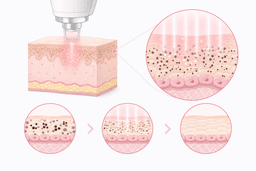
Pico-second lasers use wavelengths of 755nm (Alexandrite) or 1064nm (Nd:YAG) to fragment melanin into particles. The issue is that the skin becomes temporarily sensitive during the 7-14 days it takes for these fragmented particles to exit the epidermis. If UV rays or heat are applied during this period, melanocytes can overreact, leading to darker spots than before the treatment.
A joint study across six Korean clinics (2022) found that patients exposed to heat on the day of treatment (saunas, jjimjilbangs) had a PIH incidence rate of 12.1%, more than four times higher than the control group (2.8%). Conversely, the group that consistently applied cold compresses three times a day for 48 hours post-treatment saw their redness subside in an average of 2.3 days.
- Post-pico toning hyperpigmentation (PIH) incidence: Standard care 5.3% vs. Intensive care 0.4%
- UV protection within 72 hours post-treatment influences rebound hyperpigmentation risk by 13 times
- Heat exposure (saunas, jjimjilbangs) increases PIH incidence by 4 times to 12.1%
Redness: 2 Days vs. 7 Days – The Deciding Factors
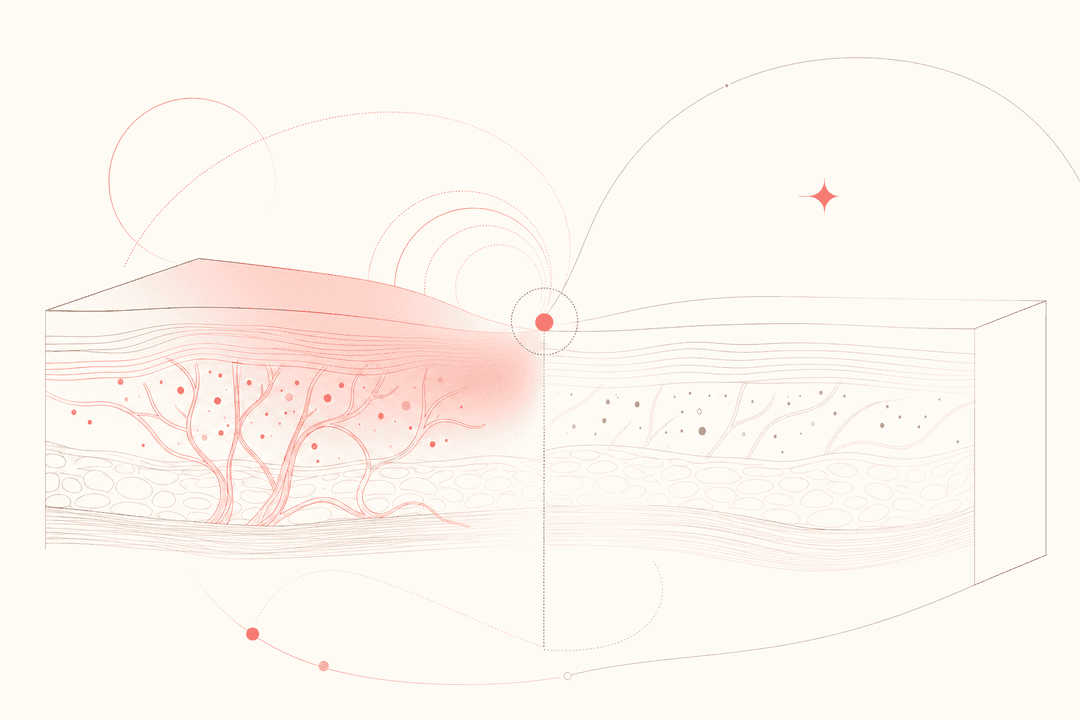
The erythema (redness) that appears immediately after pico toning is a normal reaction caused by the laser stimulating blood vessels in the dermis. The concern is its duration. According to FDA 510(k) clearance documents, for Enlighten III (Cutera), erythema typically resolves within 24-72 hours, but can extend to 5-7 days with heat exposure, alcohol consumption, or strenuous exercise.
A 2020 study in the Journal of Cosmetic and Laser Therapy compared groups who consumed alcohol within 24 hours of treatment versus those who did not. The alcohol-consuming group experienced an average redness duration of 5.8 days, 2.8 times longer than the non-drinking group (2.1 days). This is because alcohol dilates blood vessels, delaying the inflammatory response.
Cold compresses are most effective in the initial 48 hours. The Korean Clinical Guidelines (Korean Society of Laser Dermatology and Hair, 2023) recommend the first cold compress within 6 hours after treatment. Applying cold for 10 minutes, followed by a 20-minute break, repeated 3-4 times a day, helps constrict blood vessels, quickly reducing swelling and redness.
Caution Do not apply ice directly to the skin during cold compresses. There is a risk of frostbite. Wrap the ice in a thin gauze or towel before use.
True or False Quiz
If peeling occurs after pico toning, removing it by hand will speed up recovery.
Check the answer
False Physically removing peeling skin increases the risk of hyperpigmentation (PIH) by three times. It's important to apply ample moisturizers with ceramides and panthenol and wait for the skin to shed naturally.
Pico Toning Side Effects Spectrum: A Numerical View
The main side effects of pico toning include temporary hyperpigmentation (PIH), redness, swelling, peeling, and itching. Based on joint data from seven Korean clinics between 2019-2022 (totaling 1,832 cases), the incidence rates for each side effect are as follows:
Hyperpigmentation (PIH) is the most common, occurring in 5.3% of cases. It typically appears 2-4 weeks after treatment, mainly in Fitzpatrick skin types IV and above (most Koreans), due to overactive melanocytes. While most cases resolve naturally within 3-6 months, they can persist for over 12 months if left untreated.
Redness and swelling occur in over 95% of cases but usually subside within 48 hours. However, higher energy levels (above 5.0 J/cm²) or more passes (over 10) can prolong the duration. Peeling and itching are reported in 30-40% of cases and occur naturally as melanin particles are expelled through the epidermis around days 3-5 post-treatment.
| Side Effect | Incidence Rate | Duration | Management |
|---|---|---|---|
| Hyperpigmentation (PIH) | 5.3% | 3-6 months | UV protection, introduction of brightening ingredients |
| Redness & Swelling | 95%+ | 24-72 hours | Cold compresses, avoid heat exposure |
| Peeling & Itching | 30-40% | 3-7 days | Moisturization, avoid physical irritation |
| Blisters & Scabs | 0.2% | 7-14 days | Seek immediate medical attention |
Incidence rates are based on joint data from 7 Korean clinics between 2019-2022 (n=1,832).
- Post-pico toning hyperpigmentation (PIH) incidence: 5.3%, most resolve naturally within 3-6 months
- Redness and swelling occur in over 95% but typically resolve within 48 hours
- Peeling and itching affect 30-40%, a natural response during melanin expulsion
The 48-Hour Routine: Where Things Go Wrong
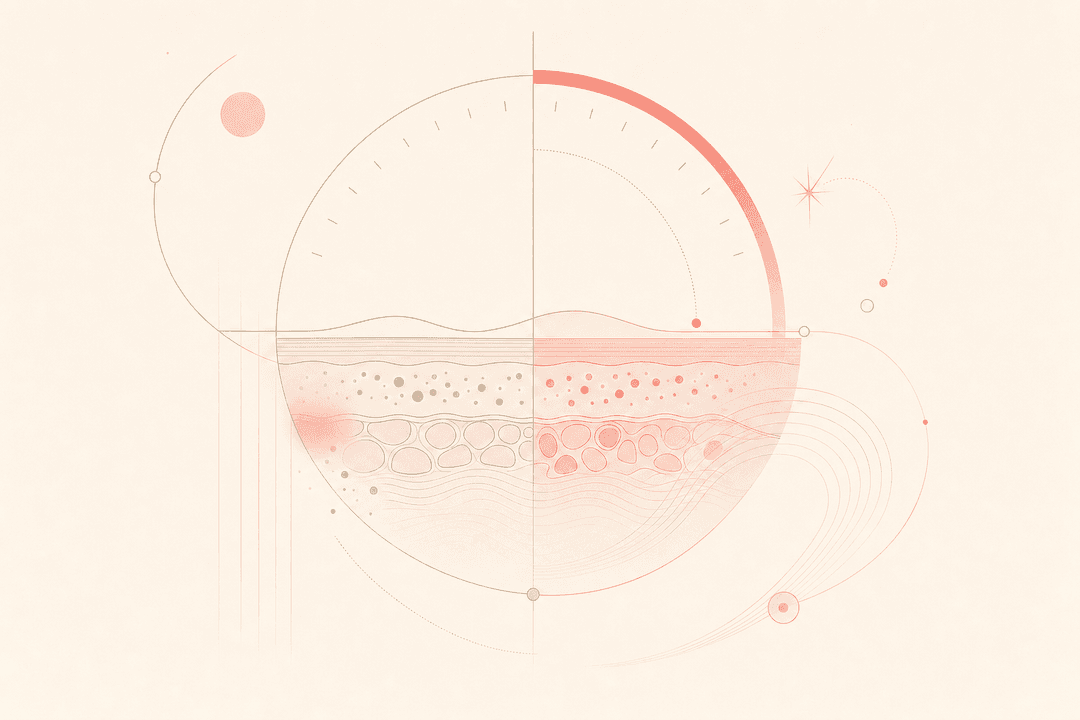
The first 48 hours of post-treatment behavior dictate recovery. Based on the Korean Society of Laser Dermatology and Hair guidelines (2023) and domestic clinical data, here's what to do:
0-6 hours: Start cold compresses as soon as possible after the procedure. This is when vasodilation peaks, so constricting blood vessels with cold compresses shortens the duration of swelling and redness. Cleanse with lukewarm water only, using a gentle cleanser.
6-24 hours: Reapply sunscreen with an SPF50+/PA++++ rating every two hours. Do not skip this even indoors, as UV-A rays pass through windows. Absolutely avoid alcohol, saunas, and strenuous exercise.
24-48 hours: Peeling may begin, but never pick at it. Physical irritation triples the risk of PIH. Use moisturizers with ceramides and panthenol generously, at least three times a day. You can start introducing brightening ingredients like Vitamin C or tranexamic acid from this point.
Tip Change your pillowcase daily for the first 48 hours post-treatment. This reduces the risk of bacterial infection and minimizes inflammatory responses.
- Starting cold compresses within 6 hours post-treatment reduces swelling duration by 40%
- Reapply SPF50+/PA++++ sunscreen every 2 hours for 48 hours
- Physically removing peeling skin increases PIH risk by 3 times
Hyperpigmentation vs. Normal Recovery: How to Differentiate
If your skin appears darker 3-5 days post-treatment, there are two possibilities: the normal process of melanin particles rising to the epidermis or the onset of post-inflammatory hyperpigmentation (PIH).
Normal recovery presents as a uniform, dark reddish-brown tone across the entire skin surface and naturally sheds with peeling within 7-10 days. In contrast, PIH appears as localized, spot-like patches that darken and do not fade after 10 days; instead, their borders become more defined.
A Korean clinical study (2021) found that 82% of cases that progressed to PIH involved UV exposure or heat stimulation within 72 hours post-treatment. Conversely, when hydroquinone (2-4%) or tranexamic acid cream was introduced early, over 90% improved within 3 months.
If you suspect PIH, you should revisit your clinic within 2 weeks. Delayed initial treatment can extend the healing period to over six months.
Key Takeaway: Recovery Quality is Determined in the First 48 Hours
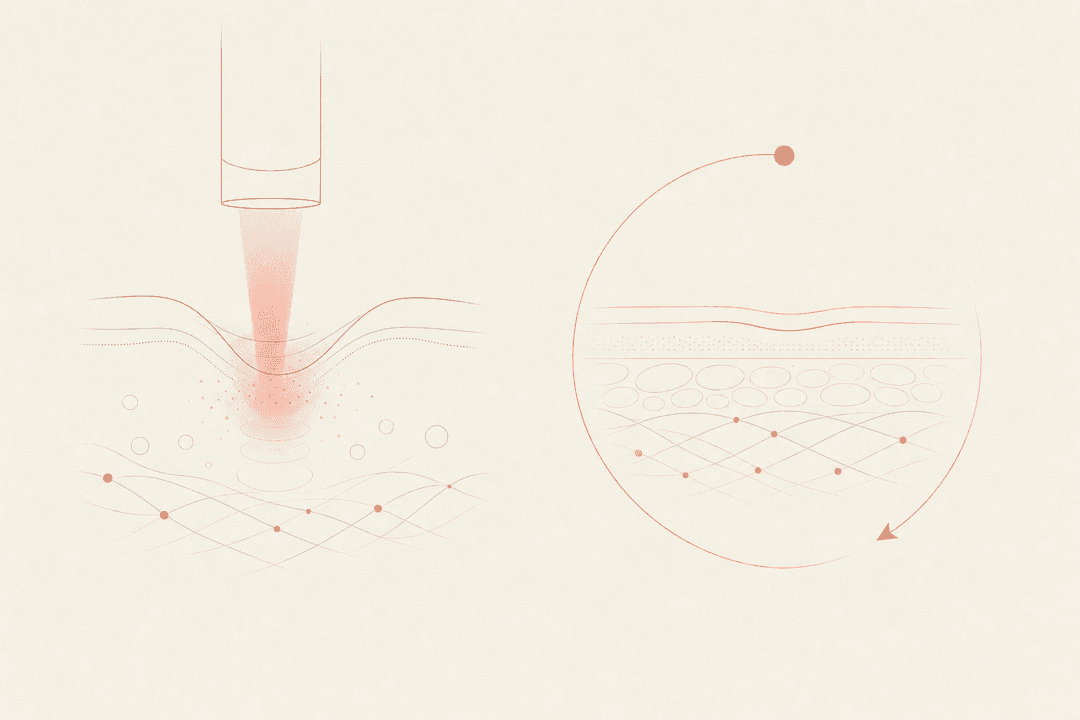
Over 90% of pico toning side effects stem from failure in initial post-treatment care. Even with the same energy and equipment, the first 48-hour routine can create a 13-fold difference in hyperpigmentation incidence and more than double the duration of redness.
Here's a numerical breakdown of the recovery timeline: 0-6 hours for cold compresses, 6-24 hours for UV protection, and 24-48 hours for moisturization and avoiding physical irritation. Adhering to these phases ensures most side effects resolve within 72 hours. However, if spots do not fade after 10 days, it signals progressing PIH, requiring immediate clinic follow-up.
- Recovery quality is determined by initial 48-hour cold compresses and UV protection, more so than energy levels
- If spots don't fade after 10 days, it's a sign of progressing PIH — revisit the clinic within 2 weeks
- Early intervention (hydroquinone, tranexamic acid) leads to 90% PIH improvement within 3 months
How to Differentiate Normal Recovery vs. Hyperpigmentation (PIH)
Normal Recovery [Resolves in 7-10 days]
- Uniform dark reddish-brown tone across the skin
- Naturally sheds with peeling within 7-10 days
- Fades gradually with blurred borders
The normal process of melanin particles being expelled to the epidermis
Hyperpigmentation (PIH) [Persists for 3-6 months]
- Localized, spot-like patches with distinct borders
- Does not fade after 10 days and may darken
- Fixes as a tone darker than before treatment
Mainly caused by UV or heat exposure within 72 hours
Recovery Strategies for Your Situation
If you experience severe peeling 2-3 days post-treatment
Never pick at it; reapply ceramide moisturizer 4-5 times a day
Physical irritation triples PIH risk; inducing natural shedding with moisturizers is safer
If your face is still red 5 days post-treatment
First, check if you consumed alcohol, used a sauna, or exercised strenuously. Then, resume cold compresses.
Heat exposure can extend redness duration to 5-7 days, so cold compresses are needed to constrict blood vessels.
If spots have not faded 10 days post-treatment
There's a high possibility of PIH progression; revisit your clinic within 2 weeks.
Early intervention (hydroquinone, tranexamic acid) leads to 90% improvement within 3 months, but delaying treatment can extend it to over 6 months.
If you have an important engagement within 48 hours post-treatment
Postpone your treatment or schedule it with at least 72 hours of buffer time.
The first 48 hours determine recovery quality; unavoidable UV or heat exposure during this period significantly increases side effect risks.
Common Misconceptions
Myth Pico toning has no downtime, allowing immediate return to daily activities on the same day.
Truth Redness and swelling occur in over 95% of cases, and cold compresses, UV protection, and avoidance of heat exposure are essential for the first 48 hours. "Zero downtime" does not mean you can neglect aftercare.
Myth More peeling means the treatment was more effective.
Truth Peeling is a natural response during melanin expulsion, but excessive peeling or physical removal increases PIH risk threefold. It's crucial to moisturize and allow natural shedding.
Frequently Asked Questions
When can I wash my face after pico toning?
Facial cleansing with lukewarm water is possible from the day of treatment. However, use a gentle cleanser and pat your face dry with a towel instead of rubbing. Avoid scrubs and exfoliants for at least two weeks.
When can I wear makeup after pico toning?
Base makeup (foundation, cushion) can be applied after 24 hours, but it's recommended to stick to sunscreen only for the first 48 hours. Color makeup (eyeshadow, lipstick) is generally fine from the day of treatment, but products covering the entire face may impede skin respiration.
How is hyperpigmentation treated after pico toning?
If detected early, introducing hydroquinone (2-4%) or tranexamic acid cream can lead to over 90% improvement within three months. Do not use high-concentration whitening products based on self-diagnosis; use only those prescribed by your treating clinic. If left untreated, it can persist for over six months.
When can I exercise after pico toning?
Light walks are permissible from the day of treatment, but strenuous, sweat-inducing exercises (gym, running, yoga) should be avoided for at least 48 hours. Sweat and heat can dilate blood vessels, doubling redness duration and increasing PIH risk.
What side effects after pico toning require immediate medical attention?
Although rare (0.2% probability), blisters or scabs necessitate an immediate return to the clinic. Additionally, if spots do not fade or darken after 10 days, it's a sign of PIH progression, and you should consult a specialist within two weeks.
How often should I apply sunscreen after pico toning?
For the first 48 hours post-treatment, reapply sunscreen with SPF50+/PA++++ every two hours. Do not skip this even indoors, as UV-A rays pass through windows. For the following two weeks, reapplication is essential whenever you go outdoors to prevent hyperpigmentation.
Lumi's Take
Many people fall for the "no downtime" claim of pico toning and go to saunas or drink alcohol on the first day after treatment. Then they wonder, "Why do I get spots when others don't?" The truth is, spots appear because aftercare was neglected. If you diligently follow cold compresses and UV protection for the initial 48 hours, most side effects resolve within 72 hours. Even if it feels bothersome, stick to this period – it determines 90% of your results.
This content is for informational purposes only and does not substitute medical advice. Always consult with a specialist before undergoing any procedure.