Post-Potenza Treatment Care: The Three Paths of Regenerative Cream, Sun Care, and Retreatment
- Why missing your regenerative cream by just one day can delay recovery by 48 hours
- Your first 72-hour regenerative cream routine determines results six months later
- The interval between procedures is determined by the speed of collagen remodeling, not skin thickness
Information as of August 2026
Essential Routine by Recovery Stage
- Regenerating cream 3 times for the first 72 hours
- SPF50 sun care every 2 hours
- Retreatment every 6-8 months
Makeup Immediately After Potenza? Only Half True
If you thought you could return to your daily routine immediately after Potenza, you're only half right. While returning to work the next day is possible, skipping the crucial first 72 hours of aftercare can reduce the pore-minimizing effect by an average of 40% after six months, according to data presented by the Korean Dermatological Association in 2022.
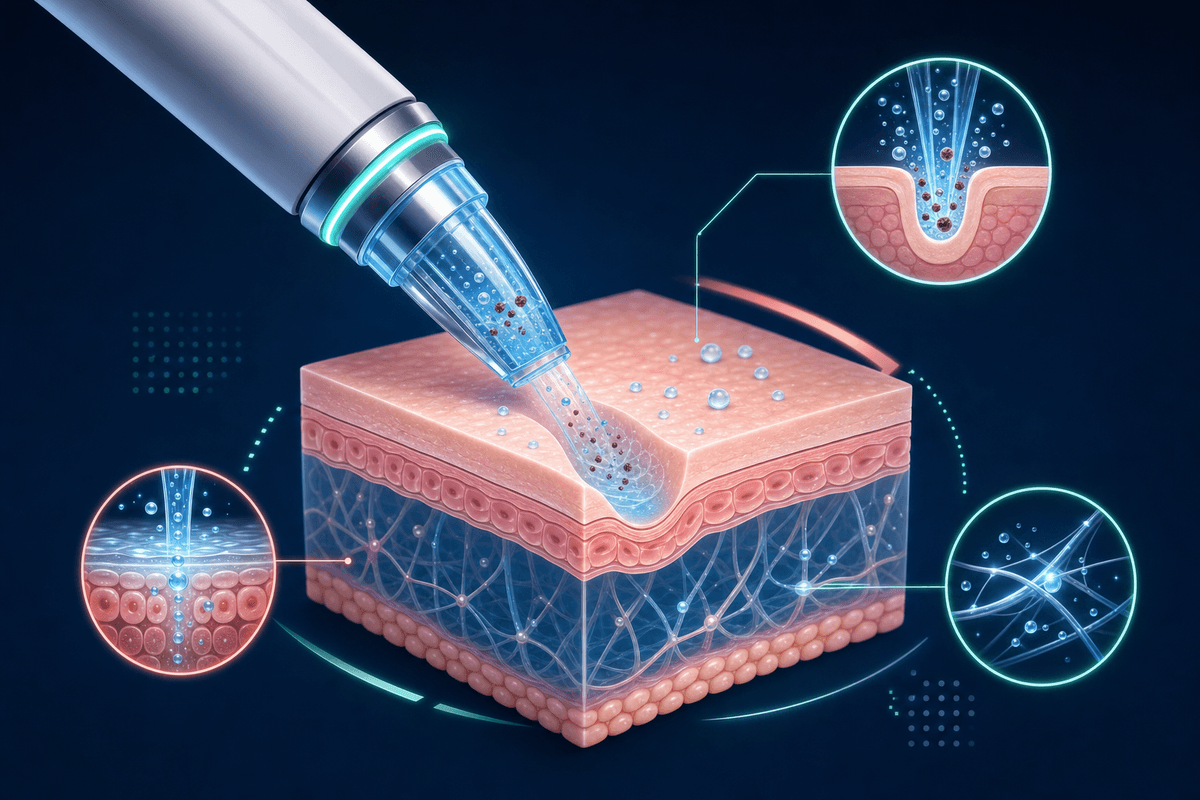
The key to post-Potenza care isn't the speed of your return to daily life, but the 'regeneration timing.' The micro-channels created by the needles (0.1mm in diameter) remain open for 48-72 hours. What you apply during this time and how much determines the density of collagen remodeling.
This is where mistakes happen. If you view regenerating cream as just a 'nice-to-have,' you're likely to miss the optimal timing. Let's break down when to apply what, why sunscreen is needed every two hours, and why retreatment is recommended every six months.
Why is 72 Hours the Golden Time for Regenerating Cream?
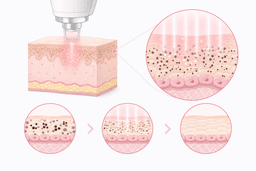
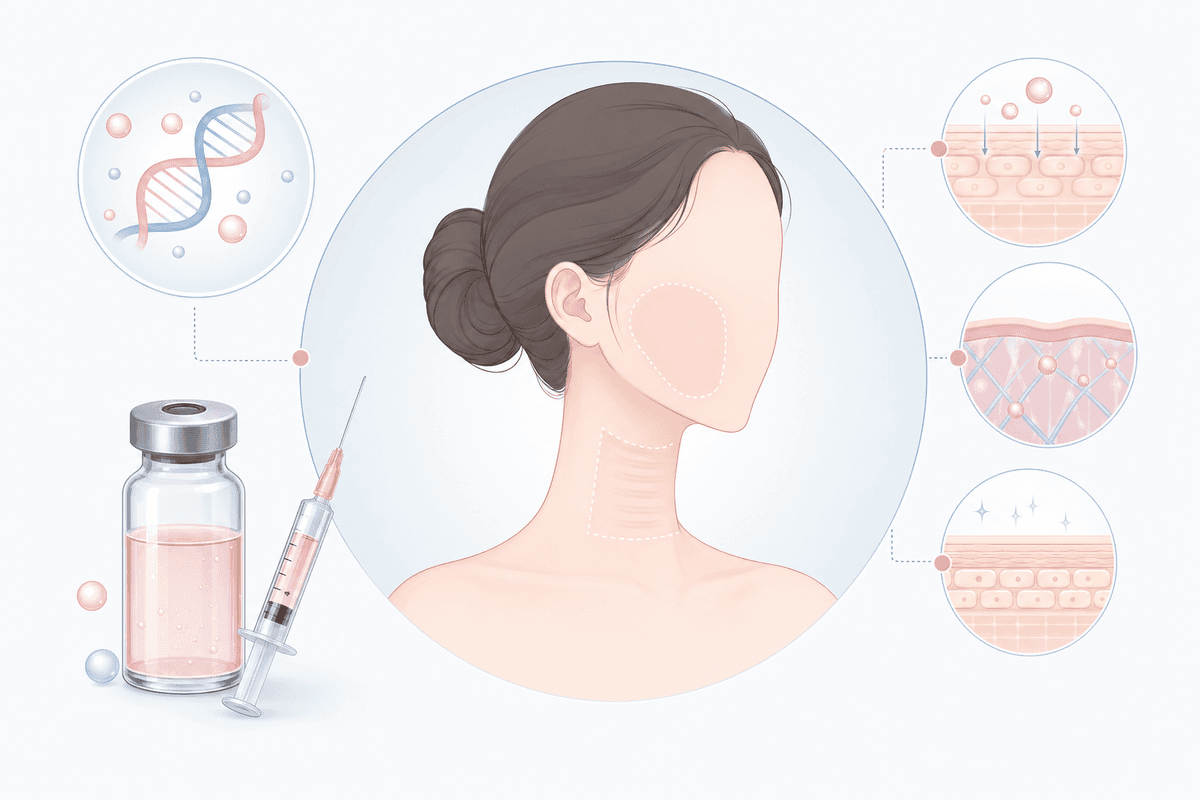
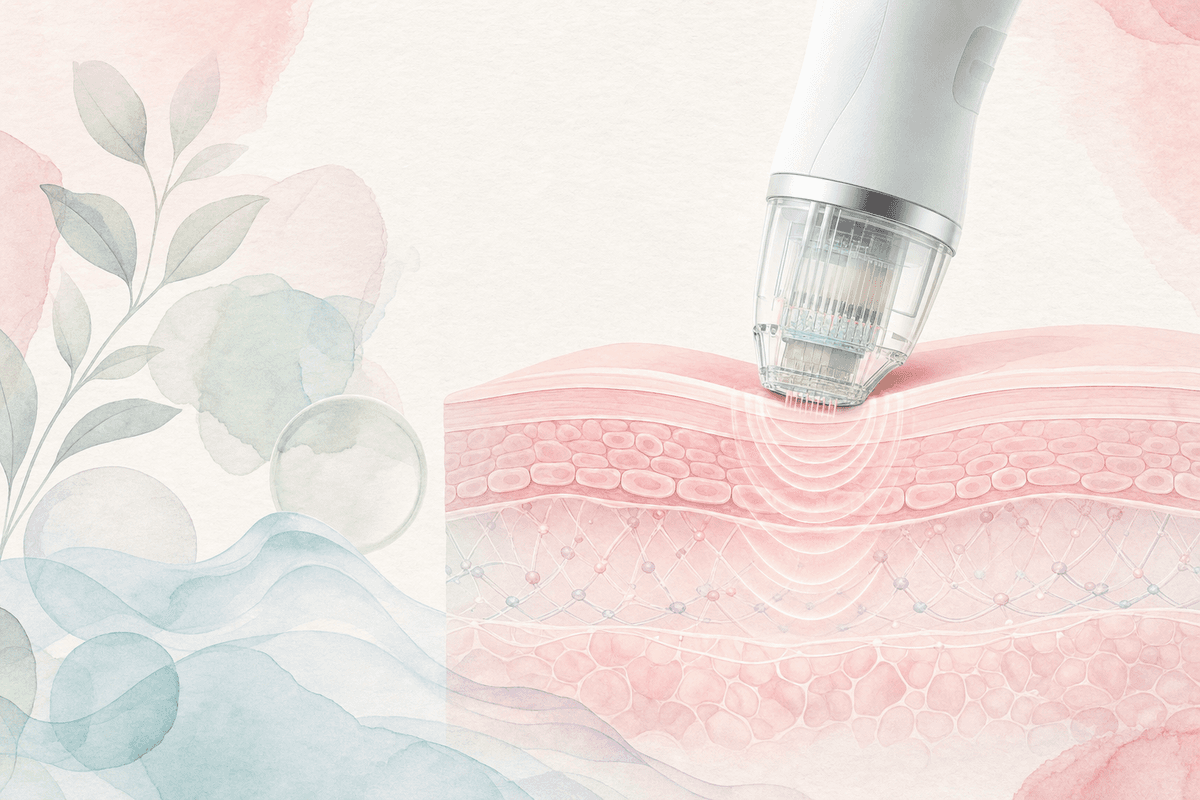
Potenza's RF needles penetrate the dermis to a depth of 0.5-3.5mm, creating controlled thermal injury. This initiates collagen remodeling, and the 48-72 hours before the wound fully heals is the prime time for optimal absorption of growth factors (EGF·FGF) and hyaluronic acid.
A 2021 study in the Journal of Cosmetic Dermatology found that the group who applied EGF cream within 12 hours post-procedure showed an average 18% increase in dermal thickness after four weeks, compared to only an 11% increase in the group that started after 24 hours. A single day's difference accounts for a 7%p gap.
Therefore, your Potenza regenerating cream routine should be structured as follows: Apply a product with EGF content of 10ppm or higher three times a day (morning, noon, and evening) from the day of the procedure for three days. Starting on the fourth day, reduce application to twice a day for two weeks. High-EGF lines like SkinMedica TNS Recovery Complex or Biopelle Tensage are commonly used in clinical settings.
Caution On the night of the procedure, cleanse your face gently with lukewarm water for no more than 10 seconds. Start using a low-pH (5.5) cleansing foam from the third day. Do not rub with a towel; gently pat your face dry with tissue.
OX Quiz
Individuals working indoors after Potenza treatment are not at risk of hyperpigmentation without sunscreen.
Check the answer
X Fluorescent lights and monitor blue light can also stimulate melanocytes. SPF50 sunscreen is essential indoors for two weeks post-procedure. According to MFDS guidelines, 8 hours of exposure to blue light without protection can increase the incidence of hyperpigmentation by up to approximately 12%.
Why Should Sun Care Be Applied Every 2 Hours?
The reason Potenza sun care is so critical is that melanocytes become 3-5 times more active after thermal injury. Clinical reports from Korean dermatologists indicate that even with reapplication of sunscreen every two hours for two weeks post-procedure, the incidence of hyperpigmentation ranges from 12-18%.
Many people assume they're safe if they work indoors, but fluorescent lights and monitors emit blue light that also stimulates melanin. The 2020 MFDS guidelines recommend SPF50+ PA++++ products even for indoor use for two weeks after the procedure.
When choosing products: Mineral sunscreens (containing zinc oxide and titanium dioxide) are less irritating than chemical filters. For the first week, opt for mineral sunscreens like La Roche-Posay Anthelios or EltaMD UV Physical. From the second week onwards, chemical filter products are also acceptable.
- Wear a hat (brim at least 7cm) for outdoor activities for two weeks post-procedure
- Reapply sunscreen even inside a car if UV film is not present
- UV-A rays penetrate 80% even on cloudy days — do not skip sunscreen
Why is 6 Months the Standard for Retreatment Intervals?
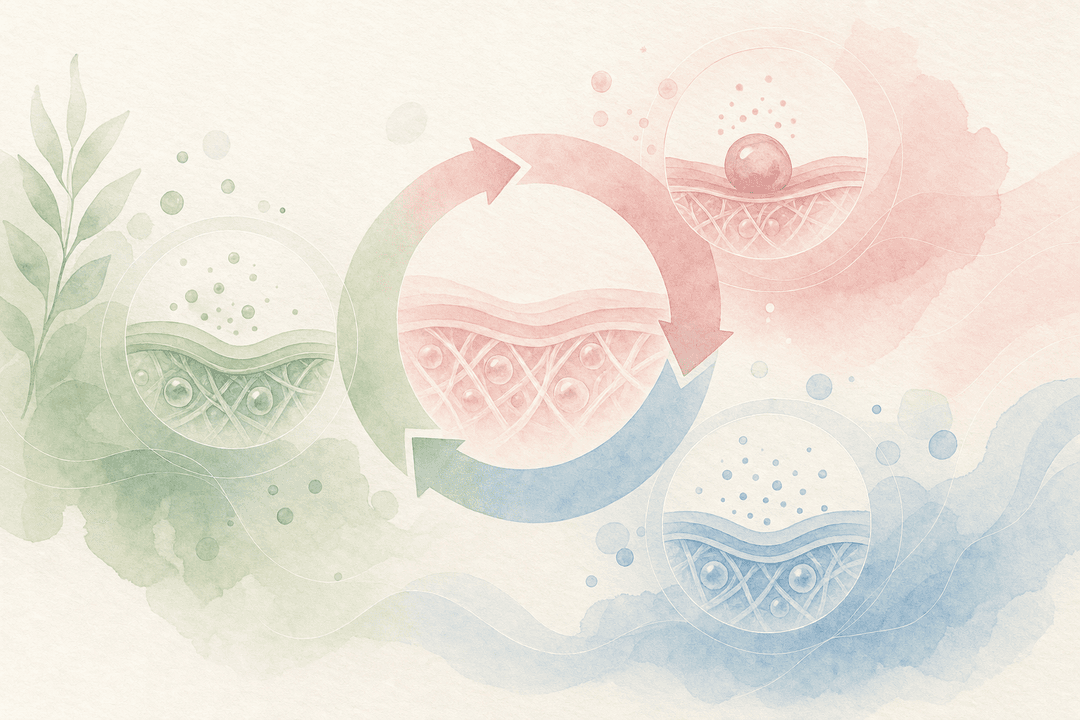
The recommended Potenza retreatment interval is typically 6-8 months, which is due to the collagen remodeling cycle. The thermal injury created by Potenza stimulates active collagen synthesis for the first three months post-procedure, reaching maximum density between 4-6 months before gradually declining.
A 2023 paper in the Journal of Clinical and Aesthetic Dermatology showed that the group who received Potenza three times at 6-month intervals experienced an average 34% increase in dermal collagen density after one year, whereas the group treated every three months only saw a 22% increase. Retreating too soon can disrupt the recovery timing.
However, if your primary goals are pore reduction or scar treatment, it's acceptable to shorten the interval to 4-6 months for the first three sessions. The US Potenza manufacturer (Jeisys) clinical protocol recommends a 4-month interval for deep scars. After that, it's common to extend the interval to 6-8 months for maintenance.
Tip Even if you feel the effects have diminished before your next retreatment, comparing photos is essential. You might not notice subtle changes daily, but comparing them to photos from three months prior will reveal the results.
Daily Care: What to Absolutely Avoid
The most common mistake in post-Potenza care is applying harsh treatments in an attempt to speed up recovery. Specifically, using exfoliants, retinol, or high-concentration vitamin C products within one week of treatment can delay inflammatory healing by an average of five days.
Exercise also has timing considerations. For the first 48 hours post-procedure, high-intensity aerobic exercises that raise your heart rate (running, cycling) can worsen heat and swelling. Light stretching is recommended. Strength training is permissible from the third day onwards.
It's best to completely avoid alcohol for one week after the procedure. Alcohol dilates blood vessels, which can prolong swelling for an additional 2-3 days and slow down inflammatory recovery. The Korean Dermatological Association guidelines also recommend abstaining from alcohol for 7-10 days post-procedure.
| Period | What to Avoid | Alternative Method |
|---|---|---|
| Day of Procedure - 3 Days | Washing with hot water, saunas, steam rooms | Rinse with lukewarm water for 10 seconds, maintain room temperature |
| 1 Week | Exfoliants, retinol, high-concentration vitamin C | EGF regenerating cream + gentle moisturizer |
| 2 Weeks | High-intensity aerobic exercise, alcohol consumption | Light walks, strength training (from day 3) |
Individual recovery speed may vary depending on skin thickness and treatment depth.
Ultimately, Potenza Results Depend More on 'Aftercare' Than 'Procedure'

For Potenza, how you spend the 72 hours after the procedure is more critical than the machine's specifications in determining results after six months. Even with the same number of shots and depth, a one-day difference in applying regenerating cream or one instance of reapplying sunscreen can impact collagen density by 10%.
Furthermore, Potenza maintenance is a cumulative game, not a one-off event. Jeisys clinical data shows that receiving three treatments at 6-month intervals results in a 2.8-fold increase in dermal thickness compared to a single treatment. If you were disappointed with the results of your first session, reconsider your aftercare and retreatment plan.
- Groups that followed the regenerating cream routine for the first 72 hours showed an average of 18% higher pore reduction after 4 weeks
- Retreatment is most effective when performed before collagen density peaks (4-6 months) to achieve cumulative results
- Failure to use sunscreen for two weeks post-procedure can increase the risk of hyperpigmentation to 12-18%
- The group receiving 3 cumulative treatments (6-month intervals) showed a 2.8-fold increase in dermal thickness compared to a single treatment
Key Routine Comparison by Recovery Stage
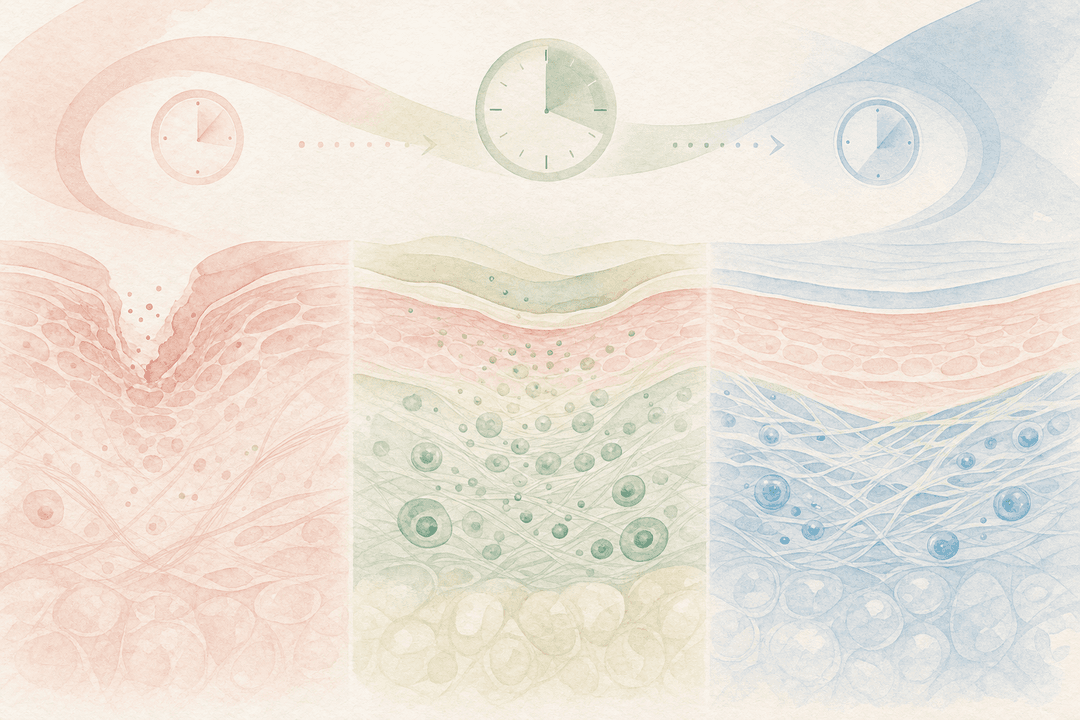
Golden Time (0-72 hours) [Regeneration]
- EGF regenerating cream 3 times a day
- Rinse with lukewarm water for 10 seconds only
- SPF50 sunscreen every 2 hours
- Avoid exercise and saunas
Micro-channels are open — maximum growth factor absorption
Stabilization Phase (Day 4 - 2 Weeks) [Protection]
- Reduce regenerating cream to twice a day
- Start using gentle cleansing foam
- Sunscreen essential even indoors
- Light strength training is possible
Inflammation recovery complete — exfoliation and retinol still prohibited
Collagen Remodeling Phase (3-6 Months) [Maintenance]
- Return to regular skincare
- Continue daily sunscreen use
- Retinol and vitamin C can be resumed
- Check retreatment timing
Collagen synthesis reaches peak — results peak between 4-6 months
Potenza Care Guide Tailored to Your Situation
If swelling and heat persist for more than 3 days post-procedure
Apply cold compresses (10 minutes, 3 times a day) and increase regenerating cream application to four times a day.
Persistent heat is a sign of excessive inflammatory response — use cooling to soothe and growth factors to promote healing.
If reapplying sunscreen frequently is difficult due to indoor work
Compromise by applying SPF50 sunscreen in the morning and touching up with an SPF30+ sun cushion at lunchtime.
If perfect 2-hour reapplication isn't feasible, at least reapply once at midday to protect against blue light.
If the results of your first treatment were less than expected
Take progress photos at the 3-month mark before your 6-month retreatment.
Collagen remodeling peaks at 3-4 months — judging results without intermediate checks can lead to misjudgment.
If your primary goals are pore reduction and scar treatment
Shorten the interval to 4-6 months for the first three sessions, then extend to 6-8 months thereafter.
Deep tissue regeneration relies on cumulative effects — start with shorter intervals and extend them once stability is achieved.
Common Misconceptions
Myth Potenza has no downtime, so you can wear makeup the next day.
Truth You should avoid even base makeup for the first 24 hours. Foundation particles (5-10μm) entering the open micro-channels can triple the risk of inflammation. Start lightly with a mineral cushion only after 48 hours.
Myth More expensive regenerating creams are more effective.
Truth EGF content (10ppm or higher) and application timing are more crucial than price. Applying a $50 product within 12 hours yields an average 7% higher collagen synthesis rate than using a $200 cream applied after 24 hours.
Actions Absolutely Prohibited After Potenza Treatment
- Washing with hot water, saunas, or steam rooms within 48 hours of treatment — prolongs heat and worsens swelling
- Using exfoliants, scrubs, retinol, or high-concentration vitamin C within one week — delays inflammatory healing by 5 days
- High-intensity aerobic exercise (running, cycling, HIIT) within two weeks — increased heart rate exacerbates swelling
- Alcohol consumption for 7-10 days post-procedure — dilates blood vessels, delaying recovery and increasing hyperpigmentation risk
- Narrowing the retreatment interval to less than 3 months — misses the collagen remodeling window, reducing cumulative effects
Frequently Asked Questions
When can I wash my face after Potenza treatment?
You can gently rinse with lukewarm water for under 10 seconds on the night of the procedure. However, start using a gentle (pH 5.5) cleansing foam from the third day and pat your face dry with tissue instead of a towel.
Can I use a regular moisturizer instead of regenerating cream?
For the first 72 hours, a regenerating cream containing growth factors like EGF and FGF is essential. Regular moisturizers only provide hydration and do not aid collagen synthesis, leading to an average 7% lower increase in dermal thickness after four weeks.
When can I expect to see results from Potenza?
Pore reduction is visible in 2-4 weeks, and elasticity improvement peaks at 3-4 months. Collagen remodeling is active from immediately after the procedure for three months, so judging the results as 'ineffective' after one month can be premature.
How many retreatment sessions can I have?
There's no limit to the number of Potenza sessions, but typically 3-5 treatments are considered one cycle, performed at 6-8 month intervals. After that, it's common to transition to 1-2 maintenance sessions per year. Excessive cumulative treatments can thin the skin, so caution is advised.
What are the common side effects of Potenza treatment?
Common side effects include swelling, heat, and minor scabbing that can last for 2-5 days. Rare occurrences include hyperpigmentation (2-5%) and infection (less than 1%). Failure to use sunscreen can increase the risk of hyperpigmentation to 12-18%. If you experience severe pain, pus, or fever within a week of treatment, contact your clinic immediately.
Can I receive laser toning concurrently with Potenza?
You must avoid other laser treatments for at least two weeks after Potenza. Applying additional stimulation before the thermal injury from Potenza has healed can significantly increase the risk of inflammation and hyperpigmentation. Toning is safe to resume after four weeks.
Lumi's Take
With Potenza, the aftercare is more crucial than the procedure itself. Remember that the timing of your regenerating cream application within the first 72 hours and reapplying sunscreen for two weeks can make all the difference in your photos six months later. Feel free to visit anytime if you have more questions about aftercare tips!
This content is for informational purposes only and does not substitute medical advice. Always consult with a specialist before undergoing any procedure.