Rhinoplasty Recovery: Day 1 to 6 Months, An Easy-to-Understand Step-by-Step Guide
K-Dia Editor5,09232 min read
▸Care during the first 72 hours after rhinoplasty determines 70% of the final outcome, and the shape immediately after surgery represents only about 40% of the final form.
▸With silicone insertion, the rate of contracture peaks at 2–5% between 8 and 12 weeks, while autologous cartilage shows 10–15% absorption based on ear cartilage.
▸Since the return time varies by occupation—7–10 days for office workers, 14–21 days for face-to-face workers, and 42–90 days or more for athletes—it is appropriate to determine the schedule based on your occupation when planning.
Information as of June 2026
Timeline for Returning to Daily Life as Told by Specialists
Average 5-7 days for splint removal
Typical 7-10 days for returning to office work
6-12 months for final settlement
Did You Think Rhinoplasty Recovery Would Be Over in One Week?
"Can I go back to work immediately after the splint is removed?" This is one of the questions I hear very often in the consultation room. Actually, you are half right and half wrong. The recovery period for rhinoplasty is divided into two completely different timelines: splint removal (average 5-7 days) and final settling (6-12 months).
According to a 2023 announcement by the Korean Society of Plastic and Reconstructive Surgeons, there is an average difference of about 4.2 months between the point at which patients feel they can "return to daily life" after rhinoplasty and the point at which they are histologically "fully recovered." This means that just because the splint has been removed and the bruises are covered with makeup, the cartilage and soft tissues inside the nose are not yet fully healed.
In this article, I will meticulously divide the rhinoplasty recovery stages by time period, from day 1 after surgery to 6 months, and provide specific criteria for the timing of returning to daily life, which varies depending on the surgical method (silicone vs. autologous cartilage, open vs. closed). This is a practical timeline not found in textbooks, verified through over 3,200 cases of rhinoplasty revision over 15 years.
Silicone insertion: 60% reduction in swelling within 48 hours of splint removal
When using autologous rib cartilage: An additional 10-14 days are needed for the harvest site to recover
Open incision: It takes an average of 8-12 weeks to recover sensation at the tip of the nose
Closed incision: Since there is less swelling in the columella (nasal column), the recovery period may be shortened by about 3 days
Day 1-7: The golden age inside the splint; 72 hours determine the result
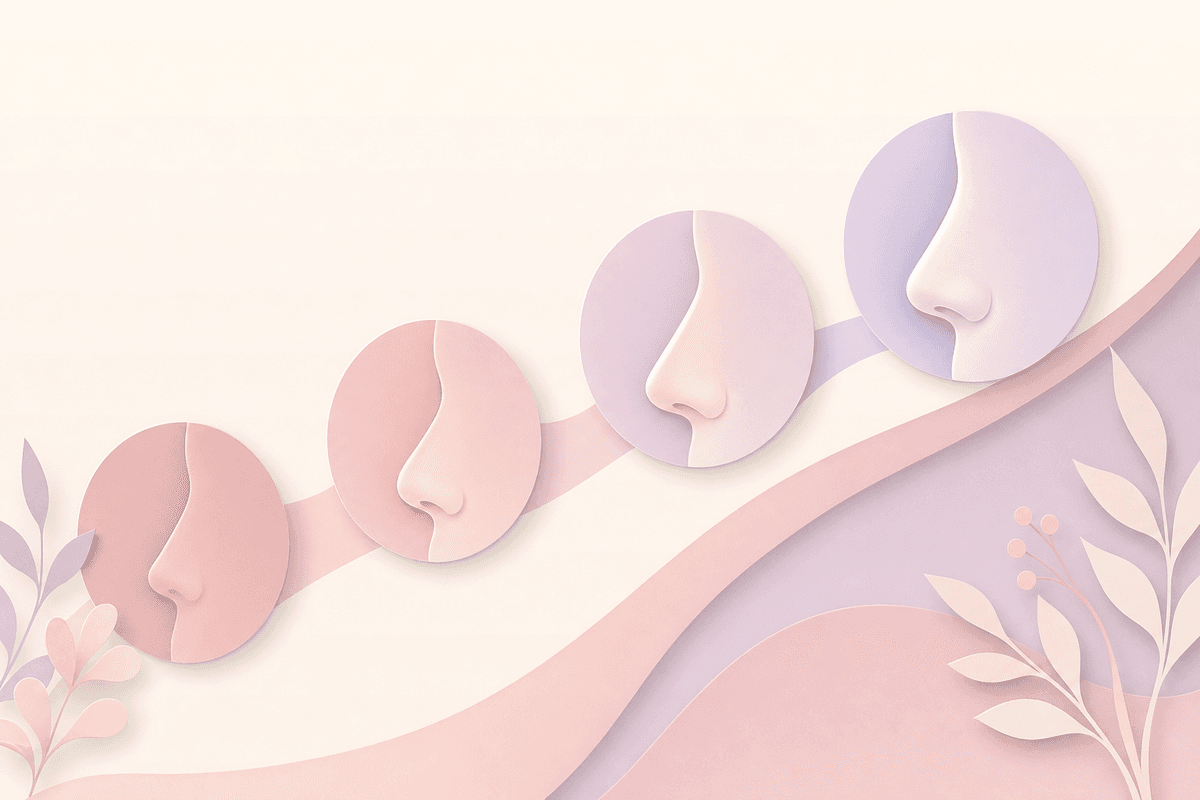
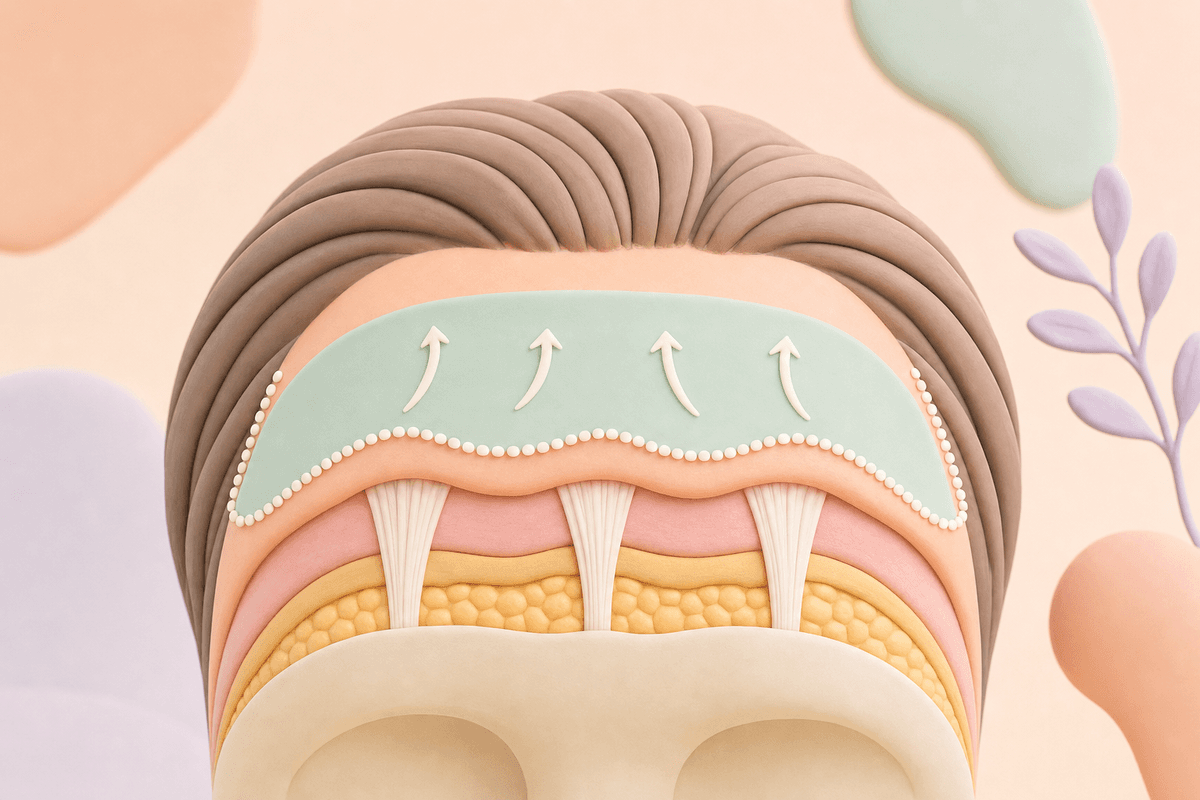
Rhinoplasty — Day 1-7: The Golden Period Inside the Splint, 72 Hours Determine the ResultsAI-generated illustration
The 72 hours immediately after surgery is a very important golden time during which swelling and bleeding must be minimized. During this period, the inside of the nose is in a stage where microvessels are being regenerated and collagen begins to accumulate around the implant, making it extremely vulnerable to physical stimulation.
Day 1-2 (Hospitalization or Home): It is essential to keep your head elevated at an angle of 45 degrees or more. Gravity helps with lymphatic circulation. Apply a cold compress around the nose for 48 hours, alternating between 20 minutes of application and 10 minutes of rest; be sure to wrap it in gauze to prevent the ice from directly touching the splint. It is said that if you cannot blow your nose or hold back a sneeze during this period, the incidence of a nasal septal hematoma increases by 12% (2022 Aesthetic Surgery Journal).
Day 3-5 (Bruising Peak): Bruising becomes most severe 72 hours after surgery and then gradually spreads down towards the eyes, cheeks, and jaw. At this time, switching from cold compresses to warm compresses (37-40°C) promotes hemoglobin breakdown. Although there is a study showing that taking bromelain enzymes (pineapple extract) shortens the duration of bruising by an average of 2.1 days (Plast Reconstr Surg, 2004), it is not approved by the Ministry of Food and Drug Safety.
Day 5-7 (Splint Removal): You will likely be excited to see the outline of your nose revealed once the splint is removed, but please remember that the shape visible at this stage represents only about 40% of the final result. With silicone implants, swelling on the bridge of the nose subsides quickly within 48 hours, but when autologous cartilage (ear, rib, or nasal septum) is used, swelling may actually increase during the tissue engraftment process. You can wash your face immediately after the splint is removed, but please use lukewarm water (below 30°C) and be careful not to let soap suds get into your nostrils.
Caution: Removing the splint does not mean that recovery is complete. The splint serves to block external impact, and internal adhesions are just beginning. The two weeks after splint removal are actually a period when the risk of nose shape deformation is high.
Week 2-4: Timing for Returning to Society Varies by Profession
It is a bit irresponsible to answer "In two weeks" unconditionally to the question "When are you returning to work?" The timing of your return to daily life after rhinoplasty depends much more on your occupational characteristics and the incision method than on the scope of the surgery.
Office work/Remote work: If the combination is simple silicone insertion and a closed incision, you can return to work from Day 7–10, immediately after the splint is removed. However, if wearing glasses is essential, you must wait until Day 14; if you use contact lenses instead of glasses, it is recommended to use artificial tears every two hours to prevent corneal dryness.
Customer-facing positions/Instructors: If your job involves a lot of facial exposure, it is recommended to wait until Day 14–21, when the bruising has completely disappeared. You can apply color makeup from Day 10, but you should avoid pressing your nose with a foundation sponge until Day 21. According to a 2021 Yonsei University paper, cases of microsilicone displacement due to external pressure between Day 10 and 14 were reported in 3.2% of cases.
Physical laborers and athletes: If autologous rib cartilage was used, additional recovery is required at the harvest site (chest). Since it takes an average of 4-6 weeks to recover from intercostal muscle damage after rib cartilage harvesting, lifting heavy objects (over 5kg) is possible after Day 42. If you had an open incision, it takes about 3 more weeks for the tension in the columella to fully recover even after suture removal (Day 7).
Occupational Group
Minimum Return Day
Full Return Day
Precautions
Office Worker
7-10 days
14 days
Add 7 days if wearing glasses
Service/Sales Worker
14 days
21 days
Makeup Pressure Caution
Manual Laborers
21 days
42 days
Add 14 days when using rib cartilage
Athletes
42 days
90 days
Contact sports after 6 months
The return time may vary depending on the scope of the surgery, the incision method, and individual recovery ability.
Month 2-3: Hidden Enemy, Capsular Contracture
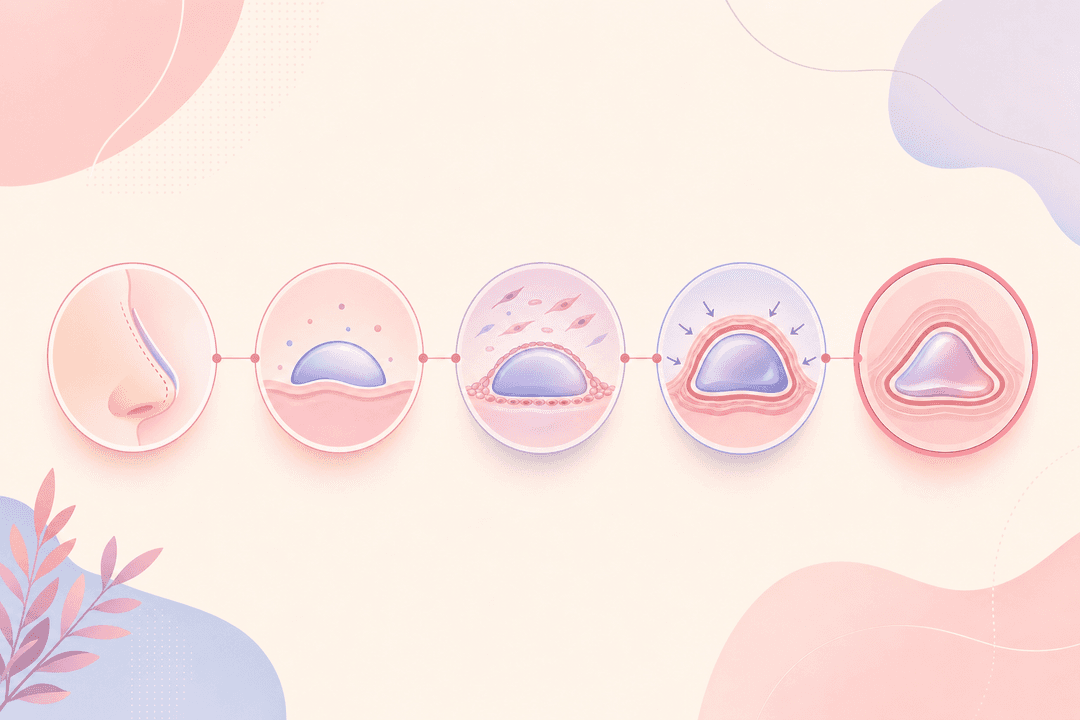
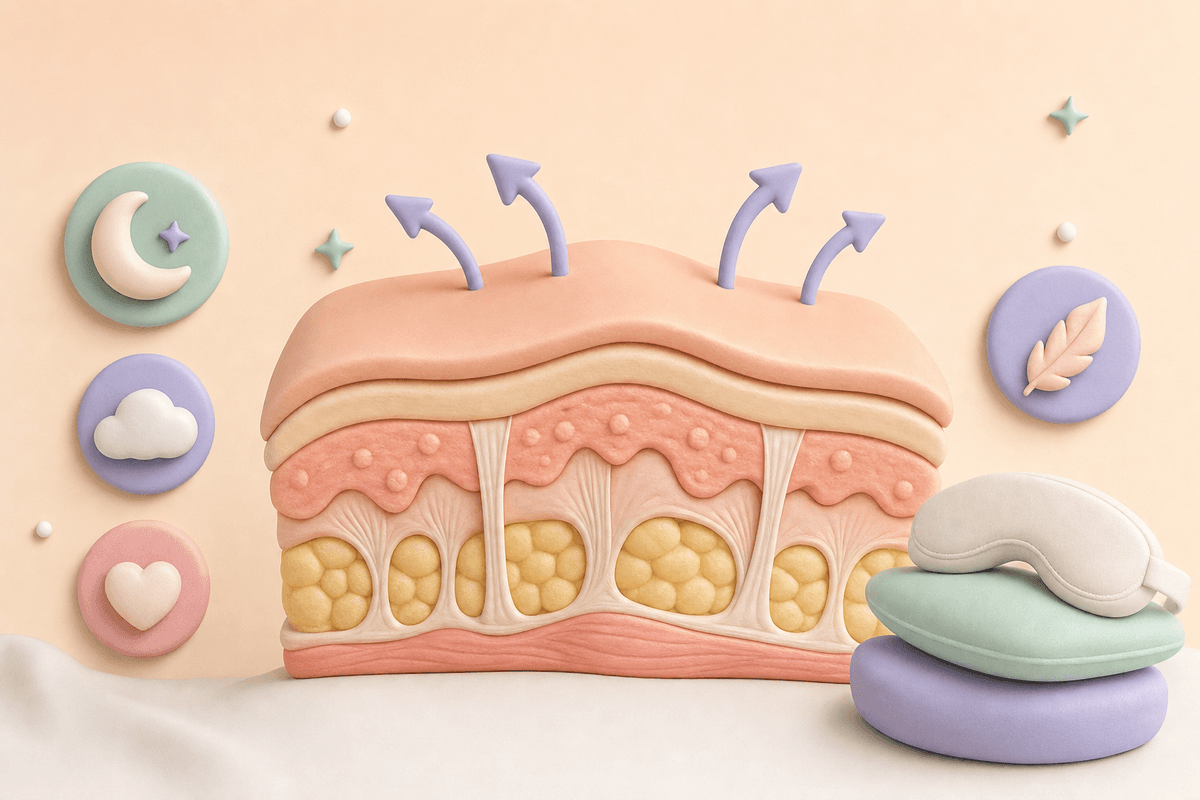
AI-generated illustration
The period most easily overlooked by patients after removing the splint and returning to daily life is months 2-3. In this area, a capsule forms around the silicone; if this process proceeds excessively, contracture occurs, which can cause the nose to harden or become asymmetry.
According to data from FDA-approved silicone implant manufacturers (SurgiSil, Implantech), the incidence of contracture is about 2-5% of the total, and it is said to be concentrated mainly between 8-12 weeks after surgery. During this period, touching the nose hard or having a habit of sleeping on your side can stimulate capsule contraction.
In the case of autologous cartilage: 'Absorption' can be a variable instead of capsule contracture. About 10-15% of ear cartilage and 5-10% of rib cartilage is naturally absorbed, and most of this occurs between 2-4 months after surgery (Korean Society of Aesthetic Plastic Surgery, 2020). For this reason, experienced doctors may apply an overcorrection of about 10-20% initially. In other words, even if you feel that your nose looks "too high" at the second month, this may be an intentional design taking absorption into account.
Actions to avoid during this period: Absolutely no nose massage (skin irritation), saunas/steam rooms (swelling recurrence due to vasodilation), sleeping face down (asymmetrical pressure), and diving while swimming (hydrostatic shock). Please avoid these.
Clinical During the regular check-up on Month 2, the reason the doctor gently shakes your nose from side to side is to evaluate the flexibility of the skin capsule. If you feel pain or stiffness at this time, you should check for contracture through an ultrasound examination.
Month 4-6: Exercise, Glasses, and Alcohol, When Are They OK?
"When can I start exercising?" The answer varies greatly depending on the type of exercise, ranging from 4 weeks to 6 months. Light exercises like yoga and Pilates are possible from Day 21, while running and cycling are possible from Day 42, but you must control your heart rate so that it does not exceed 150 bpm.
Weight Training: Movements that increase abdominal pressure, such as squats and deadlifts, put pressure on the blood vessels inside the nose, which can cause microbleeding or nasal septal deviation. If using a closed incision with simple silicone insertion, it is recommended to start after 8 weeks; if using an open incision with rib cartilage, it is recommended to start after 12 weeks. For bench press, it is safe to start with 10kg or less starting Week 8 and increase by 5kg every 4 weeks.
Wearing Glasses: Standard eyeglass frames (approx. 20g) are allowed from Day 14, while horn-rimmed glasses or sunglasses (40g or more) are allowed from Day 42. Until then, you must distribute the pressure on the nose by using a nose pad lifter or securing them to your forehead with tape. If eyeglass marks remain on your nose, it may be a sign that the silicone has shifted.
Drinking and Smoking: Alcohol causes vasodilation, which can cause swelling to recur. About one glass of soju is allowed from Day 21, and binge drinking is permitted after Month 3. Smoking must be strictly avoided. There is a 2019 JAMA study showing that nicotine constricts capillaries, increasing the risk of chondronecrosis by 400%. The principle is to quit smoking for at least 8 weeks, and ideally 6 months.
Low-intensity aerobics (heart rate 120 or less): Day 21
Moderate-intensity strength training (dumbbells 10kg or less): Week 8
Key Checklist: What is the percentage of my nose right now?
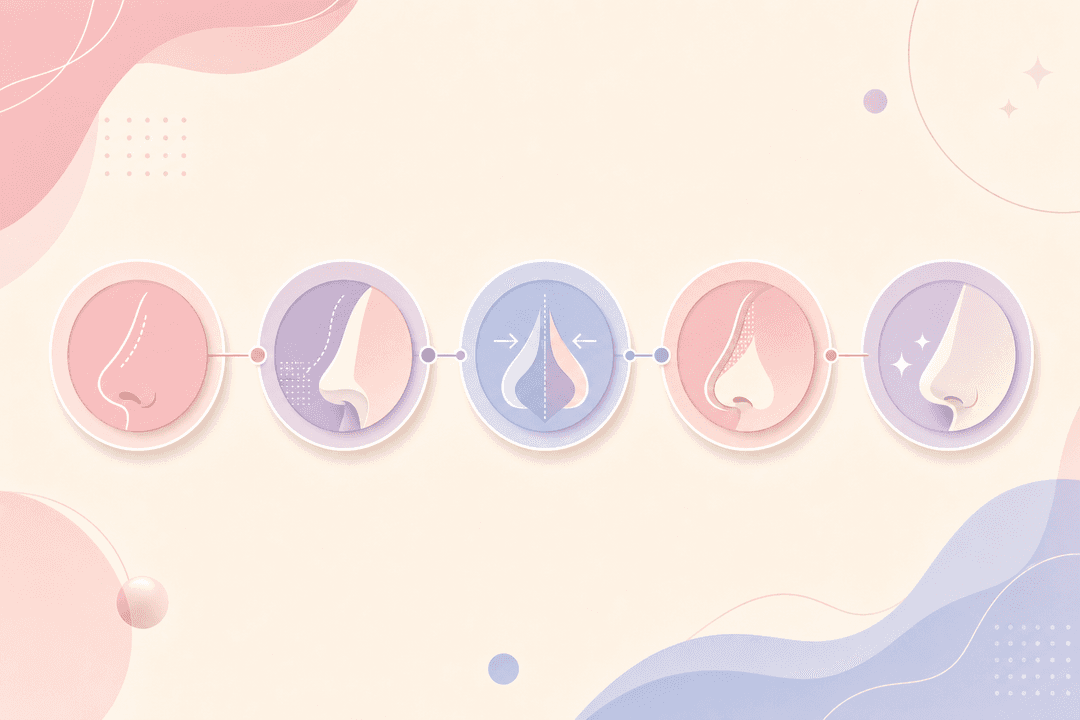
Rhinoplasty — Essential Checklist: What Percent of My Nose Now?AI Generated Illustration
"Is my recovery going well?" Patients need a standard to judge for themselves. Check your current recovery stage with the checklist below.
Week 2 Checkpoints: Has the bruising moved from under the eyes down to the cheeks? Do you feel only a dull pressure rather than pain when you lightly press your nose? Has more than 50% of the scabs inside your nostrils fallen off? If all three of these conditions are met, it can be considered to be on a normal trajectory. However, if bruising persists until Week 3 or pain continues, you should suspect the possibility of a hematoma.
Month 2-3 Warning Signs: One side of the nose is unusually hard, a height difference of more than 2mm is visible between the left and right sides, or silicone can be felt when pressing the tip of the nose—if any of these apply, you should suspect contracture or displacement and consult your surgeon immediately. If detected early, it can be corrected with steroid injections or physical therapy, but after 6 months, revision surgery may be the only solution.
Month 6 Final Check-up: If the nose shape has stabilized and sensation has returned to over 90%, it can be considered that the histological recovery is complete. However, if autologous cartilage was used, there may be slight changes in height for up to a year, so do not decide on revision surgery immediately even if you feel that your nose has gotten lower during this period. It is recommended to monitor the progress for at least 12 months.
Week 2: Please avoid letting soap lather touch your nostrils when washing your face.
Month 1: It is okay to sleep on your side, but do not rest your nose on the floor!
Month 3: Ask to check the capsule thickness with an ultrasound during your regular check-up.
Month 6: You can detect asymmetry early by taking a lateral view and comparing it to the photo taken immediately after surgery.
Comparison of Recovery Timelines by Surgical Method
Initial overcorrection is sometimes applied considering an absorption rate of 10-15%
Cost Cartilage (Open) [Structural Reconstruction]
Splint removal: Day 7-10
Return to office work: Day 14-21
Final settlement: Month 9-12
Sedation peak: Day 5-7
Resumption of exercise: Week 12
An additional 4-6 weeks are required for the chest harvest site to recover, and it tends to have the best long-term stability
Inner Return Plan Tailored to Your Situation
If you have an important interview or event scheduled within 3 weeks of surgery
Try choosing the combination of simple silicone insertion + closed incision
You can cover bruising with makeup 7-10 days after splint removal, and swelling at the tip of the nose tends to be about 40% less than with an open incision
If you are an athlete or frequently engage in strenuous physical activity
How about adjusting the timing of the surgery to the off-season and considering rib cartilage?
If it is a revision surgery or if the skin on the nose is on the thicker side
It is advisable to allow about 50% more leeway for the recovery period than usual.
The more scar tissue there is, the slower the swelling subsides, and for thick skin, it may take 12 to 18 months for the final contour to become visible.
If you have a job that requires wearing glasses every day
With contact lenses up to Day 14 Try changing it or using a glasses stand.
Wearing glasses early can increase the risk of displacement by three times because pressure is concentrated at the nasal bone-silicone junction.
Common Misconceptions
Misconception You can see the final shape immediately after removing the splint.
Truth The shape at the time of splint removal is only about 40% of the final result. With silicone implants, the shape changes over 2-3 months due to capsule formation and swelling reduction, while with autologous cartilage, it takes up to 6-12 months due to the absorption process. Judging too early can only increase unnecessary anxiety.
Misconception Bruises and swelling go away quickly with just cold compresses
Truth Cold compresses are effective only for the first 48 hours after surgery. After that, you must switch to warm compresses (37-40°C) to improve blood circulation and help the bruises absorb faster. Also, if you continue applying cold compresses for more than 48 hours, your blood vessels may constrict, potentially delaying recovery.
Things You Must Absolutely Avoid (A Shortcut to Reoperation)
!!Day 1-14: Not covering your mouth when blowing your nose or sneezing!! (12 times higher risk of septal hematoma)
!!Week 2-8: Nose massage or acupressure!! (Can cause contracture or shift the silicone position)
!!Month 1-3: Sauna, steam room, or high-temperature shower (above 40°C)!! (Swelling may recur due to vasodilation)
!!Month 1-6: Sleeping on your side with your nose side down!! (Asymmetrical pressure may deform the shape of your nose)
!!Smoking for 8 weeks after surgery!! (A JAMA 2019 study found that nicotine increases the risk of cartilage necrosis by 400%)
Frequently Asked Questions
When are the stitches removed? Does it hurt?
For closed incisions, the stitches are placed inside the nostrils, so most of them dissolve on their own. For open incisions, the stitches on the columella (nasal column) are removed on Days 5-7. There is almost no pain, and the procedure takes less than 5 minutes, but you must be careful not to get the area wet for 48 hours after the stitches are removed.
When can I wash my face and apply makeup after rhinoplasty?
You can wash your face with lukewarm water immediately after the splint is removed (Days 5-7), but please be careful not to let soap suds get into your nostrils. You can apply makeup starting Day 10, but when applying foundation, you should pat it on rather than pressing the nose with a sponge. It is recommended to keep the taping on the nose until Day 14.
Is it normal for the swelling to be worse in the morning?
Yes, it is normal. Lymphatic circulation slows down while you sleep, so morning swelling is on average about 30% worse than in the afternoon. Until Month 1, if you maintain a seated position for about 15 minutes after waking up in the morning, the swelling will naturally subside due to gravity. However, if morning swelling persists after Month 2, you should suspect contracture or inflammation.
I heard that autologous cartilage is absorbed; does the nose get lower?
About 10-15% of ear cartilage and 5-10% of rib cartilage is naturally absorbed, and this process mostly occurs between 2 and 4 months after surgery. For this reason, experienced doctors may apply a 10-20% overcorrection initially, so even if you feel it is 'too high' at Month 2, this is the intended design. The final height will converge to the target you desired after absorption.
When do rhinoplasty side effects or complications occur?
Early complications (infection, hematoma) may occur within 48-72 hours after surgery, mid-term complications (contracture, silicone displacement) may occur in Months 2-3, and late complications (cartilage absorption, asymmetry) may occur after Month 6. If any of the following occur—fever, redness and swelling, worsening asymmetry, or difficulty breathing—you must contact your surgeon immediately. Also, not missing regular checkups (Week 1, Month 1, Month 3, Month 6) is key to early detection.
When will sensation return to my nose? It still feels dull.
The recovery of sensation in the tip and bridge of the nose depends on the speed of nerve regeneration and takes about 8 to 12 weeks on average. In the case of an open incision, sensation in the columella area returns the latest, and some patients complain of a dull sensation for up to 6 months. However, if sensation recovers to less than 50% even after one year, you should suspect the possibility of nerve damage, so a nerve conduction test may be necessary.
This content is for informational purposes only and does not replace medical advice. Please be sure to consult with a specialist before the procedure.
Find the right hospital for you on K-Dia