Is a 3-week trip to Korea for nose surgery enough?
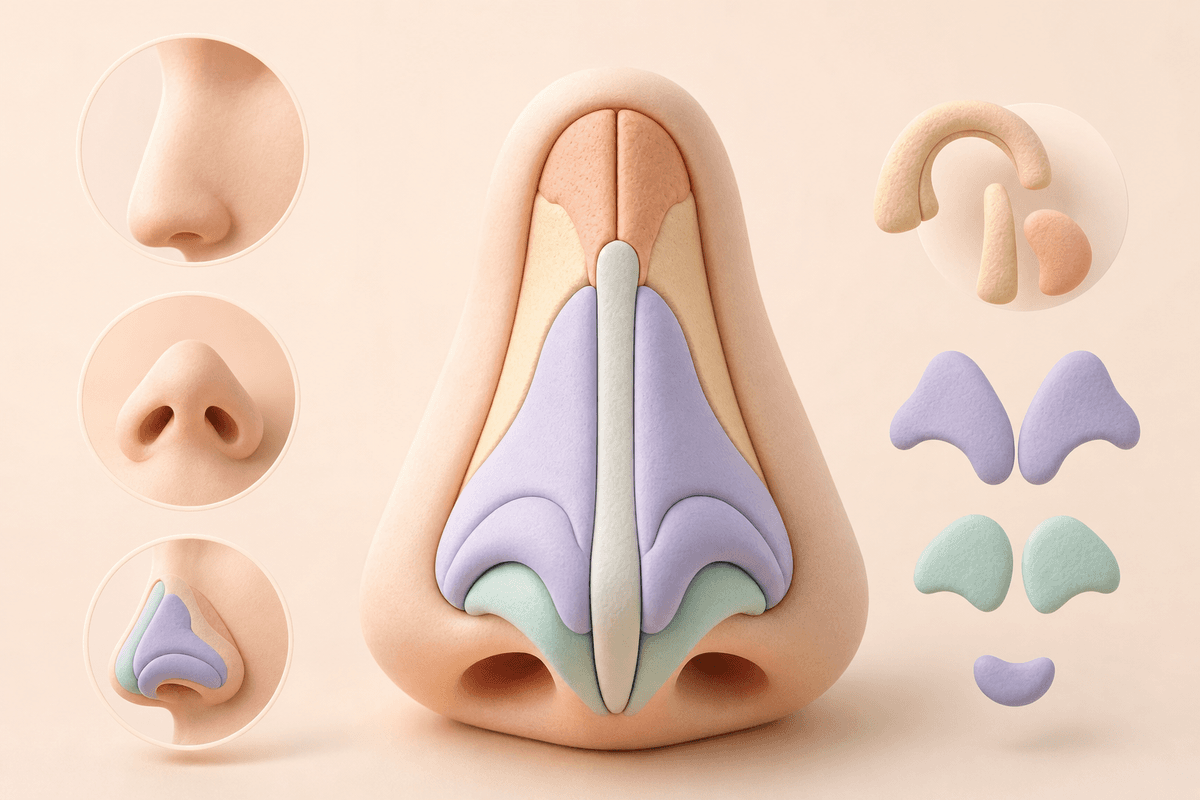
- Korean rhinoplasty is a leading medical tourism procedure due to specialized techniques for Asian nasal structures and expertise in using autologous tissues.
- The key is selecting a clinic that has established a language support system for the entire process, from online consultations to remote post-return management.
- Flights are possible 7-10 days after surgery, and while a minimum stay of 2 weeks is recommended, 3 weeks may be necessary depending on individual recovery speed.
Information as of July 2026
A Complete Guide to the Overseas Patient Journey
- Recommended stay: 14-21 days
- Able to fly after surgery: 7-10 days
- Hospitals with language support: Over 80% in Gangnam
Why is Korean Rhinoplasty the Top Choice for Outbound Surgeries?
If you thought "Korean rhinoplasty works well for Western noses too," you're only half right. Korean plastic surgery clinics excel due to their specialized techniques for Asian nasal structures. They've accumulated expertise in simultaneously addressing low nasal bridges, thick skin, and insufficient cartilage.
According to the 2022 International Society of Aesthetic Plastic Surgery (ISAPS) report, Korea performs approximately 70,000 rhinoplasties annually, ranking high globally in terms of procedures per capita. This number signifies not just volume, but the experience of seeing diverse cases daily. They have extensive experience with complex procedures like rib cartilage rhinoplasty.
Furthermore, Korea has advanced techniques for combining silicone implants with autologous tissue. While silicone implants are common in the US and Europe, Korean surgeons often use silicone for the bridge and autologous cartilage for the tip, achieving both natural results and safety. Materials like FDA-approved Gore-Tex (approved in 1993) have also been used early on.
- ISAPS 2022: Approx. 70,000 rhinoplasties annually in Korea, high global ranking per capita
- Many surgeons have over 200 rib cartilage rhinoplasty procedures
- Combination of silicone and autologous cartilage standardized in Korea in the early 2010s
Cost Comparison: How Does It Stack Up Against Your Home Country?

While specific costs vary greatly depending on the clinic, procedure, and materials, here's a general overview. It's 30-50% cheaper than in the US and similar to or 10-20% higher than in Southeast Asia. However, considering the experience and variety of techniques, Korea offers better value for money.
Complex procedures like rib cartilage rhinoplasty are 2-3 times more expensive in the US, but more accessible in Korea. In the UK and Australia, public healthcare waiting times exceed six months, leading many to choose surgery trips to Korea.
Beyond the surgical cost, remember to factor in accommodation and round-trip airfare. Realistically, your total budget, including 2-3 weeks of accommodation (hotel or Airbnb), meals, and interpreter services, should be about 1.3 to 1.5 times the surgery cost.
Tip Some clinics offer medical tourism packages that bundle interpretation, accommodation, and airport pick-up. These can be 10-15% cheaper than arranging services individually, but it's crucial to confirm the accommodation location and interpreter quality beforehand.
| Item | Compared to the US | Compared to Southeast Asia | Notes |
|---|---|---|---|
| Basic Rhinoplasty | 30-40% cheaper | Similar ~10% higher | Silicone + Autologous Cartilage |
| Rib Cartilage Rhinoplasty | 40-50% cheaper | 20-30% higher | Complex Procedure |
| Revision Rhinoplasty | 35-45% cheaper | 15-25% higher | Varies greatly by case |
Costs may vary depending on the clinic, procedure, materials, and exchange rates; these are reference figures.
OX Quiz
It's okay to fly on a plane the day after rhinoplasty in Korea.
Check the answer
X It's safest to wait at least 7 days, preferably 10 days or more, after surgery. Changes in cabin pressure can worsen swelling and increase the risk of bleeding. You should wait at least 3 days after splint removal.
Overcoming Language Barriers: From Online Consultations to Booking
Most Korean clinics have English, Chinese, and Japanese-speaking coordinators on staff. Over 80% of major plastic surgery clinics in Gangnam offer foreign language support, with some even covering Russian and Arabic.
Initial consultations are typically conducted via email or KakaoTalk. Send 3-4 photos of yourself (front, side, 45-degree, and from below) along with a description of your desired nose shape. You'll receive a response within 24-48 hours outlining the estimated procedure and cost range. Video consultations (Zoom/WhatsApp) are also available; coordinate the timing considering the time difference.
The deposit is usually 10-20% of the total cost. You can pay via international wire transfer (SWIFT) or PayPal. It's safer to book your flight after confirming your reservation, as surgery dates can sometimes change. A tourist visa is sufficient (90-day visa-free entry or single entry).
- Over 80% of major Gangnam plastic surgery clinics have English, Chinese, and Japanese coordinators
- Average response time for initial online consultations: 24-48 hours
- Deposit: 10-20% of total cost, payable via international wire transfer or PayPal
Duration of Stay: A Minimum of 2 Weeks vs. A Relaxed 3 Weeks

The minimum recommended stay is 14 days. This covers the basic schedule: surgery day → dressing change on day 1 → suture and splint removal on days 5-7 → final check-up on days 10-14.
Honestly, 2 weeks is quite tight. Flying for extended periods with significant swelling can worsen nasal congestion due to changes in cabin pressure. Staying for a more relaxed 21 days allows you to return home with 60-70% of the swelling reduced and provides a buffer for any unexpected complications (infection or implant displacement).
You can fly 7-10 days after surgery. The Korean Society of Plastic and Reconstructive Surgeons recommends waiting at least 3 days after splint removal. While it's technically possible after the acute phase (72 hours) post-suture removal, 10 days or more is recommended, especially for long-haul flights.
Caution Cabin humidity drops below 20% during flights. Dry nasal membranes can lead to faster scab formation and increase bleeding risk. Carry a nasal ointment (antibiotic or Vaseline) for use inside your nose during the flight.
| Schedule | Clinic Visit | Condition | Notes |
|---|---|---|---|
| Surgery Day | Yes | Splint worn | Overnight stay or discharge on the same day |
| 1 Day Post-Op | Yes | Disinfection & check-up | Bleeding/infection check |
| 5-7 Days Post-Op | Yes | Suture & splint removal | Peak of acute swelling |
| 10-14 Days Post-Op | Yes | Final check-up | Decision on flight eligibility |
| 21 Days Post-Op | Optional | 60-70% swelling reduction | If on a relaxed schedule |
The schedule may be adjusted based on individual recovery speed and procedure.
Choosing a Clinic: Essential Checks for International Patients
Before considering language support, prioritize the surgeon's experience. Verify their plastic surgery board certification (member of the Korean Society of Plastic and Reconstructive Surgeons) and the number of rhinoplasty procedures they've performed. If a website only claims "rhinoplasty specialist" without specific numbers, ask directly.
Second, look into the post-operative care system. Inquire if they offer remote consultations via video call after you return home and if they provide any support for return visits. Some clinics offer free revision surgery within one year (AS policy), but carefully read the terms and conditions—many only cover "surgeon's error" and exclude revisions requested by the patient.
Third, check the emergency contact system. Ask if they have 24-hour emergency contact availability and during what hours interpreters are on-site. Clinics accessible on weekends and holidays offer greater security. Also, verify if the clinic is registered with the Korean Medical Dispute Mediation and Arbitration Agency—this provides legal protection in case of disputes.
- Plastic surgery board certification is essential (member of the Korean Society of Plastic and Reconstructive Surgeons)
- Prefer surgeons performing over 200 rhinoplasties annually
- Confirm AS policy conditions (surgeon's error vs. patient request) beforehand
- Check for 24-hour emergency contact and interpreter availability
Post-Return Remote Care: What's Realistically Possible?

After returning home, weekly photo submissions and video consultations are necessary for at least three months. While swelling and bruising typically subside within 2-3 weeks, the final nasal shape is determined after six months. During this period, the implant position can shift slightly, or cartilage can warp.
Video consultations are conducted via KakaoTalk video calls or Zoom. After sending photos taken from the front, side, and below, the doctor will assess and advise on further steps (medication prescriptions, need for a return visit). While medication can be sent via international courier, a return visit is unavoidable if infection or implant issues are suspected.
There are limitations to remote care. Cases requiring palpation (manual examination) are difficult to manage remotely. It's hard to determine from photos alone if the tip cartilage is crooked or if an implant is pressing against the skin. Therefore, many clinics recommend a follow-up visit at the six-month mark. Some offer partial coverage of flight costs, so inquire before signing any contracts.
Key Takeaway Some Korean clinics have collaborative systems with clinics in your home country. After returning, you can have a check-up at an affiliated clinic, which then reports to the Korean surgeon for instructions. Ask if they have affiliations in major cities in the US, China, or Southeast Asia.
Comparison of Stay Durations: Pros and Cons
2-Week Schedule [Minimum]
- Surgery day + 4 follow-up visits
- Return home immediately after suture and splint removal
- Fly with 60% of acute swelling remaining
- Cost savings (14 days accommodation)
Tight but not impossible. Limited room for managing complications
3-Week Schedule [Recommended]
- Return home with 60-70% swelling reduced
- Less stress during flight
- Immediate response to complications
- Increased cost (21 days accommodation)
Ensures safer recovery and minimizes post-return stress. Highly recommended if your schedule allows
4+ Weeks [Relaxed]
- Over 80% swelling reduced
- Final shape becomes clearer
- Allows for sightseeing and relaxation
- Higher cost
Consider 4 weeks for revision surgery or complex procedures (rib cartilage)
Choosing Your Stay Duration Based on Your Situation
First-time rhinoplasty, basic silicone + autologous cartilage procedure
2-week schedule possible, 3 weeks recommended
Recovery is relatively quick, but 3 weeks allows for better swelling management and safety.
Revision surgery or complex autologous rib cartilage procedure
Minimum 3 weeks, preferably 4 weeks
2 weeks is insufficient considering tissue healing and cartilage graft site recovery.
Tight budget and limited vacation time
2 weeks + intensive remote care post-return
Opt for the minimum duration but increase remote consultations to twice a week for a safety net.
Able to visit with ample time for sightseeing
3-4 weeks + sightseeing around Seoul
Reduces recovery stress and alleviates psychological burden of a long stay.
Common Misconceptions
Misconception Korean clinics overcharge foreign patients.
Truth Prices are the same for locals and foreigners. Fees may apply for interpretation or medical tourism packages, but the surgery cost itself is not discriminatory. In fact, due to intense competition, some clinics offer promotions for foreign patients.
Misconception Full recovery is achieved in just 2 weeks.
Truth 2 weeks is merely the minimum period for check-ups. Acute swelling subsides, but the final nasal shape takes six months to settle. While flying is possible, it's far from "full recovery."
Must-Check Items Before Your Rhinoplasty Trip to Korea
- !!Do not sign any contracts based solely on coordinator consultations; insist on meeting the surgeon!! — Ensure a face-to-face consultation with the doctor the day before surgery.
- !!Obtain AS policy and refund conditions in writing before paying the deposit!! — Verbal agreements are invalid in disputes.
- !!Book your return flight only after confirming your surgery schedule!! — Account for potential date changes.
- !!Get final approval from the doctor before flying!! — Coordinator's judgment is insufficient; doctor's confirmation is essential.
- !!Avoid blowing your nose forcefully for 3 months after returning home!! — Risk of implant displacement.
Frequently Asked Questions
I only speak English. Will communication be an issue at Korean clinics?
Over 80% of major Gangnam clinics have English-speaking coordinators. They provide interpretation from pre-op consultations to discharge, and English communication via KakaoTalk/email is available post-return. However, direct conversations with the doctor will be through an interpreter, so if conveying subtle nuances is important, ask plenty of questions during your video consultation.
Hotel vs. Airbnb during my stay? Which is better?
Airbnb within a 10-minute walk of the clinic is recommended. Hotels are clean but can cost nearly double for a 2-3 week stay. Airbnbs allow for simple cooking, which is beneficial for dietary adjustments during recovery. However, always check reviews for cleanliness and sanitation.
When can I start sightseeing after surgery?
Light indoor sightseeing is possible after splint removal (5-7 days). However, strenuous activity, prolonged walking, and direct sun exposure are recommended only after 2 weeks. Pushing yourself while still swollen can delay recovery.
What exactly does the AS policy cover?
Most policies cover free revision surgery for one year due to surgeon's error. However, "patient-requested revisions" (dissatisfaction with appearance) are often charged or excluded. Complications like infection or implant displacement are usually covered, but carefully read the terms specified in your contract.
What should I do if I suspect an infection after returning home?
Immediately request a video consultation and visit an emergency room in your home country. While Korean clinics can prescribe antibiotics, international shipping takes 3-5 days. It's faster to get an initial prescription locally and share it with your Korean doctor. High fever (over 38°C), pus discharge, or severe pain require immediate emergency room attention.
Is it better to pay in cash or by card?
Card payment is recommended. It allows for chargebacks in case of disputes and automatically generates receipts. Some clinics offer a 10-15% discount for cash payments, but without a receipt or contract, your basis for claiming AS weakens. Consider the 2-3% international card fee as a cost for security.
Lumi's Word
If a 3-week stay feels daunting, opt for the minimum 2 weeks but increase your remote consultations to twice a week after returning home. With a solid safety net, a slightly tighter schedule is manageable. I support you in your surgery journey in a foreign country!
This content is for informational purposes only and does not substitute medical advice. Always consult directly with your surgeon before undergoing any procedure.