Why Fat Graft Survival Rate is Determined Within 2 Weeks
- The key to engraftment isn't the injection volume, but the speed of vascularization in the first two weeks.
- Engraftment rates vary by up to 40%p depending on the centrifugation, SVF, and CAL methods.
- Differences in pressure and movement by area determine the survival rate of cells.
Information as of August 2026
Differences by Harvesting, Purification, and Injection Method
- Survival rate 30-70% (depending on purification method)
- Survival rate in the first 72 hours: 50%
- Centrifugation: 3000rpm for 3 minutes (standard)
My Cheeks in the Mirror: Why Do They Sag After Six Months?
Cheeks that looked plump right after the procedure appear sunken again in the mirror six months later. Many people consider a touch-up procedure when they wonder, "Where did all the transplanted fat go?"
The survival rate of fat grafting is an average of 30-70%. Even when the same amount of fat is injected, the results can vary by more than double depending on the harvesting site, purification method, and injection depth. The key is how well the transplanted fat cells establish new blood vessels within the first two weeks.
This article will outline the differences in fat grafting methods such as centrifugation, stem cells, and CAL, as well as survival rates by injection area, and provide criteria for determining which method is suitable for which case.
The Crucial First Two Weeks: What Happens to Determine Survival Rate?
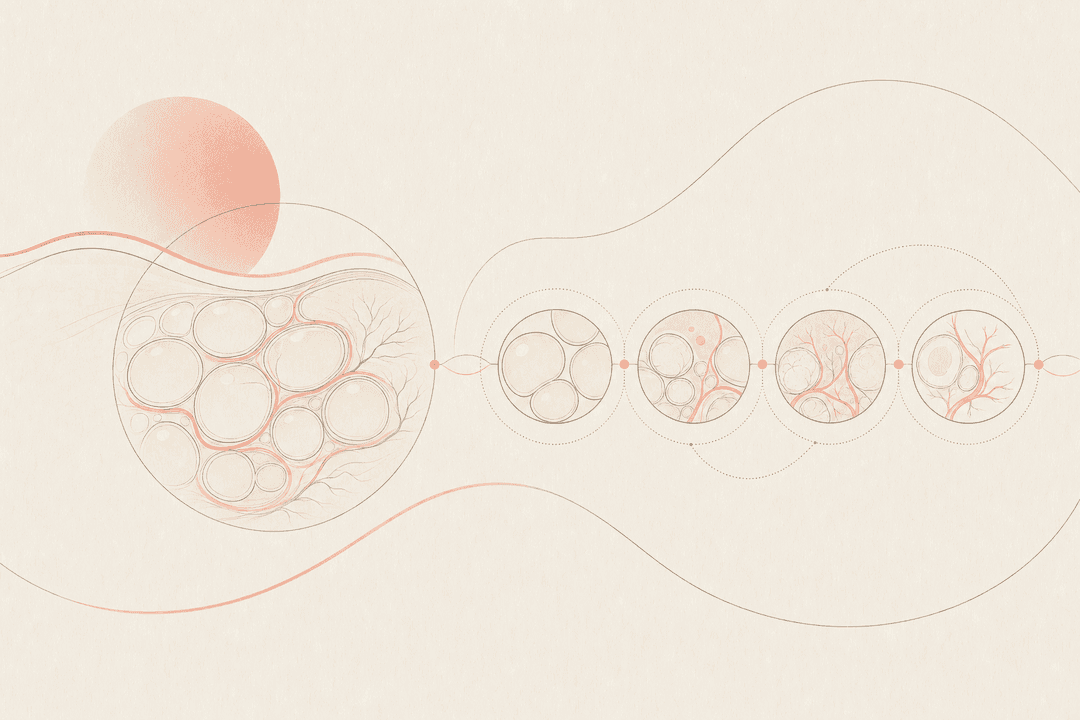
From the moment of injection, fat cells attempt to connect with surrounding tissues and blood vessels. The problem is that the center of the transplanted fat mass does not receive oxygen and nutrients.
Approximately 50% of the cells die within the first 72 hours. Over the next two weeks, new blood vessels (angiogenesis) form, and only the surviving cells achieve permanent engraftment. A 2016 report by the Korean Society of Plastic and Reconstructive Surgeons showed a correlation coefficient of 0.78 between blood vessel density within 14 days and the final survival rate.
This is why the area that appears swollen immediately after the procedure rapidly deflates after 2-3 weeks. During this period, smoking, pressure, and excessive movement hinder the formation of new blood vessels, further reducing the survival rate.
- First 72 hours: Approximately 50% cell death (period of no vascularization)
- 7-14 days: New blood vessel infiltration begins, surviving cells anchor
- 3 months: Final volume established, minimal changes thereafter
OX Quiz
Saunas and light jogging are okay after fat grafting for the first two weeks.
Check the answer
X The first two weeks are for new blood vessel formation. Activities that increase blood flow, such as saunas and jogging, can worsen swelling and reduce the survival rate by 10-20 percentage points. Light walks are possible, but start high-intensity exercises after three weeks.
Harvesting and Purification Methods: How They Impact Survival Rates
Even with fat harvested from the same area, the final survival rate can range from 30% to 70% depending on how it is purified. In Korea, three main methods are commonly used: centrifugation, SVF (stem cells), and CAL (cell-assisted).
The centrifugation method is the most common. Harvested fat is spun at 3000rpm for 3 minutes to separate blood and oil, and only the pure fat layer is injected. This is based on MFDS-approved equipment standards, with an average survival rate of 40-50%.
The SVF (Stromal Vascular Fraction) method extracts stem cells and vascular progenitor cells from adipose tissue and mixes them. It was recognized by FDA guidelines in 2012 within the scope of 'minimal manipulation' and is processed with collagenase enzyme treatment and separation in Korea. Survival rates are reported to be 55-70%, but it incurs an additional cost of over 500,000 KRW.
CAL (Cell-Assisted Lipotransfer) involves mixing concentrated fat cells after centrifugation. It is simpler than SVF, with a survival rate of around 50-60%. A 2013 study in the American Journal of Plastic and Reconstructive Surgery reported a 15% increase in survival rate compared to the control group.
Clinical Insight My recommended criterion is whether it's a revision procedure. If it's the first procedure and you have budget flexibility, SVF is recommended. For revisions or minor touch-ups, centrifugation is sufficient.
| Method | Survival Rate | Processing Time | Additional Cost |
|---|---|---|---|
| Centrifugation | 40-50% | 15 minutes | None |
| SVF (Stem Cells) | 55-70% | 60-90 minutes | +500,000 KRW or more |
| CAL (Concentrated) | 50-60% | 30 minutes | +300,000 KRW |
Survival rates may vary depending on the area, injection volume, and patient's condition.
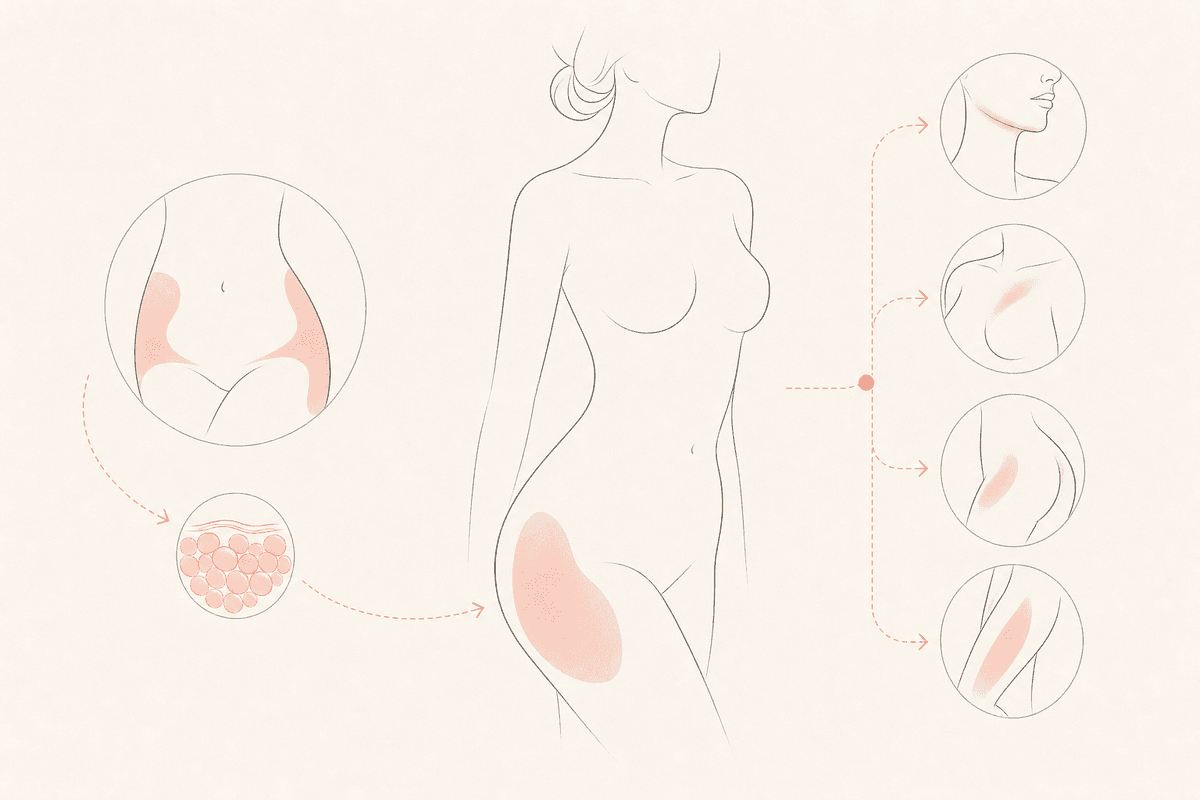
Survival Rates by Injection Area: Why the Differences?
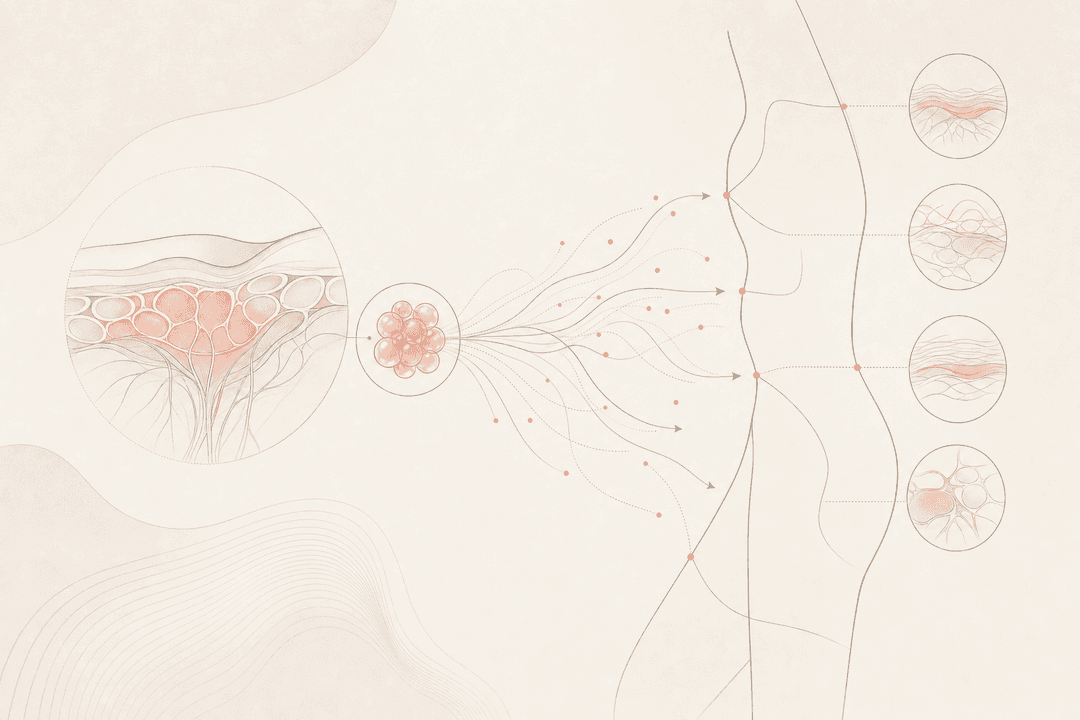
Even with the same injection method, survival rates can differ by more than 20 percentage points depending on the area. There are two main reasons: first, the blood vessel density of the surrounding tissue, and second, the pressure and movement in that area.
The face (cheeks, forehead, temples) has the highest survival rate, 50-70%, due to rich blood supply and minimal movement. In contrast, the breasts have a lower rate of 30-40%. Bra pressure, gravity, and large injection volumes combine to increase the necrosis rate in the center.
The buttocks have a survival rate of 40-50%, lower than the face due to pressure from sitting but better than the breasts. The backs of the hands and feet have the lowest rates, below 35%, as the skin is thin and movement is frequent, making fixation difficult.
Therefore, even if 100cc of fat is injected, only 60cc may remain in the cheeks, while only 35cc remains in the breasts. Calculating the overcorrection volume based on site-specific survival rates is a key skill for experienced surgeons.
- Face (cheeks, forehead, temples): 50-70% survival rate, high blood vessel density
- Breasts: 30-40%, necrosis in the center due to pressure, gravity, and large volume injection
- Buttocks: 40-50%, affected by sitting pressure
- Hands/Feet: Below 35%, thin skin and frequent movement
Ideal Candidates: Check These Three Conditions
Fat grafting's advantage is that it uses autologous tissue, minimizing allergic reactions, but it's not suitable for everyone. There are three conditions I prioritize during consultations.
First, is there enough fat available for harvesting? You need to be able to harvest at least 100cc from areas like the abdomen or thighs to ensure sufficient volume after purification for injection. If your BMI is below 18, fat harvesting may be difficult, and fillers or implants might be better options.
Second, is there a plan for revision procedures? It's rare to achieve 100% satisfaction with the first procedure. Considering the survival rate, it's more realistic to plan for one to two additional procedures.
Third, is there sufficient recovery time? For the first two weeks, strenuous exercise, pressure, and smoking must be avoided. Failure to adhere to this period can reduce the survival rate by 10-20 percentage points. While office workers might return to work on Monday after a Friday procedure, it takes 10-14 days for bruising and swelling to fully subside.
Caution Smokers have an average survival rate that is 15-25% lower. Nicotine causes vasoconstriction, hindering the formation of new blood vessels. Quitting smoking at least two weeks before the procedure is essential.
Key Criteria: How to Judge
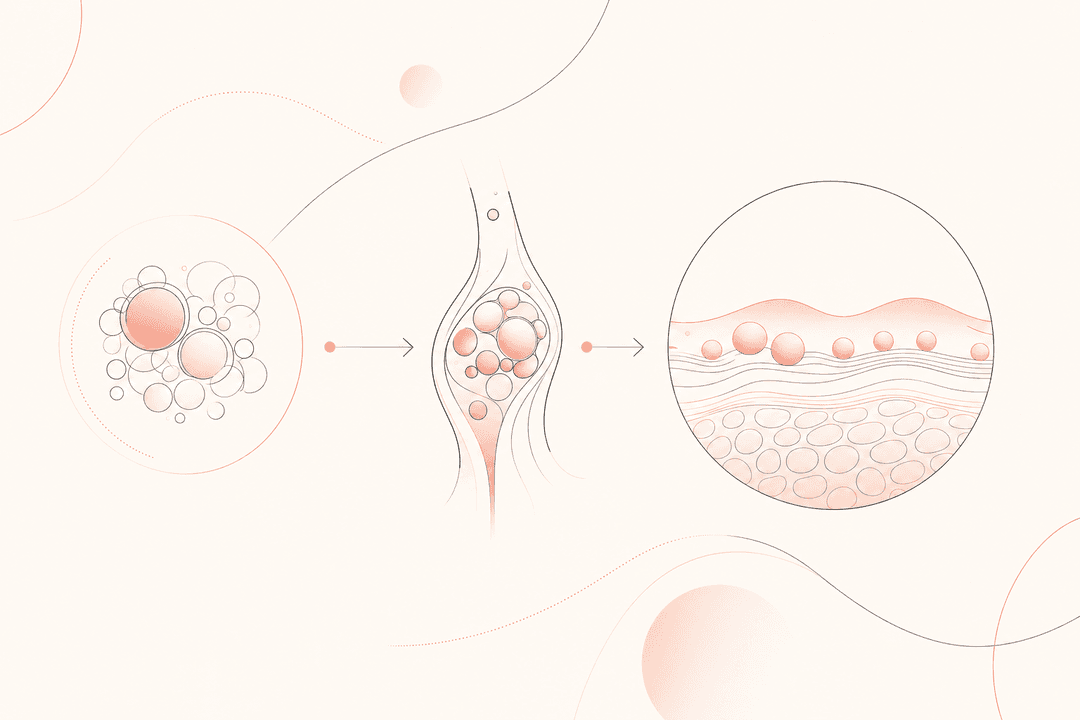
Fat grafting should be approached with the understanding that it is not completed in a single session. Due to numerous variables affecting survival rates, predicting results can be challenging. Therefore, the first procedure should be considered 'base work,' with a realistic plan involving additional procedures 3-6 months later to adjust the volume.
The order of preference for harvesting sites is abdomen > inner thighs > flanks, as fat cells from these areas have better survival rates. A 2018 study by the Korean Society for Aesthetic Plastic Surgery found that abdominal fat had an average survival rate 8% higher than thigh fat.
If your budget is limited, starting with the centrifugation method and considering SVF for revision procedures is an option. The key is a phased approach rather than initial overambition.
- First procedure is base work; enhance completeness with additional procedures 3-6 months later
- Priority for harvesting sites: Abdomen > Inner Thighs > Flanks (in order of survival)
- Smoking, pressure, and excessive movement reduce survival rates by 10-20 percentage points
- Overcorrection calculation by injection area is essential — inject 1.4 times for face, 2.5 times for breasts
Fat Grafting Method Comparison
Centrifugation [Most Common]
- Survival rate: 40-50%
- Processing time: 15 minutes
- Additional cost: None
- MFDS approval standard
Suitable for first procedures and minor touch-ups
SVF (Stem Cells) [High Survival Rate]
- Survival rate: 55-70%
- Processing time: 60-90 minutes
- Additional cost: +500,000 KRW or more
- Collagenase enzyme separation
Recommended when aiming to minimize revision procedures
CAL (Concentrated) [Intermediate Option]
- Survival rate: 50-60%
- Processing time: 30 minutes
- Additional cost: +300,000 KRW
- Concentrated cell mixing
Compromise between cost and time
Guide to Choosing the Right Method for You
First procedure with budget flexibility
SVF (Stem Cells) Method
Up to 70% survival rate reduces the likelihood of revision procedures.
Revision procedure or minor touch-up
Centrifugation Method
Achieves 40-50% survival rate without additional cost.
BMI below 18, making fat harvesting difficult
Consider Fillers or Implants
If less than 100cc of fat can be harvested, the injected volume after purification will be insufficient.
Smoker or difficulty securing recovery time
Postpone Procedure or Consider Alternatives
Failure to manage the first two weeks properly can reduce survival rates by 10-20 percentage points.
Common Misconceptions
Misconception The more fat injected at once, the better the results.
Truth Excessive injection increases the central necrosis rate and lowers the survival rate. The principle is to inject appropriate amounts divided by area. For breasts, a safe range is 150-200cc or less per session.
Misconception If you lose weight after fat grafting, the volume will decrease again.
Truth Engrafted fat cells grow or shrink proportionally to changes in body weight. A weight loss of 5kg or more can lead to a 10-15% reduction in the volume of the grafted area.
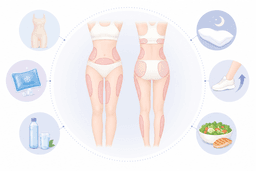
Pre- and Post-Fat Grafting Precautions
- !!Smoking cessation is essential starting 2 weeks before the procedure!! — Nicotine hinders new blood vessel formation
- !!No pressure or massage for the first 72 hours!! — Reduced survival rate due to damage to new blood vessels
- Avoid strenuous exercise and saunas for 2 weeks after the procedure — Increased blood flow worsens swelling
- Wear compression garments on the harvesting site (3-4 weeks) — Essential for managing bruising and swelling
- !!If overcorrection is not calculated for the injection area, revision surgery will be necessary!! — Overcorrection based on survival rate is essential
Frequently Asked Questions
What is the most reliable way to increase fat grafting survival rates?
The key is avoiding pressure and massage for the first 72 hours, and abstaining from smoking and alcohol for 2 weeks. Post-operative care has a greater impact on survival rates than the purification method. Even with the SVF method, smoking can lead to worse results than centrifugation.
When can I have a revision procedure?
At least 3 months later. This is because the final survival rate is confirmed around the three-month mark. Injecting additional fat too soon can compress already engrafted fat, paradoxically increasing necrosis rates.
What is the best harvesting site?
Abdominal fat has the best survival rate. A 2018 study by the Korean Society for Aesthetic Plastic Surgery found that abdominal fat had an average survival rate 8% higher than thigh fat. However, if you have sufficient harvestable volume, the inner thighs are also a good option.
What are the side effects of fat grafting?
Common side effects include calcification, lumps due to fat necrosis, and asymmetry. Calcification occurs in 5-10% of breast grafting cases and can be confused with mammograms, necessitating a breast examination before the procedure. Lumps can appear with excessive injection or infection and are removed via aspiration after ultrasound confirmation.
Is fat grafting impossible if my BMI is low?
Even with a BMI below 18, fat grafting can be performed if 100cc or more can be harvested from the abdomen or thighs. However, if the harvest volume is small, the injected volume after purification will be insufficient, making it more realistic to consider fillers or implants in conjunction.
When can I return to work?
You can return to work on Monday after a Friday procedure. However, for facial grafting, bruising and swelling can last for 10-14 days, requiring the use of a mask. For breasts and buttocks, you can return to work wearing compression garments, but if your job involves sitting, using a cushion is recommended for two weeks after buttock grafting.
Lumi's Word
Fat grafting is a procedure that involves 'gradually building up' rather than 'completing in one go.' By accepting the variables of survival rates and viewing the first procedure as a base, you can reduce the stress of revision procedures and increase satisfaction with the results. Simply managing the first two weeks well can significantly change the survival rate, so focus on your body during that period.
This content is for informational purposes only and does not substitute for medical advice. Always consult with a specialist before undergoing any procedure.