3 Months After Juvelook Collagen Booster: What People Regret
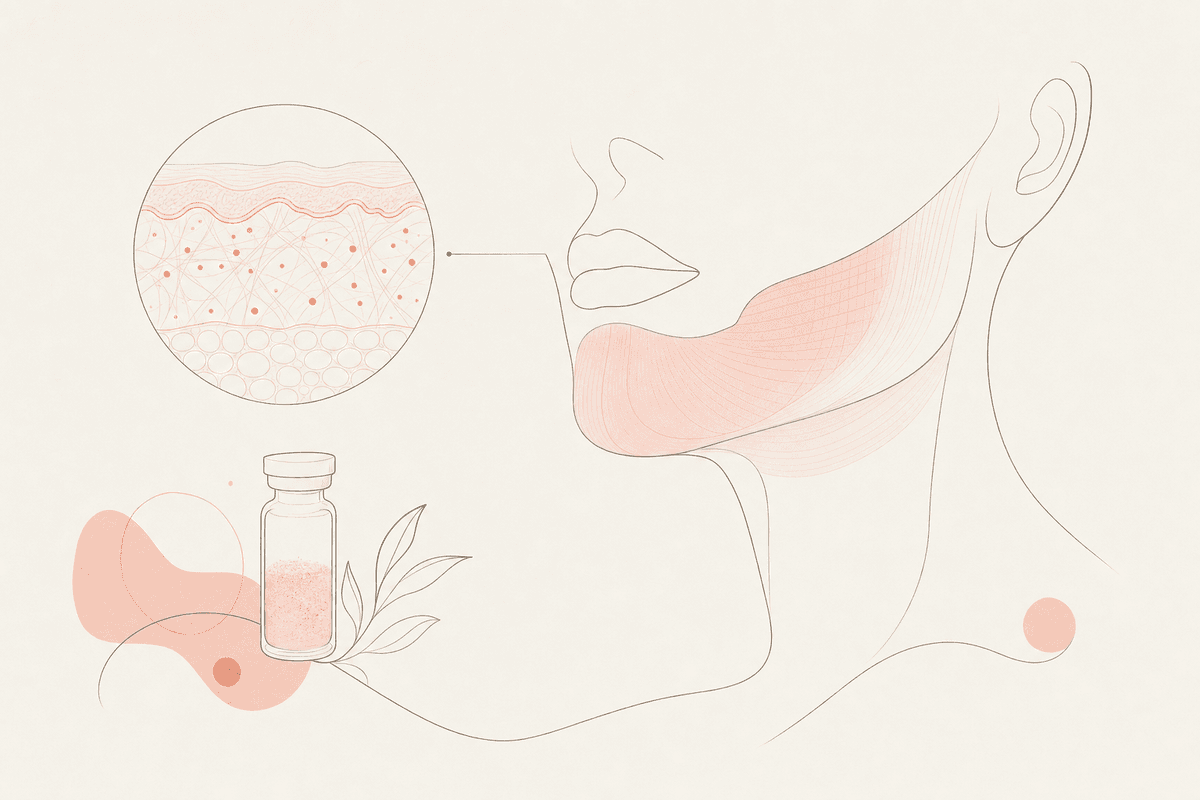
- Juvéderm isn't a 'one-and-done' injection; it's a procedure that works within your body for three months. If you expect immediate results, the first two weeks might be disappointing.
- The perceived effectiveness varies by 30-70% depending on skin thickness, age, and lifestyle habits. This explains why a 20-year-old with thin skin might have a different satisfaction level than a 40-year-old with sagging skin.
- Three common points of regret: failed management of protruding areas, missing the timing for retreatment, and expecting results from a single treatment without combining it with others.
Information as of July 2026
Between Expectation and Reality
- Up to 12 weeks for collagen synthesis
- Individual variation of 30-70%
- Retreatment interval of 3-6 months
Is One Juvelook Session Enough? Only Half True
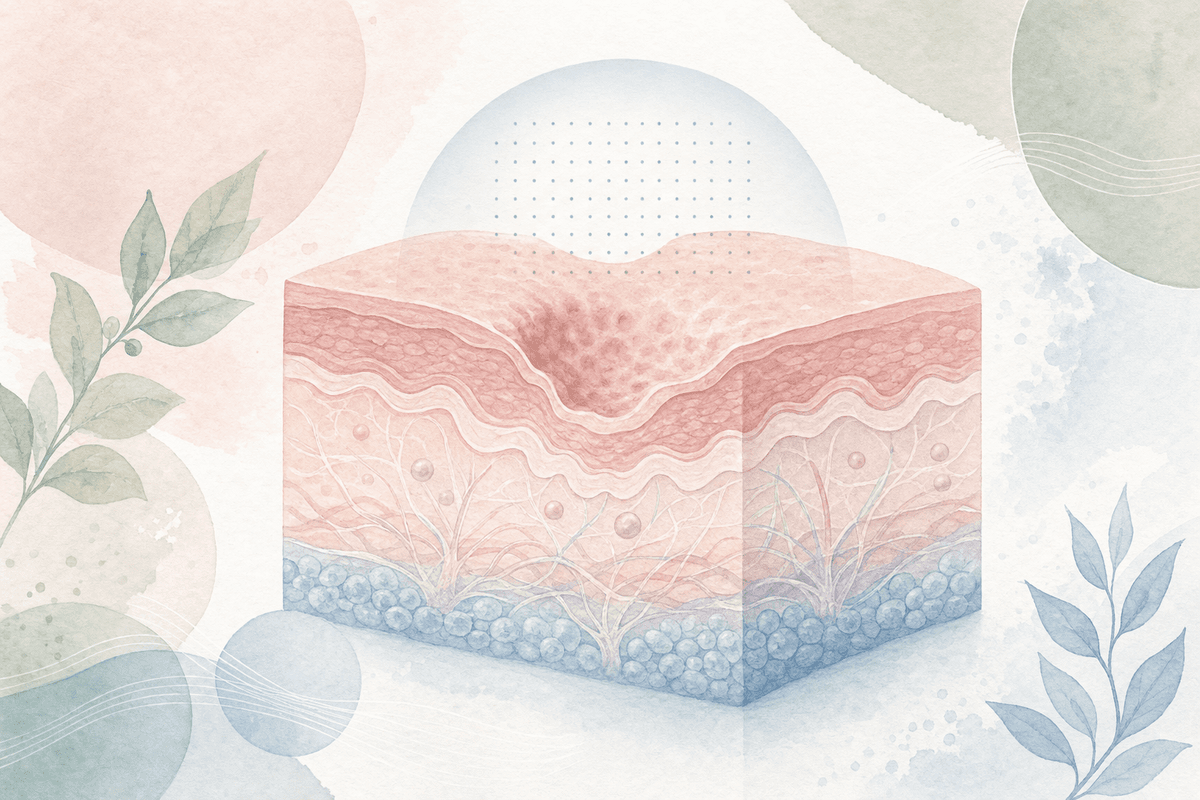
If you thought Juvelook lasts a long time after just one session, that's only half true. The effect doesn't appear on the day of injection; it's a procedure where collagen is synthesized in your body over 8-12 weeks. So, the first two weeks might leave you wondering, "Did I even get it done?", and real changes gradually emerge from week 4 onwards.
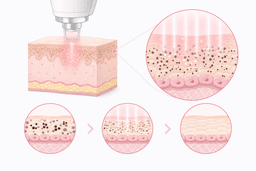
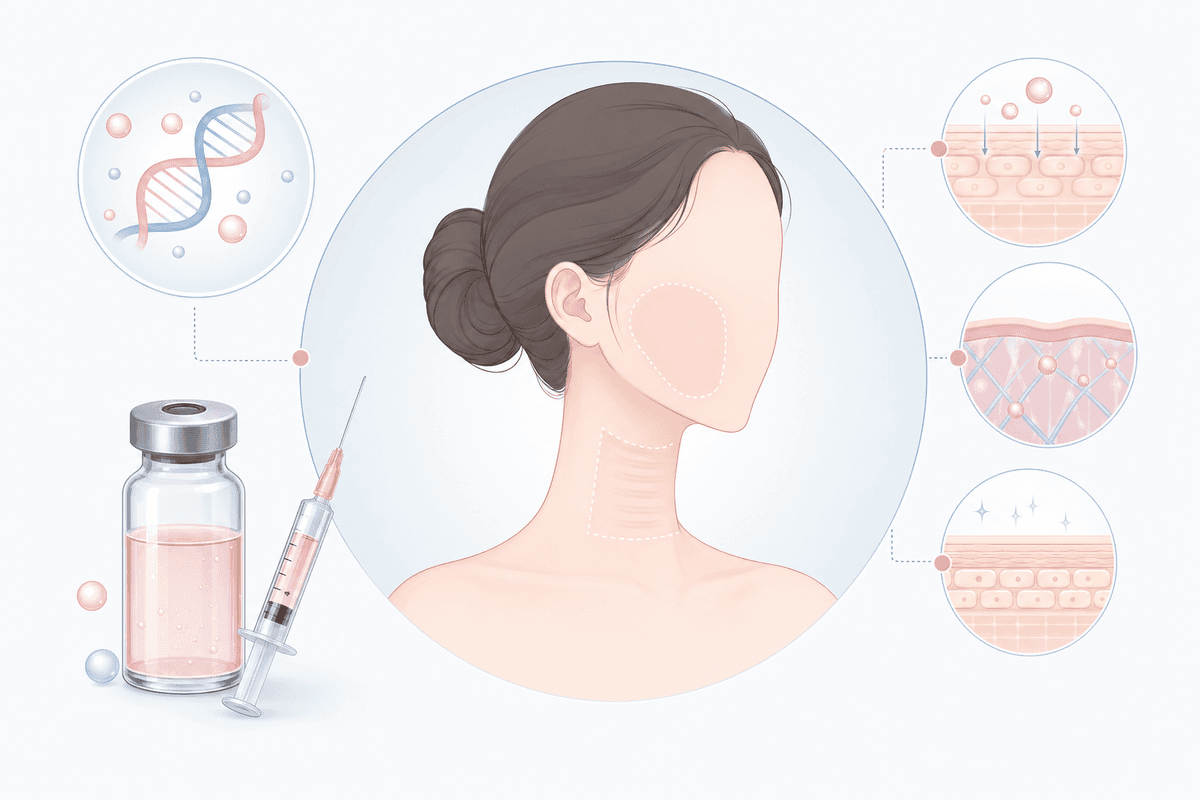
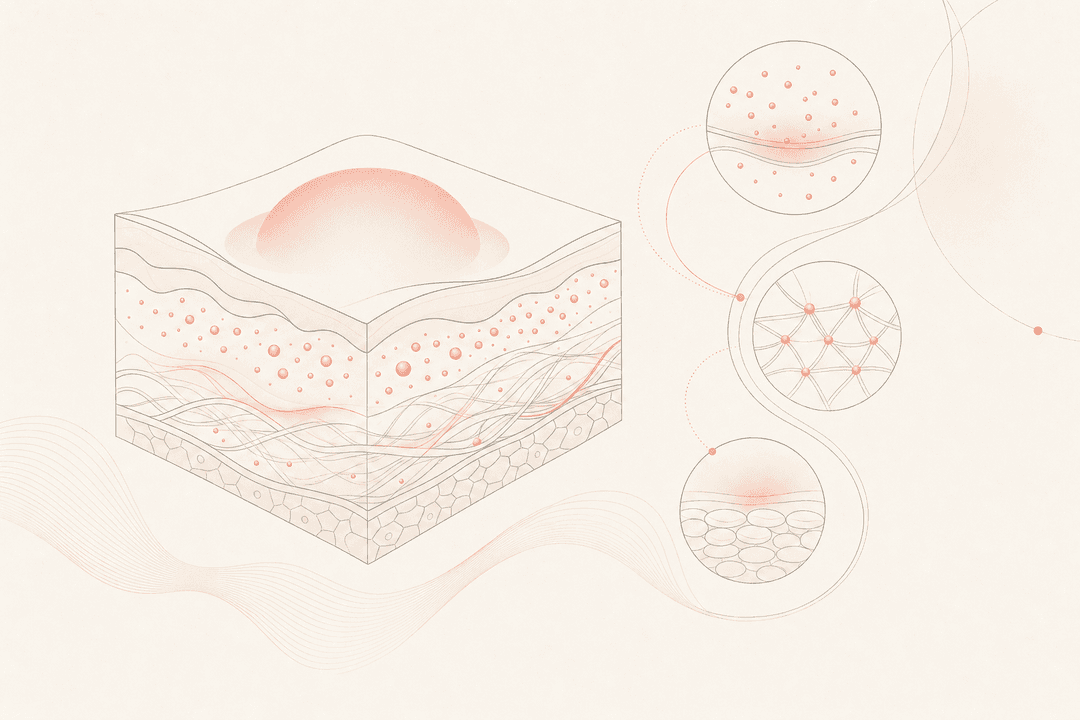
Juvelook is a collagen booster based on Poly Lactic Acid (PLA), approved by the Korean MFDS in 2020. Unlike fillers that instantly add volume, its principle is to induce new collagen production in the skin's dermis. Considering Sculptra, which uses the same ingredient and has been approved by the US FDA since 1999, its safety record spans over 20 years.
So why do some people end up regretting it? The gap between expectations and reality, along with a few management mistakes, can drastically alter satisfaction levels.
Common Traits of Those Who Felt It Didn't Work
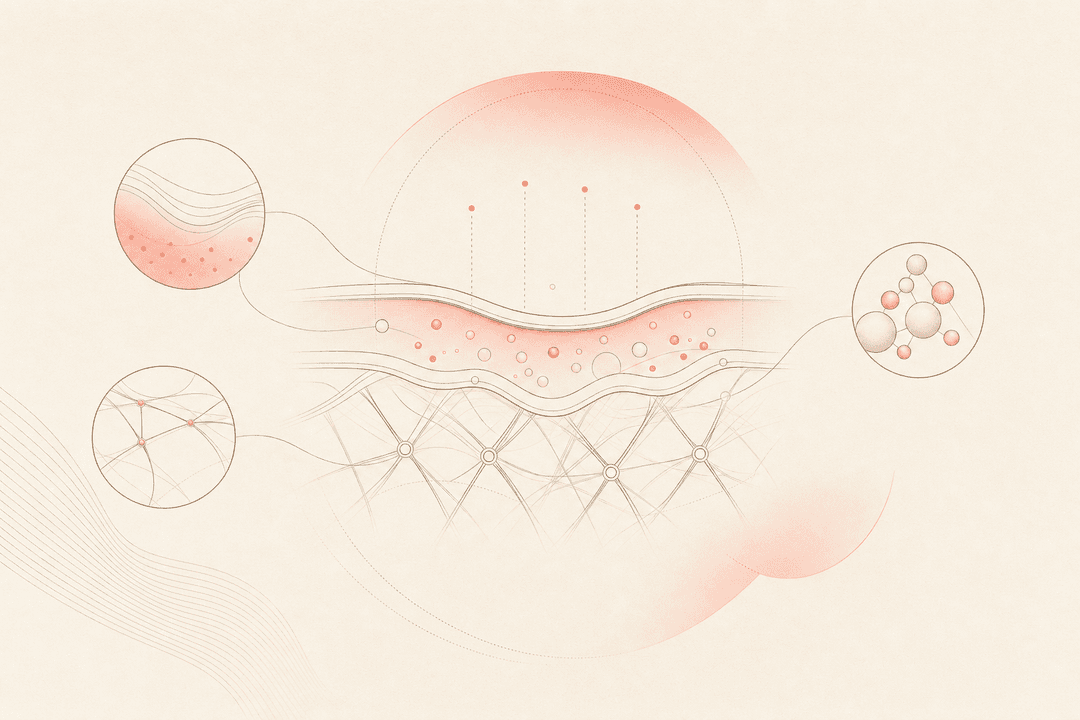
The most common time for regret is around weeks 2-3 post-injection. That's when you look in the mirror and think, "Was it just a waste of money?". Collagen synthesis really kicks in from week 4-6, and those expecting immediate results like fillers tend to give up here.
According to data presented by the Korean Dermatological Association in 2022, patient satisfaction after Juvelook treatment increased from 60% at week 4 to 82% at week 12. This shows that initial dissatisfaction improves over time. However, if people don't know this and decide it's "ineffective" without proper follow-up, the potential results will be halved.
Another easily overlooked aspect: Depending on skin thickness, age, and existing collagen levels, the perceived effectiveness of Juvelook can vary by 30-70%. In younger individuals with thinner skin, elasticity improvements may appear quickly, but in older individuals with sagging skin, it's difficult to expect "dramatic changes" from Juvelook alone without combining it with other treatments like thread lifting or radiofrequency.
Caution Expecting Juvelook alone to "dramatically lift sagging skin" is an exaggeration. It's a treatment that improves skin texture and fine wrinkles by increasing collagen density, not a lifting procedure to counteract gravity-induced sagging.
OX Quiz
After getting Juvelook, I immediately felt my skin's elasticity improve the next day.
Check the Answer
X Juvelook is a procedure where PLA induces collagen in the body, so effects begin after 4-6 weeks. What you might feel in the first 1-2 days is temporary volume due to swelling; actual collagen synthesis hasn't occurred yet. Mistaking this initial feeling for effectiveness and neglecting aftercare only increases the risk of complications.
Honestly, Downsides to Know Before the Upsides
First downside: Zero immediate effect. On the day of the procedure, you'll only have swelling, with no visible changes. Unlike fillers, you can't get a "selfie today, perfect tomorrow" result. If you get it right before an important event like a wedding or interview, you're bound to regret it.
Second: Risk of nodules. If the PLA particles are not dispersed properly, small bumps that can be felt under the skin may form. This is why you must follow the "5-5-5 rule" of gently massaging the treated area for 5 minutes, five times a day, for the first 5 days after the procedure. Neglecting this can lead to follow-up visits months later due to nodules.
Third: Ambiguous retreatment timing. While the effects typically last 12-18 months, there's significant individual variation, and the criteria for 'when to get it again' are unclear. Since collagen gradually breaks down, it's easy to miss the point when it "visibly diminishes," leading to a need for 3-4 cumulative sessions to return to the initial state.
- Korean Dermatological Association 2023 report: Nodule incidence rate of 3% in the group that adhered to the 5-5-5 massage versus 12% in the non-adherent group after Juvelook treatment.
- Journal of the American Academy of Dermatology (JAAD) 2021 study: Average duration of PLA collagen booster effects is 15 months, but shortened to an average of 9 months for smokers.
- Data from major domestic clinics: 82% patient satisfaction at week 12 after one Juvelook session, but satisfaction increased to 94% when combined with thread lifting for those over 40.
Why Choose Juvelook Anyway — The Weight of Its Advantages
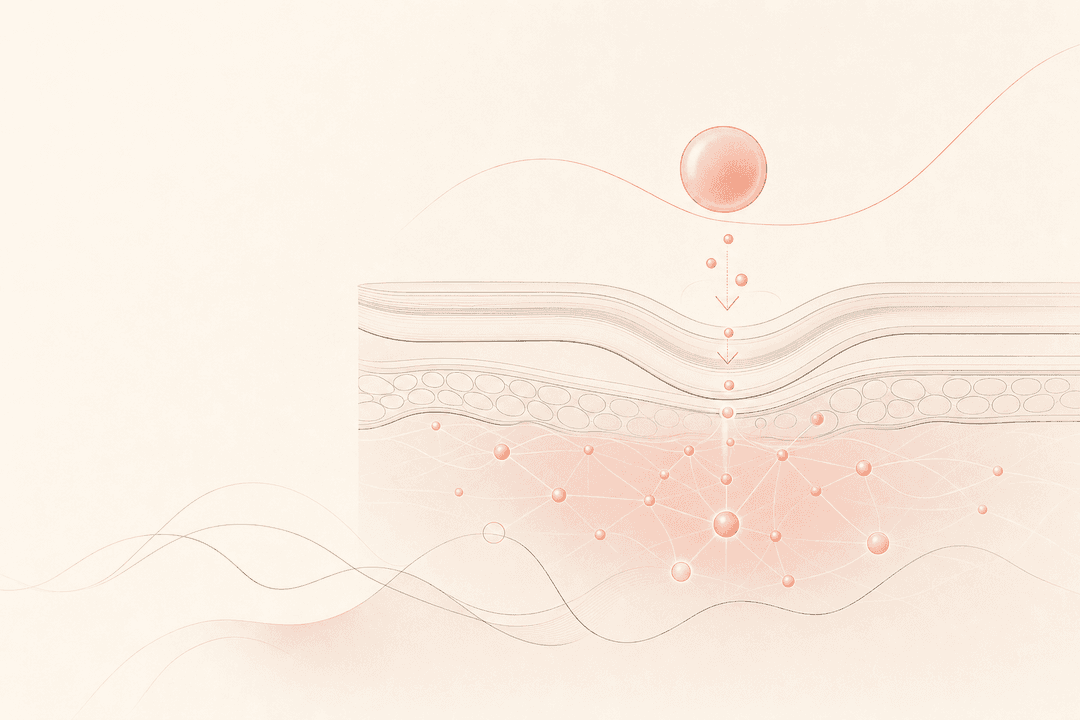
Why do so many people still seek Juvelook despite knowing its downsides? It's because of its naturalness. Fillers can make it obvious that "you had something done today," but Juvelook changes you gradually over three months, so even you might wonder, "When did this start?" It's that natural.
Second advantage: Duration. While fillers last 6-9 months, Juvelook lasts an average of 12-18 months. Since one session lasts over a year, it can be more cost-effective in the long run. However, this assumes proper aftercare and timely retreatment.
Third: Improvement in overall skin quality. Fillers only add volume, but Juvelook increases collagen density in the dermis, improving pores, fine wrinkles, and skin texture. A 2022 clinical study by the Korean Dermatological Association showed an average 28% increase in skin elasticity measurements in patients at week 12.
Key Takeaway Juvelook is a treatment for "3 months from now" rather than "today." If you need immediate changes, fillers are the answer; if you want to naturally upgrade your skin itself, a collagen booster is the way to go.
Juvelook Side Effects They Don't Tell You in the Ads
Most common side effects: Swelling and bruising. For 2-5 days after the procedure, the injection sites may swell, and mild bruising may occur. This usually subsides within a week, but can last up to 10 days depending on your constitution. It's safer to avoid it at least two weeks before any important events.
Nodules: If the 5-5-5 massage is not performed or if the practitioner injects PLA too superficially, small bumps may be felt on the skin's surface. Most dissolve naturally within a few weeks, but in severe cases, additional treatment with steroid injections may be necessary.
Inflammatory reaction: Although extremely rare (less than 1%), granulomas, which are red, swollen areas at the injection site, can occur due to an overreaction to PLA. In such cases, anti-inflammatory treatment and observation are required. If you have an autoimmune disease, you must consult with your doctor before the procedure.
The important thing is this: Most Juvelook side effects are determined by post-procedure care and the practitioner's technique. Sufficient dilution (typically over 5cc), accurate injection depth into the dermis, and the patient's adherence to the 5-5-5 massage are crucial for the outcome.
| Side Effect | Onset | Management | Duration |
|---|---|---|---|
| Swelling/Bruising | Immediately after injection, days 1-5 | Cold compress, sleep with head elevated | 5-10 days |
| Nodules | Weeks 2-8 | 5-5-5 massage, steroid injection if severe | Weeks to months |
| Inflammation/Granuloma | Rarely, months after | Anti-inflammatory treatment, observation | Individual variation |
| Injection site pain | Immediately after injection, days 1-3 | Pain relievers, avoid irritation | 3-7 days |
Incidence and duration of side effects may vary depending on individual constitution and injection technique.
To Avoid Regret, Check These Things First
First, make massaging a habit for the first 5 days after the procedure. Gently rub the treated area in circular motions with your fingertips for 5 minutes each time: after washing your face in the morning, during your lunch break, and during your evening skincare routine. It might seem tedious, but it's the most effective way to prevent nodules.
Second, don't miss the retreatment window. Juvelook lasts 12-18 months, but there are periods when the effects gradually diminish. If you had 3-4 cumulative sessions initially, it's ideal to get 1-2 reinforcing sessions about a year later when you feel "it's slightly deflated." If you wait until it completely returns to its original state, you'll need another 3-4 sessions.
Third, if you are over 40 or have significant sagging, lower your expectations for standalone treatment. Don't expect "skin from 10 years ago" from Juvelook alone. Combining it with radiofrequency treatments like Ultherapy or Thermage, or using thread lifting to establish structure and then filling in with Juvelook for texture, is a more realistic approach.
- Nodule incidence rate of 3% when adhering to the 5-5-5 massage vs. 12% when not adhering (Korean Dermatological Association 2023).
- Retreatment timing: 90% satisfaction maintenance rate when reinforcing with 1-2 sessions 12-15 months after initial treatment vs. 60% when restarting after 24 months.
- Satisfaction with standalone Juvelook treatment for those over 40 is 68%, vs. 94% when combined with radiofrequency (domestic clinical data).
Collagen Booster vs. Filler: Which is Right for Me?
Juvelook (Collagen Booster) [Gradual · Natural]
- Effect onset: From 4-6 weeks
- Duration: 12-18 months
- Immediate change: None
- Pros: Naturalness, skin quality improvement
- Cons: 2 weeks of no perceived effect initially, mandatory massage
A choice for "3 months from now," not right before an event
Hyaluronic Acid Filler [Immediate · Volume]
- Effect onset: Immediately on the same day
- Duration: 6-12 months
- Immediate change: Significant
- Pros: Predictable results, same-day effect
- Cons: Can look unnatural, short duration
If you have an event like a wedding or interview coming up
Combination Strategy [Optimal Combination]
- Method: Immediate volume with filler + long-term density with Juvelook
- Timing: Filler first, then Juvelook 2-4 weeks later
- Effect: Covers both short-term and long-term needs
- Cost: 1.5-1.8 times that of standalone treatments
- Satisfaction: 94% when combined for those over 40
If you have the budget and want both immediate and lasting results
Choosing the Right Option for Your Situation
If you're in your 20s-30s and only concerned about fine wrinkles with thin skin
2-3 sessions of standalone Juvelook should be sufficient
Collagen synthesis effects are quickly perceived in thin skin, and satisfaction is high with standalone treatment as sagging is not severe.
If you have an important event within 2 weeks, such as a wedding or interview
Consider fillers first instead of Juvelook
Juvelook's effects appear from week 4 onwards — unsuitable when immediate changes are needed.
If you are over 40 and concerned about both sagging and elasticity
Combine radiofrequency (Ultherapy/Thermage) with Juvelook
Sagging is a structural issue, and collagen boosters alone have limitations — it's more realistic to address lifting first and then improve texture with Juvelook.
If you dislike aftercare and want immediate results
Reconsider Juvelook and opt for fillers
If maintaining the 5-5-5 massage is difficult or waiting for gradual effects is stressful, fillers are a more convenient option.
Misconceptions Debunked
Myth Juvelook permanently stimulates collagen production after just one session.
Truth PLA stimulates collagen production for 8-12 weeks. After that, the newly generated collagen gradually breaks down through natural metabolic processes, returning to its original state in about 12-18 months on average. It's 'long-lasting,' not 'permanent.'
Myth Juvelook is always more natural than fillers.
Truth If nodule management is neglected, it can look more unnatural than fillers. If PLA particles clump together and form palpable bumps under the skin, it's more noticeable than fillers. Naturalness is achieved only when the '5-day post-procedure massage' is followed.
Absolute Don'ts Before and After Juvelook Treatment
- Drinking alcohol, using saunas, or engaging in high-intensity exercise on the day of treatment — increases blood flow, worsening swelling and bruising.
- Skipping the massage for the first 5 days after treatment — increases the risk of nodules by 4 times.
- Laser treatments or peels within 2 weeks of treatment — may induce inflammatory reactions.
- Treatment during pregnancy or breastfeeding — insufficient safety data, contraindicated by the MFDS.
- Treatment without prior consultation if you have autoimmune diseases (lupus, rheumatoid arthritis) — increases the risk of granulomas.
Frequently Asked Questions
When can I return to work after Juvelook?
It depends on the degree of swelling and bruising, but usually after 2-3 days. On the day of treatment, there will be injection marks and swelling, and bruising may occur depending on your constitution. If you have an important presentation or meeting, it's safer to allow at least a week's buffer.
There are many reviews saying Juvelook doesn't work. Why is that?
Most people judge it within 2-3 weeks of treatment. Collagen synthesis really kicks in from week 4-6, so there's almost no visible change initially. In reality, patient satisfaction reaches 82% by week 12, but neglecting aftercare due to early disappointment halves the potential results.
What is the most serious side effect of Juvelook?
It's nodules. If PLA particles are not dispersed properly, they can form palpable bumps under the skin, and not performing the 5-5-5 massage increases the incidence rate by 4 times. Most dissolve naturally, but in severe cases, additional treatment with steroid injections is needed. Rarely, granuloma reactions (less than 1%) can occur, so prior consultation is essential if you have an autoimmune disease.
Is one session of Juvelook effective, or do I need multiple sessions?
You can feel the effects after one session, but 2-3 cumulative sessions are usually recommended. As collagen density accumulates, the duration of effects also increases. The strategy for maintaining satisfaction is typically 2-3 sessions at 4-6 week intervals for the first round, followed by 1-2 reinforcing sessions every 12-15 months.
Can I get Juvelook and fillers on the same day?
It's possible, but most recommend getting fillers first and then Juvelook 2-4 weeks later. Having both treatments on the same day can cause overlapping swelling, prolonging recovery, and making it difficult to assess the effects. The usual sequence is to address immediate volume with fillers, then fill in long-term density with Juvelook.
When can I drink alcohol after Juvelook?
Refrain from alcohol for at least 3-5 days. Alcohol increases blood flow, worsening swelling and bruising, and can also affect the dispersion of PLA particles. It's also advisable to avoid saunas and high-intensity exercise for the first week after the procedure.
Lumi's Word
Juvelook is a treatment for "3 months from now," not "today." The first two weeks are the most tedious, but they are the preparation period for real change. If you don't mind the 5-5-5 massage and stick to it, the chances of regret significantly decrease. I hope your skin gradually improves!
This content is for informational purposes only and does not substitute medical advice. Always consult with a specialist before undergoing any procedure.