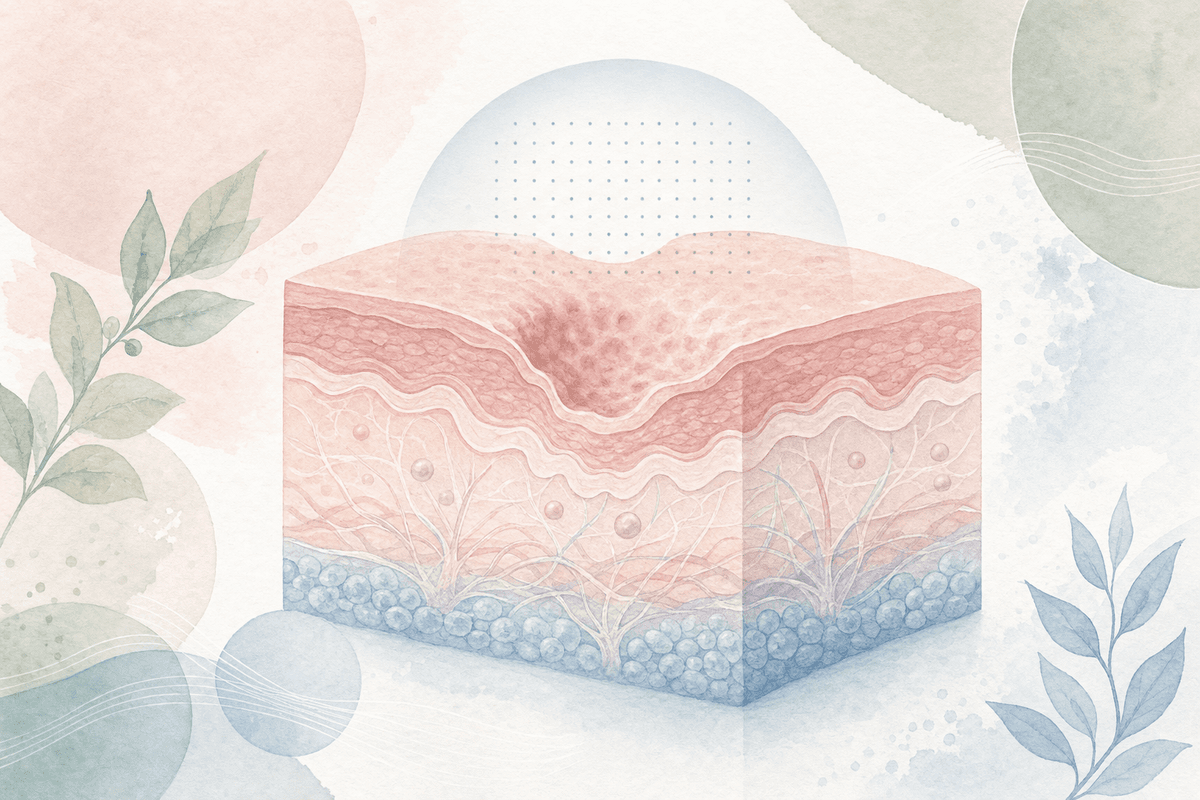
Juvéluc, Skin Booster, Rejuran: The Deciding Factors for Choosing Among the Three for Skin Texture Improvement
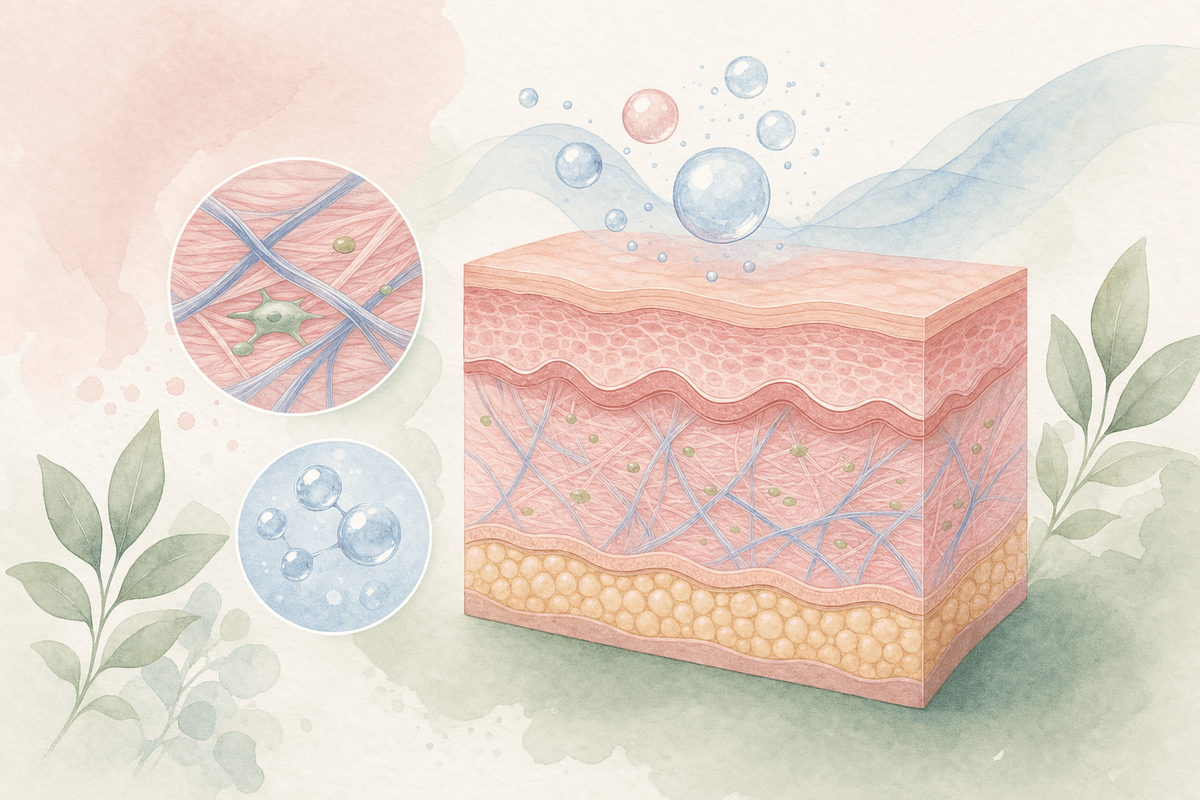
- Juvélook promotes collagen production based on PDLLA, while Skin Booster and Rejuran provide immediate hydration with hyaluronic acid and PDRN — their mechanisms of action differ from the start.
- While there's a gap in when effects are felt, with Juvélook taking 4-6 weeks versus Skin Booster's 1-2 weeks, Juvélook has the longest duration of 6-9 months.
- For hydration concerns in your 20s, Skin Booster is recommended; for elasticity loss after your 30s, Juvélook and Rejuran are prioritized — the choice depends on skin condition and recovery speed.
Information as of July 2026
Collagen vs. Hyaluronic Acid: Understanding the Differences in Onset and Duration
- Average duration: 3-6 months (varies by procedure)
- Collagen synthesis onset: 2-4 weeks
- Comparison of 3 major FDA-approved products in Korea
It's Too Early to Judge 'No Effect' After One Session
If you concluded 'it's not great' just two weeks after a Juvelook treatment, you need to re-evaluate the timing. Collagen synthesis truly kicks in after 4-6 weeks. While skin boosters provide immediate hydration, Juvelook and Rejuran require waiting for cellular responses.
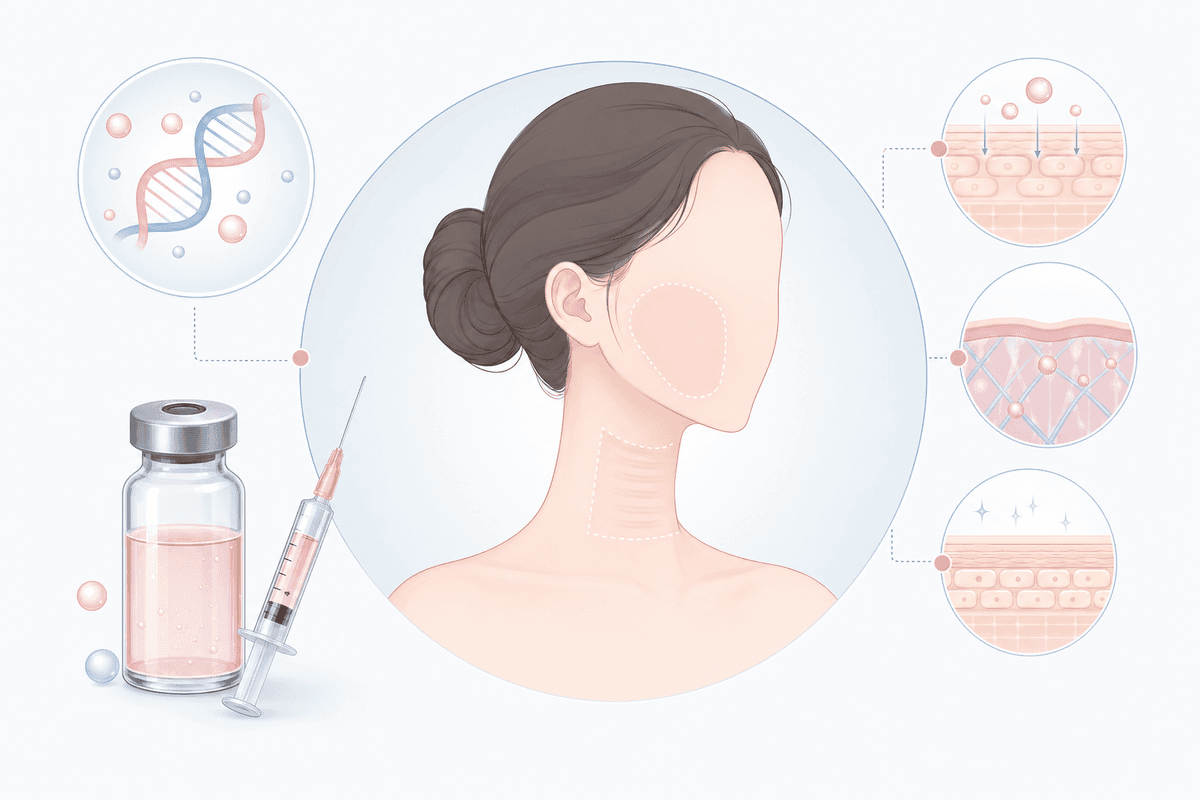
According to MFDS (Korea's FDA equivalent) approval standards in 2023, Juvelook uses PDLLA (Poly-D,L-Lactic Acid) which breaks down in the dermis to induce collagen production. In contrast, skin boosters (like Restylane Vital Light) directly inject low-molecular-weight hyaluronic acid (HA) to create an immediate moisturizing barrier. Rejuran uses PDRN (Polydeoxyribonucleotide) to aid cell regeneration.
Although grouped under the 'skin hydration injection' category, their mechanisms of action are completely different. Juvelook is about stimulating collagen factories, while skin boosters are about immediate hydration. The choice depends on 'when you want to see results' and 'what is more lacking'.
Juvelook vs. Skin Boosters: Differences in Ingredients and Onset of Action
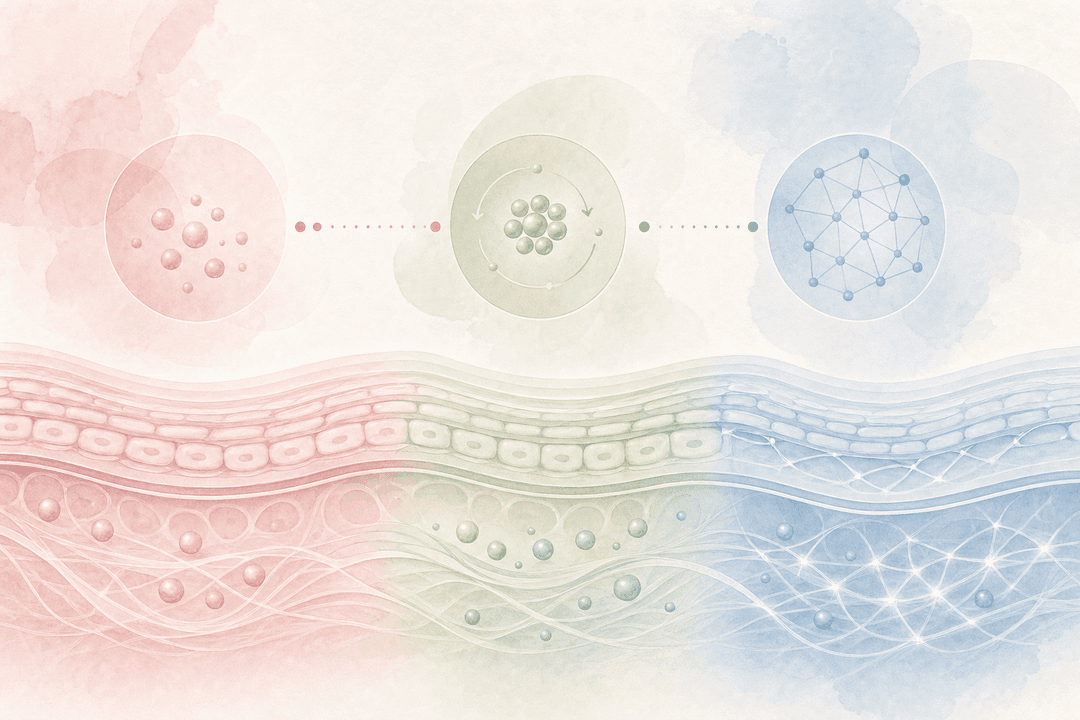
Juvelook's key ingredient, PDLLA, gradually breaks down in the body over 6-12 months, continuously stimulating collagen synthesis. A clinical study reported in the Journal of the Korean Dermatological Association in 2022 showed an average increase in dermal collagen density of 28% at 4 weeks post-treatment.
Skin boosters' low-molecular-weight HA, with a molecular weight of 500-1,000 kDa, immediately boosts skin's moisture retention. While the effects are felt quickly, they also dissipate quickly, with a median duration of 3-4 months. Rejuran PDRN activates cell proliferation factors, and its regenerative mechanism is similar to Juvelook, but its depth of action differs.
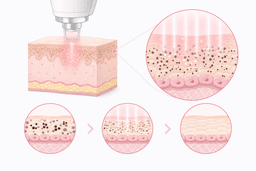
What's interesting here is that the breakdown process of PDLLA itself acts as a signal for collagen production. As the particles dissolve, they stimulate fibroblasts, which then produce new collagen. Skin boosters, on the other hand, use HA itself as a sponge to hold moisture but do not create new collagen.
Clinical Data Juvelook clinical data at the time of FDA approval in 2021: Average improvement in skin elasticity at 16 weeks was 34%, with an 82% satisfaction rate. However, individual results vary significantly, and many reports indicate minimal changes in the initial two weeks.
True or False Quiz
Juvelook and Skin Boosters can be administered on the same day with the same effect.
Check the answer
False The two procedures have different mechanisms of action, so their effects do not overlap when administered simultaneously. Skin boosters (HA) provide immediate hydration, while Juvelook (PDLLA) stimulates collagen production after 4-6 weeks. In fact, a 'combination protocol' exists where a skin booster is used first to create a base, followed by Juvelook after 4 weeks. However, the cost is doubled, and the synergistic effect is not simply additive, with significant individual variation.
Juvelook Duration vs. Rejuran: A Numerical Comparison
The median duration is 6-9 months for Juvelook, 3-4 months for skin boosters, and 4-6 months for Rejuran. A 2023 multi-center study in Korea (Seoul National University Hospital and 3 other institutions) found that over 70% of participants maintained improvement with Juvelook even 6 months after treatment. For skin boosters, 50% considered re-treatment at the 3-month mark.
While Rejuran's PDRN aids cell turnover, it does not increase collagen density as much as PDLLA. However, it has effects in alleviating redness and micro-inflammation, making it a preferred option for sensitive skin. Juvelook focuses on improving elasticity, while Rejuran strengthens the skin barrier — their goals differ.
So, where do the costs differ? The average cost per session is 300,000-500,000 KRW for Juvelook, 200,000-350,000 KRW for skin boosters, and 250,000-450,000 KRW for Rejuran. However, Juvelook is typically recommended as a 2-3 session package (intervals of 2-3 months), while 3-4 sessions of skin boosters at 4-week intervals are the standard protocol.
| Procedure | Key Ingredient | Onset of Effect | Duration | Average Cost per Session |
|---|---|---|---|---|
| Juvelook | PDLLA | 4-6 weeks | 6-9 months | 300,000-500,000 KRW |
| Skin Booster | Low-molecular-weight HA | 1-2 weeks | 3-4 months | 200,000-350,000 KRW |
| Rejuran | PDRN | 2-4 weeks | 4-6 months | 250,000-450,000 KRW |
Costs may vary depending on the area, extent, and medical institution. Duration of effect varies individually and can change based on lifestyle and skin condition.
- Total cost for a 2-3 session Juvelook package: 900,000-1,500,000 KRW; for a 3-4 session skin booster package: 600,000-1,400,000 KRW
- Satisfaction with Rejuran increased by 18 percentage points with 2 sessions at 4-week intervals compared to a single session (Reported by the Korean Society for Aesthetic Plastic Surgery in 2022)
- Juvelook: Avoid alcohol and saunas for 72 hours post-treatment; Skin boosters: Avoid excessive face washing for 24 hours
Comparing Skin Texture Improvement Procedures: Which is Right for My Skin?
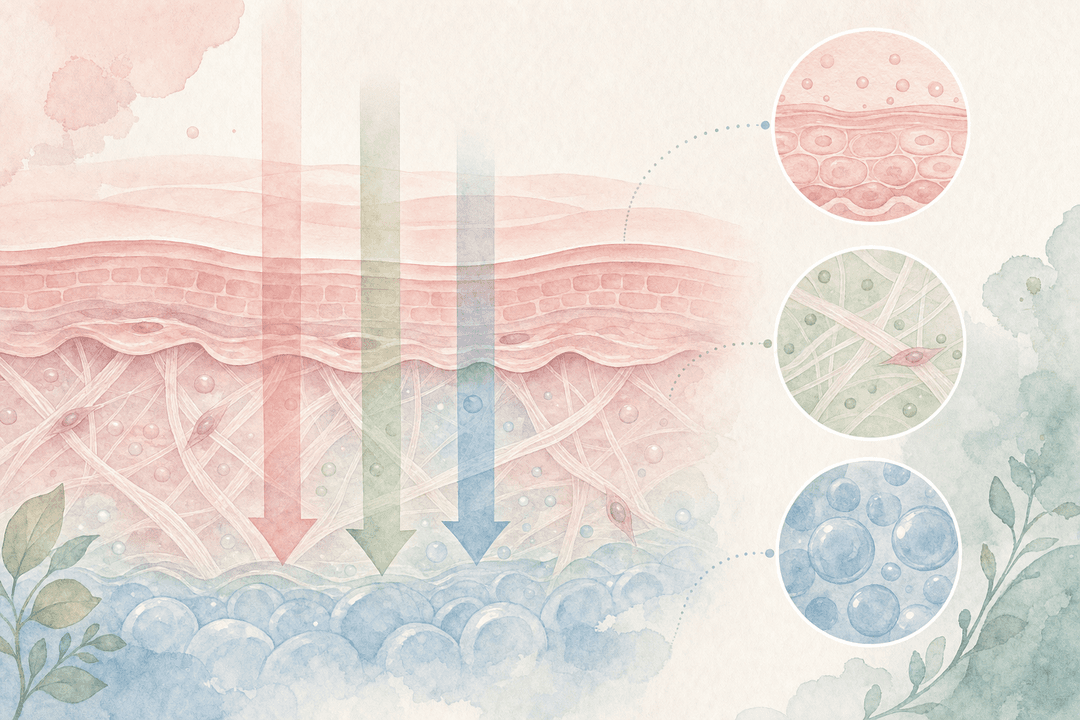
For hydration concerns in your late twenties, skin boosters are the top choice. At this age, collagen is usually sufficient, and significant loss of elasticity hasn't begun, so the immediate moisturizing effect is quickly noticeable. On the other hand, for concerns about sagging and loss of elasticity from your mid-thirties onwards, consider Juvelook or Rejuran.
If you have sensitive skin or redness, Rejuran is relatively safer. PDRN has reported anti-inflammatory effects, and during its MFDS approval in 2021, the side effect incidence rate was 5.1% for Rejuran compared to 8.2% for Juvelook. However, Rejuran can also cause bruising and swelling immediately after injection.
If your budget is limited and you want immediate results, prioritize skin boosters. If you're looking for a long-term investment to improve elasticity, prioritize Juvelook. Rejuran sits in the middle — it's chosen when you aim for both recovery and hydration simultaneously.
Tip A 'combination treatment' of Juvelook and skin boosters is also possible. This involves creating a hydrating base with skin boosters first, then adding elasticity with Juvelook after 4 weeks. However, the cost doubles, and the number of injections increases.
Side Effects and Recovery: Risks are Similar as All Three are Injection-Based
Juvelook, skin boosters, and Rejuran are all injection procedures, so bruising, swelling, and pain are common side effects. According to MFDS data from 2023, the incidence of bruising at the injection site showed no significant difference: 12% for Juvelook, 10% for skin boosters, and 8% for Rejuran.
There are reports of nodules forming with Juvelook if the PDLLA particles clump together. Although the incidence is less than 1%, gently massaging the injection site for 2-3 days after the procedure can help prevent this. Skin boosters and Rejuran involve HA and PDRN which are absorbed by the body, so the risk of nodules is lower.
Recovery time for all three allows for a return to daily activities within 24-48 hours. However, with Juvelook, it's important to avoid excessive heat exposure (saunas, steam rooms) for the first two weeks to ensure even PDLLA degradation. Makeup can be applied on the same day with skin boosters, while it's recommended after 12 hours for Rejuran.
- For all three, applying a cold compress for 10-15 minutes, 3 times immediately after the procedure, is effective in preventing bruising.
- Juvelook: Avoid alcohol for 72 hours post-treatment; Skin boosters and Rejuran: Recommended to avoid for 24-48 hours.
- Allergic reactions are less than 0.5% for all three, but if you have a history of HA hypersensitivity, you should avoid skin boosters.
Summary of Selection Criteria — Decide Based on What Your Skin is Lacking Now
If your skin lacks moisture, choose skin boosters. If elasticity is compromised, choose Juvelook. If your skin's recovery ability has slowed, choose Rejuran. While all three are grouped as 'skin hydration injections,' what they replenish differs.
Juvelook and Rejuran require a 4-6 week wait to feel the effects, but their duration is longer. Skin boosters offer immediate satisfaction but require re-treatment every 3-4 months. In terms of cost-effectiveness and duration, Juvelook has an advantage, while for quick results, skin boosters are superior.
- For first-time procedures, a phased approach is recommended: start with skin boosters to gauge your reaction, and if satisfied, move on to Juvelook.
- For Juvelook, a standard protocol involves a 2-3 session package followed by maintenance sessions every 6-12 months. Skin boosters typically require re-visits every 3-4 months.
- There are reported cases of Rejuran being suitable for individuals with inflammatory skin conditions like atopic dermatitis and psoriasis (professional judgment is essential).
Procedure Priority by Situation
Skin Booster [Immediate Hydration]
- Late twenties with dry skin
- Emergency care 2 weeks before a wedding or event
- First-time procedure for beginners
Onset of effect: 1-2 weeks, Duration: 3-4 months
Juvelook [Long-term Elasticity]
- Sagging concerns from mid-thirties onwards
- When seeking effects lasting over 6 months
- Long-term investment with a comfortable budget
Onset of effect: 4-6 weeks, Duration: 6-9 months
Rejuran [Strengthening Recovery]
- For sensitive skin or redness
- For soothing after laser treatments
- A middle ground between elasticity and hydration
Onset of effect: 2-4 weeks, Duration: 4-6 months
Selection Guide by Skin Condition
If your skin looks dull and lacks radiance every time you look in the mirror
Prioritize Skin Boosters
Low-molecular-weight HA creates an immediate moisture barrier, leading to noticeable texture improvement within 1-2 weeks.
If you feel your nasolabial folds or mouth corners have sagged more than before
This is the stage where collagen production induction is needed — effects become significant after 4-6 weeks rather than immediately.
If your budget is under 500,000 KRW and you want quick results
Skin Booster 3-4 session package
While the cost per session is 200,000-350,000 KRW, totaling 600,000-1,400,000 KRW, promotional packages can bring it down to the 500,000 KRW range.
If you have sensitive skin or need post-laser care
PDRN has reported anti-inflammatory effects, and the side effect incidence rate is relatively low at 5.1%.
Common Misconceptions
Misconception Juvelook, Skin Boosters, and Rejuran have similar effects, only differing in ingredients.
Truth Their mechanisms of action are fundamentally different. Juvelook (PDLLA) promotes collagen production, skin boosters (HA) provide immediate hydration, and Rejuran (PDRN) aids cell regeneration — what they replenish differs, thus changing the selection criteria.
Misconception Once you get the treatment, the effects last for at least 6 months.
Truth The duration of effects varies significantly by procedure type. The median duration is 3-4 months for skin boosters, 4-6 months for Rejuran, and 6-9 months for Juvelook. Even when grouped under the same name 'skin hydration injection,' the maintenance periods can differ by 2-3 times.
Precautions to Observe Before and After Treatment
- !!Juvelook: Avoid alcohol, saunas, and high temperatures for 72 hours post-treatment!! — It is essential to block heat stimulation for even PDLLA degradation.
- For all three procedures, avoid excessive face washing and massage for 24 hours immediately after treatment — Increased risk of infection at the injection site.
- Not recommended for pregnant or breastfeeding individuals, or those with a history of HA or PDLLA allergies — Patch testing is recommended beforehand.
- If you are taking aspirin or anticoagulants, you must stop at least 3 days prior — Increased risk of bruising and bleeding.
- For Juvelook, gently massage the injection site for 5 minutes, 3 times a day, for 2-3 days after the procedure — To prevent nodules.
Frequently Asked Questions
It's been 2 weeks since my Juvelook treatment and I see no change. Is it a failure?
No. Juvelook stimulates collagen synthesis as PDLLA breaks down, so effects are typically felt from 4-6 weeks onwards. A 2023 Korean clinical trial showed low satisfaction in the initial 2 weeks, but satisfaction surged at the 6-week mark. You need to wait at least 4 weeks to make a judgment.
What's the difference between skin boosters and Rejuran?
They differ in their main ingredients and purpose. Skin boosters use low-molecular-weight hyaluronic acid (HA) for immediate hydration, while Rejuran uses PDRN for cell regeneration and strengthening recovery. You'll notice texture improvement within 1-2 weeks with skin boosters, and with Rejuran, you'll feel your skin barrier strengthening from 2-4 weeks onwards.
I heard Juvelook can cause nodules as a side effect. Is it common?
It is rare, with an incidence rate of less than 1%. However, small lumps (nodules) can form if PDLLA particles clump together in one area. The preventive measure is to gently massage the injection site for 5 minutes, 3 times a day, for 2-3 days after the procedure. If nodules do form, they can usually be resolved with steroid injections or hyaluronidase.
Which of the three allows makeup application the day after treatment?
Makeup can be applied on the same day with skin boosters, after 12 hours with Rejuran, and after 24 hours with Juvelook. Bruising and swelling at the injection site typically subside within 24-48 hours for all three, but Juvelook has the most conservative recovery period because the PDLLA particles need to break down evenly with minimal initial irritation.
Which procedure is the cheapest?
The cost per session is lowest for skin boosters, ranging from 200,000-350,000 KRW. However, skin boosters are typically recommended as a 3-4 session package, with a total cost of 600,000-1,400,000 KRW. Juvelook costs 300,000-500,000 KRW per session, with 2-3 sessions costing 900,000-1,500,000 KRW. Rejuran costs 250,000-450,000 KRW per session, usually recommended for 2 sessions. Considering the duration of effects, Juvelook is more cost-effective.
I have sensitive skin. Which of the three is the safest?
Rejuran generally has a lower incidence of side effects. During its MFDS approval in 2021, Rejuran's side effect rate was 5.1% compared to 8.2% for Juvelook. PDRN also has reported anti-inflammatory effects and has been used in cases of redness and atopic dermatitis. However, individual results vary for all procedures, and a prior patch test is the safest approach.
Lumi's Word
If you were upset thinking, 'Why hasn't Juvelook changed anything after 2 weeks?', now you know why. Collagen builds up slowly, like constructing a factory. Don't be impatient in front of the mirror; compare again after 4 weeks. Your skin will return the favor for your patience.
This content is for informational purposes only and does not substitute medical advice. Always consult with a specialist before undergoing any procedure.