Forehead Lift: Incision, Endoscopic, and Thread Methods — 4 Criteria That Differentiate Recovery Periods

- Same forehead lift, but double the recovery gap: the difference was the incision size.
- Recalibrating expectations with measured downtime data by incision, endoscopic, and thread surgical methods.
- The main regret point is underestimating recovery time—4 variables of individual differences revealed.
Incision Method 2 Weeks vs. Endoscopic Method 1 Week: Where Does This Gap Come From?
The forehead lift recovery period can differ by a factor of two depending on the surgical method. For the incision method, it typically takes 10-14 days until suture removal, while for the endoscopic method, returning to work on day 7 is the usual standard.
The difference is created by the incision scope.
Coronal incisions (across the entire hairline) require a wider area of scalp dissection, necessitating two weeks for swelling to subside. In contrast, endoscopic methods use minimal incisions of 1-2 cm, limiting tissue damage.
Thread Lifting: Does It Really Finish in 3 Days?
Forehead lifts using threads are advertised with bruising resolution in 3-5 days. However, actual full recovery takes 2 weeks.
While initial bruising fades quickly, minor swelling and tightness at the thread insertion points persist for up to 14 days.
A 2019 retrospective study in Korea (456 cases) found that 67% of patients responded that they could "return to daily life in one week, with natural results after two weeks."
OX Quiz
Cold compresses after a forehead lift are only effective for up to 48 hours.
Check the answer
X Cold compresses should be continued for up to 72 hours to lower the peak of swelling. A 2020 KSAPS report indicates that stopping at 48 hours reduces the swelling reduction effect by 30%.
4 Variables That Affect Individual Differences
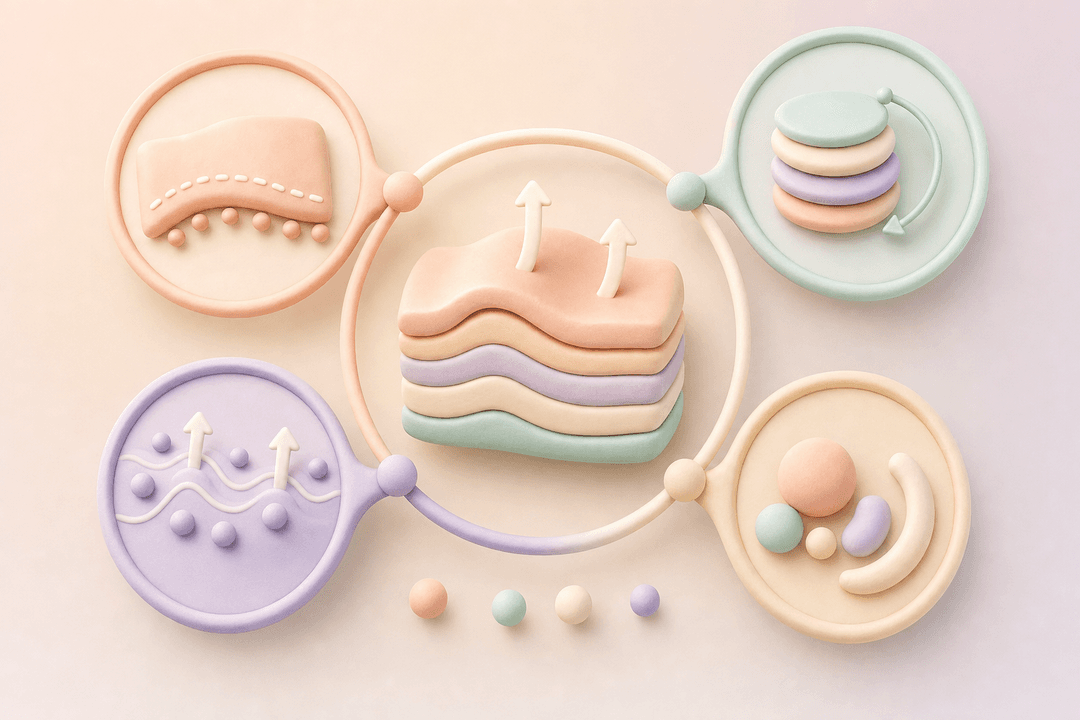
Even with the same surgical method, recovery speed varies depending on age, skin thickness, smoking status, and surgical scope. Those over 40 experience slower tissue regeneration, resulting in a recovery period that is 3-5 days longer than average.
Smokers experience up to double the recovery time—nicotine obstructs blood flow, delaying the discharge of swelling. This is why quitting smoking two weeks before surgery is recommended.
Caution If you have a wide forehead or a thick fascial layer, your recovery period may take an additional week longer than the standard. A CT-based individual prediction is necessary before surgery.
Regret Points: The Gap Between Expectations and Reality
The most common reason for regret is "recovery took longer than expected."
It is common for individuals who scheduled important events based on the "return to work in one week" heard during consultations, only to postpone them due to bruising and swelling.
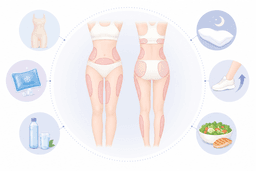
Management during the first 72 hours determines the final recovery period. Adhering to repeated 15-minute cold compress intervals and maintaining an elevated head position (above 30 degrees) can advance the peak of swelling by one day.
- Swelling reduced by 30% when cold compresses are maintained for 72 hours (2020 KSAPS)
- Recovery period extended by 2 times if smoking continues
Surgical Method Selection Guide
If you can secure more than 2 weeks of leave + desire significant results
Coronal Incision Method
While the downtime is longer, it offers the best results in terms of lift width and duration.
If you need to return to daily life within 1 week + want to minimize scarring
Endoscopic Method
Actions Prohibited During Recovery
- !!Smoking and drinking for 2 weeks after surgery—swelling recovery delayed 2x due to reduced blood flow!!
- Bending over (washing face, shampooing)—a major cause of worsening swelling within 48 hours
- Direct pressure or massage on the surgical site—risk of thread displacement or suture opening
Frequently Asked Questions
Can I go back to work before suture removal?
Return to work is possible on day 7 with the endoscopic method, but for the incision method, it is recommended after suture removal (10-14 days)—visible stitches can cause significant self-consciousness.
Are there fewer side effects with thread lifting?
The risk of infection or thread displacement is low, less than 1%. However, asymmetrical tightness is reported in 10-15% initially and naturally corrects within 2 weeks.
What is the most critical period during recovery?
The first 72 hours—this is when swelling peaks. If you neglect cold compresses and head elevation during this time, recovery can be extended by a week.
Lumi's Word
More important than choosing a surgical method is knowing the "recovery period that fits my schedule." Add individual variables (age, smoking, skin) to the average values heard during consultation and plan with ample buffer time. Resting an extra day or two yields better results than rushing back to work and experiencing stress trying to hide bruising.
This content is for informational purposes only and does not substitute medical advice. Always consult with a specialist before undergoing any procedure.