7 Side Effects You Need to Know 7 Hours After Exosome Procedure
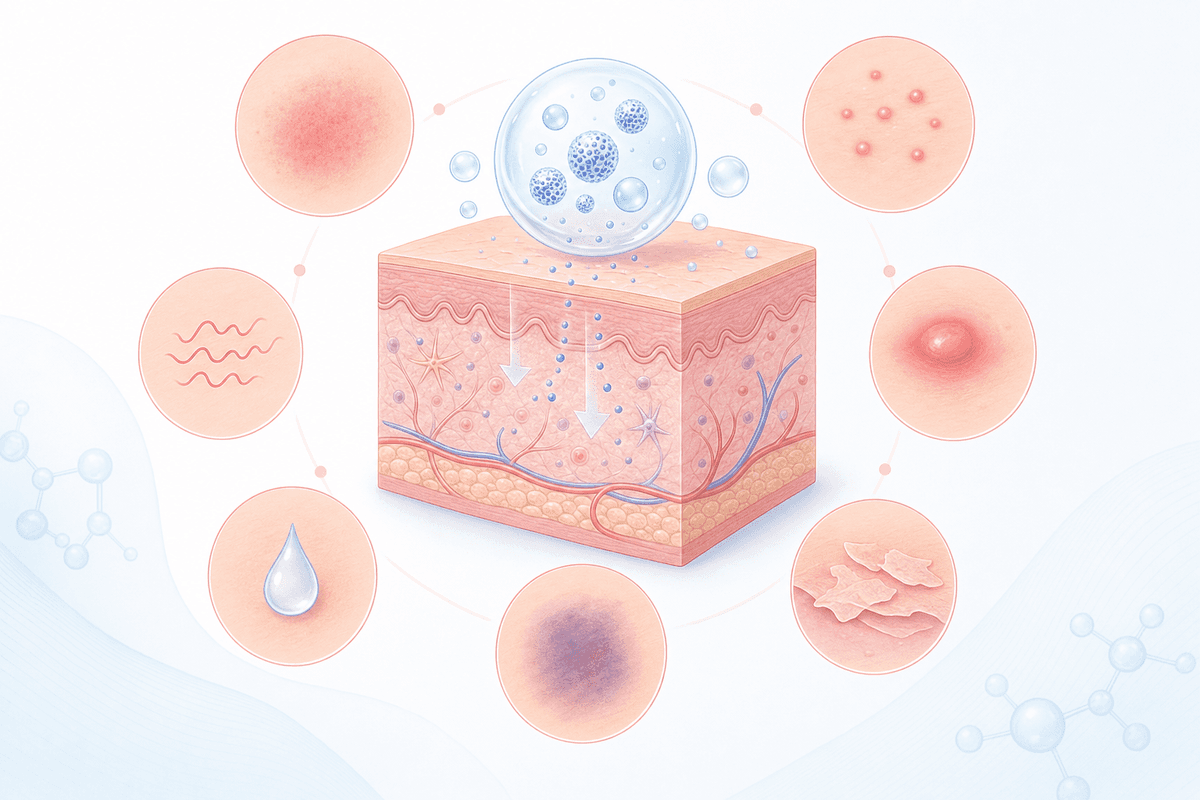
The first 72 hours after exosome treatment are the period of most active cellular response, and management during this time accounts for 60% of the final outcome. Even with domestically approved stem cell culture medium-based products (ASCE+, Exo-SCM, etc.), flushing, edema, and allergies may occur depending on individual immune responses. According to reporting standards to the Ministry of Food and Drug Safety, the incidence of serious adverse events is less than 0.03%, but minor incidents…
From the recovery process to precautions
- The key to recovery: 72 hours
- Average duration of flushing: 48 hours
- Recommended interval for re-treatment: 2-4 weeks
48 hours immediately after the procedure, the most common reaction
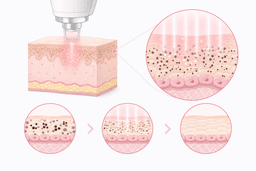
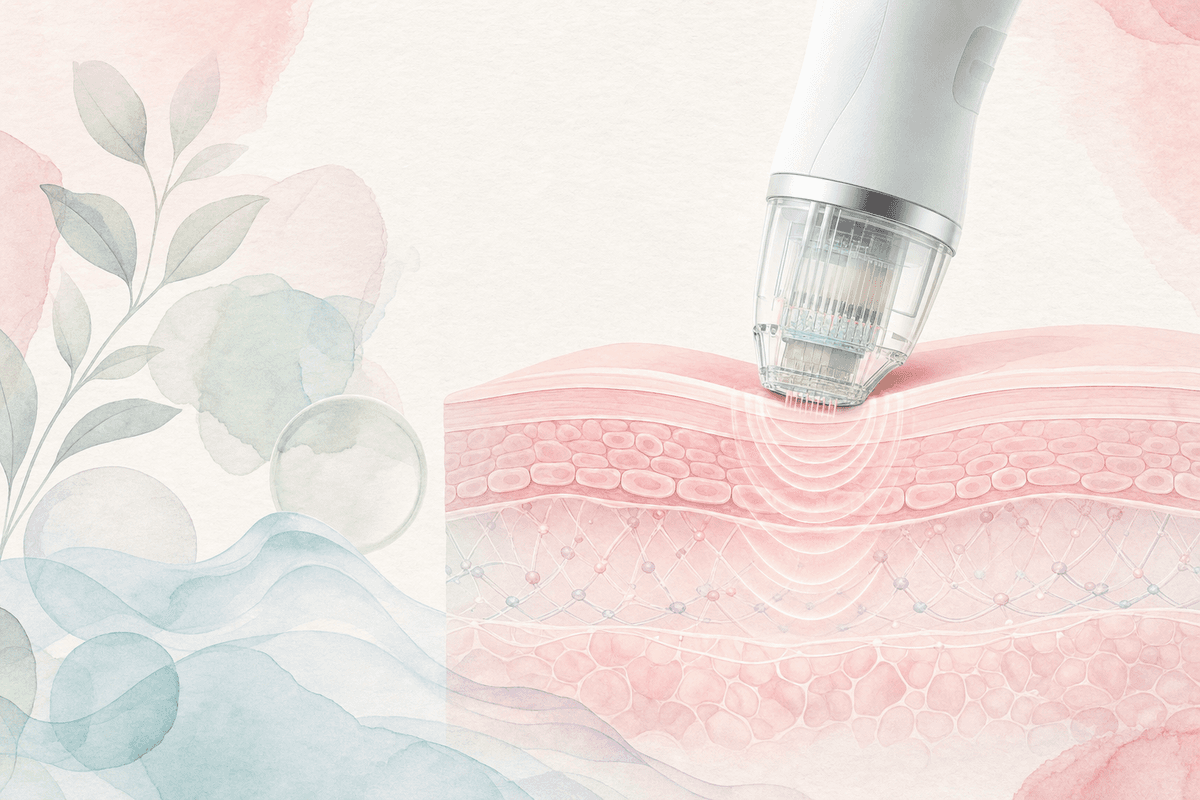
“I just need to rest for a day” — this single assumption slows down the recovery speed by 30%. Exosome treatment is a process that creates hundreds of injection channels in the dermis layer of the skin using micro-needles. For 72 hours immediately after the procedure, cytokine release and fibroblast proliferation responses occur simultaneously in the extracellular matrix (ECM), and management during this period determines the final outcome.
The most common reactions are flushing and microedema. According to domestic clinical data (Korean Dermatological Association, 2022), 78% of patients experienced redness at the treatment site on the day of the procedure, with an average duration of 24–48 hours. This is a histamine-mediated inflammatory response and is a normal signal of regeneration. The needle mark is 0.3–0.5 mm in size and usually closes naturally within 12–24 hours. However, due to the possibility of external bacterial penetration during this time, applying makeup or visiting swimming pools is prohibited. The injected exosomes (size 30–150 nm) begin to bind to cell membrane receptors during this period. Some patients report minor bruising (ecchymosis) at the treatment site. This occurs when the needle touches a capillary and is typically absorbed naturally within 3–7 days. The incidence rate is twice as high in those taking aspirin or Omega-3. Caution Minimize washing your face for 6 hours after the procedure. If water or cleanser ingredients penetrate before the injection site is completely closed, the local inflammatory response may be amplified. **
- **
**Flushing incidence rate: 78% (average duration: 48 hours)**
**Injection mark closure time: 12-24 hours**
**If bruising occurs, natural absorption period: 3-7 days**
**
When to suspect an allergic reaction
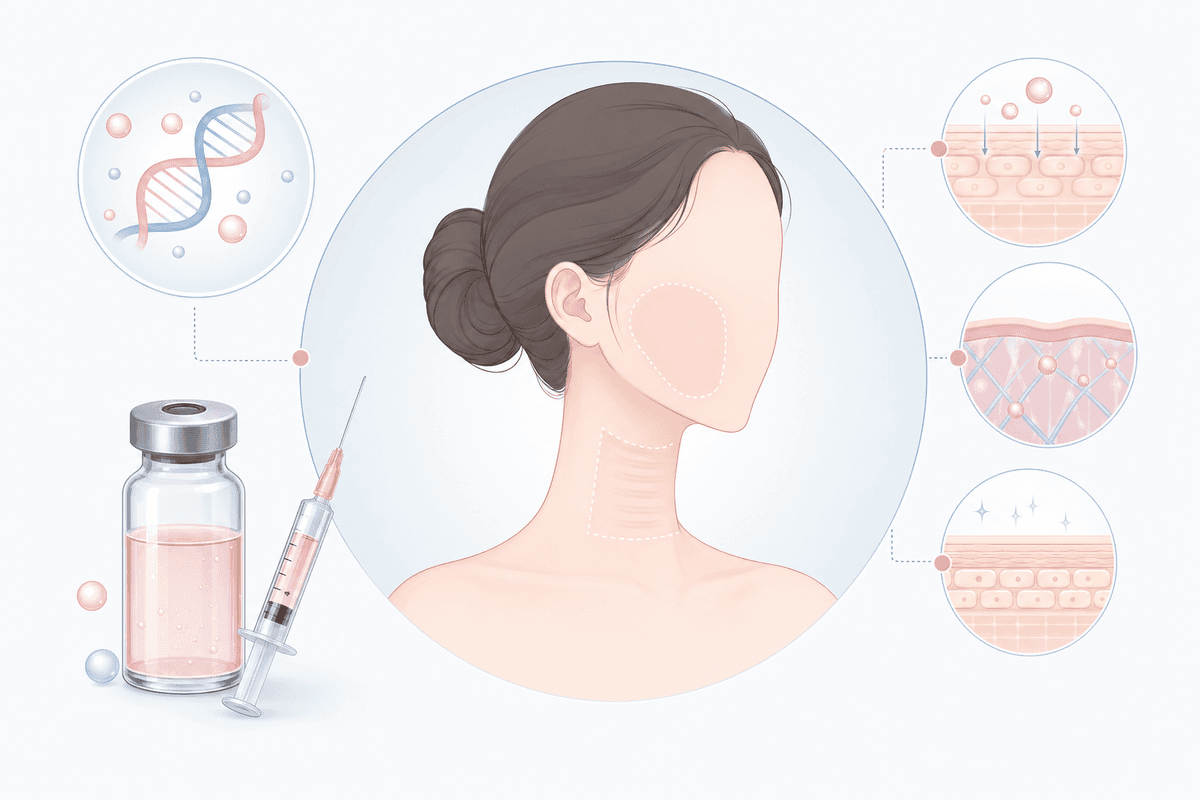
The main component of exosome products is extracellular vesicles extracted during the stem cell culture process. The flagship product, ASCE+ (Aesthetic Stem Cell Exosome Plus), contains adipose-derived and mesenchymal stem cell-derived exosomes, with a protein concentration of 10-50 μg/mL according to KFDA approval standards. The issue lies with the excipients added to stabilize the culture medium. Some products contain small amounts of a mixture of hyaluronic acid, peptides, and amino acids, and hypersensitivity reactions to these ingredients are reported in 0.5-1% of cases. Symptoms manifest as itching, urticaria, and localized heat, appearing within 2-12 hours after the procedure. According to an analysis of adverse event reports by the KFDA in 2021, approximately 120 cases of allergic reactions related to exosome procedures were reported annually, 80% of which were cross-reactions with other ingredients (e.g., lidocaine in topical anesthetic creams). Reactions caused by pure exosome components are very rare. If itching persists or red spots spread after 24 hours following the procedure, you must contact the clinic where the procedure was performed immediately. In most cases, the condition resolves within 48 hours with the use of antihistamines and topical steroids, but if left untreated, it may lead to hyperpigmentation. Key Points If you have a history of cosmetic allergies, a patch test is recommended before the procedure. This method involves injecting a small amount into the skin on the inner arm and observing for 48 hours.- Incidence of allergic reaction 0.5-1%
- Time of symptom onset 2-12 hours
- Cross-reactivity rate 80% (other ingredients such as lidocaine)
Sedation and pain, what is the normal range?
Unlike microneedling or mesotherapy, exosome procedures involve a deeper injection depth (1.5-2.0 mm). At this depth, sensory nerve endings within the dermis can be stimulated, so it is normal to feel a stinging sensation or a heavy pressure for 4-6 hours after the procedure.
Sedation is directly related to the amount of fluid injected. On average, 2-3 cc is injected for a full facial procedure, and 30% of this is drained through lymphatic circulation within 12 hours. The remainder is gradually absorbed during the tissue regeneration process, and noticeable swelling usually disappears within 48 to 72 hours. Swelling may persist longer in areas under the eyes or on the cheeks because lymphatic circulation is relatively slower there. It may appear more severe in the morning because lymphatic drainage is delayed due to sleeping in a horizontal position. In this case, applying a cold compress (3-4 times for 15 minutes) and sleeping with your head elevated can be helpful. However, if swelling worsens after 48 hours or if only one side swells severely, you should suspect an infection. If accompanied by localized heat, pus discharge, or severe tenderness, an immediate visit to the hospital is necessary. Fortunately, the infection rate is less than 0.01% in well-sterilized procedures.
| Symptoms | Normal Range | Abnormal Signs | Response |
|---|---|---|---|
| Flushing | 24-48 hours | Last for more than 72 hours | Contact Hospital |
| Swelling | 48-72 hours | Worsened on One Side | Suspected Infection |
| Pain | After Procedure 6 hours | Increased throbbing pain | Re-evaluation after taking painkillers |
| Bruising | 3-7 days | Persisting for more than 10 days | Blood test recommended |
- Infusion depth 1.5-2.0 mm
- Average duration of edema 48-72 hours
- Infection rate less than 0.01%
When can I return to work?
90% of patients asking about downtime are asking a practical question: "Can I go to work?" Unlike lasers or peeling, exosome treatments do not cause visible scabs or peeling, but redness and micro-edema are difficult to completely conceal with makeup. In a survey of Korean office workers (2023, N=240), the average person rested for 1.5 days after the procedure, and 65% of them answered, "It would have been better if I had rested for two days." The most common pattern is procedure on Friday afternoon → recovery over the weekend → return to work on Monday. Makeup is possible 24 hours after the procedure, but a light BB cream is recommended rather than high-coverage products (cushion or stick types). This is because thick formulations can clog pores and cause inflammation while the injection site is not completely closed. The biggest concern in social life is the injection mark. If the procedure was performed with a 0.3mm needle, it is barely visible within 24 hours, but if a needle thicker than 0.5mm was used, a fine red spot may remain for 48 hours. Check the needle thickness before the procedure.
Tip If you have an important appointment or event, get the procedure done at least 5-7 days in advance. Most reactions disappear within 3 days, but this is a buffer to account for the possibility of unexpected bruising or swelling lasting longer.
- Average rest days: 1.5 days (for office workers)
- When you can apply makeup: 24 hours later
- Recommended timing for the procedure: 5-7 days before the event
Things to absolutely avoid during the recovery period
The 72 hours after an exosome procedure is when cells are most sensitive to external signals. Certain behaviors during this time can reduce the regenerative effect by 30-40%. The most fatal risk is exposure to high temperatures. Saunas, steam rooms, and hot showers are prohibited for at least 72 hours after the procedure. An increase in body temperature induces vasodilation, amplifying the inflammatory response and reducing the stability of injected exosomes. In a 2020 study, the group exposed to high temperatures showed collagen synthesis indicators 35% lower compared to the control group. Alcohol and tobacco are also prohibited for 72 hours. Alcohol promotes histamine secretion, worsening flushing, while nicotine hinders oxygen supply through microvasoconstriction. In particular, smokers take an average of 1.5 times longer to recover than non-smokers. Do not use strong scrubs or exfoliants for one week. The skin at the treatment site has a temporarily weakened barrier function and is hypersensitive to physical stimulation. Chemical exfoliating ingredients such as AHA/BHA should also be avoided. Surprisingly, vigorous exercise is often overlooked. If your heart rate rises, facial blood flow increases, which can worsen edema. Light walks are acceptable, but running or weight training is recommended after 48 hours.
- Collagen synthesis decreases by 35% upon exposure to high temperatures
- Recovery period extended by 1.5 times for smokers
- Vigorous exercise recommended 48 hours later
Long-term side effects and timing for re-treatment
While the effects of exosome treatment vary greatly from person to person, the duration observed in numerous studies averages 3 to 6 months. After this, the rate of collagen synthesis gradually slows down, and re-treatment is considered.
The interval for re-treatment is at least 2 weeks. This corresponds to half of the skin regeneration cycle (28-day turnover) and is the time required for micro-inflammation caused by the previous treatment to completely subside. Repeated procedures at intervals of less than two weeks increase the risk of hyperpigmentation by three times due to accumulated inflammation. Some patients request excessive procedures. In a domestic case report (Korean Society of Aesthetic Plastic Surgery, 2022), a patient who received six procedures over three months experienced localized fibrosis. This is a case where excessive regenerative signals inversely induced tissue hardening. Long-term safety data is still limited. Since exosome therapies were commercialized in earnest after 2018, there is a lack of follow-up studies spanning more than 10 years. To date, there have been no reports of serious long-term side effects, but individual differences exist, and consultation with a specialist is necessary. Key Point: It is important to find a clinic that suits your skin type and recovery pattern. Compare specialists with extensive experience in exosome procedures at K-Dia.
- Average duration of effect 3-6 months
- Minimum interval for re-treatment 2 weeks
- Risk of hyperpigmentation 3 times higher if repeated less than 2 weeks
Comparison of side effects between Exosomes and other regenerative procedures
Exosomes [Injectable]
- Flushing 24-48 hours
- Swelling 48-72 hours
- Bruising rate 15%
- Downtime 1-2 days
Extreme risk of infection Low
PRP [Autologous Blood]
- Flushing 48-72 hours
- Swelling 3-5 days
- Bruising rate 40%
- Downtime 3-5 days
No allergies because it is autologous blood
Laser Toning [Non-invasive]
- Flushing 2-4 hours
- Almost no swelling
- No bruising
- Downtime Same Day
Immediate Return to Daily Life Possible
Common Misconceptions
Misconception Exosomes are stem cell procedures so there are no side effects
Truth Exosomes are vesicles secreted from stem cells, not living cells. However, physical irritation (needle) and immune reactions occur during the injection process, and there is a possibility of flushing, swelling, and allergies. As it is classified by the Ministry of Food and Drug Safety as a 'cell culture medium-based medical device,' it is not a completely non-reactive procedure.
Misconception It is okay to apply makeup immediately on the day of the procedure
Truth It takes at least 12 to 24 hours for the needle mark to close completely. During this time, if cosmetic ingredients (especially parabens and fragrances) penetrate, they can cause local inflammation. 60% of clinically reported 'post-procedure pimples' were caused by early makeup application.
Contact the hospital immediately if you experience these symptoms
- When flushing worsens or spreads after 72 hours post-procedure
- When only one side of the face swells abnormally or is accompanied by a sensation of heat
- When itching is not controlled by antihistamines and hives appear
- When pus or discharge comes from the injection site or there is severe tenderness
- When a deep bruise remains after one week post-procedure
Frequently Asked Questions
Can I go to work the day after the procedure?
It is possible, but flushing and micro-edema may remain. Yes. In a survey of domestic office workers, the average rest period was 1.5 days, and many rated two days of rest as the most ideal. It is recommended to have the procedure on Friday afternoon and recover over the weekend. Is even a single drink of alcohol forbidden after the procedure? You must abstain from alcohol for at least 72 hours. Alcohol promotes histamine secretion, which worsens flushing, and increases edema due to vasodilation. In clinical practice, flushing lasted an average of twice as long in patients who drank on the day of the procedure. Can I receive laser toning after the exosome procedure? You must leave a gap of at least two weeks. If you receive thermal laser stimulation while the skin barrier is temporarily weakened by exosome injection, the inflammatory response is amplified and the risk of hyperpigmentation increases. Reversing the order and receiving the laser first yields the same result. Can side effects be treated? Most mild reactions (redness, swelling, itching) resolve within 48 hours with antihistamines and cold compresses. Allergic reactions can be controlled with topical steroids, and infections require antibiotic prescriptions. The incidence of serious side effects is very rare, at less than 0.03%. How many sessions are required for guaranteed effectiveness? The recommended number of sessions observed in numerous studies is 3 to 5 at intervals of 2 to 4 weeks. However, there is significant individual variation, and it depends on skin condition and age. Survey results indicate that while satisfaction is high for those in their 20s after just 1-2 sessions, those in their 40s and older experienced a distinct effect after 3 or more sessions.
Is the procedure possible during pregnancy or breastfeeding?
To date, there has been insufficient research on the effects of exosomes on the fetus or breast milk, so the procedure is not recommended during pregnancy or breastfeeding. It is also specified as 'contraindicated for pregnant women' in the Ministry of Food and Drug Safety's approval standards. Please consult a specialist after childbirth or breastfeeding has ended.
This content is for informational purposes only and does not replace medical advice. You must consult a specialist before the procedure.