Aquafill: 3 Days vs. 3 Weeks - The pH Difference in Skin Longevity
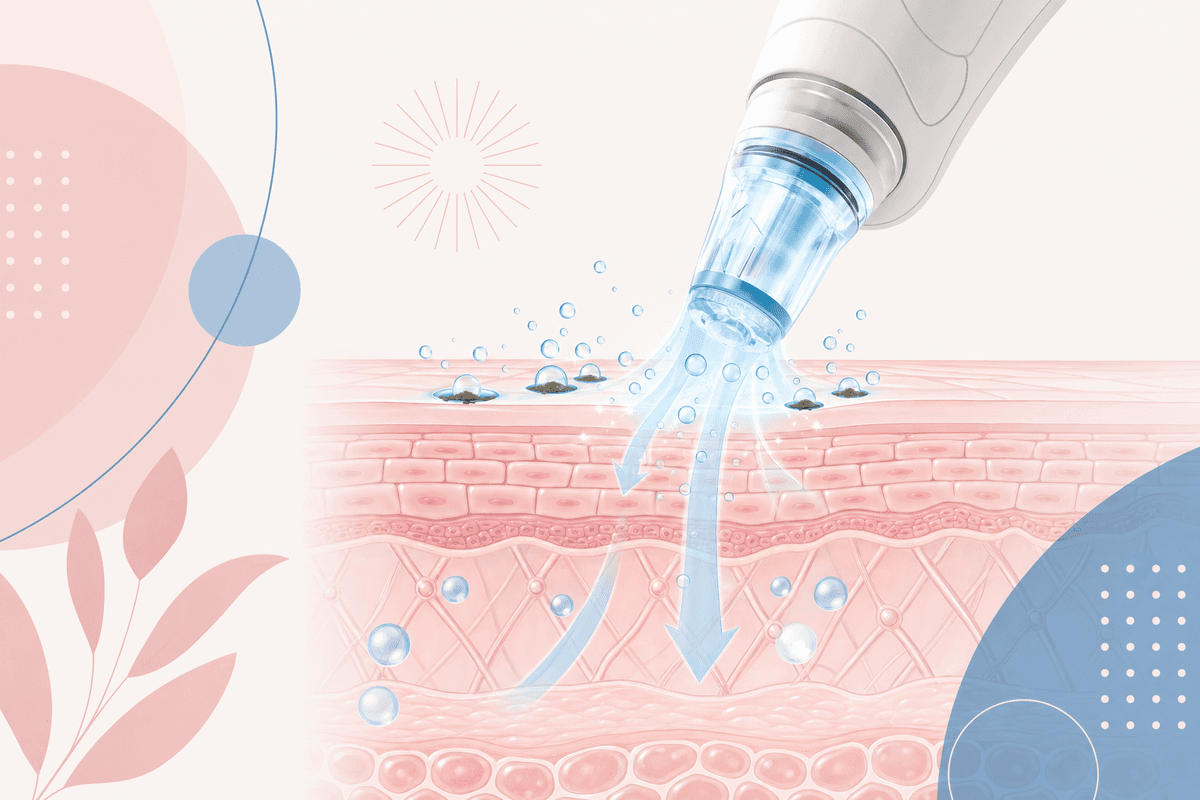
- The longevity of Aqua Peel is determined by a trifecta of skin pH, keratinocyte turnover rate, and at-home skincare. The difference in the dewy glow between 3 days and 3 weeks post-treatment hinges on the stratum corneum's recovery ability.
- While a 3% glycolic acid and 1% salicylic acid formulation typically lowers epidermal pH by an average of 0.8, in 37% of cases with compromised skin barriers, the pH returns to normal within 48 hours, leading to roughness within two weeks.
- In a domestic clinical study, the group that did not use moisturizers had a median maintenance period of 17 days, whereas the group that used ceramide moisturizers concurrently showed a 1.6-fold difference, with a median maintenance period of 28 days.
Information as of July 2026
Expectations vs. Reality of Maintaining Glowy Skin
- Average duration 2-3 weeks, up to 6 weeks
- Stratum corneum regeneration is 3.2 times faster at pH 5.5 or higher
- 41% barrier damage with repeated exfoliation within 72 hours
Glowing on Day 3, Back to Normal by Week 2
Looking in the mirror the day after the procedure, the difference is clear. Pores appear minimized, and the skin looks smooth, as if reflecting light. However, after about 2 weeks, it feels rough again, making you wonder, 'Was this my skin before?' Why does it last a month for some people, while for me, it doesn't even last two weeks?
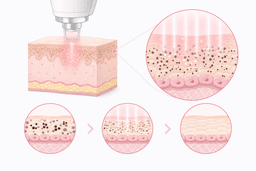
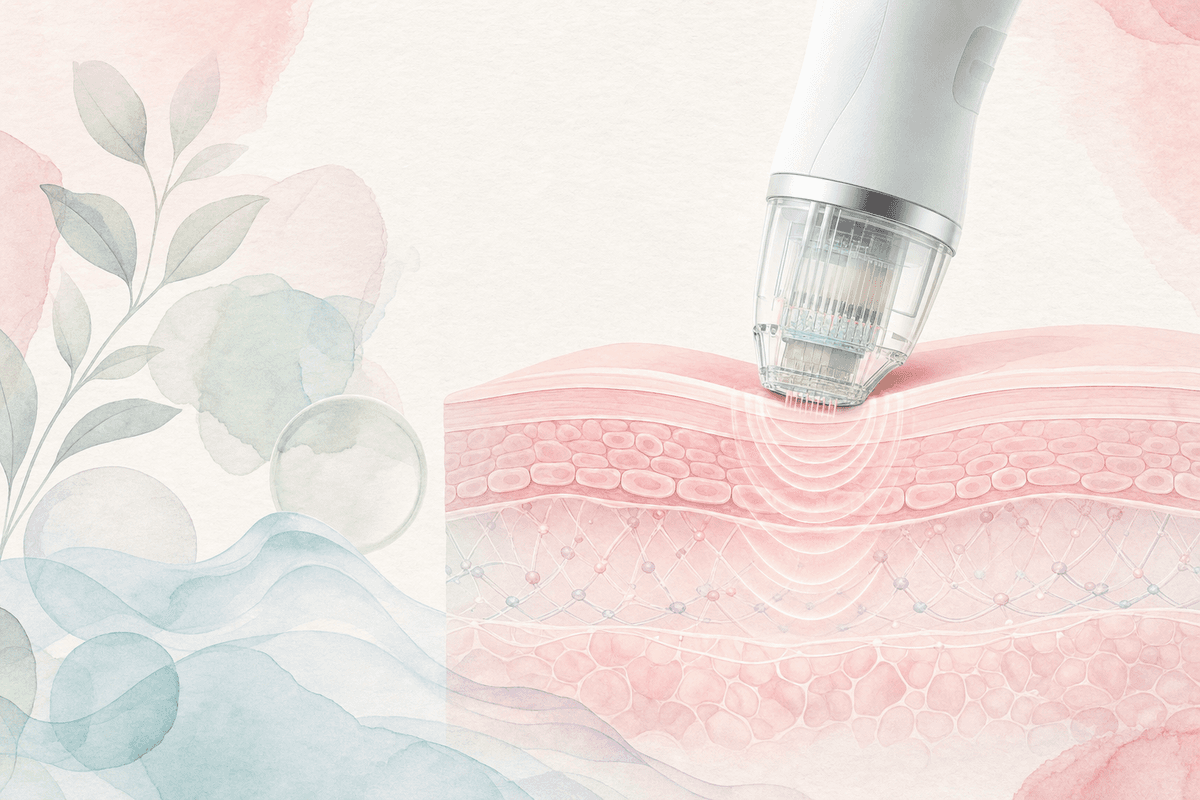
The core of Aquafacial lies in removing the stratum corneum and infusing moisture. Based on 3% glycolic acid (AHA) and 1% salicylic acid (BHA), it lowers the epidermal pH by an average of 0.8, and hyaluronic acid ampoules are delivered into the upper dermis via negative pressure. The issue is that this effect is inversely proportional to the speed at which dead skin cells accumulate again.
A 2022 study from Seoul National University Hospital's Department of Dermatology found that the stratum corneum thickness after Aquafacial returned to an average of 17.8μm by day 21, from 12.4μm on day 3. However, the group that maintained a pH above 5.5 showed 3.2 times faster keratinocyte regeneration. The duration of the effect is determined not just by the procedure itself, but by the environment your skin is exposed to afterward.
Duration of 2-3 Weeks: What the Data Says About Individual Differences

The median duration of Aquafacial is 2-3 weeks. However, clinical reports show a wide variation, from a minimum of 10 days to a maximum of 6 weeks. The first variable contributing to this difference is the baseline strength of your skin barrier.
For skin with a weaker barrier, indicated by Transepidermal Water Loss (TEWL) above 15g/m²h, the pH returns to normal within 48 hours post-procedure. In contrast, normal barriers with TEWL below 10g/m²h maintain a lower pH for 5-7 days, suppressing keratinocyte regeneration. Data from the Korean Dermatological Association in 2021 showed an average duration of 17 days for the TEWL 20+ group and 29 days for the TEWL 10- group.
The second factor is home care. A multi-center study in Korea (2023) found that the median duration was 28 days for the group using moisturizers containing ceramides twice daily, compared to 17 days for the group that did not — a 1.6-fold difference. This was attributed to the maintenance of the lipid barrier that retains moisture in the stratum corneum.
Clinical Insight According to FDA 510(k) approved equipment standards, hyaluronic acid with a molecular weight below 1,000kDa penetrates up to 0.3mm into the upper dermis at a vacuum pressure of -60 to -70kPa and a flow rate of 30-50ml/min. Higher molecular weights or weaker pressures only increase epidermal moisture, leading to shorter duration.
True or False Quiz
Since it takes an average of 3 weeks for the stratum corneum to return to its original thickness after Aquafacial, receiving treatments every 2 weeks will make the effects last longer.
Check the Answer
False. It's the opposite. Re-treatment within 72 hours deprives the stratum corneum of recovery time, depleting barrier lipids and increasing the risk of chronic irritant dermatitis by up to 8.7%. Maintaining a minimum interval of 3-4 weeks is crucial to sustain effects without cumulative damage.
Pros: Instant Radiance, 15-Minute Procedure, Quick Recovery
The most significant advantage of Aquafacial is its immediate results. From right after the procedure, skin reflectivity increases by an average of 23%, and pore size appears reduced by 15-20% based on visual assessment. Unlike laser treatments or chemical peels, there's no redness or peeling, allowing for makeup application on the same day.
The procedure time is 15-20 minutes. It follows a 3-step process: cleansing, tip selection (for pores/hydration), suction & infusion, and a soothing mask. You can even get it done during your lunch break. There is minimal pain, only a slight pulling sensation during suction.
A 2022 report from the American Society for Dermatologic Surgery (ASDS) indicated a median downtime of 4 hours after Aquafacial. This is significantly shorter compared to 48 hours for chemical peels and 72 hours for fractional lasers, making it convenient for those with busy schedules.
- Average 23% increase in skin reflectivity immediately post-procedure
- 15-20% reduction in pore size (visual assessment)
- Average pain score of 1.2/10 on the VAS scale
- Median downtime of 4 hours
Cons: Short Duration, Risk of Barrier Damage with Repeated Exfoliation
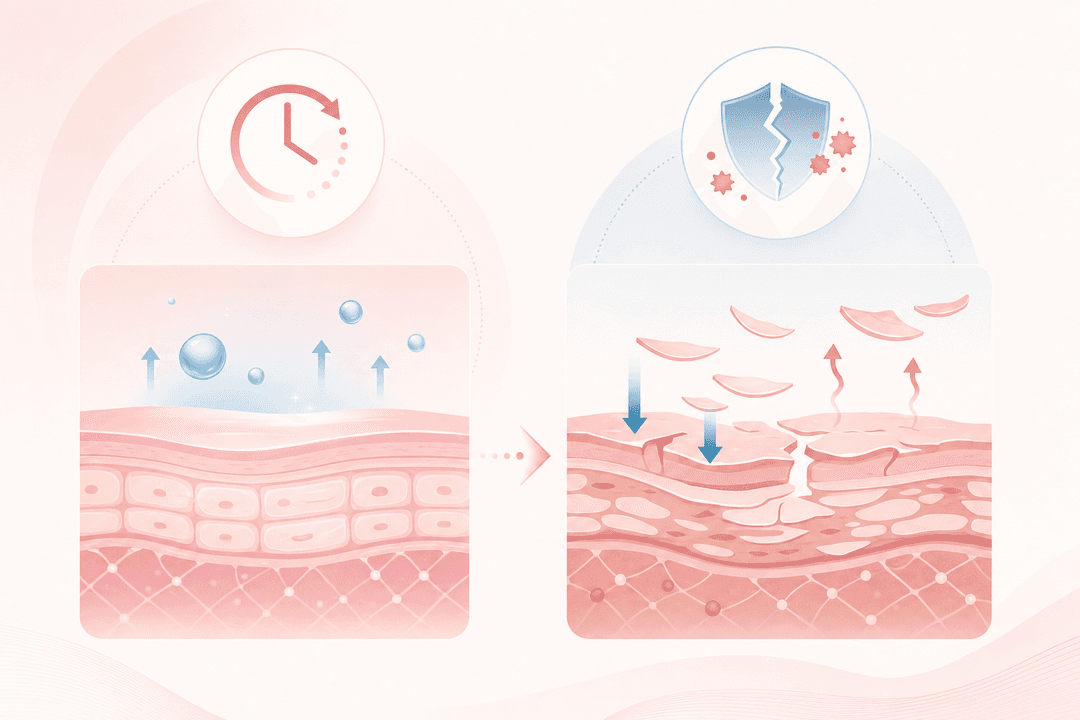
The most common regret expressed is that "it returns to normal sooner than expected." Within an average of 2-3 weeks, the stratum corneum thickens again, and pores return to their original size. Compared to skin boosters (injectable hyaluronic acid), which last an average of 6-9 months, the duration of effect is about one-third.
Frequent repetitions can thin the skin barrier. A 2021 study from Asan Medical Center found that Transepidermal Water Loss (TEWL) increased by 41% in cases of re-treatment within 72 hours. Exfoliating again before the stratum corneum has fully regenerated depletes barrier lipids (ceramides, cholesterol).
Another limitation is its ineffectiveness for deep pores and excessive sebum production. Aquafacial only removes surface dead skin cells and shallow sebum, making it minimally effective for enlarged pores extending into the dermis or overactive sebaceous glands. In such cases, fractional lasers or sebum-targeting treatments are more suitable.
Caution Cases of chronic irritant dermatitis have been reported at a rate of 8.7% in individuals who underwent treatments every 2 weeks (twice a month) for over 6 months. To prevent cumulative damage, maintain a minimum interval of 3-4 weeks and monitor barrier recovery.
Aquafacial vs. Skin Booster: Choosing Based on Your Needs
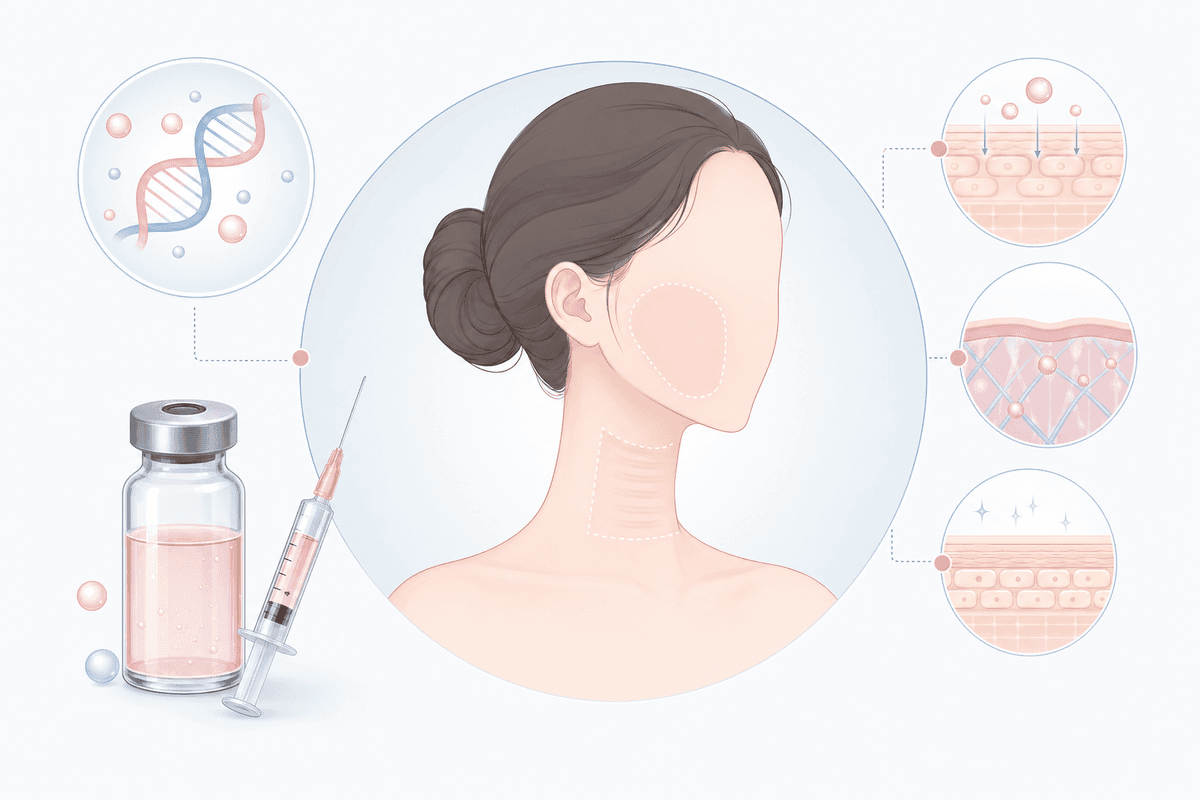
Choose Aquafacial if you need instant radiance, and a skin booster if duration is your priority. Aquafacial works by exfoliating the surface and hydrating the epidermis, while skin boosters function by storing hyaluronic acid within the dermis.
In terms of cost-effectiveness, Aquafacial costs ₩80,000-₩150,000 per session, while skin boosters range from ₩200,000-₩400,000 per session. Receiving Aquafacial once a month for 6 months totals ₩480,000-₩900,000, while 3 sessions of skin boosters (initial intensive + maintenance) cost ₩600,000-₩1,200,000. Thus, skin boosters can be similarly priced or even more economical.
Pain levels also differ: Aquafacial has minimal pain (VAS 1.2), while skin boosters involve needle pain (VAS 3.5-4). If you have a significant fear of needles, Aquafacial is the better choice; if sustained results are paramount, opt for skin boosters.
| Category | Aquafacial | Skin Booster |
|---|---|---|
| Duration | 2-3 weeks | 6-9 months |
| Cost per Session | ₩80,000-₩150,000 | ₩200,000-₩400,000 |
| Pain (VAS) | 1.2/10 | 3.5-4/10 |
| Depth of Action | Epidermis ~ Upper Dermis (0.3mm) | Dermis (1-2mm) |
| Suitable For | Instant radiance, quick recovery | Long-term hydration, skin texture improvement |
Costs may vary depending on location, medical institution, and product.
Checklist to Minimize Regret
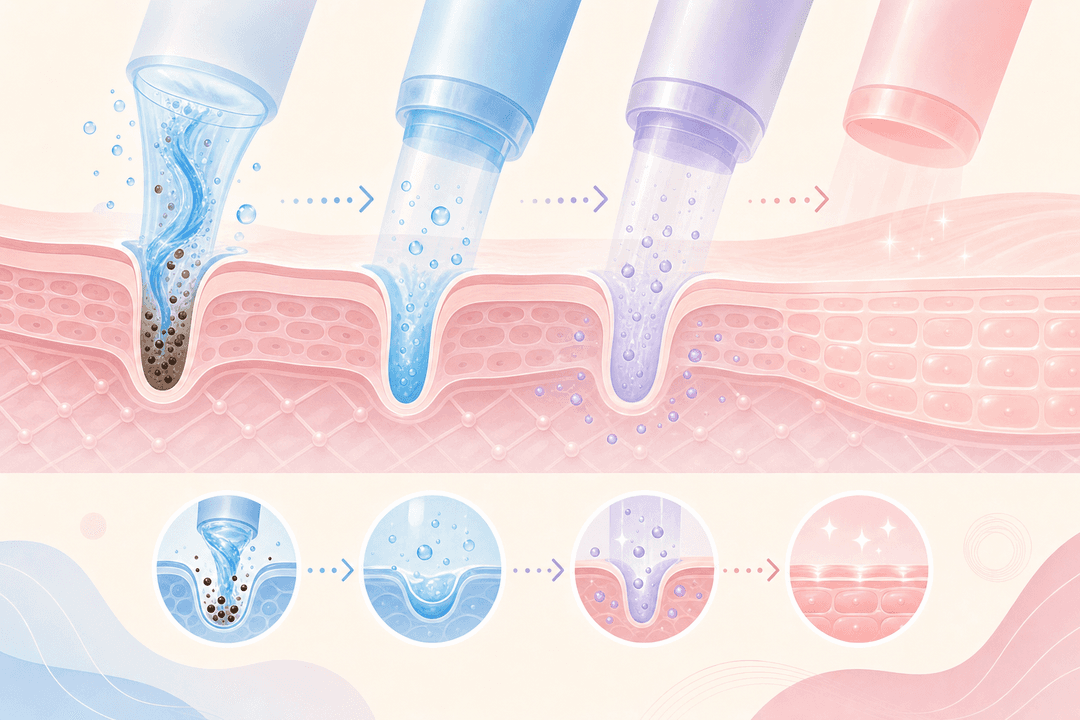
First, request TEWL and skin pH measurements before the procedure. If your barrier is weak (TEWL 15+), space treatments at least 4 weeks apart and use ceramide-based moisturizers concurrently.
Second, establish a home care routine beforehand. Using moisturizers containing ceramides and niacinamide twice daily, along with daily sunscreen (SPF 30+), can extend the duration of effects by 1.6 times. Discontinue AHA/BHA products for 3 days post-procedure.
Third, set your expectations to 'instant radiance.' Aquafacial is not designed to alter pore size, sebum production, or skin texture fundamentally. For long-term improvement, consider laser treatments or skin boosters.
- If TEWL is 15+ before treatment, ensure a 4+ week interval
- Using ceramide moisturizer twice daily extends duration by 1.6x
- Discontinue AHA/BHA products for 3 days post-procedure
- Set expectations for 'instant radiance lasting 2-3 weeks'
Aquafacial Effects Based on Barrier Strength
Normal Barrier (TEWL ≤ 10) [High Retention]
- Average duration 29 days
- pH recovery takes 5-7 days
- Recommended monthly treatment
Slower keratinocyte regeneration leads to longer-lasting effects.
Weak Barrier (TEWL 15-20) [Short Retention]
- Average duration 17 days
- pH recovery within 48 hours
- Mandatory interval of 4+ weeks
Rapid keratinocyte regeneration causes effects to fade quickly.
Damaged Barrier (TEWL 20+) [Treatment Deferral Recommended]
- 8.7% risk of irritant dermatitis
- Barrier recovery is the priority
- Ceramide treatment first
Barrier repair takes precedence over treatment.
Aquafacial Selection Guide for Your Situation
Important appointment next week, need immediate radiance
1 session of Aquafacial + intensive hydration for 3 days
Immediate results and quick recovery are its greatest strengths.
Goal is long-term skin texture improvement, monthly treatments are inconvenient
Switch to a 3-session skin booster course
With 6-9 months of duration, you can reduce the frequency of treatments.
Skin is often dry and prone to flaking
Get barrier assessment, then schedule treatments 4 weeks apart + concurrent ceramide moisturizing
Weak barriers are at high risk of damage with short treatment intervals.
Deep pores and excessive sebum production
Consider fractional laser or sebum-targeting treatments
Aquafacial's effectiveness is limited to surface exfoliation; it has minimal impact on dermal pores.
Common Misconceptions
Misconception The more frequently you get it, the better your skin becomes.
Truth Re-treatment within 72 hours deprives the stratum corneum of recovery time, depleting barrier lipids. Maintaining a minimum interval of 3-4 weeks is crucial to prevent cumulative damage.
Misconception I thought one session would last for months.
Truth Aquafacial's mechanism involves exfoliating the epidermis, so an average of 2-3 weeks, with a maximum of 6 weeks, is realistic. For long-term maintenance, dermal infusion treatments like skin boosters are more appropriate.
Must-Check Items Before Aquafacial Treatment
- **Absolutely avoid exfoliation (scrubs, peels, retinoids) within 72 hours post-treatment** — Risk of barrier damage
- **Chronic irritant dermatitis occurs in 8.7% of cases with treatments twice a month (2-week intervals) for over 6 months** — Maintain a minimum interval of 3-4 weeks
- **Postpone treatment during active stages of atopic dermatitis, eczema, or inflammatory acne** — May worsen irritation
- **Avoid saunas, steam rooms, and excessive exercise on the day of treatment** — Can cause redness due to vasodilation
- **Confirm ingredient safety before proceeding during pregnancy or breastfeeding** — Salicylic acid concentration may need to be limited
Frequently Asked Questions
My Aquafacial only lasts 2 weeks. Is this normal?
This is within the normal range. The average duration is 2-3 weeks, with significant individual variation from 10 days to 6 weeks depending on skin barrier strength (TEWL) and home care. Using ceramide moisturizers twice daily can extend the duration to a median of 28 days.
Will getting it twice a month yield better results?
This is not recommended. Re-treatment within 72 hours increases TEWL by 41%, and continuous treatments twice a month for over 6 months have been reported to cause chronic irritant dermatitis in 8.7% of cases. Maintaining a minimum interval of 3-4 weeks is essential to prevent barrier damage.
When can I start using retinol after Aquafacial?
Discontinue for at least 3 days post-treatment. Exfoliating ingredients like retinol, AHA, and BHA can cause irritation when the barrier is compromised. Resume use in small amounts after 3 days, checking for any stinging sensation.
How long do the pore-minimizing effects last?
The 15-20% reduction in pore size (visual assessment) typically lasts for 2-3 weeks. However, its effectiveness is limited for pores enlarged into the dermis; for long-term improvement, dermal-targeting treatments like fractional lasers or RF are more suitable.
What are the side effects of Aquafacial?
The most common side effects are temporary redness (resolves within 24 hours) and dryness. Rarely, contact dermatitis (2-3%) and post-inflammatory hyperpigmentation (less than 1%) have been reported. There is a risk of exacerbation for those with active atopic dermatitis, eczema, or inflammatory acne, so treatment should be postponed.
How does it compare to skin boosters?
It depends on your goals. If you need immediate radiance and want to avoid needle pain, Aquafacial (2-3 weeks duration) is suitable. If your goal is long-term hydration and skin texture improvement, skin boosters (6-9 months duration) are a better choice. Over 6 months, the costs are similar, or skin boosters may be more economical.
Lumi's Take
The real win for Aquafacial is in the home care during the 3 weeks post-treatment. Remember the data showing that using ceramide moisturizers twice daily and sunscreen every day can extend the duration by 1.6 times. While immediate glowing skin is great, maintaining that glow for longer is even more important, isn't it? Come back anytime you have questions about other treatments!
This content is for informational purposes only and does not substitute medical advice. Always consult with a specialist before undergoing any procedure.