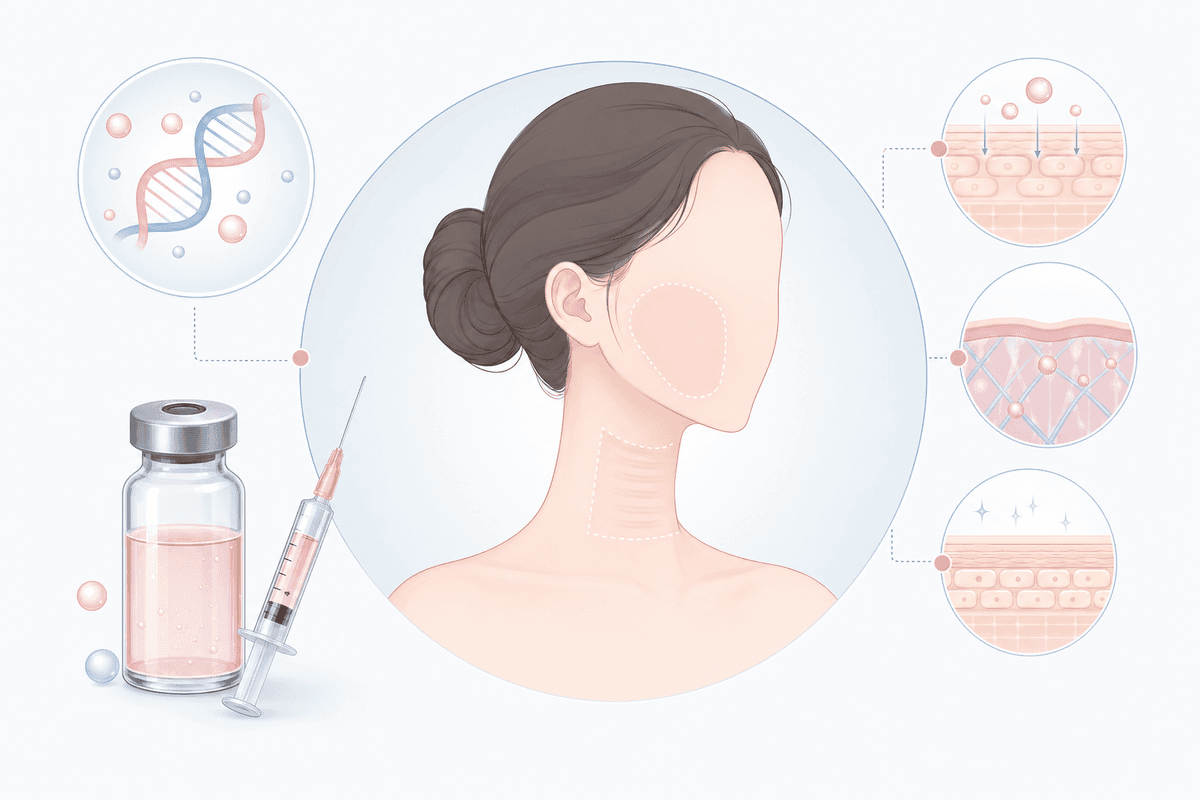
Skin Botox Set to Surge in 2025: 4 Hidden Reasons
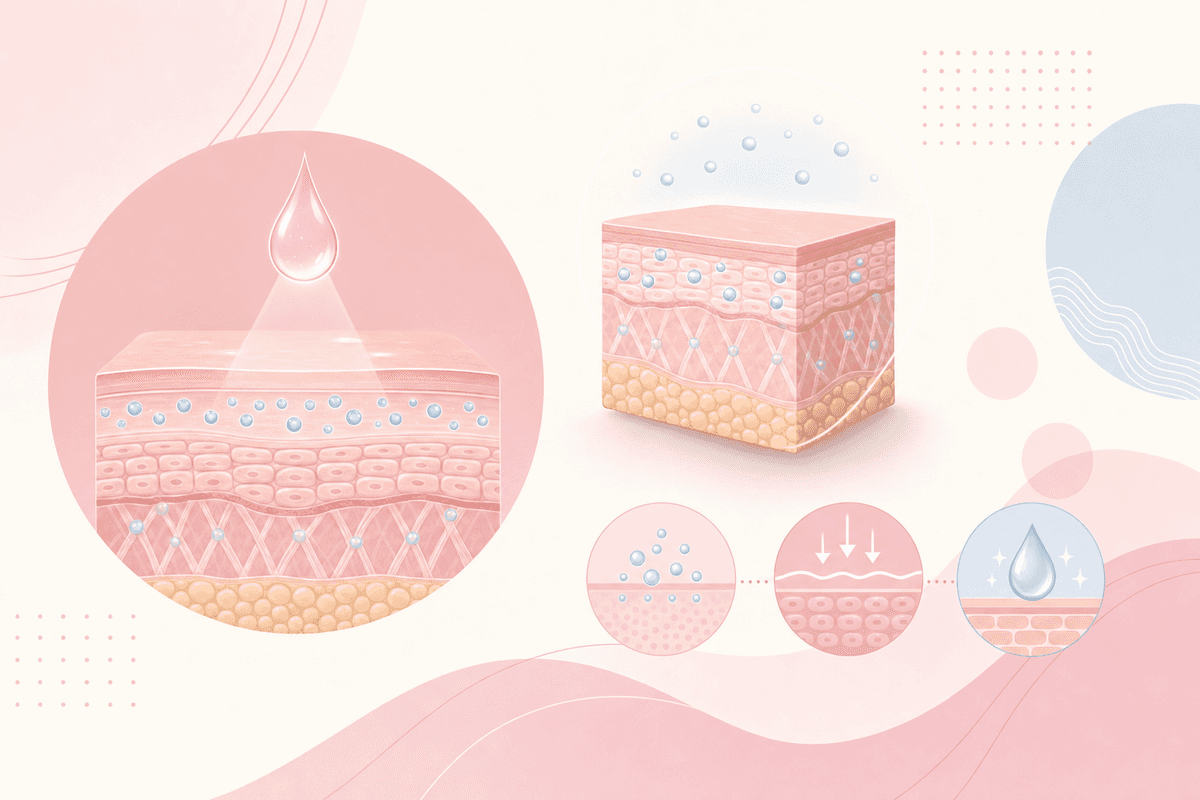
- Why You Won't Need Instagram Makeup Filters Anymore: The Injection Method Has Changed
- Unlike traditional wrinkle Botox, the micro-dose technique, which involves injecting minuscule amounts into the superficial layers of the skin, has been gaining traction in Korea since 2024.
- The proportion of procedures for pore, sebum, and skin texture improvement among those in their 20s and 30s has tripled compared to the previous year.
Information as of July 2026
The Truth About the Micro-Dose Trend
- 240% increase in procedures compared to 2023
- Average dosage is 1/3 of previous levels
- Satisfaction rate: 87.3% (perceived improvement in skin texture)
If You Thought Botox Only Smoothed Wrinkles
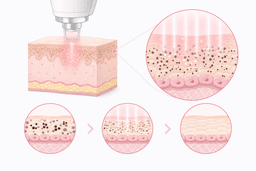
If you thought Botox was a procedure to eliminate wrinkles by paralyzing muscles, you're only half right. Since 2024, the fastest-growing treatment in Korean dermatology clinics isn't targeting muscles but rather skin Botox injected into the epidermis. It's a completely different procedure aimed not at wrinkle reduction, but at improving skin texture itself, such as minimizing pores, controlling sebum, and enhancing radiance.
Indeed, statistics from the Korean Dermatological Association in 2024 show a 240% surge in skin Botox procedures compared to the previous year. The proportion of patients in their 20s tripled, rising from 12% in 2022 to 37% in 2024. Why has it suddenly become so popular?
The key lies in the change in administration method. While traditional Botox involved concentrated injections of 50-100 units deep into the muscle layer, skin Botox uses a micro-dose technique, injecting 1 unit at a time across more than 100 points in the upper dermis. Botulinum toxin A acts only on the nerve endings around the sebaceous and sweat glands, reducing excessive secretion, which in turn narrows pores and smooths the skin.
- Injection Depth: 1-2mm from the skin surface (1/3 the depth of traditional muscle injections)
- Average Dose per Session: 50-100 units (for the entire face; total dosage is similar to traditional wrinkle Botox, but the distribution method differs)
- Introduction to Korea: Introduced in 2018, widespread adoption began in 2024
Why Is It Trending Right Now?
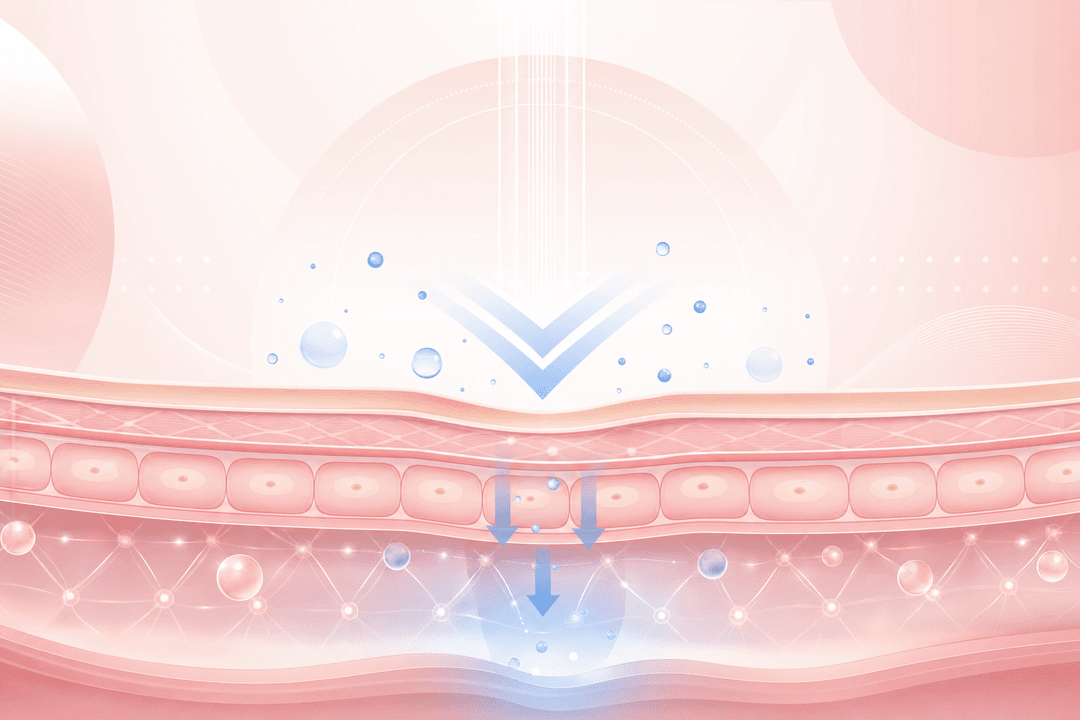
The first reason is the shift in makeup culture among Gen Z. With the rise of the trend favoring glossy skin close to a bare face over heavy, full-coverage makeup, the demand for procedures that improve pores and skin texture itself has exploded. People want their skin to look radiant even without TikTok or Instagram filters.
The second is advancements in equipment. The introduction of automated microneedle injectors (e.g., Mesogun U225), approved by the FDA in 2023, has reduced procedure time from 30 minutes to under 10 minutes. Instead of manual injections at over 100 points, the machine distributes the product evenly, resulting in less bruising and more consistent results.
The third is the trend of combining with skin boosters and Rejuran. While hyaluronic acid-based skin boosters hydrate the skin, skin Botox controls sebum and sweat production, preventing makeup from looking cakey. Clinical reports published in the European Journal of Dermatology in 2024, showing significant synergistic effects when these are administered alternately every two weeks, have made them popular as 'combo treatments' in Korea.
The fourth reason is that the duration of effect is just right. While muscle Botox lasts 3-6 months, it comes with the drawback of potentially stiffening facial expressions, which many find undesirable. Skin Botox, on the other hand, lasts for 2-3 months, leaving only natural skin improvements, thus lowering the psychological barrier to entry. This has led to an increase in 'light users' who think, 'Maybe I should just try it once.'
Key Takeaway Before and after the introduction of automated microneedle injectors, procedure time was reduced by two-thirds, establishing it as a 'lunchtime procedure.' Based on reservation data from major dermatology clinics in Gangnam in 2024, 42% of skin Botox appointments were scheduled between 1-2 PM.
True or False Quiz
Skin Botox uses a lower total dosage than traditional wrinkle Botox.
Check the Answer
False The total dosage is similar, typically 50-100 units, but it's administered by diluting the product 2-3 times more and injecting it into over 100 sites. While the amount per injection point is smaller, the overall volume is the same.
How Is It Different from Traditional Botox?
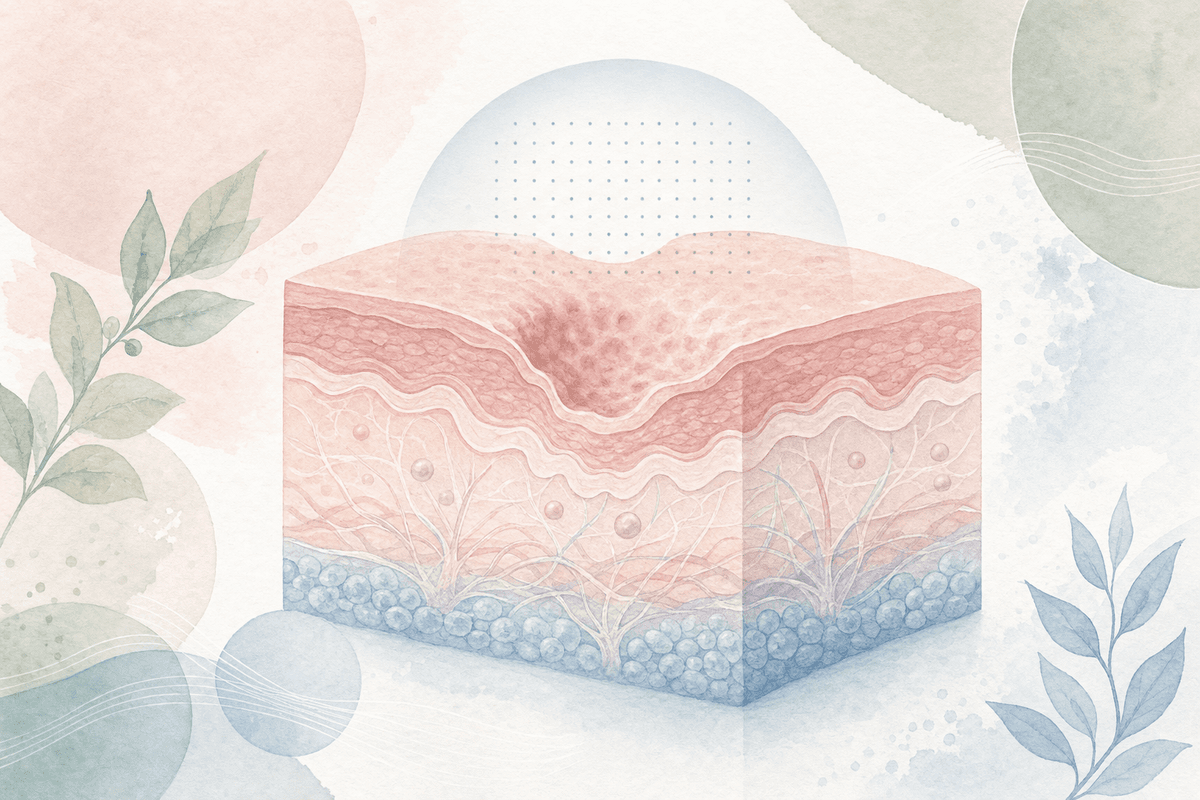
The injection depth is entirely different. Traditional wrinkle Botox is injected concentrically into the muscle layer (4-6mm deep from the skin surface) to reduce the movement of facial muscles. In contrast, skin Botox is thinly spread and injected only into the upper dermis, 1-2mm deep. It barely reaches the muscles, so facial expressions are not stiffened.
The purpose is fundamentally different. While wrinkle Botox aims to improve dynamic wrinkles caused by muscle contractions in areas like the forehead, glabella, and around the eyes, skin Botox primarily focuses on controlling sebum and sweat, minimizing pores, and improving skin radiance. A 2023 study in the Journal of Cosmetic Dermatology reported a 34% average reduction in sebum production after skin Botox treatments.
The product is the same, but the dilution concentration differs. In Korea, Botulax, Nabota, and Xeomin are commonly used Botulinum Toxin Type A preparations. For skin Botox, these are diluted 2-3 times more than usual to minimize the amount injected at one time. For example, if 100 units of Botulax are diluted in 5cc of saline, it results in 20 units per cc. For skin Botox, it might be diluted in 10cc, lowering it to 10 units per cc, allowing for even distribution across the skin.
| Category | Traditional Wrinkle Botox | Skin Botox |
|---|---|---|
| Injection Depth | Muscle Layer (4-6mm) | Upper Dermis (1-2mm) |
| Injection Method | Concentrated in specific areas (5-10 points) | Distributed across the entire face (100+ points) |
| Average Dose per Session | 50-100 units (per area) | 50-100 units (entire face) |
| Primary Effects | Dynamic wrinkle improvement | Pore, sebum, and radiance improvement |
| Duration of Effect | 3-6 months | 2-3 months |
| Facial Expression Changes | Can be limited in specific areas | Almost none |
Dosage and effects may vary depending on individual skin condition and practitioner's technique. Consultation with a specialist is required.
- FDA Approval: Botulinum Toxin Type A was approved for wrinkle improvement in 2002; its use for sebum control is still off-label.
- Korean MFDS Approval: Officially approved only for muscle relaxation; skin Botox is within the physician's discretion.
- Clinical Data: A 2024 multi-center study in Korea reported an average 18% reduction in pore size after 8 weeks.
Who Is It Best For?

Individuals with oily skin and enlarged pores experience the most noticeable benefits. Concentrated injections in the T-zone (forehead, nose, chin), where sebaceous gland activity is high, often lead to reports of makeup staying put 2-3 hours longer. A 2023 study at Seoul National University Hospital's dermatology department found that in patients with oily skin, sebum production decreased by an average of 41% after 4 weeks of treatment.
It's also beneficial for those whose makeup melts due to excessive sweating. If you suffer from localized hyperhidrosis with significant sweating on the forehead or bridge of the nose, skin Botox can block sweat gland nerve signals, reducing sweat production by 30-50%. This noticeably improves makeup longevity during the summer.
Conversely, the effects are limited for individuals with dry skin or thin skin, as there's less sebum to reduce. Excessive treatment could potentially lead to drier skin and flakiness. In such cases, hydrating treatments like skin boosters or Rejuran are prioritized.
By age, people in their early 20s to early 30s report the highest satisfaction. This age group typically has active sebum production and is more concerned with skin texture and pores than wrinkles, making skin Botox a perfect fit for their needs. For those over 40, wrinkle and elasticity improvement are often primary concerns, so skin Botox alone might feel insufficient.
Caution Overly aggressive treatment on dry skin can excessively suppress sebum production, potentially weakening the skin barrier and increasing sensitivity. A skin type diagnosis before treatment is essential.
Comparison with Rejuran & Skin Boosters
The mechanisms of action are completely different. Rejuran uses salmon DNA (polynucleotides) to induce dermal regeneration, while skin boosters directly hydrate the skin with hyaluronic acid. Skin Botox, on the other hand, uses botulinum toxin to block nerves to the sebaceous and sweat glands, so their effects do not overlap.
There is also a difference in duration. Rejuran and skin boosters typically last for 4-6 months, whereas skin Botox lasts for 2-3 months. However, skin Botox shows effects like reduced sebum immediately after treatment, while Rejuran's regenerative effects gradually appear after 2-4 weeks.
The cost is in a similar range. At major dermatology clinics in Seoul, skin Botox costs around 200,000-400,000 KRW per session, Rejuran around 300,000-500,000 KRW per session, and skin boosters around 150,000-350,000 KRW per session. However, since skin Botox requires re-treatment every 2-3 months, the annual cost may be higher.
Therefore, combination treatments are currently trending. A 'triple combo' where Rejuran establishes the foundation for dermal regeneration, skin boosters hydrate the skin, and skin Botox completes the process by controlling sebum, administered sequentially every 2-3 weeks, is reported to improve skin texture, radiance, and pores simultaneously.
Pre-Treatment Checklist
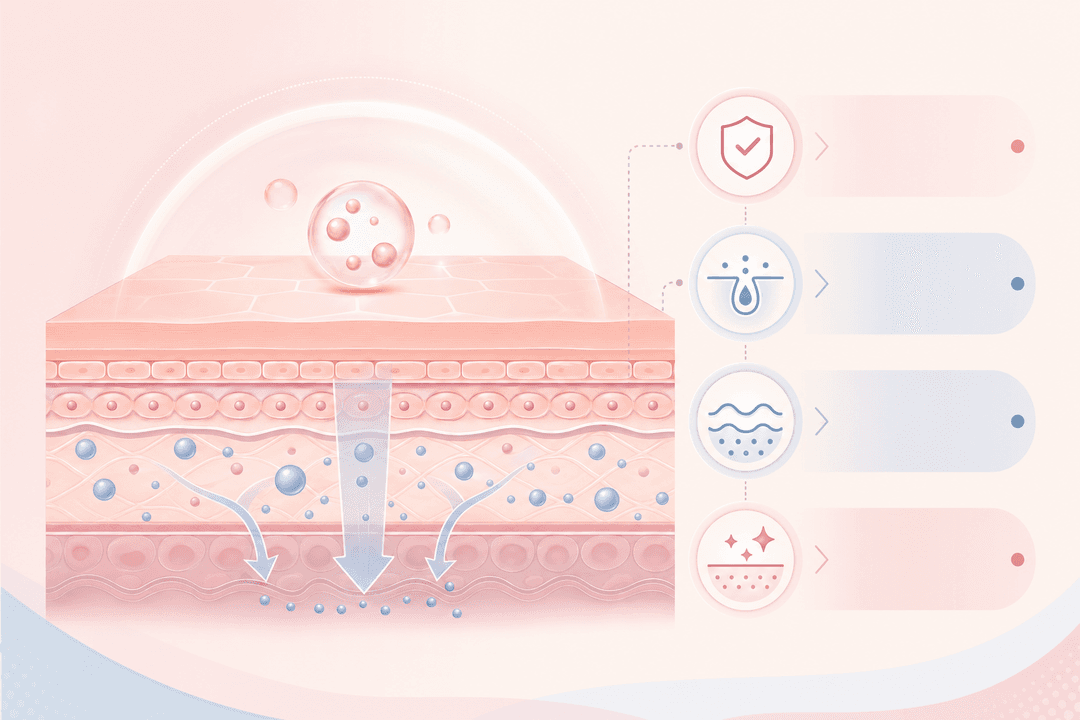
The practitioner's experience is crucial. Skin Botox requires uniform dispersion at a shallow depth of 1-2mm. If the depth is misjudged, it can reach the muscles, causing partial paralysis or rendering the treatment ineffective. Ensure you are treated by a medical professional with at least 100 prior cases of experience.
Also, be sure to verify the authenticity of the product. Ask if the product is one of the officially approved brands in Korea like Botulax, Nabota, or Xeomin, and if you can confirm the expiration date and lot number. Low-cost products purchased through overseas direct shipping may have reduced efficacy or increased risk of side effects due to improper storage temperatures.
Be aware of the possibility of bruising and swelling. Since over 100 tiny needles are used, red spots or minor bruising may appear the next day. These usually disappear within 2-3 days, but it's advisable to avoid treatment at least a week before important events.
Also, review the post-treatment care instructions. On the day of the procedure, avoid saunas, alcohol, and strenuous exercise, as these can promote blood circulation and potentially spread the toxin to unintended areas. Abstain for at least 24 hours, and avoid rubbing or massaging the face for three days.
Tip Stopping blood thinners like aspirin or omega-3 supplements the day before the procedure can help reduce bruising. Applying Vitamin K cream beforehand can also be beneficial.
- Recovery Period: Redness and minor bruising subside in 2-3 days; noticeable reduction in sebum occurs from about 1 week post-treatment.
- Re-treatment Interval: Minimum 8-12 weeks (risk of antibody formation with excessive dosage)
- Side Effect Rate: According to domestic clinical reports, minor bruising/swelling occurs in 15%, and asymmetry in less than 2%.
Common Misconceptions
Misconception Skin Botox also causes facial stiffness.
Truth Injections are administered only in the upper dermis (1-2mm), barely reaching the muscles. Clinical data shows the incidence of facial expression limitation is less than 2%, mostly attributed to the practitioner's misjudgment of depth.
Misconception Once treated, sebum production is permanently reduced.
Truth Botulinum toxin's nerve transmission recovers after 2-3 months, and sebum production returns to normal. For sustained effects, regular re-treatments are necessary.
Frequently Asked Questions
When can I expect to see the effects of skin Botox?
You'll start to notice a reduction in sebum production within 3-7 days post-treatment, with pore minimization and radiance improvement being most prominent around weeks 2-4. While individual results vary, most people feel a change in makeup longevity within a week.
Can I go to work the day after getting skin Botox?
Yes, but red spots or minor bruising may be visible. While coverable with concealer, it's safer to allow an extra day or two if you have important meetings.
Can people with dry skin receive skin Botox?
While possible, the effects are limited, and there's a risk of exacerbating dryness. It's recommended to treat only the T-zone partially or to hydrate the skin first with skin boosters before a minimal dose.
Can I get skin Botox and Rejuran on the same day?
While possible, it's recommended to have a 2-week interval. Receiving multiple treatments on the same day can increase skin irritation and make it difficult to distinguish the effects of each procedure. Sequential treatment is safer.
What are the side effects of skin Botox?
Reported side effects include minor bruising/swelling (15%), temporary asymmetry (less than 2%), and rarely, headaches or eyelid ptosis. Most resolve naturally within two weeks, but the risk increases for individuals with neuromuscular diseases or those taking certain antibiotics, making pre-consultation essential.
Why does the cost of skin Botox vary so much between clinics?
It depends on the product used (authentic vs. low-cost), dosage, treatment area, and practitioner's experience. Prices around 200,000 KRW often cover only the T-zone, while 400,000 KRW may cover the entire face. Cheaper doesn't always mean better, so verifying the product and dosage is important.
Lumi's Take
The reason skin Botox is trending is ultimately because it perfectly aligns with the current desire for natural improvements that make skin look better without altering the face's overall appearance. Rather than focusing on exaggerated effects from advertisements, check if it's truly suitable for your skin type first. If you have oily skin and concerns about pores, it's a worthwhile option to consider. Lumi supports you in the process of resolving your skin concerns one by one!
This content is for informational purposes only and does not substitute medical advice. Always consult with a specialist before undergoing any procedure.