Vbeam Laser: Is Korea 3x Cheaper? What You MUST Know Before Traveling for Treatment
- You can fly 72 hours after the procedure, but if you schedule it at the wrong time, your return flight schedule could get complicated.
- Korea has 2.3 times the density of vascular laser equipment compared to the US, with significantly more accumulated treatment data.
- We've organized the entire process for international patients, from booking appointments to remote post-procedure care after returning home.
Information as of July 2026
Foreign Patient Stay Guide
- Costs 30-40% of home country prices
- Average stay: 3-5 days
- Over 75% offer English consultations
Why Search for a Vbeam Laser Trip to Korea?
After reading Vbeam laser reviews from Korea on international forums, I'm comparing them with quotes from clinics in my home country. This article organizes the entire journey of a foreign patient receiving Vbeam laser treatment in Korea, from online booking to a pre-departure checklist, based on data.
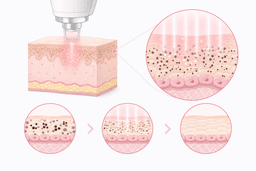
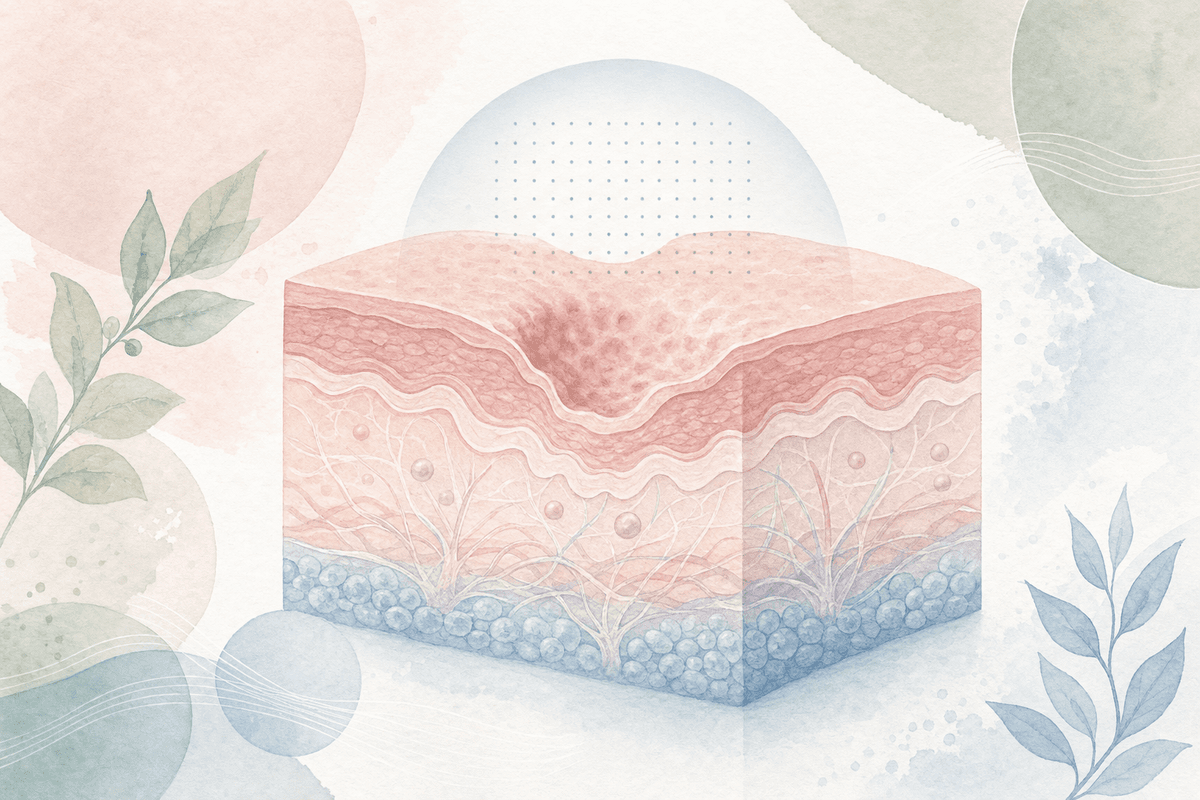
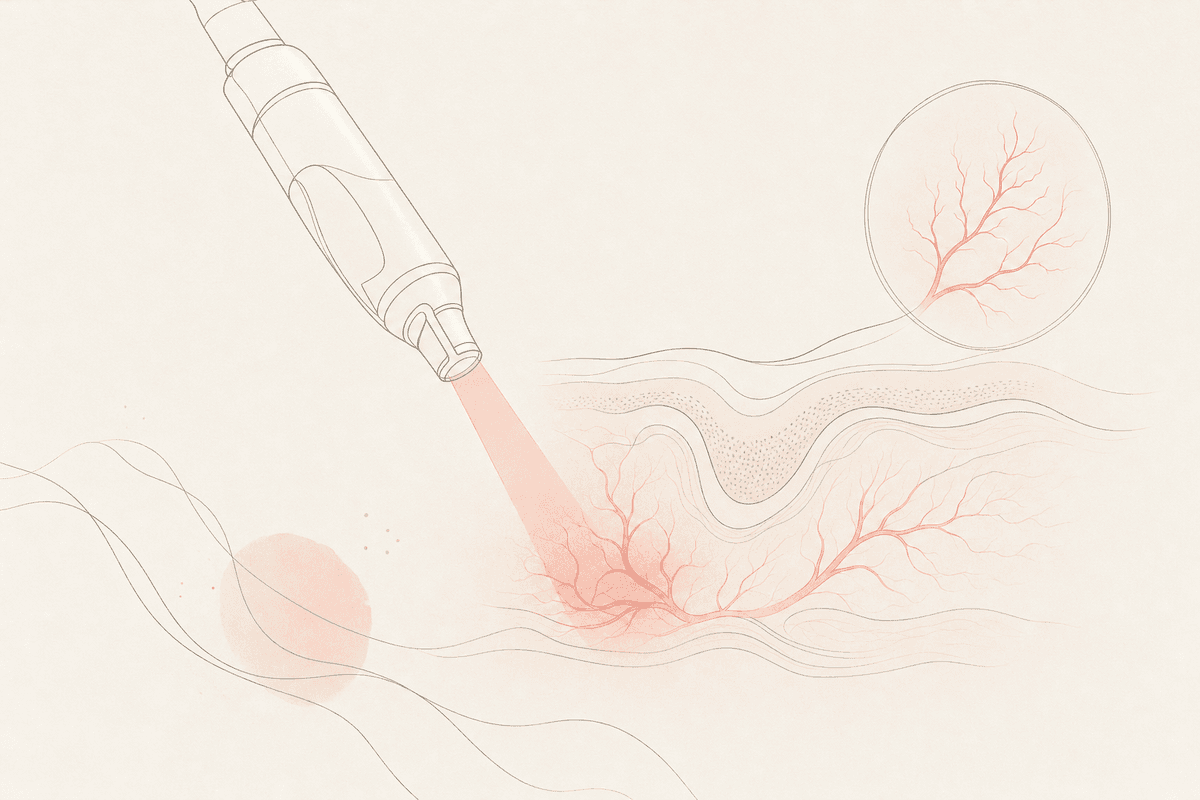
The Vbeam laser (V-beam Perfecta by Candela) is a pulsed dye laser with a 595nm wavelength that selectively destroys hemoglobin in blood vessels, treating conditions like redness, vascular lesions, and rosacea. As of 2023, Korea has 0.43 vascular laser devices per 10,000 people, which is 2.3 times more than the US (0.19 devices).
Treatment costs are 30-40% of those in the US, Australia, and the UK. The standardization of protocols based on cumulative treatment volume is cited as a reason why foreign patients choose Korea.
Where Do the Cost Differences Come From?
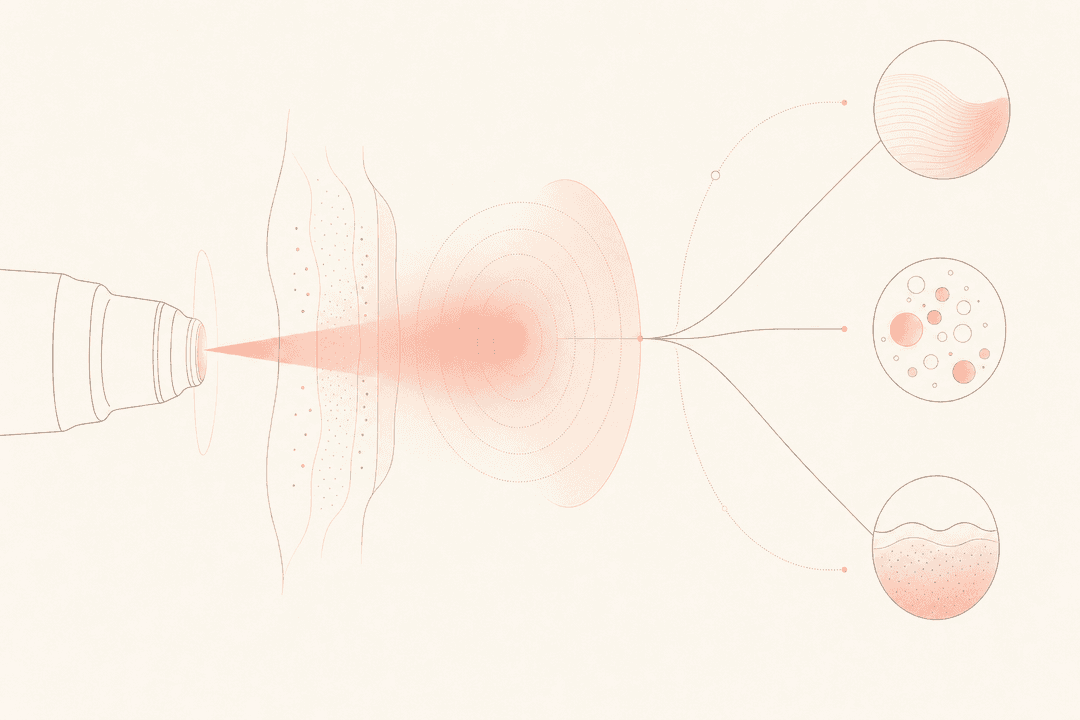
The cost of one Vbeam session in Korea is, on average, 32% of that in North America. According to a 2022 report by the American Academy of Dermatology (AAD), the median cost for one Vbeam session in the US was $450-650, while in Korea, prices are lower depending on the area and extent of treatment.
The key to the price difference lies in equipment utilization rates. The average Vbeam utilization rate in Gangnam, Seoul clinics is 25-30 sessions per week, 2.5 times higher than in US clinics (8-12 sessions per week). High utilization rates lower fixed costs per session and rapidly build operator proficiency.
Furthermore, over 85% of Korean clinics use the DCD (Dynamic Cooling Device) cooling system and long-pulsed mode as standard, whereas some other countries may use older equipment or single-pulsed modes, leading to differences in effectiveness.
Clinical Insight Korean dermatology clinics typically operate with protocols that segment energy levels from 5-12 J/cm² based on skin type, rather than solely adhering to the manufacturer's recommended fluence (7-10 J/cm²). This approach helps minimize the risk of hyperpigmentation in patients with Fitzpatrick skin types III-V.
True or False Quiz
You can fly on the same day as your Vbeam treatment.
Check the answer
False Your skin is highly sensitive and may be swollen immediately after the procedure. Flying is recommended at least 3 days later. The low humidity in the cabin can slow down recovery, so intensified moisturizing is necessary.
Pre-Booking Checklist: Language Support and Online Consultations
Among the dermatology clinics registered on the Medical Korea platform by the Korea Tourism Organization, 75.3% offer consultations in English (as of 2023). You can check for interpretation services by filtering for 'Foreign Patients' on clinic websites or platforms like K-Dia.
Online consultations are conducted via WhatsApp, KakaoTalk, or email. You'll need to attach photos (two front and side views in natural light) and provide a brief medical history. The average response time is 24-48 hours, and quotes are provided as a price range depending on the treatment area.
Less than 20% of clinics require a booking deposit; most allow payment on the day of your visit. However, booking 2 weeks in advance is recommended during peak seasons (April-May, October-November).
- 83% of foreign patients confirm their visit after an online consultation (Korean Dermatological Association, 2022)
- Interpretation services are provided either by the clinic itself (45%) or with an accompanying interpreter (30%)
- Medical records can be provided in English and shared with your doctor back home
Stay Duration and When You Can Fly
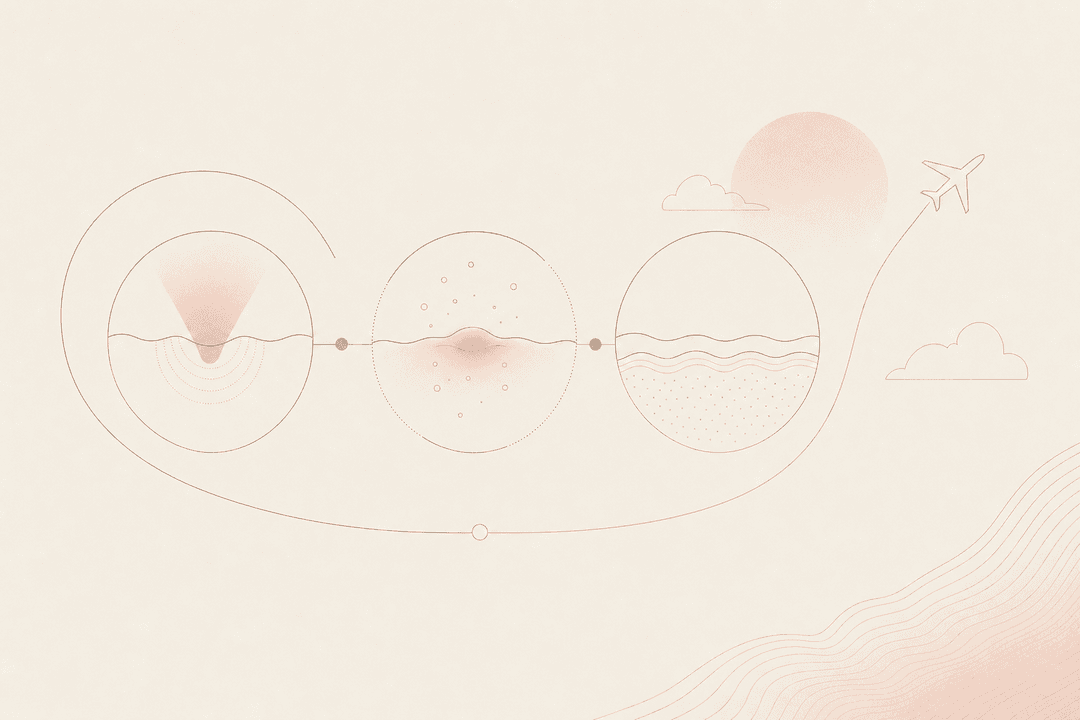
The recommended stay after one Vbeam laser session is 3-5 days. Redness and swelling appear immediately after the procedure and mostly subside within 48-72 hours. For those with sensitive skin, bruising (purpura) may persist for 5-7 days.
Flying is possible 72 hours after the procedure. The low humidity in the cabin (10-20%) can slow down skin recovery, so reapply moisturizer every 2-3 hours during the flight and avoid alcohol consumption.
Typically, 4-6 sessions are recommended. Some patients opt to complete 2-3 sessions in Korea at 2-week intervals and then finish the remaining sessions in their home country. In such cases, the total stay would be around 14-21 days.
| Schedule | Condition | Precautions |
|---|---|---|
| Day of Procedure | Immediate redness and heat sensation | Cold compress for 20 min x 3 times, sun protection |
| D+1~3 | Peak swelling, some bruising | Makeup allowed, SPF50+ essential |
| D+4~7 | Bruising subsides, observe for hyperpigmentation | Flying possible, intensify moisturizing in-flight |
| D+14 | Optimal timing for next session | Time to evaluate the effectiveness of the first session |
Recovery time may vary depending on individual skin type and treatment intensity.
3 Criteria for Choosing a Clinic
First, check the device version. The Vbeam Perfecta, released in 2010, allows pulse width adjustment from 0.45-40ms, reducing side effects compared to older Vbeam models. Some clinics may use older Vbeam devices (early 2000s models), so confirm the device name beforehand.
Second, inquire about the operator's cumulative case numbers. A 2021 study by the Korean Society of Laser Dermatology and Hair Research found that doctors with over 500 Vbeam procedures had a hyperpigmentation incidence rate of 3.2%, less than half of those with fewer than 100 cases (8.7%).
Third, review the aftercare protocol. This includes whether soothing masks and regenerative creams are provided post-treatment and if online consultations are available for adverse reactions after returning home. Some clinics offer remote monitoring based on photos at 2 and 4 weeks post-return.
Caution Under Korean medical law, clinics cannot post before-and-after treatment photos on their websites. Therefore, it is common practice to request a portfolio via tablet or email during your consultation.
Remote Aftercare and Precautions Post-Return
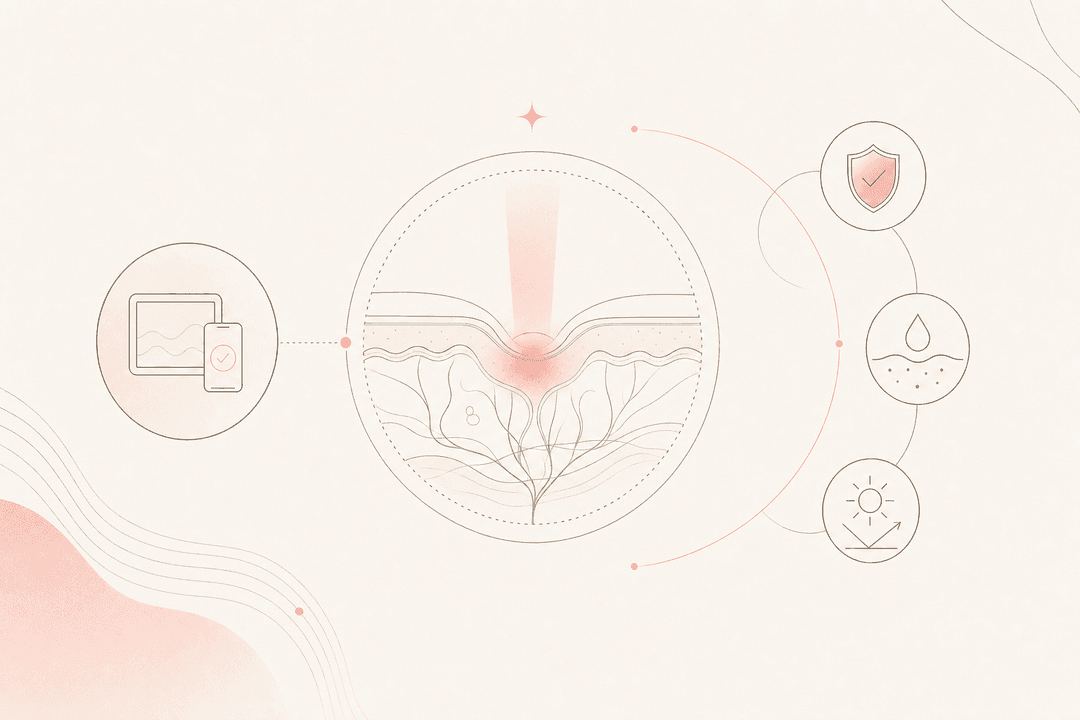
For the first two weeks after returning home, reapply sunscreen with SPF50+ PA++++ every two hours. Avoid exfoliating ingredients like retinol, AHA, and BHA for four weeks. The incidence of post-inflammatory hyperpigmentation (PIH) is proportional to sun exposure time after treatment, reported at 14.3% for Asians.
Remote aftercare is typically conducted via email or messenger. By sending natural light photos at 2 and 4 weeks post-return, your doctor can assess your recovery and recommend the timing for your next session. For adverse reactions (severe blistering, signs of infection), seek immediate consultation with a dermatologist in your home country.
Some patients receive follow-up treatments in their home country. In such cases, providing your English medical chart and treatment parameters (fluence, pulse width, spot size) from Korea to your local doctor can help maintain protocol continuity.
- 68% of patients utilize remote consultations after returning home (Medical Korea 2023)
- For hyperpigmentation, management with 4% hydroquinone cream for 8-12 weeks is recommended
- The interval between treatments is typically 4-6 weeks, with a minimum of 3 weeks required
Korea vs. Home Country Vbeam: What's the Difference?
Korea [High Utilization, Low Cost]
- Costs 30-40% of home country prices
- Average utilization: 25-30 sessions/week
- 85% standard application of DCD cooling system
- 75% of clinics offer English consultations
Protocol refinement based on cumulative cases, remote aftercare provided
USA/Australia [Low Utilization, High Cost]
- Median cost: $450-650 per session
- Average utilization: 8-12 sessions/week
- Some clinics use older equipment
- Limited insurance coverage (for rosacea diagnosis)
Significant variation in operator experience, in-person based aftercare
Europe [High Cost, Low Accessibility]
- €400-700 (varies by country)
- 2-4 week waiting period
- Longer waits with public healthcare systems
- Conservative treatment protocols
Lower out-of-pocket costs with insurance, but accessibility is limited
Treatment Scenarios Tailored to You
First Vbeam treatment, want to test effectiveness?
Start with 1 session + 3-4 day stay
Lower cost burden compared to home country; decide on return visits after assessing response.
Aiming for a full course of 4-6 sessions?
Intensive treatment of 2-3 sessions in Korea at 2-week intervals
Establish initial protocol in Korea, then complete with same parameters at home.
Want to minimize the risk of bruising?
Start with lower fluence + schedule treatment 1 week before returning home
Fitzpatrick type III and above may experience bruising for 5-7 days; allow ample time.
Planning linked treatment with a clinic in your home country?
Must request English chart + treatment parameters
Without records of fluence, pulse width, and spot size, it's difficult for your home country doctor to reconstruct the protocol.
Common Misconceptions
Misconception Korea is cheap, but their equipment must be outdated.
Truth 85% of Korean dermatology clinics use the Vbeam Perfecta (models from 2010 onwards), and equipment replacement cycles are similar to or shorter than in the US. High utilization rates facilitate faster adoption of new equipment.
Misconception If I don't speak Korean, I can't get treatment.
Truth 75% of clinics registered on the Medical Korea platform offer English consultations, and many provide interpretation services. Pre-consultation online communication can significantly reduce communication stress by conveying your medical history and goals.
Frequently Asked Questions
Can I have a consultation in English at a Korean clinic?
75% of clinics registered on the Medical Korea platform offer English consultations, and some also provide interpretation in Chinese and Japanese. Please confirm language support when booking.
When can I wear makeup after the procedure?
Mineral-based makeup is permissible 24 hours after treatment. However, high-coverage products are recommended after 48 hours, and cleansing should be done gently with mild products.
What information do I need if I get follow-up treatments in my home country?
Request an English medical chart and treatment parameters (fluence, pulse width, spot size) from your Korean clinic. Providing this information to your doctor at home allows for protocol continuity.
How do I pay for the treatment?
Most clinics accept cash, credit cards, and international cards. Some also accept PayPal and Alipay. Payment on the day of your visit without a deposit is common.
What should I do if I experience side effects after the procedure?
If you develop blisters, severe pain, or signs of infection (fever, pus), visit a dermatologist in your home country immediately. For mild hyperpigmentation or persistent redness, you can send photos to your Korean clinic via email for consultation.
Will I see results from just one session?
If your redness is mild, you may notice improvement after 1-2 sessions. However, for conditions like rosacea or deep vascular lesions, 4-6 sessions are recommended. It's practical to assess your response after the first session before deciding on return visits.
Lumi's Take
When planning a treatment trip, 'when you return home' is as important as the cost. Returning with lingering bruising can be inconvenient for work, so allow ample time in your schedule. If you have any questions, don't hesitate to ask during your online consultation before booking. I wish you a safe and successful journey!
This content is for informational purposes only and does not substitute medical advice. Always consult with a specialist before undergoing any procedure.