Botox: 3 Months vs. 6 Months, The Surprising Difference in Duration
- The reason why some people experience 6 months and others 3 months with the same dosage
- Botox duration depends on muscle metabolism rather than dosage
- The 3-month mark after the first treatment becomes the standard for retreatment timing
Information as of August 2026
The Decisive Factor in Maintaining Effects
- Duration: 3-6 months
- Muscle activity varies up to 2x between individuals
- Duration variance: 60-180 days
Everyone focuses on dosage, but the real key is elsewhere
Do you think the duration of Botox is determined by the dosage?
In reality, muscle metabolism speed creates more than a 2x difference. Even with the same 20 units, for some people the effects last 6 months, while for others they wear off in just 3 months.
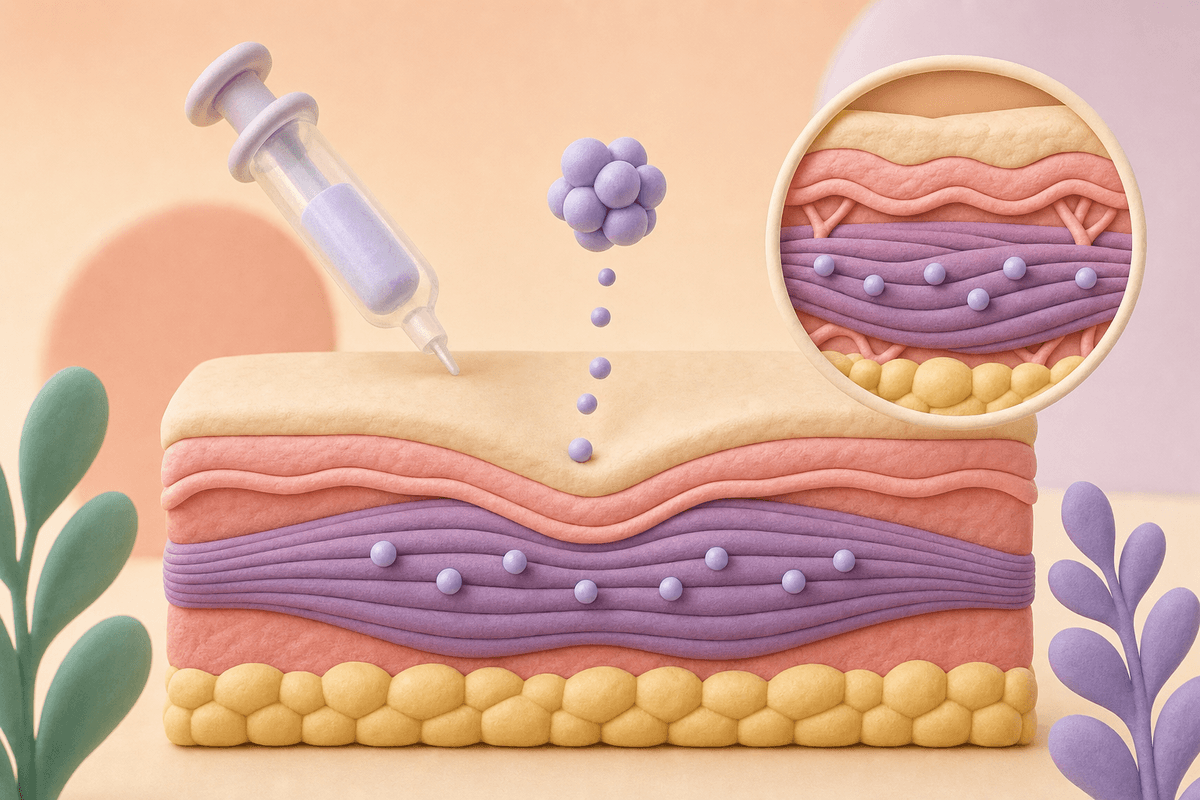
Botox works by blocking acetylcholine release at nerve endings, which relaxes the muscles. The problem is that our bodies constantly create new nerve endings.
This regeneration speed varies greatly from person to person, which is why the duration of effects differs.
Why do the effects wear off faster for some people?
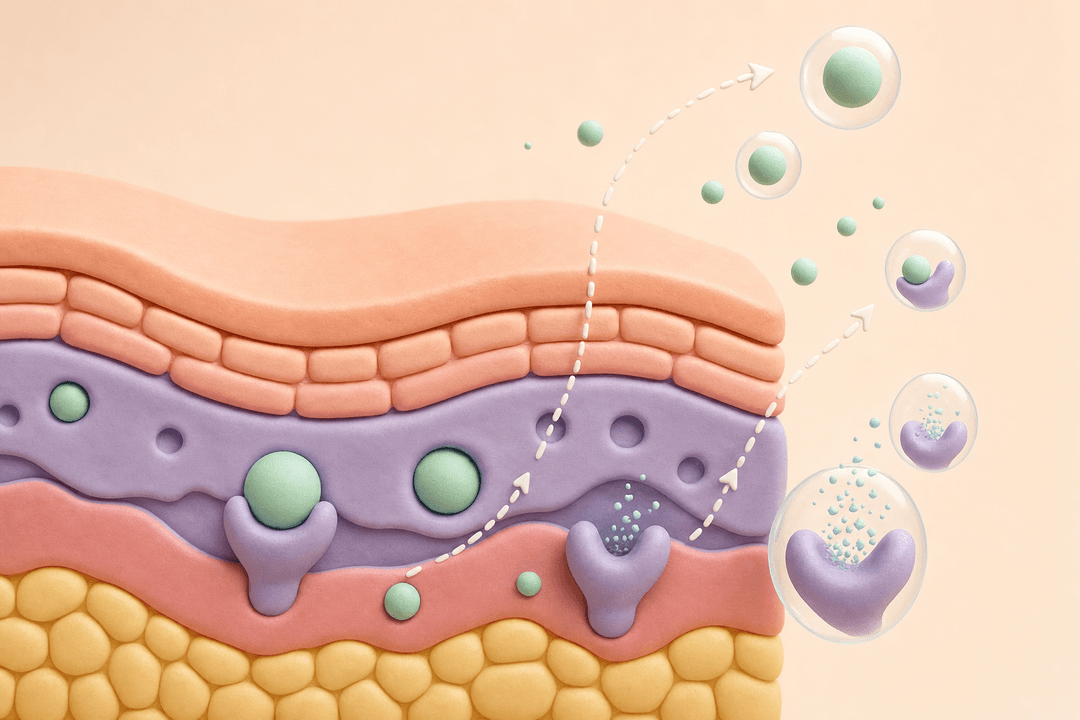
The more frequently you use your muscles, the faster nerve regeneration occurs. If you frequently frown or raise your eyebrows, Botox may wear off a month earlier.
The more active your facial muscles are, the faster protein metabolism becomes.
Exercise volume is also a factor. Reports indicate that individuals who engage in high-intensity exercise 5 or more times a week have a faster metabolism, leading to a 20-30% quicker breakdown of Botox.
Conversely, those who use fewer facial expressions and have slower metabolisms may experience effects lasting up to 6 months.
True or False Quiz
The duration of Botox effects gradually increases with more frequent treatments.
Check the answer
X It's the opposite. If the interval between treatments is too short (less than 8 weeks), antibodies can form, potentially weakening the effect or making it completely ineffective. It's safest to maintain an interval of at least 12 weeks.
3 months after your first treatment – that’s your baseline
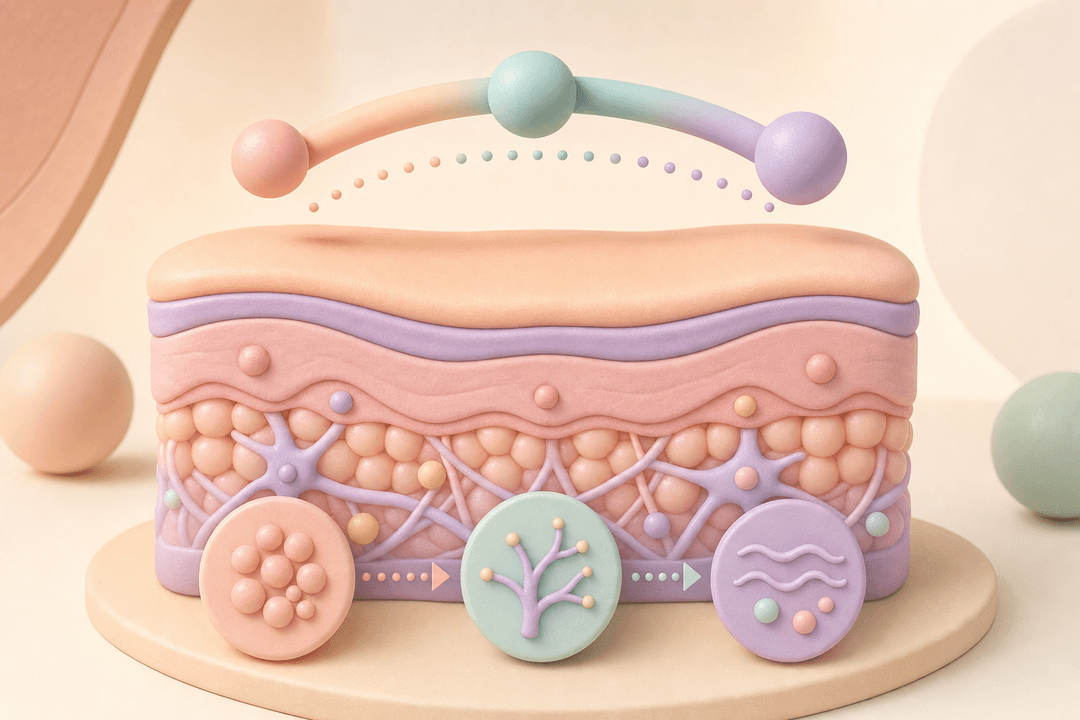
How long the effects last after your first Botox treatment becomes your 'baseline.' If it wears off in 3 months, it's likely to be similar next time; if it lasted 5 months, that's your average cycle.
You'll see a pattern after 2-3 repeat treatments.
Here's a common point of regret.
Repeatedly getting 'touch-ups as soon as the effect weakens' can cause your muscles to adapt, potentially shortening the duration of effects. It's safest to maintain an interval of at least 3 months.
Caution Shortening the interval between treatments to less than 8 weeks increases the risk of antibody formation. If antibodies form, Botox may become completely ineffective.
- Minimum interval for repeat treatment: 12 weeks
- Antibody formation probability with intervals under 8 weeks: 3-5%
Just remember this
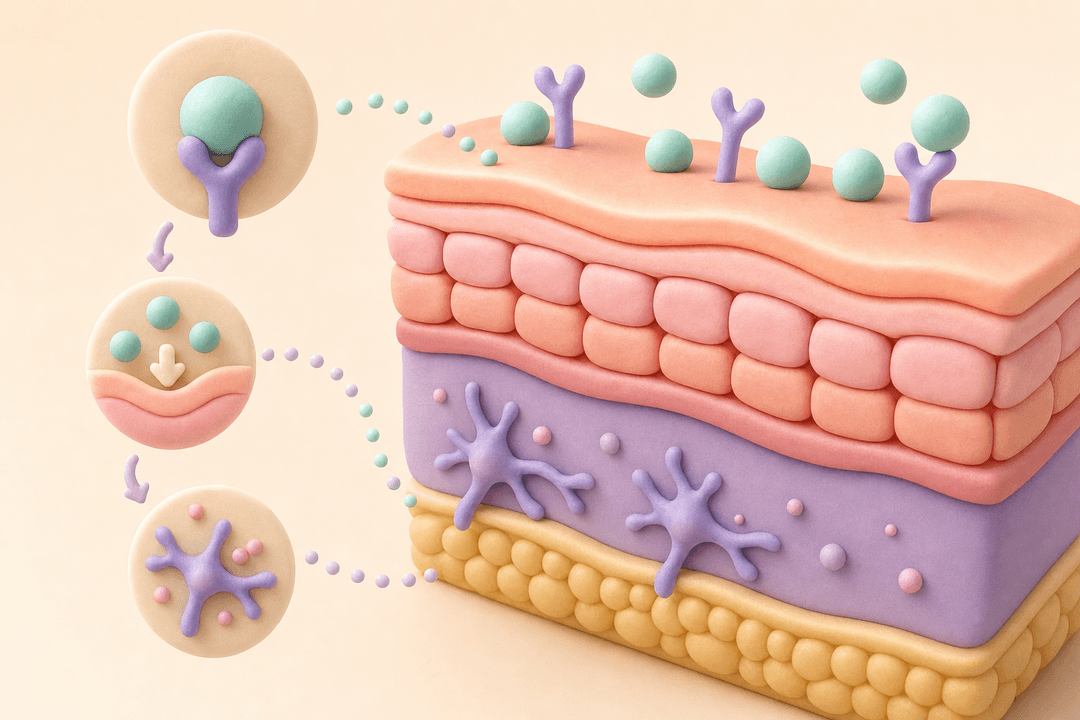
The duration of Botox effects isn't a lottery.
By understanding your body's response after your first treatment and making slight adjustments to your muscle usage habits, you can extend the effects by up to a month. Checking your facial expression habits and adhering to the recommended treatment intervals are the keys.
Increasing the dosage won't make it last 6 months. Excessive dosage, on the other hand, can lead to unnatural expressions. Finding a cycle that matches your muscle metabolism rate is the most realistic answer.
- Average extension of duration with facial expression habit correction: +4 weeks
- Duration of unnatural expressions with excessive dosage: 2-3 months
Common Misconceptions
Misconception Increasing the dosage proportionally increases the duration of effects.
Truth Dosage and duration of effects are not linearly related. Beyond a certain dosage, the risk of side effects increases without a proportional increase in duration. Your individual muscle metabolism rate determines over 70% of the duration.
Before Your Botox Treatment, Be Sure to Check
- Do not lie down or bend your head for 4 hours after treatment (to prevent drug diffusion).
- Absolutely no saunas, high-temperature environments, or alcohol on the day of treatment (increased blood flow can worsen bruising).
- Maintain a minimum interval of 12 weeks between treatments (to prevent antibody formation).
Frequently Asked Questions
Can I exercise after getting Botox?
It's prohibited on the day of treatment; you can resume the next day. However, exercising intensely 5 or more times a week can speed up your metabolism and shorten the duration of effects by 20-30%.
If the effect isn't noticeable, can I get a touch-up immediately?
You must wait at least 12 weeks. If the interval is shortened to less than 8 weeks, the risk of antibody formation increases to 3-5%, which can make Botox completely ineffective.
How long do side effects typically last?
Most side effects appear within 3-7 days after treatment. Drooping eyelids, asymmetry, and headaches are common and usually resolve naturally within 2-4 weeks. However, if symptoms persist, seek immediate consultation with the clinic where you received the treatment.
Lumi's Take
The duration of Botox effects is neither luck nor solely dependent on dosage. It's wisest to understand how your muscles react through your first treatment and then schedule your subsequent treatments accordingly. Whether it's 3 months or 6 months, knowing your pattern is the key.
This content is for informational purposes only and does not substitute for medical advice. Always consult with a specialist before undergoing any procedure.