Lifting effects last from 6 months to 2 years; we will explain the differences clearly depending on the procedure.
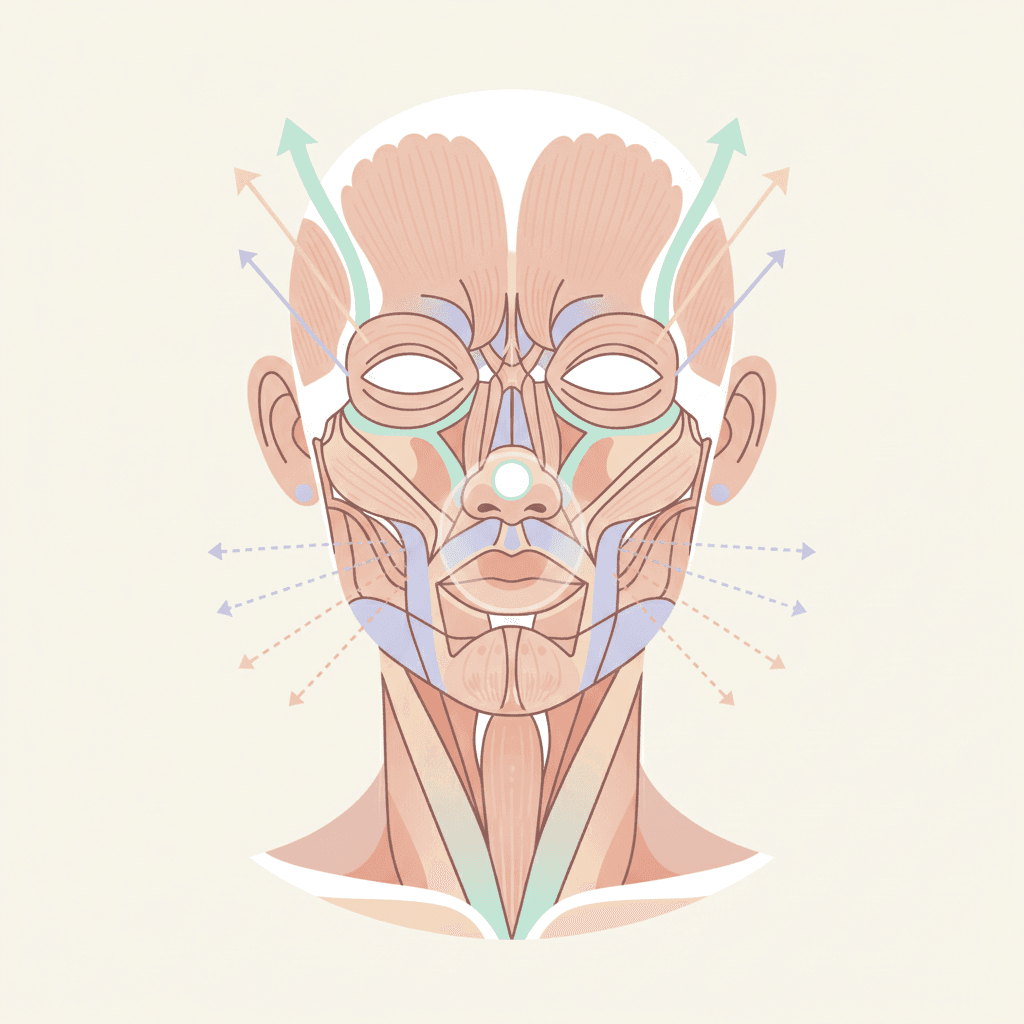
The duration of lifting procedures varies by up to four times, ranging from 6 months to 2 years, depending on the energy source (radiofrequency, ultrasound, or threads). The actual effects do not manifest immediately after the procedure but gradually appear between 2 and 12 weeks during the collagen remodeling process; failing to recognize this time lag can lead to missing the optimal timing for a follow-up treatment. When combining FDA approval standards with domestic clinical data, rather than the procedure method…
Effect Analysis Based on Real Data
- Onset of effects: 2 weeks to 3 months
- Duration of effects: 6 months to 24 months
- Collagen regeneration rate: Up to 47%
"No Results After 3 Months" — 70% of These Complaints Are Misunderstandings
The most frequent complaint heard in clinics is, "It's been a month since the procedure, and there's no change." However, the key to lifting effects isn't immediate results.
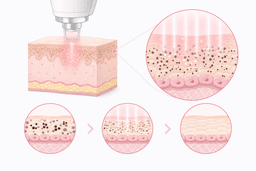
Radiofrequency (RF) and ultrasound lifting work by contracting collagen in the dermis to 65-70°C while simultaneously stimulating fibroblasts to synthesize new collagen. The contraction effect appears within 2 weeks, but true volume and elasticity gradually form between 8-12 weeks.
According to a 2019 presentation by the Korean Dermatological Association, the peak effect for Ulthera was measured at an average of 90 days, and for Thermage, it was 60 days. Re-evaluation before 3 months is premature.
Conversely, thread lifting (PDO threads) provides immediate contour changes because the physical support structure works instantly. However, the duration of the threads themselves is limited to 6-8 months.
Key Takeaway Timing for assessing results: 3 months for RF/ultrasound, 2 weeks for thread lifting. Rushing for a repeat procedure increases the risk of overcorrection.
- Collagen synthesis rate: 20% at 4 weeks post-procedure, 47% at 8 weeks, peak at 12 weeks (J Cosmet Dermatol, 2021)
- Ulthera effect onset: Average 90 days (Korean Dermatological Association, 2019)
- Immediate effect of thread lifting: Immediately after procedure to 2 weeks
Duration by Procedure — The Real Difference in Numbers

The duration of lifting procedures is determined by the depth of energy delivery and the tissue response mechanism. Direct comparisons are not possible, but a range can be provided based on clinical reports.
Thermage FLX delivers RF energy to the lower dermis to the upper subcutaneous fat layer (approx. 4.3mm), with FDA-approved efficacy reported to last 12-18 months. Numerous domestic studies have confirmed an average maintenance rate of 15 months.
Ulthera concentrates ultrasound energy on the SMAS layer (4.5mm), providing strong structural lifting effects. Clinical data frequently reports durations of 18-24 months, with the most significant individual variation.
Thread lifting varies from 6-18 months depending on the material (PDO, PLLA, PCL). PDO threads last 6-8 months, PLLA cog threads last 12-15 months, and PCL threads can last up to 18 months, but their supportive strength rapidly decreases after absorption.
InMode FX/Forma targets superficial layers (1-3mm) with micro-insulated RF, offering relatively short-term skin elasticity improvement of 6-9 months, but with minimal downtime, making repeat procedures convenient.
Clinical Note Duration refers not to the 'point when effects completely disappear,' but rather the 'recommended timing for re-treatment.' Actual perceived satisfaction maintenance may be 2-4 months shorter than indicated.
| Procedure | Target Depth | Average Duration | Effect Onset |
|---|---|---|---|
| Thermage FLX | 4.3mm (Dermis to Subcutaneous) | 12-18 months | After 2 months |
| Ulthera | 4.5mm (SMAS Layer) | 18-24 months | After 3 months |
| PDO Thread Lifting | Subcutaneous Tissue | 6-8 months | Immediately |
| PLLA Cog Threads | Subcutaneous Tissue | 12-15 months | Immediately + 3 months |
| InMode FX | 1-3mm (Dermis) | 6-9 months | 2-4 weeks |
3 Variables That Determine Effectiveness — More Important Than the Procedure Itself
Some people who receive Ulthera need a repeat procedure after 6 months, while others maintain results for 2 years. This difference stems from 'biological response capacity' rather than the procedure itself.
First, age. Individuals in their late 20s to early 30s have a collagen synthesis rate approximately 1.8 times faster than those in their 40s, producing an average of 30% more new collagen for the same energy input. After age 40, the duration of effects shortens by an average of 20-30%.
Second, skin condition. Skin affected by photoaging (Fitzpatrick types III-IV) has lower dermal elastic fiber density, leading to a blunted response to the same thermal energy. Smokers experience an average of 4 months shorter duration compared to non-smokers.
Third, procedure energy settings. For Ulthera, 300-600 lines per session is standard, but high-density shots of 500 lines or more can extend the duration of effects by an average of 6 months. However, excessive energy increases the risk of nerve damage.
Caution The simplistic notion that "higher energy means longer-lasting results" is dangerous. Exceeding the appropriate dosage has been linked to reports of burns, pigmentation, and facial nerve damage.
- Collagen synthesis rate difference: Approx. 1.8x between 20s and 40s (Int J Cosmet Sci, 2020)
- Effect duration for smokers: Average 4 months shorter than non-smokers
- Effect extension with high-density Ulthera shots (500+ lines): Average 6 months
20s Office Worker vs. 50s Homemaker — Effect Scenarios by Case
For a 29-year-old woman seeking jawline improvement with 300 lines of Ulthera: 10% contour improvement after 2 weeks, peak effect (25% improvement) after 8 weeks, recommended re-treatment after 18 months of maintenance. Downtime: 2-3 days.
For a 42-year-old woman seeking overall sagging improvement with 900 shots of Thermage: 15% elasticity improvement after 4 weeks, peak effect (30% improvement) after 12 weeks, re-treatment considered after 12-14 months. Downtime: Minimal.
For a 53-year-old woman targeting nasolabial folds with 10 strands of PLLA cog threads: Immediate contour change, additional collagen-boosting effect after 3 months (20% improvement), re-treatment after 12 months. Downtime: 5-7 days.
In each case, the timing for re-treatment is set based on reaching the '70% satisfaction point,' not 'effect loss.' Waiting too long can lead to a return to the initial state, requiring more intensive procedures.
Tip Treatment combinations vary based on age, goals, and budget. Find a clinic offering 1:1 consultations on K-Dia to discover the optimal combination and clinic for your case.
Maximizing Results — The Crucial 4 Weeks Post-Procedure
Post-procedure care influences the duration of effects by 20-30%. Especially the first 4 weeks after the procedure are the initial stage of collagen remodeling; failure to manage care during this period results in obtaining only half of the maximum effect.
First 2 weeks: Areas treated with thermal energy are in a state of micro-inflammation. Exposure to high-intensity ultraviolet (UV-A) rays triples the risk of pigmentation due to melanin activation. Reapplication of SPF 50+ sunscreen every 2 hours is essential.
Weeks 3-4: New collagen synthesis begins in earnest. High-protein diets (over 1.2g per kg of body weight per day) and vitamin C supplementation (500mg daily) during this period increase fibroblast activity by 15%.
Weeks 6-12: Peak effect period. Exfoliating ingredients like retinol and AHA can be resumed after 8 weeks, starting with half the usual concentration. Alcohol consumption should be avoided for 4 weeks, and smoking for 8 weeks. Alcohol prolongs swelling due to vasodilation, and nicotine directly inhibits collagen synthesis.
Key Takeaway Sun protection and protein intake during the first 4 weeks post-procedure are 'mandatory,' not 'optional.' Neglecting care during this period can shorten the duration of effects by an average of 4-6 months.
- Risk of pigmentation from UV exposure post-procedure: Tripled
- Fibroblast activity with high-protein diet + Vitamin C: Increased by 15%
- Shortened duration of effects due to neglect: Average 4-6 months
Retreatment Timing — When is Best?

Missing the retreatment window requires 'reconstruction' rather than 'maintenance,' doubling costs and downtime. Conversely, retreatment too early can lead to tissue overload.
Thermage: Re-evaluate at 12 months post-initial treatment. If effects have dropped below 60%, retreatment between 14-16 months is recommended. Retreatment within 6 months is not advised due to heat accumulation risks.
Ulthera: Re-evaluate at 18 months, with standard retreatment between 20-22 months. While some clinics recommend retreatment at 12 months, this is considered excessive frequency by FDA guidelines.
Thread lifting: PDO threads can be retreated after 6 months, and PLLA threads after 12 months. It's crucial to confirm the presence of remaining threads via ultrasound before proceeding to avoid complications from double insertion.
The 2023 MFDS (Ministry of Food and Drug Safety) guidelines recommend a minimum interval of 12 months between repeat high-intensity lifting procedures (Ulthera, Thermage) on the same area. This is based on the dermal layer's recovery cycle.
Caution "Retreatment before effects disappear" is a marketing tactic. Repeated procedures without adequate tissue recovery increase the risk of dermal fibrosis and hypertrophic scarring.
| Procedure | Re-evaluation Point | Recommended Retreatment Timing | Minimum Interval |
|---|---|---|---|
| Thermage | 12 months | 14-16 months | 12 months |
| Ulthera | 18 months | 20-22 months | 12 months |
| PDO Threads | 6 months | 6-7 months | 6 months |
| PLLA Threads | 12 months | 12-14 months | 10 months |
Comparison of 3 Energy-Based Lifting Devices
Thermage FLX [Radiofrequency]
- Target: Dermis to subcutaneous fat (4.3mm)
- Duration: 12-18 months
- Effect Onset: 2 months
- Downtime: Minimal
- Pain: Moderate (Numbing cream recommended)
Strong for improving elasticity over large areas. Convenient for repeat procedures.
Ulthera [Ultrasound]
- Target: SMAS layer (4.5mm)
- Duration: 18-24 months
- Effect Onset: 3 months
- Downtime: 1-3 days
- Pain: High (Consider sedation anesthesia)
Maximum structural lifting effect. Significant individual variation and high cost.
PLLA Cog Threads [Thread Lifting]
- Target: Subcutaneous tissue
- Duration: 12-15 months
- Effect Onset: Immediately + 3 months
- Downtime: 5-7 days
- Pain: Low (Local anesthesia)
Immediate contour changes. Swelling and bruising require management.
Misconceptions
Myth One lifting session lasts for 5 years.
Truth No non-surgical lifting procedure has data supporting a 5-year duration. The longest FDA-approved duration is 24 months for Ulthera, after which effects gradually diminish. Claims of 'semi-permanent' results violate medical advertising laws.
Myth More expensive procedures always last longer.
Truth Price reflects equipment cost and complexity, not necessarily duration. While Ulthera is more expensive than Thermage, 30% of individuals find Thermage more satisfactory. Choosing based on your skin condition and goals is paramount.
Absolutely Prohibited Post-Procedure

- Exposure to high-intensity UV rays (beach, golf, etc.) within 4 weeks post-procedure — 3x risk of pigmentation
- Alcohol consumption on the day of the procedure and excessive drinking within 2 weeks — Prolonged swelling and increased bruising
- Strong pressure or massage on the treated area (within 4 weeks) — Potential damage to the energy delivery layer
- Overlapping other high-intensity lifting procedures on the same area within 6 months — Risk of tissue overload and nerve damage
- Impatient additional procedures based on results assessed within 2 weeks — Risk of overcorrection and asymmetry
Frequently Asked Questions
When can I wear makeup after the procedure?
For RF and ultrasound lifting, makeup is possible from the evening of the procedure. For thread lifting, it's recommended to wait at least 24 hours after thread insertion before applying makeup. However, for the first week, opt for lighter bases rather than high-coverage products.
Can I get a refund if there are no results?
Medical procedures do not operate on a 'results expectation' basis. However, if equipment malfunction or clear procedural errors are proven, remedies may be available through the Consumer Dispute Resolution Committee. It is important to receive thorough explanations about the onset of effects and individual variations before signing a contract.
Do people in their 20s get lifting procedures?
Preventive treatments are on the rise, but they are not essential for those in their 20s as natural collagen production is active. If you have specific goals like jawline contouring or asymmetry correction, starting with low-intensity procedures (like InMode) is recommended.
Are the results the same for men?
Men have skin that is, on average, 25% thicker and produces more sebum, affecting energy delivery efficiency. For the same procedure, effect onset is 1-2 weeks later, and duration is similar or slightly shorter. Choosing a clinic with protocols specifically for men is advantageous.
Should I avoid procedures if I plan to get pregnant?
Procedures are contraindicated during pregnancy. If you are planning pregnancy, it is recommended to complete treatments at least 6 months prior. Hormonal changes during pregnancy alter collagen metabolism, making effect prediction difficult, and there is insufficient data on fetal safety.
Can I treat multiple areas at once?
The entire face (forehead, cheeks, jawline) can be treated in one session, but excessive total energy can increase the risk of nerve damage and prolonged swelling. Generally, 2-3 areas are recommended, and for more, splitting treatments over 2-4 week intervals is safer.
This content is for informational purposes only and does not substitute medical advice. Always consult with a specialist before undergoing any procedure. Effects and side effects may vary depending on individual skin condition, age, and health status, and all figures are based on average clinical data.
Find the Right Lifting Procedure and Clinic for You on K-Dia