Forehead Lift: Incision, Endoscopic, or Thread Lift – Which is Right for My Forehead?
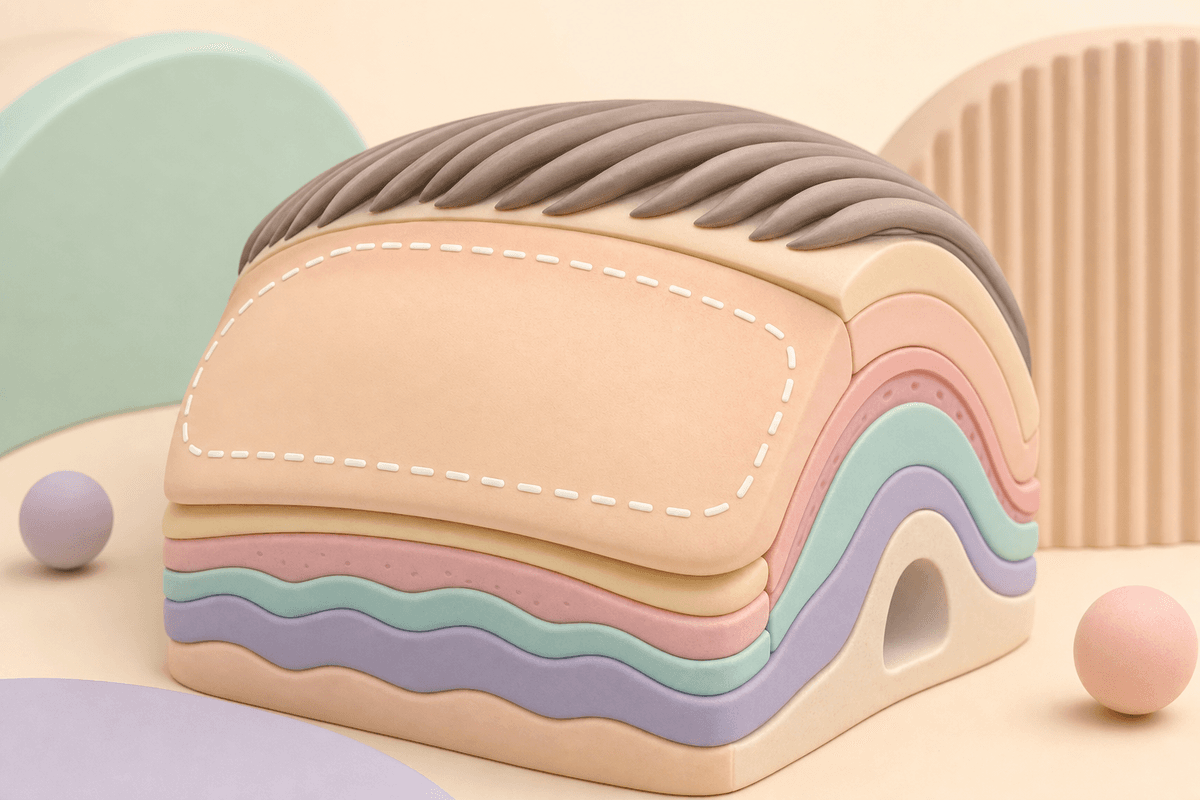
- Recovery period doubles based on a single incision site—selection criteria depend on lifestyle.
- Differences in recovery and scar location based on endoscopic, coronal, and hairline incisions.
- Customized forehead lift selection based on face shape, age, and lifestyle.
Information as of August 2026
Recovery and Scar Comparison by Surgical Method
- Comparison of 3 Incision Methods
- 2x Difference in Recovery Period
- Selection Criteria by Scar Location
Incision Location Determines Recovery Time
Nine out of ten patients considering a forehead lift first ask about 'scars.' However, it's not the scar size but the incision location that dictates the recovery period. Even with the same forehead lift procedure, the recovery time for a coronal lift and an endoscopic forehead lift can differ by more than double.
A coronal lift involves a long incision behind the crown of the head extending to above the ear, widely dissecting the forehead skin and muscles. The endoscopic method uses 3-5 small incisions (each 1-2 cm) within 1-2 cm of the hairline, proceeding with minimal dissection while viewing through a camera. Reducing the incision area minimizes bleeding and swelling, leading to faster recovery.
A thread forehead lift involves inserting dissolvable threads through needle punctures, without any incisions, to lift the tissues. The surgery takes 30-40 minutes, and return to daily activities is possible in 2-3 days. However, the duration of the effect is not permanent, lasting 12-18 months.
Key Takeaway The wider the incision area, the larger the dissected surface, resulting in more bleeding and swelling, and a longer recovery time. Conversely, minimizing incisions leads to faster recovery but also limits the scope of correction.
- Coronal Lift: Incision length 20-25cm, recovery period 2-3 weeks
- Endoscopic Forehead Lift: 3-5 incision holes (each 1-2cm), recovery 1-2 weeks
- Thread Forehead Lift: Needle punctures only, return to daily activities in 2-3 days
Coronal Lift: Who is it For?

The coronal lift is a classic technique used since the 1970s. It involves widely lifting the scalp behind the crown to directly visualize, pull, and secure the forehead muscles (frontalis) and the galea. It offers the greatest correction for individuals over 50 with wide foreheads or reduced scalp elasticity.
The scar is located 5-7 cm behind the hairline, so it should be avoided by those who frequently wear short or braided hairstyles. On the other hand, if you maintain long, straight hair, the scar will be almost unnoticeable. Temporary numbness in the scalp may persist for 3-6 months during recovery.
According to 2022 data from the American Society of Plastic Surgeons (ASPS), the revision rate for coronal lifts within 5 years is 8%, which is lower than that for endoscopic lifts (12%). The long-term results are good due to the definitive lift achieved in one go.
| Item | Coronal Lift | Endoscopic | Thread Forehead Lift |
|---|---|---|---|
| Incision Location | Scalp behind the crown | 1-2cm inside hairline | Needle puncture |
| Incision Length | 20-25cm | 3-5 holes (each 1-2cm) | None |
| Recovery Period | 2-3 weeks | 1-2 weeks | 2-3 days |
| Duration of Effect | 10-15 years | 7-10 years | 12-18 months |
| Suitable Age | 50s and above | 30s-50s | 20s-40s |
Recovery and duration of effect may vary depending on individual skin elasticity, surgical scope, and lifestyle habits.
OX Quiz
Endoscopic forehead lifts have smaller incisions, making them less effective.
Check the answer
X It's not the incision size but the accuracy of dissection that determines effectiveness. Endoscopic procedures use a camera for precise dissection and lifting of the fascial layer, resulting in outcomes virtually indistinguishable from coronal lifts for moderate sagging in individuals aged 30-50. However, coronal lifts may be more advantageous for very wide foreheads or significantly reduced scalp elasticity.
Endoscopic Forehead Lift: There's Only One Standard
The endoscopic method, introduced in the 1990s, is the most frequently chosen procedure among working professionals aged 30-50. It involves creating small incisions 1-2 cm inside the hairline, and using an endoscopic camera to dissect and lift the forehead muscles and periosteum upwards.
The reason for faster recovery is that the dissected area is less than half that of a coronal lift. Return to work is possible in 7-10 days, and numbness in the scalp usually resolves within 4-8 weeks. Scars are hidden within the hairline, making short hairstyles feasible.
However, if the forehead is very wide (hairline is more than 6 cm high) or scalp elasticity is poor, the lifting range may be limited. A 2021 clinical study by the Korean Society for Aesthetic Plastic Surgery reported an average satisfaction score of 4.2 out of 5 for endoscopic forehead lifts, praising the balance between recovery speed and results.
Clinical Insight Endoscopic cameras are about 4mm in diameter, allowing for magnified visualization of muscles and blood vessels during dissection, thus minimizing bleeding. Absorbable screws or sutures are used to secure the periosteum, minimizing foreign body sensation.
- Dissected Area: 40-50% of coronal lift
- Return to Work Possible: 7-10 days (over 70% of swelling resolved)
- Scars: 1-2cm inside hairline, each 1-2cm long
Thread Forehead Lift: Quick Recovery, But...
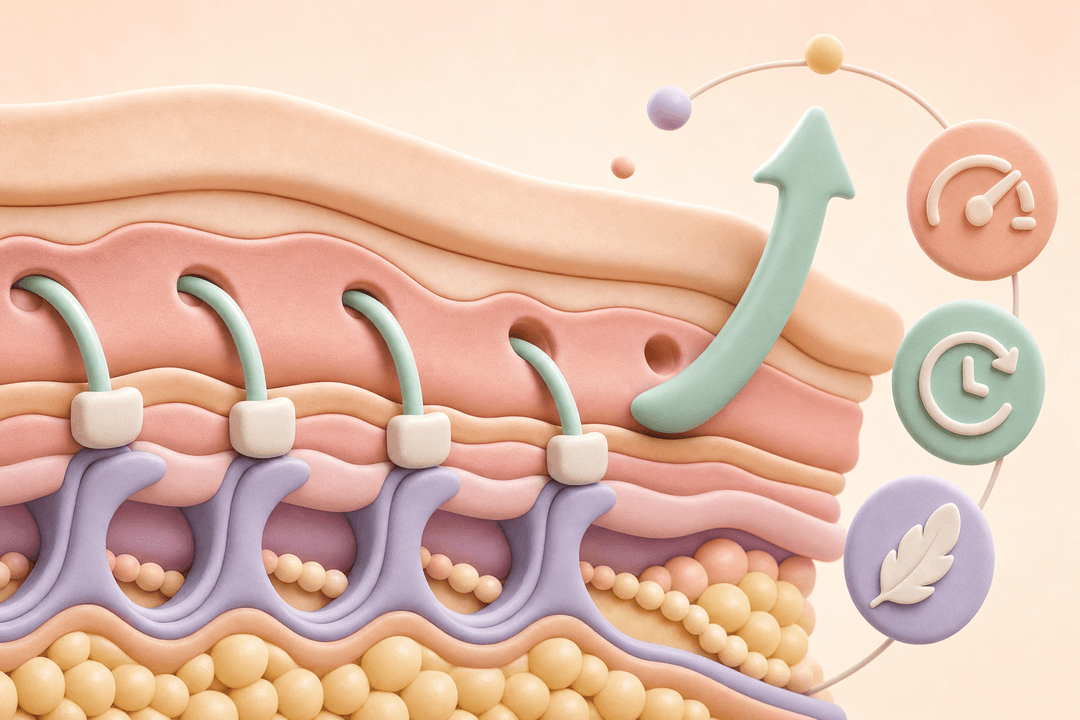
A thread forehead lift is a procedure that lifts the forehead tissues by inserting dissolvable threads (PDO, PCL material) through needle punctures, without any incisions. Only needle punctures are made, so bruising disappears in 1-2 days, and facial cleansing and makeup are possible the next day.
However, the holding power of the threads depends on the fibrous tissue (fibrosis) that forms between the skin and the threads. This tissue gradually loosens after 6-12 months, and the effect diminishes. If you desire permanent correction, this is not the ideal choice.
Approved products by the Ministry of Food and Drug Safety include Mint Lift and Silhouette Soft. The cost per thread is 100,000-150,000 KRW, and typically 8-12 threads are used for the entire forehead. For repeated procedures, a 1-year interval is recommended to consider cumulative tissue damage.
Hairline Incision: If You Want to Reduce Forehead Size
If you are concerned about a wide-looking forehead, you should consider the hairline incision method. This involves incising the skin just below the hairline, pulling the forehead skin upwards, and excising the excess. This can reduce forehead height by 1-2 cm.
The scar runs along the hairline, so it may be visible with short hair or if you frequently wear your hair pulled back. However, it is almost unnoticeable if concealed with long bangs. The recovery period is similar to the endoscopic method, around 1-2 weeks.
It's important to note that the hairline incision has weaker lifting power for the forehead muscles, resulting in less wrinkle improvement compared to coronal or endoscopic lifts. It is suitable when the primary goal is to reduce forehead width, with wrinkle improvement as a secondary objective.
Caution Temporary hair loss (telogen effluvium) in the frontal hairline area may occur for 3-6 months after a hairline incision. While it usually resolves, sensitive individuals should discuss this thoroughly during pre-operative consultation.
Selection Criteria: Just Three Things to Consider

First, recovery time availability. If you can take more than two weeks off, both coronal and endoscopic lifts are viable options. If you need to return to work within a week, a thread forehead lift is a practical choice.
Second, desired duration of results. If you want results that last over 10 years, you should choose a coronal or endoscopic lift. If you only want improvement for 1-2 years, threads are sufficient. Third, hairstyle pattern. If you frequently wear short or braided hair, an endoscopic lift is safer. If you maintain long, straight hair, a coronal lift is also acceptable.
- Recovery time of 2+ weeks: Coronal and endoscopic lifts are both possible
- Return to work within 1 week: Consider thread forehead lift
- Goal of 10+ years of results: Choose coronal or endoscopic lift
- Preference for short hair: Endoscopic lift is advantageous for scar management
Comparison of Recovery, Scars, and Duration by Surgical Method
Coronal Lift [Maximum Correction Range]
- Incision: 20-25cm behind the crown
- Recovery: 2-3 weeks
- Duration: 10-15 years
- Scar: 5-7cm behind the hairline
Suitable for individuals over 50 with wide foreheads and poor scalp elasticity
Endoscopic Forehead Lift [Balance of Recovery and Results]
- Incision: 3-5 locations inside hairline (each 1-2cm)
- Recovery: 1-2 weeks
- Duration: 7-10 years
- Scar: Inside the hairline
For working professionals aged 30-50 seeking faster recovery
Thread Forehead Lift [Minimally Invasive]
- Incision: Needle punctures only
- Recovery: 2-3 days
- Duration: 12-18 months
- Scar: Almost none
For individuals aged 20-40 with short-term improvement goals or concerns about surgery
Forehead Lift Selection Guide for My Situation
Over 50s with deep and wide forehead wrinkles
Coronal Lift
The wide dissection area allows for a firm lift of sagging muscles and fascia, offering the longest-lasting results.
Working professionals aged 30-40 with 2 weeks of vacation available
Endoscopic Forehead Lift
Offers a good balance between recovery speed and correction effectiveness, with scars hidden inside the hairline, allowing for short hairstyles.
Seeking short-term improvement before a wedding or event
Thread Forehead Lift
Allows return to daily activities in 2-3 days, with results lasting 12-18 months, sufficient to cover the event period.
Forehead appears wide and you wish to reduce its size
Hairline Incision
Lowers the hairline by 1-2 cm, reducing forehead height, and scars are easily concealed with bangs.
Common Misconceptions
Misconception Endoscopic lifts have smaller incisions, so their effects are weaker.
Truth Incision size is not directly proportional to the effectiveness of correction. Endoscopic lifts use a camera to precisely identify and lift the correct dissection plane, resulting in outcomes virtually indistinguishable from coronal lifts for moderate sagging in individuals aged 30-50. However, for very wide foreheads or significantly reduced scalp elasticity in individuals over 60, a coronal lift may be more advantageous.
Misconception Repeating thread forehead lifts will lead to permanent results.
Truth Threads dissolve in the body within 6-12 months, and repeated procedures do not result in permanent effects. In fact, repeated procedures can accumulate tissue damage, potentially weakening fibrosis formation. Therefore, intervals of at least one year and a maximum of 2-3 sessions are recommended.
Frequently Asked Questions
When can I wash my face and apply makeup after surgery?
For coronal and endoscopic lifts, it's possible after suture removal (7-10 days). For thread forehead lifts, it's possible from the next day. However, gently pat the surgical area instead of rubbing when cleansing.
How noticeable are the scars?
A coronal lift results in a linear scar 5-7 cm behind the crown, which is hidden by long hair. An endoscopic lift leaves 3-5 dot scars within 1-2 cm of the hairline, which are barely noticeable even with short hair. Threads only create needle punctures that disappear within 1-2 weeks.
When can I return to work?
Coronal lifts require 2-3 weeks, endoscopic lifts 7-10 days, and thread lifts 2-3 days. This is based on the point when over 70% of swelling has subsided.
How long do the results last?
Coronal lifts last 10-15 years, endoscopic lifts 7-10 years, and threads 12-18 months. This can vary depending on individual skin elasticity and lifestyle habits (UV exposure, smoking).
Are there any side effects after surgery?
Temporary scalp numbness (3-6 months) is the most common and usually resolves. Rare side effects include hair loss (resolves after 3-6 months), infection (less than 1%), and asymmetry (correctable with revision surgery). For thread forehead lifts, cases of threads protruding through the skin (0.5-1%) have been reported.
I heard I can't get an MRI after a thread forehead lift?
PDO and PCL threads are non-metallic and do not interfere with MRI scans. However, if the threads have metallic barbs, you must inform your medical team before undergoing an MRI.
Lumi's Word
When choosing a surgical method, checking for recovery availability, desired duration, and hairstyle pattern in that order will narrow down your options. A greater effect isn't always better; the best choice is one that fits your lifestyle. If you have any questions about procedures, feel free to stop by anytime!
This content is for informational purposes only and does not substitute for medical advice. Always consult with a specialist before undergoing any procedure.