A Complete Guide to 7 Thread Lift Side Effects and Recovery Period
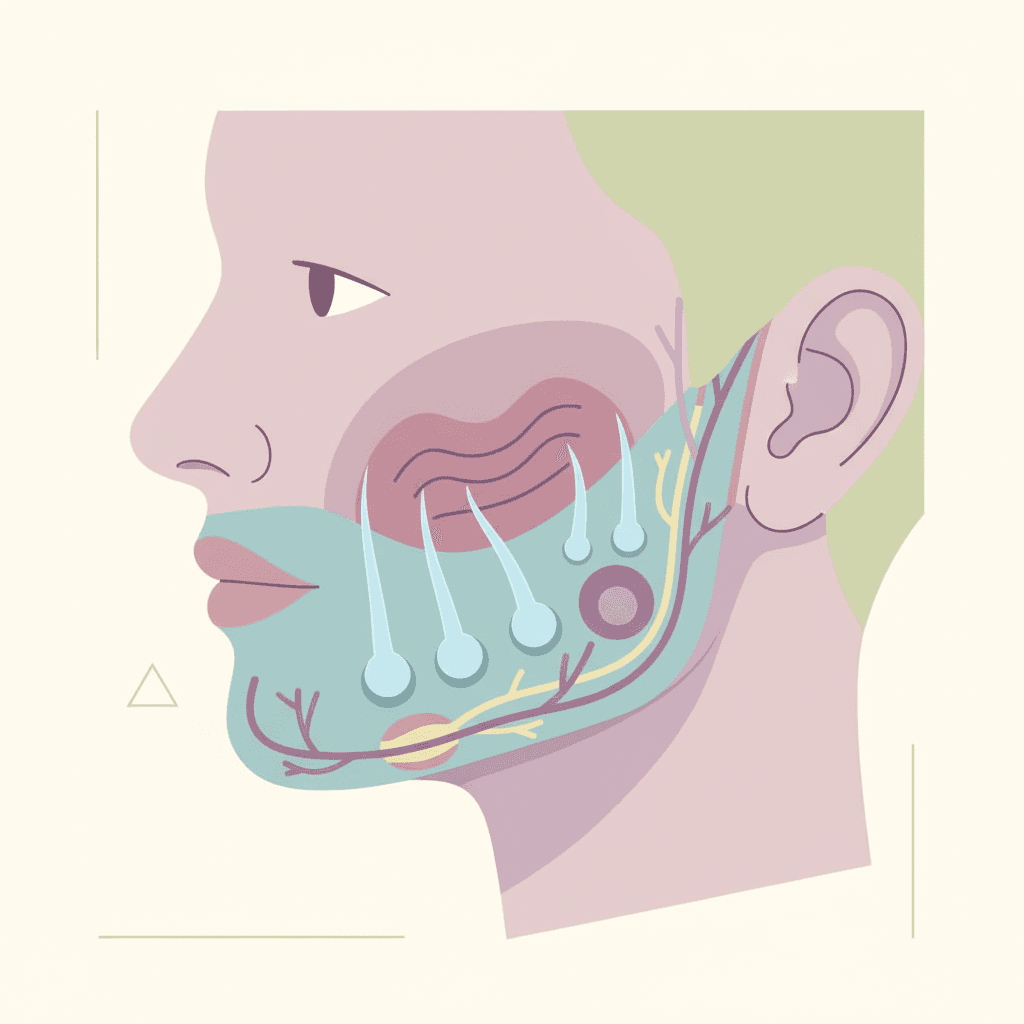
The 72 hours following a thread lift are the 'golden time' for determining the occurrence of side effects. During this period, facial muscle usage and sleeping posture account for 30% of the outcome. According to a 2023 report by the Korean Society of Aesthetic Plastic Surgery, thread clumping is observed starting two weeks after the procedure, and 90% is naturally absorbed within three months. Early detection and management are key. Dissolvable threads (PDO, PLLA, PCL)…
From suture removal to thread clumping
- Incidence of side effects 2-8%
- Average recovery period 7-14 days
- Time to observe thread clumping 2-6 weeks
72 hours immediately after the procedure — The golden time for side effects
The most frequently asked question in the clinic is 'When can I smile?' The thread forms an 'initial bond' with the skin tissue for 72 hours after insertion, and during this time, excessive use of facial muscles can shift the position of the thread by 2-3 mm.
Swelling during the first 3 days is a normal response. Edema peaks at an average of 48-72 hours and then decreases over 5-7 days. However, if only one side swells severely or is accompanied by a sensation of heat, you must contact the clinic where the procedure was performed immediately. Sleeping position is also important. Sleeping on your side or stomach increases the pressure applied to the threads by 3 to 4 times compared to sleeping on your back. Please maintain an upright upper body position at a 45-degree angle for at least one week. Cold compresses are effective only from the day of the procedure up to 48 hours later. Wrap an ice pack in gauze and repeat a pattern of 15 minutes of application followed by 30 minutes of rest; however, applying ice directly to the skin carries a risk of frostbite. Caution: For 3 days after the procedure, avoid washing your face with hot water, saunas, steam rooms, and high-temperature yoga. Elevated body temperature accelerates the inflammatory response by twofold.
- Thread displacement 2-3mm upon overuse of facial muscles
- Peak swelling 48-72 hours
- Timeframe for cold compress effect within 48 hours
Time of side effects by thread type
Dissolvable threads are broadly divided into three types: PDO (polydioxanone), PLLA (poly-L-lactic acid), and PCL (polycaprolactone). Since each has a different rate of degradation in the body, the timing of observing side effects also differs.
PDO threads degrade over a period of 3 to 4 months. Inflammatory reactions are concentrated during the first 2 to 3 weeks, and thread clumping or skin tightness is most frequently reported during this period. In clinical trials for Mint PDO threads, which were FDA-approved in 2020, the incidence of side effects was 3.2%.
PLLA threads (representative: Silhouette Soft) have the advantage of long-lasting effects of 12 to 18 months, but cases of granuloma development are reported even after 6 months. According to 2022 data from the Korean Dermatological Association, the incidence of granulomas is less than 1%, but steroid injection treatment is required if they occur. PCL threads remain in the body for more than 24 months and promote collagen production. As they are long-acting, side effects are minimal during the first three months, but 'threading,' where the thread outline becomes visible, is observed in 0.5-1% of patients after one year. Clinical Please be sure to know exactly the type and number of threads inserted into you. Recovery care strategies vary depending on the thread type — Find hospitals with strong aftercare on K-Dia.
| Thread Type | Decomposition Period | Timeline of Major Side Effects | Incidence Rate |
|---|---|---|---|
| PDO | 3-4 months | 2-3 weeks | 3.2% |
| PLLA | 12-18 months | After 6 months | 1% Less than |
| PCL | 24 months+ | After 1 year | 0.5-1% |
Thread Bunning and Asymmetry — The Most Common Side Effects
Thread bunching is a major side effect of thread lifting. Between 2 and 6 weeks after the procedure, the threads gather to one side under the skin and can be felt like small bumps.
There are two main causes. First, when the thread insertion angle does not match the skin layer and encounters tissue resistance. Second, when the patient's facial muscle usage pattern is concentrated on one side. In particular, if you have a habit of chewing only on one side while eating, the probability of bundling increases by 40%.
Most cases are naturally absorbed within 3 months, but continuously pressing on the bundled area with your hands can worsen inflammation. You must contact the doctor who performed the procedure immediately upon discovery to determine whether an ultrasound examination or steroid injection is necessary. Asymmetry is often caused by poor patient management during the recovery period rather than errors in thread placement by the practitioner. Habits such as sleeping on only one side or resting your hand on one side of your chin make a difference of 1-2mm within 2 weeks.
- Time for thread clumping to occur: 2-6 weeks
- Chewing on one side increases the probability of clumping by 40%
- Natural absorption rate: 90% (within 3 months)
Inflammation and infection — Signs requiring immediate response
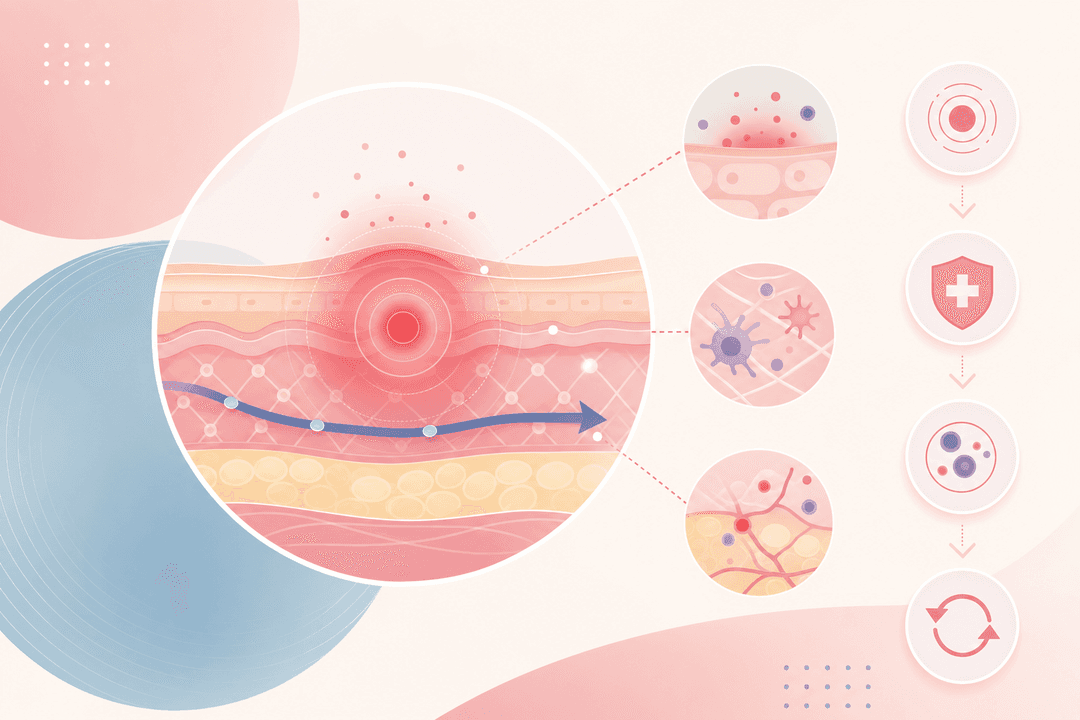
Although the incidence of infection after thread lifting is less than 0.5%, a rapid response is crucial if it occurs. If the insertion site becomes red and a burning sensation persists between 3 and 7 days after the procedure, it is a suspected sign of bacterial infection.
The criterion for distinguishing between infection and a normal inflammatory response is the 'pain pattern.' In normal inflammation, pain decreases over time, whereas in infection, pain actually increases on the 4th or 5th day, and yellow discharge is produced.
The 2021 guidelines of the Korean Society of Plastic and Reconstructive Surgeons recommend administering antibiotics within 48 hours if infection is suspected. Generally, Cephalexin 500mg three times a day or Augmentin 625mg twice a day is prescribed. If you had a low immune system prior to the procedure, the risk of infection increases threefold. If you have diabetes, an autoimmune disease, or a recent history of a cold, be sure to inform your doctor before the procedure. Key Points If you experience any of the following: fever (37.5°C or higher), yellow discharge, or increased pain, you must visit the hospital within 24 hours. Recovery Phase Action Guidelines — 1 Week vs. 1 Month vs. 3 Months Week 1 is the 'protection period.' Wash your face gently with lukewarm water. You may apply makeup starting three days after the procedure, but avoid the insertion site. When cleansing, do not rub; instead, pat clean. The first month is the 'stabilization phase.' Most of the swelling subsides, and the threads have finished bonding with the tissue. From this point on, light aerobic exercise (walking, yoga) is possible, but weight training or high-intensity interval training remains prohibited. The third month is the 'completion phase.' The collagen-generating effect of the threads begins in earnest, and the final results appear. If asymmetry or lumps persist at this stage, it is time to discuss additional corrective procedures. Return to work depends on the degree of swelling. For office workers, 3-5 days is realistic on average, while for service workers (customer-facing), 7-10 days is appropriate. If working from home is possible, I recommend utilizing it for one week. Tip During the recovery period, a high-protein diet (60-80g per day) helps with collagen synthesis. Chicken breast, tofu, and eggs are good choices.
| Duration | Recovery Status | Activities Allowed | Prohibited Items |
|---|---|---|---|
| 1 Week | Swelling Reducing | Washing with Lukewarm Water, Light Makeup | Sauna, Alcohol, Vigorous Exercise |
| 1 Month | Tissue Binding Completed | Cardiovascular Exercise, Return to Daily Life | Weight Training, HIIT, Face Massage |
| 3 Months | Check Final Results | All Exercise, Skin Care | Additional Procedures (Doctor Consultation Required) |
Go to the Hospital Immediately When — 7 Warning Signs
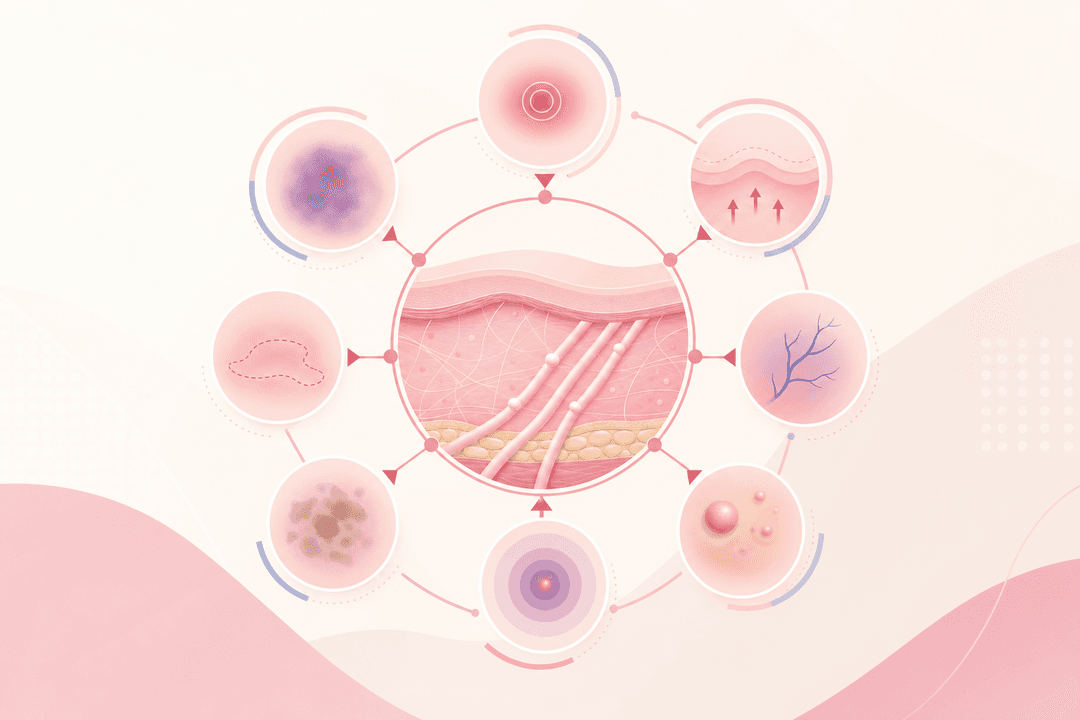
Thread extrusion is a rare but serious side effect. It is a phenomenon where the tip of the thread protrudes from the skin at the insertion site; although the incidence rate is 0.3%, immediate removal is required.
Also, be aware of symptoms suspected of nerve damage. If only one corner of the mouth droops, or if a tingling sensation in part of the face persists for more than two days, there is a possibility of facial nerve compression. Thread repositioning is necessary.
Persistent headaches or jaw joint pain are signs that the threads are irritating the fascia layer. If the pain persists for more than three days without being resolved by painkillers, you must undergo an ultrasound examination.
Skin depression or worsening of wrinkles are paradoxical side effects. It occurs when the thread pulls the skin excessively or is inserted into the wrong layer; early intervention that allows for correction immediately upon discovery is crucial. Caution: The clinic where the procedure was performed is the most accurate provider for responding to side effects. When visiting another clinic, be sure to bring your procedure records (thread type, number, insertion depth). Comparison of 3 Types of Dissolvable Threads
PDO [Short-term]
- Duration: 3-4 months
- Side effect on time: 2-3 weeks
- Collagen production: Moderate
- Price range: Low
Suitable for beginners. Re-treatment can be determined after confirming short-term effects
PLLA [Mid-term Duration]
- Duration: 12-18 months
- Side effects: After 6 months
- Collagen production: High
- Price range: Mid-range
Excellent collagen-promoting effect. Caution regarding potential granuloma formation
PCL [Long-lasting]
- Duration: 24 months+
- Side effects: After 1 year
- Collagen production: Very high
- Price range: High
Recommended for those 40 and older seeking long-term effects. Low likelihood of thread visibility
Common misconceptions
Misconception Thread lifting uses dissolvable threads, so there are no side effects
Truth Dissolvable threads are also foreign substances in the body. While inflammatory reactions during the breakdown process are normal, thread clumping, asymmetry, and infection are reported in 2-8% of patients. The fact that they 'dissolve' does not mean safety, but merely that they 'are not permanent.' Individual differences exist, and consultation with a specialist is necessary.
Misconception Side effects only appear immediately after the procedure
Truth The timing of side effects varies depending on the type of thread. Granulomas may develop after 2-3 weeks with PDO and after 6 months with PLLA. Regular check-ups are required for up to 3 months after the procedure, and you should contact the hospital at any time if you experience any abnormal symptoms.
Frequently Asked Questions
When can I drink alcohol after thread lifting?
We recommend abstaining from alcohol for at least 2 weeks. Alcohol dilates blood vessels, worsening swelling, and accelerates the inflammatory response by twofold. The first week, in particular, is a period of absolute abstinence.
I can feel the threads clumping; can I loosen them with my hands?
Absolutely not. Pressing with your hands causes additional damage to the tissue surrounding the threads and worsens inflammation. Most lumps are naturally absorbed within 3 months, but please contact the clinic where the procedure was performed immediately upon discovery to determine whether an ultrasound examination or steroid injection is necessary. How many days can I return to work? For office workers, 3-5 days is realistic on average, while for customer-facing service jobs, 7-10 days is appropriate. Since individual differences are significant, please plan your vacation well in advance of the procedure. If working from home is possible, utilizing one week is ideal. When can I resume exercise? Light walking is possible after 1 week, yoga or Pilates after 2 weeks, and weight training or running after 4 weeks. If your face turns red or feels hot during exercise, stop immediately and rest. Is it normal for only one side to swell more? There may be a difference between the left and right sides for up to 3 days after the procedure. However, if only one side swells by more than double or is accompanied by a sensation of heat, there is a possibility of infection or hematoma, so a hospital visit within 24 hours is required.
When can I receive skin care after thread lifting?
Light care that does not touch the insertion site (moisture packs) is possible after 2 weeks, and facial massages or radiofrequency treatments are possible after at least 4 weeks. Please be sure to inform the esthetician of your treatment history.
This content is for informational medical purposes only and does not replace personal medical advice. Results and side effects of thread lifting may vary depending on an individual's skin condition, age, and health status. Please be sure to consult thoroughly with a specialist before the procedure, and consult with medical staff immediately if any abnormal symptoms occur after the procedure.