Laser Toning Effects: Why You See Changes Starting from the 3rd Session
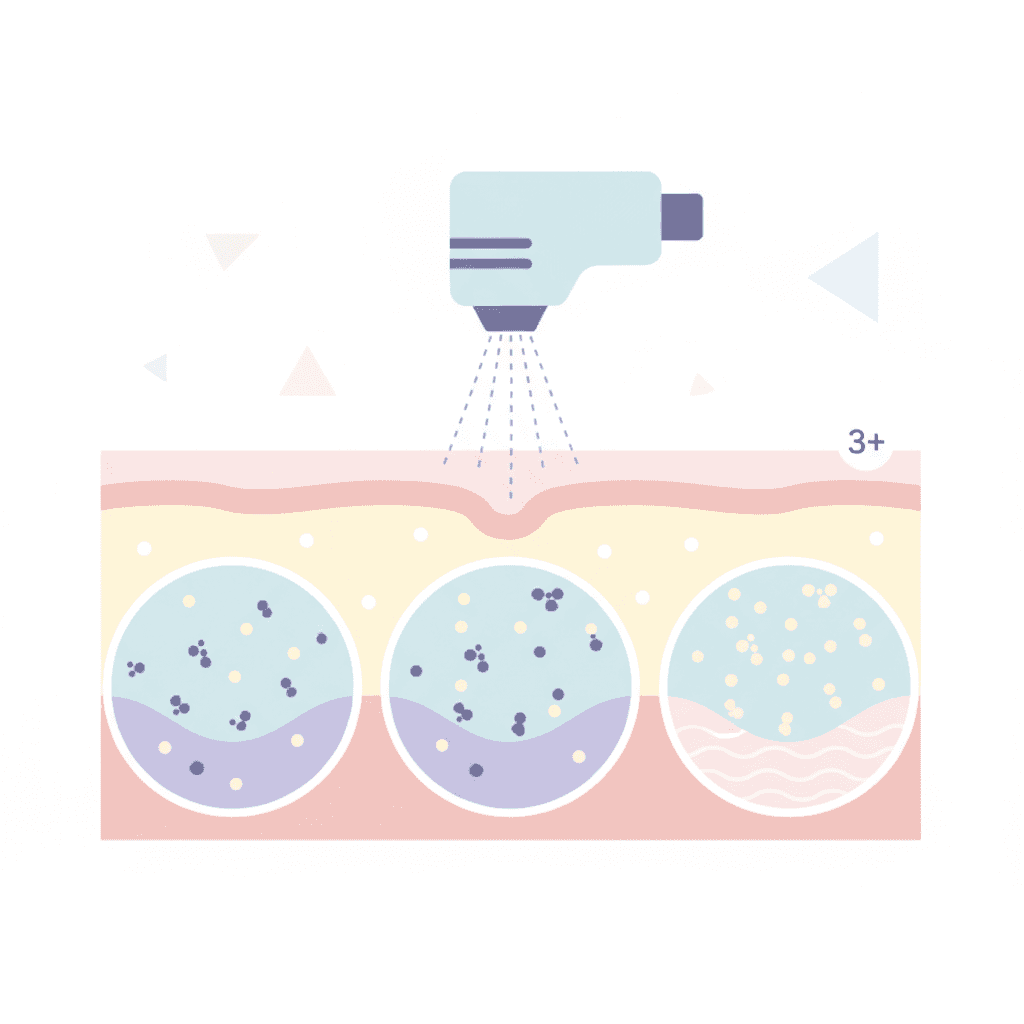
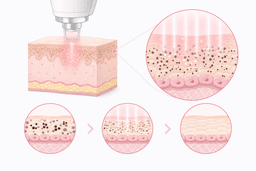
Laser toning provides a cumulative effect rather than a single treatment — the reason visual changes are observed starting from the third session is due to the melanosome degradation threshold. The 1064nm Q-switched Nd:YAG laser selectively destroys melanin in the epidermal layer, but repeated irradiation is essential to reach dermal pigments. The irradiation energy, cycle, and management methods for each KFDA-approved device account for 70% of the result deviation…
Duration and Aftercare Included
- 15-25% melanin destruction rate per session
- Minimum of 5 cumulative sessions recommended
- Average maintenance period of 6-12 months
Why One Session Isn't Enough — The Secret of Melanin Destruction Threshold
The most frequent question I hear in the clinic is, "Can't I just get it done once?" This single expectation can reduce treatment satisfaction by 30%.
Laser toning uses Q-switched lasers to target melanin in the epidermis and upper dermis with nanosecond (one billionth of a second) pulses, breaking down pigment into smaller particles. These fragmented melanosomes are then absorbed and eliminated by macrophages, a process that only progresses by 15-25% per session.
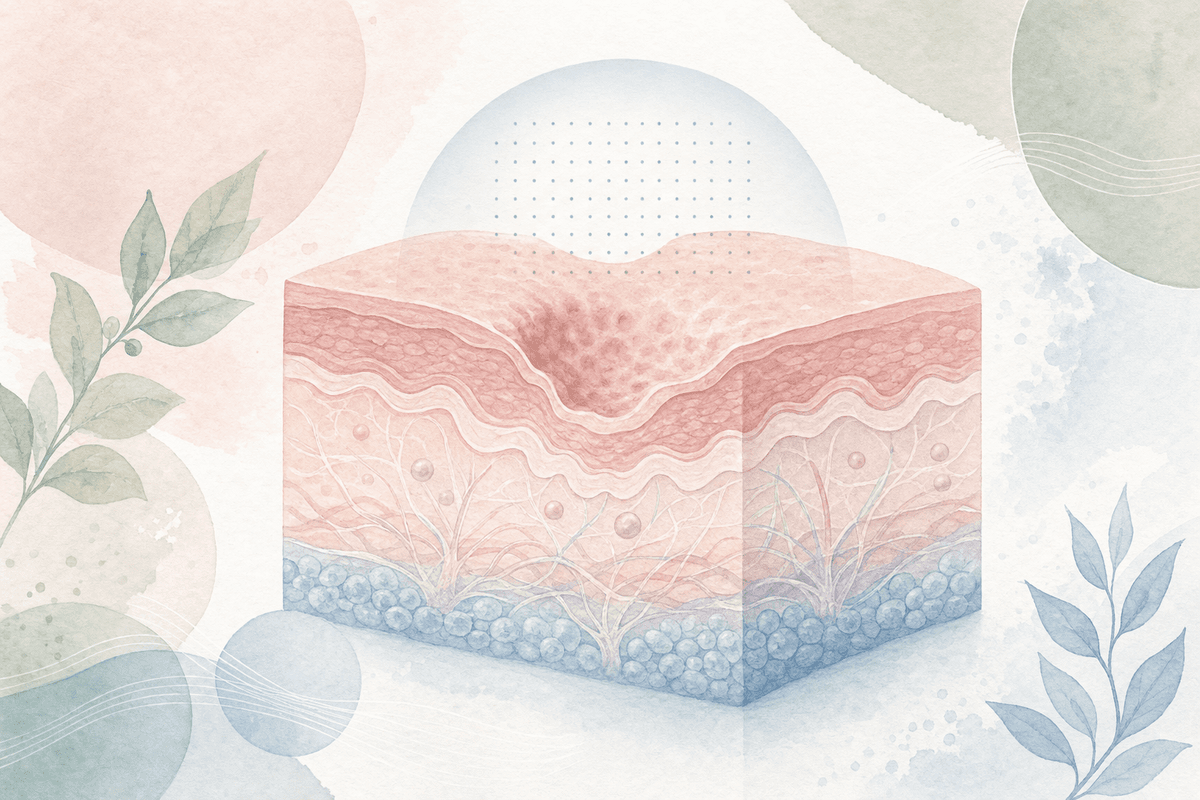
Pigmentation that has penetrated into the dermis, like melasma or dark spots, is deeper than epidermal pigment. A single laser pulse lacks sufficient energy to reach it. Visible changes begin to appear from the third session onwards, as the cumulative destruction amount surpasses the threshold.
According to clinical data from the Korean Dermatological Association in 2021, among 120 melasma patients, those who received only 1-2 sessions showed only a 12% improvement in MASI scores (a melasma severity index). However, patients who underwent 5 or more cumulative sessions showed an average improvement of 48%.
Clinical Insight Melanosome breakdown begins only when cumulative energy surpasses a threshold — a single session should be considered a 'preparatory stage.'
- Q-switched Nd:YAG 1064nm — Wavelength that reaches dermal pigment
- 15-25% melanin destruction rate per session
- Average MASI score reduction of 20-30% after the 3rd session
- Average 48% improvement with 5+ cumulative sessions (Korean Dermatological Association 2021)
Differences by Device — Spectra XT vs. Discovery PICO vs. RevLite SI4
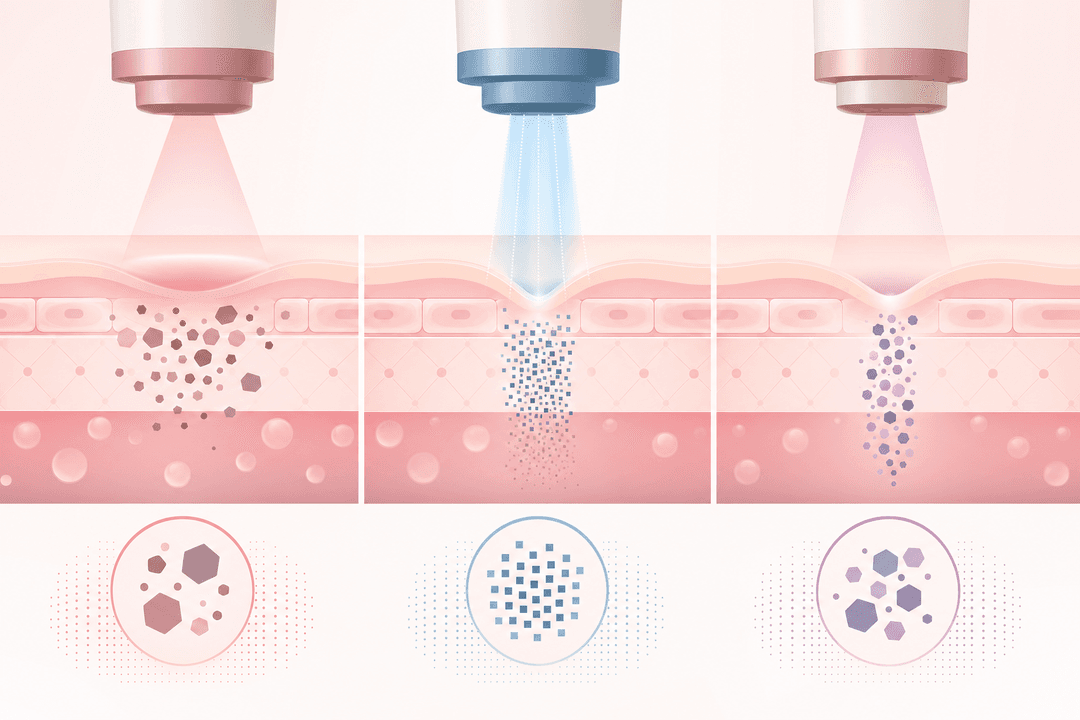
Laser toning devices are broadly categorized into two platforms: Q-switched (nanosecond) and Pico (picosecond). While there are over 20 devices approved by the Korean Ministry of Food and Drug Safety, the three most commonly used in clinical practice are Spectra XT (Lutronic), Discovery PICO (Quanta), and RevLite SI4 (Cynosure).
Spectra XT features dual wavelengths (1064nm/532nm) to simultaneously target epidermal and dermal pigments. Its broad energy range (0.1-20 J/cm²) allows it to address everything from superficial dark spots to deep melasma. However, excessive energy can increase the risk of PIH (post-inflammatory hyperpigmentation), making operator skill crucial.
Discovery PICO uses picosecond (one trillionth of a second) pulses to fragment melanosomes more finely. It causes less thermal damage, resulting in shorter downtime. However, some reports suggest its efficiency in removing deep dermal pigment is slightly lower compared to Q-switched lasers.
RevLite SI4 utilizes four wavelengths (1064/532/585/650nm) and excels in treating combined vascular and pigmentary lesions. It's particularly favored for cases with both redness and pigmentation, but its high cost means it's less common in smaller clinics.
Key Takeaway There are clinics that specialize in devices suited for my skin type (Fitzpatrick III-IV) and pigment depth — use K-Dia to filter by device type and find one near you.
| Device | Wavelength | Pulse Width | Primary Target | PIH Risk |
|---|---|---|---|---|
| Spectra XT | 1064/532nm | 5-10ns | Epidermal & Dermal Pigment | Moderate |
| Discovery PICO | 1064/532nm | 450ps | Superficial Pigment & Tattoos | Low |
| RevLite SI4 | 1064/532/585/650nm | 5ns | Combined Pigment & Vascular Lesions | Low |
- Q-switched pulse width: 5-10 nanoseconds vs. Pico: 450 picoseconds
- Spectra XT domestic market share: approx. 40% (estimated 2023)
- Discovery PICO thermal damage area: approx. 30% less than Q-switched
- RevLite SI4: Capable of simultaneous 4-wavelength operation (for combined vascular and pigment treatment)
Change Timeline: Sessions 1-5 — When Will I See Results?
Sessions 1-2 are the 'preparatory stage.' Only some superficial epidermal pigment is broken down, and visually, you might notice a slight brightening of skin tone. Some patients may even complain of their skin becoming "darker" due to temporary post-inflammatory hyperpigmentation (PIH).
From sessions 3-4, the cumulative destruction amount surpasses the threshold, blurring the borders of dark spots and leading to a more even skin tone. It's common to extend the interval between sessions from 2 weeks to 3 weeks during this period.
With 5-7 or more cumulative sessions, pigment in the upper dermis is also removed. For melasma patients, MASI scores typically decrease by an average of 40-50%. However, there can be significant variation depending on individual melanin activity (influenced by sun exposure and hormonal changes).
Repeated treatments beyond 10 sessions yield diminishing returns. If residual pigment is very deep or if it's hormonal melasma, combining treatments with IPL or using topical tretinoin is recommended over additional sessions.
Caution Many people stop treatment before the 3rd session, judging it as ineffective. Results should be evaluated after at least 5 cumulative sessions.
- Sessions 1-2: 15-25% epidermal pigment destruction
- Sessions 3-4: Blurring of dark spot borders, start of tone evening
- Sessions 5-7: 40-50% MASI score reduction (for melasma patients)
- 10+ sessions: Less than 10% additional improvement (diminishing returns)
Duration of Results — 6 Months? 1 Year? Factors Determining Individual Variation
The effects of laser toning typically last for an average of 6-12 months. However, the key factor determining this variation is not the number of sessions, but rather **sun protection and melanin activity**.
UVA rays penetrate to the dermis, stimulating melanocytes, while UVB rays promote melanin production in epidermal keratinocytes. If SPF50+ PA++++ sunscreen isn't reapplied every two hours, pigmentation can recur within just three months.
Hormonal changes (pregnancy, birth control pills, menopause) can increase melanin activity by 30-50%. Melasma, in particular, is highly estrogen-dependent. Even if laser toning provides temporary improvement, if hormonal stimulation continues, recurrence rates within six months can exceed 60%.
Whether you incorporate at-home care also plays a significant role. Using tretinoin 0.025-0.05% cream, niacinamide 5% serum, and alpha-arbutin 2% products in your nighttime routine can extend the maintenance period by an average of 3-4 months.
Tip Some clinics design at-home care routines to complement the 5 cumulative laser toning sessions — check K-Dia for aftercare programs.
- Average duration of results: 6-12 months (significant individual variation)
- Pigment recurrence within 3 months: 70% if sun protection is inadequate
- Hormonal melasma recurrence within 6 months: Over 60%
- At-home care combined: Average 3-4 month extension of maintenance period
20s vs. 40s — Differences in Response by Age
In their 20s, people typically undergo laser toning to improve dark spots, pores, and oily skin pigmentation. With faster melanin metabolism, noticeable tone improvement occurs within 3-5 sessions, and the maintenance period is longer, averaging 10-14 months.
In the late 30s to 40s, the primary targets are melasma, deep hyperpigmentation, and photoaging. The number of melanocytes increases with age, and there's a greater accumulation of dermal pigment, making at least 7-10 cumulative sessions recommended.
Individuals over 40 experience slower laser responses due to decreased collagen density. A domestic clinical report indicates that MASI score improvement after 5 sessions is 15-20% lower compared to those in their 20s.
For individuals over 50, combination treatments with IPL (Intense Pulsed Light) or fractional lasers are more common than laser toning alone. This is because comprehensive improvement is needed not only for melanin but also for vascular issues, wrinkles, and skin elasticity.
- 20s: Tone improvement in 3-5 sessions on average, maintenance period 10-14 months
- 40s: Minimum 7-10 cumulative sessions recommended, MASI improvement 15-20% lower than 20s
- 50s+: Approx. 60% combination treatment rate (IPL/Fractional)
- With increasing age: Melanocyte count increases 1-2% annually (accelerated photoaging)
Maximizing Results — Treatment Intervals and At-Home Care Routines
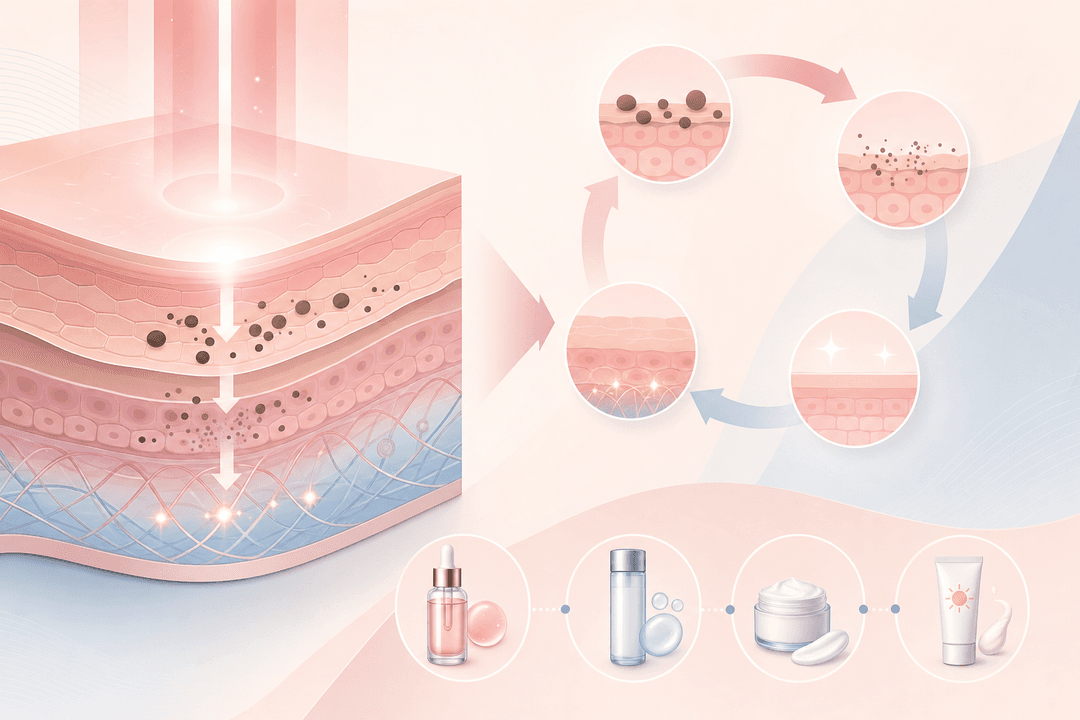
The standard interval for laser toning is 2 weeks for the initial 1-3 sessions, followed by 3-4 weeks. Intervals shorter than 2 weeks increase the risk of PIH due to insufficient epidermal regeneration, while intervals longer than 4 weeks allow melanin regeneration to outpace destruction.
Sun exposure within 24 hours after treatment is strictly prohibited. When the stratum corneum is thinned by laser treatment, exposure to UVA/UVB can increase post-inflammatory hyperpigmentation (PIH) by 3-4 times.
The cornerstone of at-home care is tretinoin 0.025-0.05% cream. It promotes exfoliation, aiding melanin expulsion. However, if retinoid reactions (dryness, redness, peeling) are severe, reduce the concentration or apply every other day.
Niacinamide 5% serum offers both melanin production inhibition and anti-inflammatory effects. Applying it 1-2 times in the morning routine before sunscreen can increase pigment recurrence inhibition by approximately 25%.
Alpha-arbutin 2% products act as tyrosinase inhibitors. Concentrated use for 1-2 months immediately after laser toning can extend the tone improvement maintenance period by an average of 2 months.
Caution Randomly combining at-home care products and concentrations can actually cause irritant contact dermatitis. Start only after consulting with a specialist.
- Treatment interval: Standard is 2 weeks initially, then 3-4 weeks
- Sun exposure within 24 hours post-treatment: 3-4x increased PIH risk
- Tretinoin 0.025-0.05% recommended for nighttime application
- Niacinamide 5%: Approx. 25% pigment recurrence inhibition rate
- Alpha-arbutin 2% use: Average 2-month extension of maintenance period
Comparison of Popular Laser Toning Devices
Spectra XT [Standard]
- Wavelength: 1064/532nm
- Pulse Width: 5-10ns
- Target: Epidermal & Dermal Pigment
- PIH Risk: Moderate
Approx. 40% domestic market share, covers various pigment types
Discovery PICO [Minimal Downtime]
- Wavelength: 1064/532nm
- Pulse Width: 450ps
- Target: Superficial Pigment & Tattoos
- PIH Risk: Low
Picosecond pulses cause less thermal damage, but efficiency for deep pigment removal is slightly lower
RevLite SI4 [Combined Lesions]
- Wavelength: 1064/532/585/650nm
- Pulse Width: 5ns
- Target: Combined Pigment & Vascular Lesions
- PIH Risk: Low
Capable of simultaneous 4-wavelength operation, strong for treating redness and pigmentation together
Common Misconceptions
Myth Melasma disappears after just one laser toning session.
Truth Melasma involves pigment that has penetrated the dermis. A single session only destroys 15-25% of epidermal pigment. An average MASI score reduction of 40-50% can be expected after at least 5-7 cumulative sessions, and hormonal melasma has a recurrence rate of over 60% within six months.
Myth Pico lasers are always better than Q-switched lasers.
Truth While picosecond pulses cause less thermal damage and have shorter downtime, reports indicate no significant difference in the efficiency of removing deep dermal pigment compared to Q-switched nanosecond lasers. The choice of device should depend on pigment depth and skin type.
Actions Absolutely Prohibited After Laser Toning
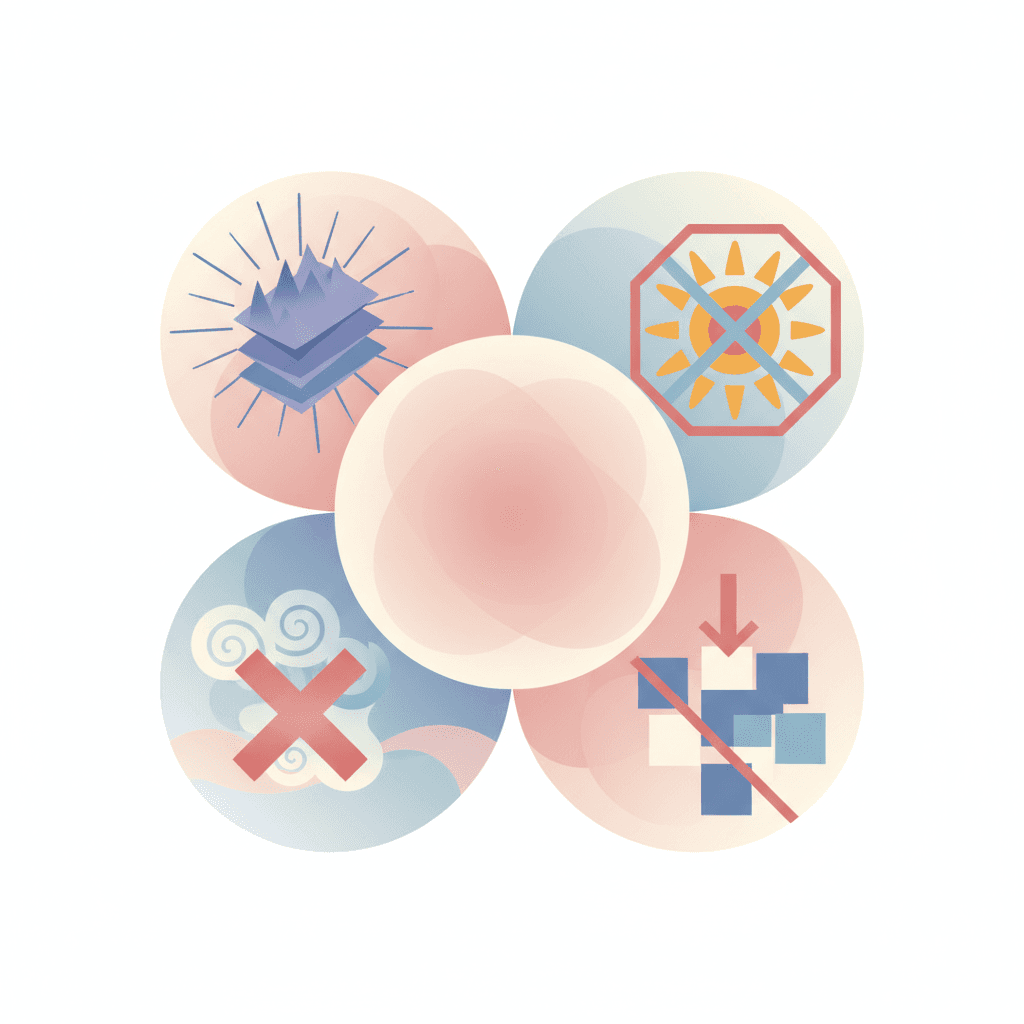
- Sun exposure within 24 hours post-treatment — 3-4x increased PIH risk
- Saunas or hot, humid environments within 2 weeks — Causes inflammation
- Arbitrary use of high-concentration retinol or AHA products — Irritant contact dermatitis
- Treatment intervals less than 2 weeks — Insufficient epidermal regeneration
- Using sunscreen with SPF below 30 or skipping reapplication — Pigment recurrence
Frequently Asked Questions
When do I start seeing results from laser toning?
From sessions 3-4, the borders of dark spots begin to blur, and your overall skin tone starts to even out. Sessions 1-2 are a preparatory phase with minimal visible changes. For melasma patients, it's common to evaluate results after at least 5-7 cumulative sessions.
How long do the effects of laser toning last?
The average duration is 6-12 months, but this varies significantly depending on sun protection and at-home care. Skipping sunscreen reapplication can lead to pigment recurrence within three months, while combining tretinoin and niacinamide can extend the maintenance period by 3-4 months.
What should the treatment intervals be?
The standard interval is 2 weeks for the initial 1-3 sessions, followed by 3-4 weeks. Intervals shorter than 2 weeks increase PIH risk due to insufficient epidermal regeneration, while intervals longer than 4 weeks allow melanin regeneration to outpace destruction.
When can I start applying sunscreen after laser toning?
You should apply sunscreen immediately after the procedure. Exposure to UV rays when the stratum corneum is thinned by laser treatment can increase post-inflammatory hyperpigmentation (PIH) by 3-4 times. Reapply SPF50+ PA++++ sunscreen every two hours.
Can melasma be improved with laser toning?
Melasma is highly dependent on hormones and UV exposure, making it more of a 'management' condition than one that can be 'cured.' Even with temporary improvement from laser toning, if sun protection and at-home care are neglected, the recurrence rate within six months exceeds 60%. Clinically reported effects include a 40-50% reduction in MASI scores, with individual variability.
Is there a difference in laser toning results between people in their 20s and 40s?
In their 20s, faster melanin metabolism leads to noticeable tone improvement within 3-5 sessions and a longer maintenance period of 10-14 months. In their 40s, increased melanocyte count and dermal pigment accumulation necessitate at least 7-10 cumulative sessions, and MASI improvement is 15-20% lower compared to those in their 20s.
This content is for informational purposes only and does not substitute for medical advice. Always consult with a specialist before undergoing any procedure. Results and duration may vary depending on individual skin type, pigment depth, hormonal status, and sun exposure levels.