AI Facial Analysis: Is It Useful for My Concerns? 4 Situational Judgments
- Not all free services are created equal. The accuracy of the results depends on the number of photos and the storage policy.
- The right tool for you will vary depending on your skin concerns, your sensitivity to personal data, and your budget.
- There's a reason why AI analysis results shouldn't be the sole basis for deciding on a procedure.
Information as of October 2026
Conditions Vary by Budget, Time, and Sensitivity
- Analysis takes 30 seconds to 3 minutes
- Personal data storage period: 7 to 90 days
- Error rate under lighting conditions: ±15%
Everyone Says 'Accuracy' is Most Important
Most people searching for AI facial analysis ask one thing: What is the accuracy percentage? But the real differences lie elsewhere. It's about the conditions of the photo you upload.
Even with the same AI, the judgment error can widen by ±15% when only one frontal photo is uploaded versus three photos from different angles. If the color temperature of the lighting is below 3000K, the skin tone analysis itself becomes unstable.
Accuracy is determined not by the tool, but first by the input conditions.
What Does AI Analyze to Make a Judgment?
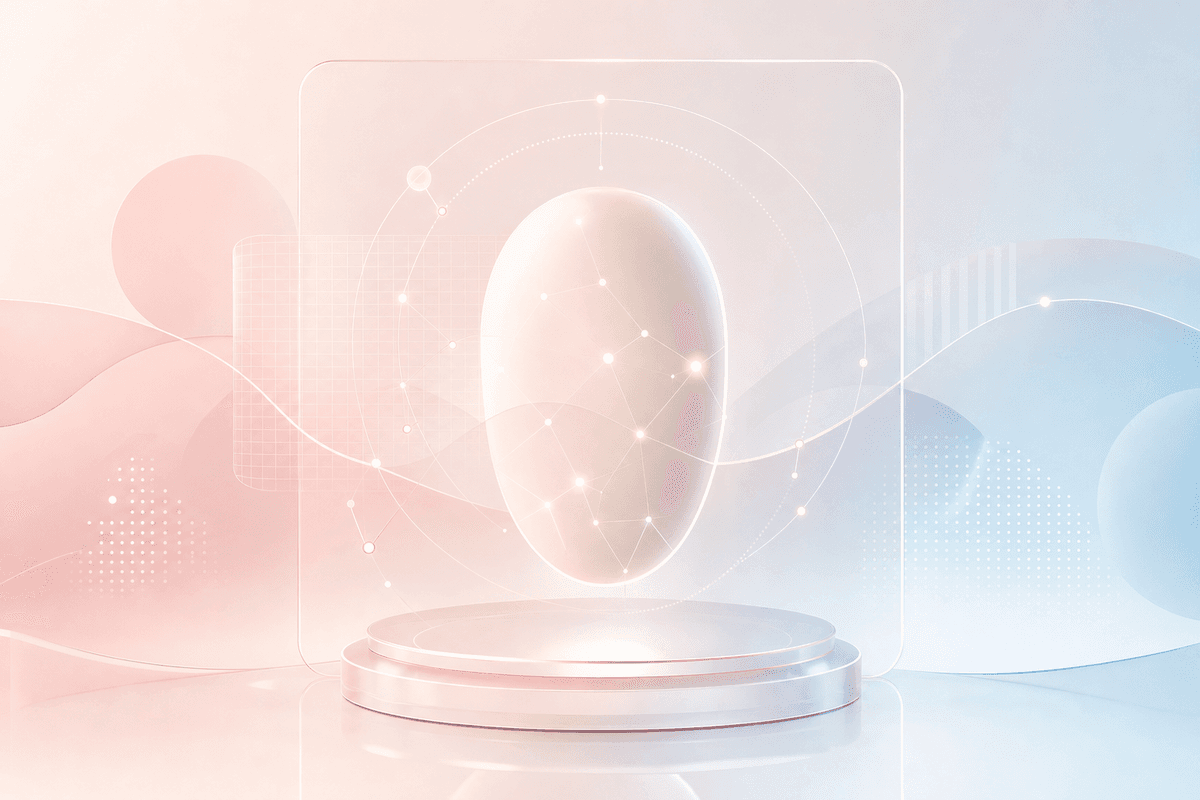
Facial analysis AI first identifies 68 to 468 landmarks (coordinates of eye corners, nostrils, mouth corners) from the uploaded photo.
It then quantifies the distances, angles, and symmetry between these coordinates and compares them to learned standard ranges to generate a score.
For skin analysis, it reads RGB color values and brightness distribution to differentiate pigmentation, pores, and wrinkles. However, even a slight 30-degree deviation in lighting direction can cause shadows to be mistaken for wrinkles.
What AI sees is not the 'skin condition,' but 'pixel patterns in the photo'.
OX Quiz
AI facial analysis can replace a specialist's diagnosis.
Check the answer
X AI analysis only reads pixel patterns in a photo to generate scores; it cannot assess skin depth or differentiate lesions. It should only be used as a reference indicator, with the final judgment made by a specialist.
What's Accurate and Where Does it Go Wrong?
The areas where AI facial analysis is relatively accurate include 'measurable metrics' like skeletal symmetry, contour angles, and distance between eyebrows.
On the other hand, results for pore count, fine wrinkle depth, and pigmentation intensity vary depending on photo resolution and compression rates.
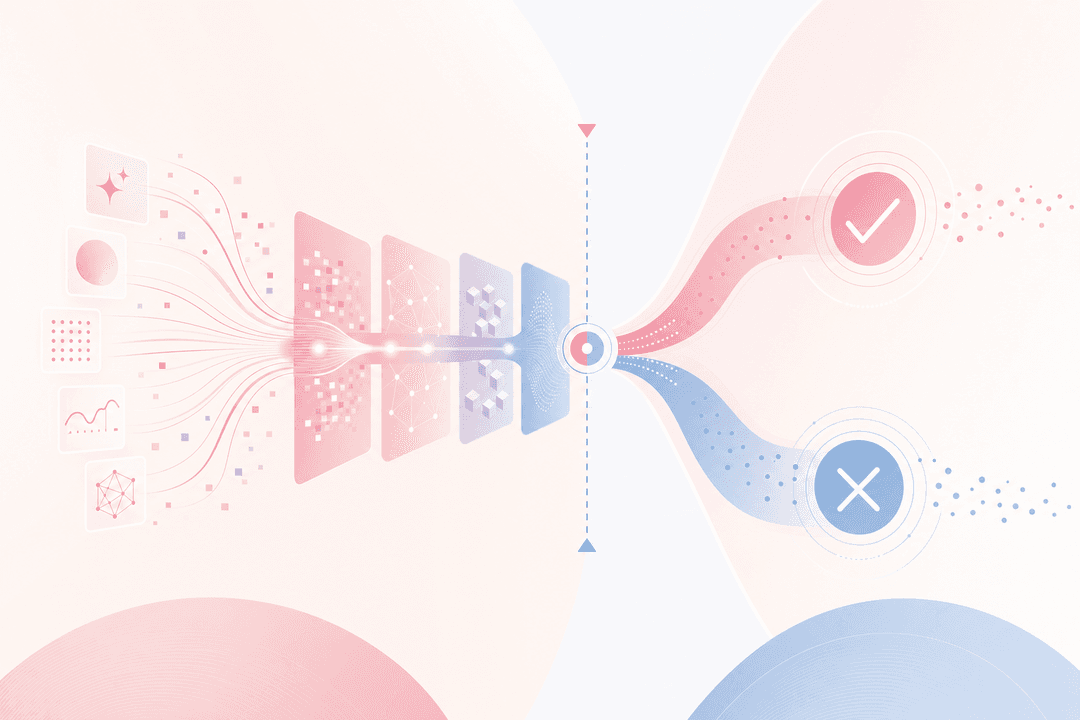
A comparative test of three domestic apps in 2023 showed that the same facial photo received both a judgment of 'clear' and a judgment of 'needs intensive care' simultaneously.
This is due to differences in learning datasets and algorithm standards. This is why AI analysis results should be used only as a 'reference indicator', not an 'absolute standard'.
Caution The same face may receive opposite judgments from different apps. Do not make treatment decisions based on the results of a single tool.
How Should Results Be Used?
AI analysis is a starting point for consideration, not a diagnostic report.
If you receive a judgment like "My pores are larger than average," don't immediately book a treatment. Instead, use it to create a list of questions to ask during a dermatology consultation.
If you are highly sensitive about personal information, check the photo storage and deletion policy. Some apps delete photos immediately after analysis, while others store them on their servers for up to 90 days.
You should also check if the terms of service include provisions for 'third-party sharing'.
- AI results are a starting point for creating a list of consultation questions
- Facial photo storage period: 7 to 90 days; check terms of service carefully
Should I Use AI Facial Analysis?
Just starting to consider treatments + haven't decided on a budget yet
Try 1-2 free apps first. However, don't rely on a single judgment; use the results for comparison.
It's sufficient for setting the direction of your concerns. Comparing results from multiple tools can reveal commonly identified areas.
Already booked a consultation + want to create a specific list of questions
Use a tool that allows uploading 3 or more photos from various angles. This reduces error compared to a single frontal shot.
Consultation times are usually 15 minutes. Bringing AI analysis results beforehand allows you to immediately ask, 'Are my concerns in this area correct?'
Highly sensitive about personal information + hesitant to upload facial photos
Use only tools that delete photos immediately after analysis, or choose not to use them at all.
Some apps have 90-day server storage and third-party sharing clauses. Check if the terms explicitly state 'immediate deletion'.
Intending to use AI results as a primary basis for treatment decisions
Don't use it. AI analysis is a reference indicator, not a diagnosis.
Different apps can provide opposite judgments for the same face. Always seek a specialist's diagnosis for the final decision.
Misconceptions Debunked
Misconception If AI analysis results show 'needs intensive care,' it means there's a real problem.
Truth Depending on the learning dataset and algorithm standards, the same face can receive both 'clear' and 'needs intensive care' judgments simultaneously. The condition cannot be definitively determined from the results of a single tool.
How NOT to Use AI Facial Analysis
- Do not decide on the type or intensity of treatment based solely on AI analysis results. The final decision must always be made after consulting a specialist.
- Do not upload facial photos without checking the storage and deletion policy. Some apps store data on their servers for 90 days and have third-party sharing clauses.
- Results can vary significantly when re-analyzing photos with different lighting, angles, or makeup. Do not treat a single judgment as an absolute standard.
Frequently Asked Questions
What is the accuracy percentage of AI facial analysis?
Accuracy is determined primarily by input conditions (number of photos, lighting, angles) rather than the tool itself. With the same AI, the error can widen by ±15% between one frontal photo and three photos from different angles.
Is there a significant difference between free and paid app results?
Since different learning datasets and algorithm standards can lead to opposite judgments for the same face, it's more important to compare results from multiple tools than to focus on price.
Are facial photos deleted immediately after analysis?
It varies by app. Some delete them immediately, while others have 90-day server storage and third-party sharing clauses. Always check the storage and deletion policy in the terms of service.
References
- Standard for Facial Recognition Landmark Technology — ISO/IEC JTC 1/SC 37, 2021
- A Study on the Factors Affecting the Accuracy of AI Skin Analysis — Journal of Cosmetic Dermatology, 2023
Lumi's Word
Instead of categorizing AI analysis results as 'correct' or 'incorrect,' use them as a tool to refine your concerns. Compare results from various apps to identify commonly pointed-out areas, and then bring that information to your consultation. Feel free to visit anytime if you discover more beauty tech you're curious about.
This content is for informational purposes only and does not substitute for medical advice. AI analysis results are reference indicators; always consult with a specialist before undergoing any procedures.