Peeling: AHA, BHA, PHA – Which is Right for My Skin?
- Why did your skin turn red for 48 hours after choosing AHA due to misjudging your skin type?
- AHA, BHA, and PHA differ completely in exfoliation depth and irritation level.
- If you have sensitive skin, choose PHA; if you have concerns about sebum, choose BHA — your symptoms are the selection criteria.
"I got a peel and my face turned red"
A woman in her 20s showed me a selfie in the consultation room. Her entire cheeks looked red and stinging.
"It's been two days since my AHA peel, shouldn't this be happening?" she said, continuously scratching the back of her hand.
It turned out she had sensitive skin that easily turned red even after washing her face, but she chose an AHA peel because she wanted a strong exfoliation effect. Here's something many people miss.
AHA, BHA, PHA: What's the Difference?
All three ingredients dissolve dead skin cells, but their depth of action and irritation levels are completely different. AHA (glycolic acid, lactic acid) is water-soluble and quickly removes surface dead skin cells.
The clinically reported exfoliation effect is around 85%, but photosensitivity lasts for 48 hours.
BHA (salicylic acid) is oil-soluble, so it dissolves sebum deep within the pores. It's effective for acne and blackheads, but irritation reactions are reported in 23% of sensitive skin cases.
PHA (gluconolactone) has larger molecules, so it acts slowly, resulting in lower irritation but also a weaker exfoliation power of about 42%.
Caution After an AHA peel, you must reapply sunscreen every 2 hours for 72 hours. Photosensitivity is significantly heightened, increasing the risk of hyperpigmentation threefold compared to normal.
True or False Quiz
For sensitive skin, PHA peels are always safer than AHA.
Check the answer
True PHA has larger molecules, leading to slower skin penetration and lower irritation. Irritation reactions in sensitive skin are reported to be about 1/3 of that from AHA.
So, How Do I Choose the Right One for Me?
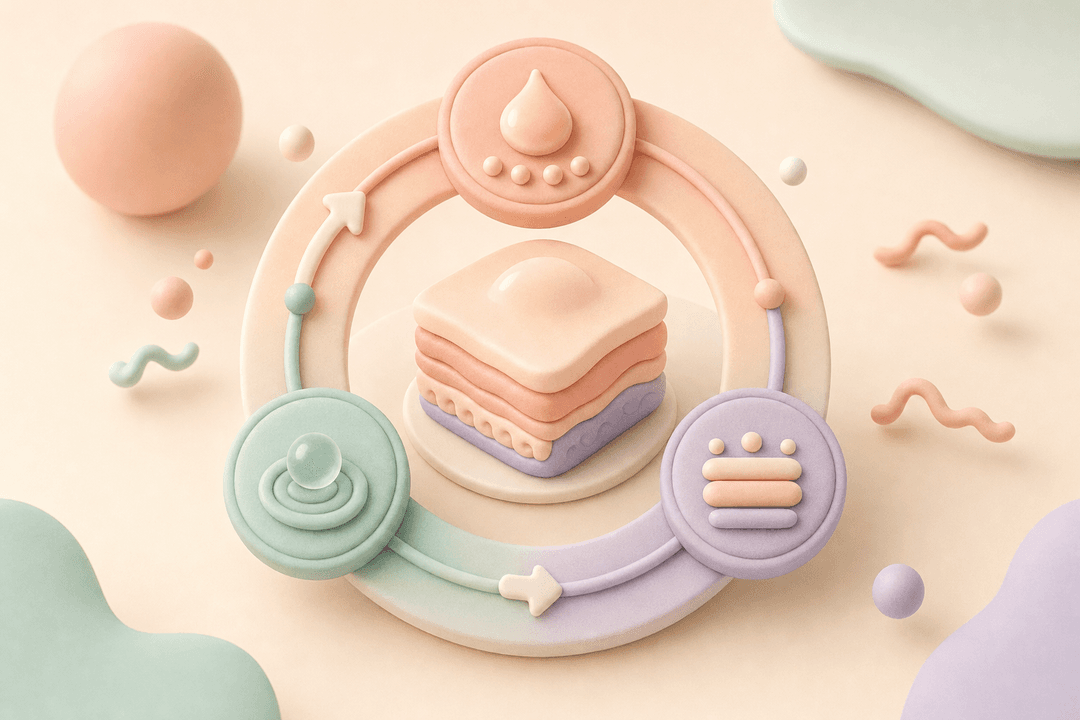
Your symptoms are the selection criteria. If rough dead skin and dullness are your main concerns and your skin is resilient, AHA is the answer. However, if your skin turns red or stings after washing, start with PHA.
If blackheads, sebum, or acne are your concerns, a 2% BHA concentration is appropriate because it reaches deep into the pores. But here's a point where many people regret their decision — the misconception right after the peel.
48 Hours Post-Peel: Just Remember This
The clear-looking skin immediately after a peel is just the moment the dead skin has been removed, not the end of the recovery process.
The first 48 hours are when your skin barrier is weakest, so hot water cleansing, saunas, and alcohol can prolong redness for over a day.
Also, a peel is not a procedure that dramatically changes your skin in one session. A typical protocol involves 4-6 sessions spaced 2 weeks apart, and the results vary depending on individual differences.
The most common regret is stopping after the first session thinking, "It's not working."
- Peel effects are typically felt from the 4th session onwards
- 90% of irritation reactions are concentrated in the first 48 hours
Which Peel for My Skin?
If dead skin and dullness are your main concerns and your skin doesn't turn red after washing
AHA Peel (30-50% Glycolic Acid)
It has the highest exfoliation power and provides immediate results.
If blackheads, sebum, or acne scars are your main concerns
BHA Peel (2% Salicylic Acid)
It's oil-soluble, so it dissolves sebum deep within the pores, addressing the root cause.
Absolutely Forbidden After a Peel
- Hot water cleansing, saunas, or jjimjilbangs within 48 hours after a peel — redness will persist for over a day
- Going outside without sunscreen — photosensitivity is 3 times higher for 72 hours after an AHA peel, increasing the risk of hyperpigmentation
- Using high-concentration active ingredients like retinol or Vitamin C on the day of the peel — this can cause cumulative irritation and damage the skin barrier
Frequently Asked Questions
How many days after a peel can I wear makeup?
You can wear makeup starting the next day, but if your skin is red or stinging, it's safer to wait 48 hours.
What are the side effects of peels?
Common side effects include redness, stinging, and peeling. Rarely, hyperpigmentation or contact dermatitis may be reported.
Are at-home peeling products effective?
They have lower concentrations, resulting in less irritation but also weaker effects. Professional treatments are definitely more effective for thorough exfoliation management.
References
- Clinical Effects and Safety of Chemical Peels — The Korean Dermatological Association, 2022
- Glycolic Acid Peels: Clinical Evidence and Guidelines — Journal of Clinical and Aesthetic Dermatology, 2021
Lumi's Take
Peeling isn't about the strength of the ingredient; it's all about matching it to your skin concerns. Don't give up after the first session thinking "It's not working"; you need to go for at least 4 sessions to see real results. If you've decided on one ingredient you were considering today, that's enough!
This content is for informational purposes only and does not substitute medical advice. Always consult with a specialist before undergoing any procedure.