Nose job trip to Korea: Is 7 days enough?
- Korean rhinoplasty is a field visited by over 30,000 foreign patients annually, featuring techniques optimized for Asian nasal structures and a cost structure that is reasonable compared to their home countries.
- A minimum of 10 days is recommended for stays, from online consultation to surgery, discharge, and return home. For complex revision surgeries, a 14-day stay is advised, and long-haul flights are possible from the 7th day after surgery.
- Key criteria when selecting a clinic include JCI accreditation, the presence of dedicated interpreters, and a remote post-operative management system. Video consultations for follow-up care for three months after returning home are standard.
Information as of July 2026
A Practical Guide for International Patients — From Booking to Post-Discharge Care
- Recommended stay: 10-14 days
- Able to fly 7 days post-surgery
- Over 70% of hospitals offer language support
Why Come to Korea for Rhinoplasty?
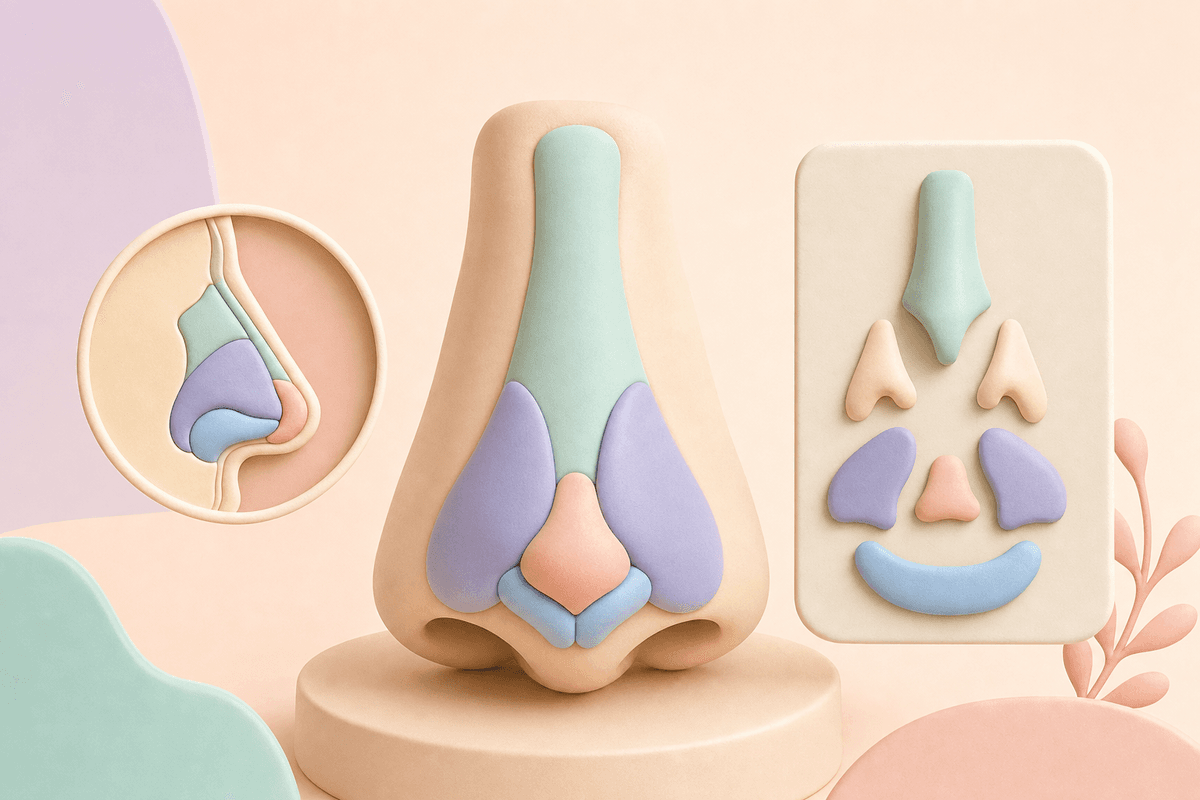
If you thought Korean rhinoplasty was the cheapest, you're only half right. More important than price is the surgical skill optimized for Asian noses. Korean surgeons have significantly more experience and data handling the unique structures of Asian noses, which often feature weaker cartilage and flatter nasal bridges, compared to Western clinics.
According to 2022 statistics from the Korean Society of Plastic and Reconstructive Surgeons, the average number of rhinoplasties performed per specialist per year in Korea is 120 cases, more than double the average in North America and Europe (40-60 cases). This extensive experience with similar nasal structures leads to higher predictability in outcomes.
While costs are reported to be 30-50% lower than in your home country, the difference narrows when including airfare and accommodation. Honestly, there are too many variables to come solely based on price — you need to establish your criteria for choosing a clinic first.
Key Takeaway The training for plastic surgery specialists in Korea is 4 years, which includes a mandatory minimum of 50 rhinoplasty procedures. This is higher than the US ACGME standard of 30 cases.
From Online Consultation to Booking: A Practical Guide
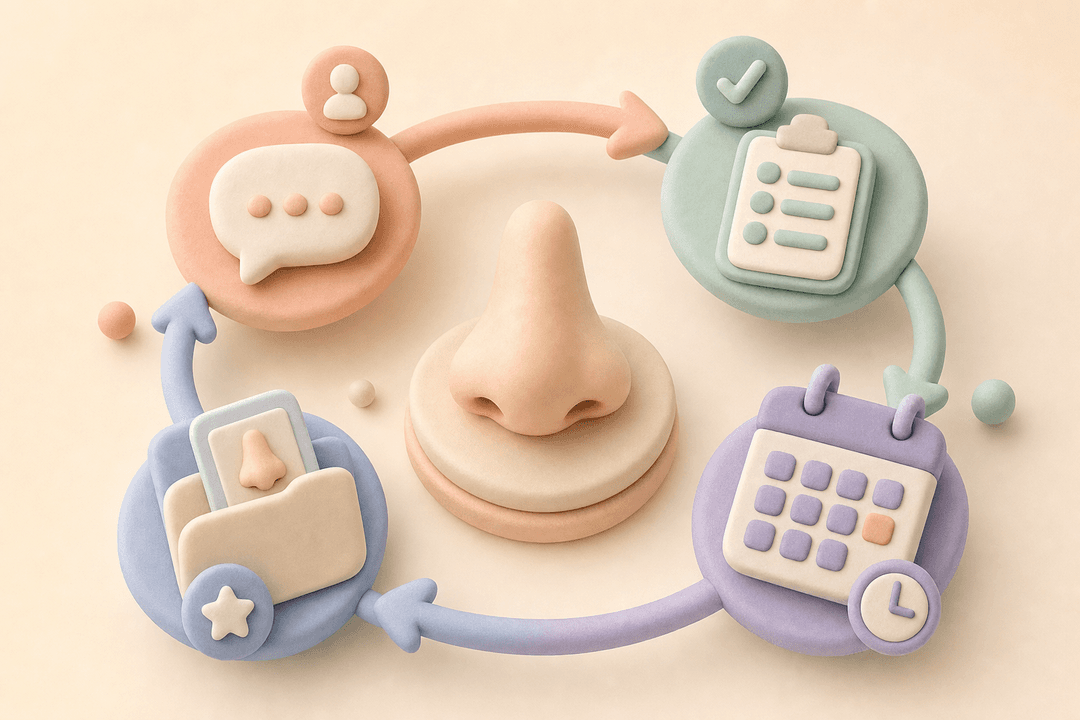
Most international patients begin their initial consultation through the English version of the clinic's official website or their English KakaoTalk channel. You'll typically send three photos (front, side, and 45-degree profile) along with a text description of your desired changes. Expect a response within 24-48 hours.
Cases requiring a CT scan or 3D simulation will move to an in-person consultation upon arrival. Approximately 60% of cases can be assessed online; the rest require a direct examination of the cartilage structure.
The deposit is usually 10-20% of the total cost. Be sure to check the cancellation and refund policy. JCI-accredited clinics adhere to international patient protection standards, so their refund policies are clearly stated.
- Average response time for English consultations: 24-48 hours
- Approx. 60% of cases can be confirmed online
- Deposit ratio: 10-20% of total cost
True or False Quiz
Long-haul flights are possible the day after cast removal for Korean rhinoplasty.
Check the answer
False. Even after cast removal, it is recommended to wait at least 7 days. Changes in air pressure can worsen nasal swelling, and in case of bleeding, emergency treatment onboard is difficult.
What Level of Interpreter Services Are Available?
Among clinics in the Gangnam and Apgujeong areas, which see many international patients, about 70% have dedicated interpreters on staff. English is standard, and some clinics also offer services in Chinese, Japanese, Russian, and Arabic.
However, interpreters may not perfectly convey highly specialized medical terminology. For material choices like 'autologous rib cartilage' or functional surgery explanations such as 'septal correction', understanding is easier when accompanied by diagrams or 3D models.
When choosing a clinic, prioritize asking about 'availability of visual aids' over 'whether an interpreter is present.' Visuals reduce misunderstandings more effectively than words alone.
Tip Request an English version of the surgical consent form. Clinics that only have you sign Korean documents may put you at a disadvantage in case of disputes.
Is 7 Days Really Enough for Your Stay?
For standard rhinoplasty, a minimum of 10 days is recommended; for revisions or functional corrections, 14 days. The basic schedule includes surgery on day 0, dressing change on day 1, cast removal on day 7, and a final check-up on day 10.
Flying immediately after cast removal is risky. Changes in air pressure can significantly increase swelling inside the nasal passages, and if bleeding occurs, in-flight emergency treatment is difficult. According to the Korean Society of Aerospace and Medical Sciences, long-haul flights after rhinoplasty should be at least 7 days post-op.
It's impossible to shorten your stay by moving up the cast removal date. There's a minimum time required for cartilage fixation — this is a physiological limit, not a marketing tactic.
| Schedule | Details | Duration |
|---|---|---|
| Day of Surgery | Surgery under general anesthesia + 2-3 hours in recovery room | 4-5 hours |
| Day After Surgery | Dressing change + Prescription pickup | 30 minutes |
| Day 7 | Cast removal + First follow-up check | 1 hour |
| Day 10 | Final check-up + Pre-departure consultation | 30 minutes |
The schedule may vary depending on individual recovery speed and the scope of surgery.
Choosing a Clinic: Check These 3 Things
First, JCI (Joint Commission International) accreditation status. This is an international healthcare accreditation standard verifying infection control, patient safety, and post-operative care protocols. Approximately 40 clinics in Korea hold this accreditation.
Second, dedicated coordinator assignment. Check if there's a system where one person handles pre- and post-operative schedule coordination, interpretation, and emergency contacts. If responsibilities are divided among multiple departments, responses to inquiries after you return home may be delayed.
Third, a remote post-operative management system. Choose a clinic that specifies in the contract: video consultations for progress checks for 3 months post-discharge, photo reviews, and support for airfare if re-visits are necessary. Verbal agreements are not valid evidence in disputes.
- Approx. 40 JCI-accredited clinics (as of 2023)
- Approx. 50% of clinics have dedicated coordinators
- Approx. 60% of clinics offer remote follow-up care
Post-Discharge Care: What's Covered?

Most clinics request front and side photos at 1, 3, and 6 months post-surgery. They'll conduct video calls to check the bridge height, asymmetry, and scar condition, and if necessary, send taping supplies or scar ointment via international courier.
The issue arises with severe complications. Cases like infection or cartilage displacement cannot be treated remotely. Ensure your contract includes a clause for 'support for round-trip airfare in case revision surgery is needed.'
While you can get follow-up care at a local clinic after returning home, it's difficult for them to make accurate assessments without sharing medical records with your Korean surgeon. Obtain English charts and surgical records before your departure.
Caution If you undergo revision rhinoplasty at another clinic within 6 months of returning home, the original clinic's post-operative care commitments may be voided. Check the disclaimer clauses in your contract.
Recommended Cases by Stay Duration
7-10 Day Stay [Primary Surgery]
- Simple augmentation rhinoplasty (silicone, Gore-Tex)
- Nasal tip plasty (cartilage grafting)
- Departure possible after cast removal
Suitable for cosmetic rhinoplasty without functional correction
10-14 Day Stay [Revision/Complex]
- Revision surgery (removal of existing implants)
- Combined septal correction
- Second follow-up check required
Recommended for cases with higher recovery variability, allowing for a more relaxed schedule
14+ Day Stay [High Difficulty]
- Surgery using autologous rib cartilage
- Accompanied by facial asymmetry
- More than 2 revisions
Requires additional recovery time for the cartilage harvesting site (chest)
Criteria for Choosing the Right Clinic for You
First rhinoplasty with a tight budget
Prioritize clinics with a dedicated coordinator + remote follow-up care over JCI accreditation
Accreditation costs are reflected in prices, so clinics with essential services are more cost-effective.
Revision surgery or history of complications
Check for JCI accreditation + clause for airfare support for revisions
Higher chance of needing revision surgery, so including return trip costs in the contract is safer.
Wanting to shorten your stay to under 7 days
Check for a network of partner clinics in your home country
If cast removal can be done locally, a shorter stay is possible.
Most concerned about language barriers
Choose a clinic with interpreters who hold medical interpreter certifications
General interpreters may mistranslate medical terms, increasing the risk of disputes.
Common Misconceptions
Misconception Korean clinics charge international patients more.
Truth Prices are the same for domestic and international patients; sometimes, separate fees are charged for interpretation and coordinator services. These are itemized on the quote, so you can verify them.
Misconception It's okay to fly immediately after surgery.
Truth Flying before cast removal carries a high risk of worsening bleeding and swelling due to air pressure changes. The Korean Society of Aerospace and Medical Sciences recommends at least 7 days before long-distance travel.
Frequently Asked Questions
Can I confirm my surgery date with just an online consultation?
Simple augmentation rhinoplasty is possible, but for revisions or cases requiring functional correction, the final confirmation is made after arrival with CT and endoscopic examinations. About 60% of cases can be confirmed online.
Do interpreters accompany patients into the operating room?
For infection control, only medical staff are allowed in the operating room. However, interpreters will be present before anesthesia and in the recovery room, translating the surgeon's explanations into English.
I want to shorten my stay to 5 days, is that possible?
Since cast removal is on day 7 at the earliest, a 5-day stay is not possible. However, you can shorten your stay by choosing a clinic that has a system for cast removal at a partner hospital in your home country after you return.
What happens if I develop an infection or complications after returning home?
Check if your contract includes a clause for support for round-trip airfare if revision surgery is needed. Without it, you'll have to bear the cost of return visits, and sharing records with your Korean surgeon is difficult when visiting a local clinic.
Can I get a refill for my post-operative prescription medication locally?
Refills for antibiotics and painkillers can be difficult due to country-specific prescription regulations. It's safer to get a 3-month supply before leaving and request an English prescription.
Does a clinic without JCI accreditation mean it's unsafe?
No. JCI evaluates the international patient service system and is not directly related to surgical skill. However, you should directly verify the presence of a dedicated coordinator and a remote post-operative management system.
Lumi's Note
10 days might seem long, but returning home before cast removal significantly increases the risk of complications. Please remember that a flexible schedule ultimately leads to safer results. I wish you a successful journey!
This content is for informational purposes only and does not substitute medical advice. Always consult with a specialist before undergoing surgery.