Lipolysis Injection vs. Cryolipolysis/Radiofrequency: Which is Right for My Belly Fat?

- Even for the same 5cm on the abdomen, the recommended procedure varies depending on the thickness of subcutaneous fat.
- Lipolysis Injections show results within 2 weeks, but the reduction per session is about half that of cryolipolysis.
- Radiofrequency is frequently chosen by those in their late 30s and older who need elasticity improvement.
Information as of October 2026
Comparative Analysis of 3 Body Contouring Procedures
- 50,000-80,000 KRW per injection
- 200,000-400,000 KRW per cryolipolysis session
- Results in 2 weeks vs. 8 weeks
When you pinch your waist in front of the mirror
If the thickness you can pinch with your fingers is less than 2cm, consider Lipolysis Injection. If it's more than 3cm, consider cryolipolysis first.
This article summarizes the selection criteria for the three procedures, from their mechanisms of action to costs and recovery periods.
All three procedures reduce the number of fat cells, but their methods differ.
Injections dissolve cell membranes with medication, cryolipolysis freezes and causes necrosis at -11°C, and radiofrequency breaks down fat by contracting collagen with heat at 42-43°C.
Speed of results, divided into 2 weeks vs. 8 weeks
Lipolysis Injection shows reduced circumference within 2 weeks after the procedure, as the medication directly dissolves cell membranes.
In contrast, cryolipolysis takes time for the immune system to clear the frozen cells, with final results appearing after 8-12 weeks.
Radiofrequency lipolysis falls in the middle. The heat stimulation causes immediate collagen contraction, with improved elasticity felt within a week, but fat breakdown itself takes 4-6 weeks.
According to a report by the Korean Dermatological Association (2022), radiofrequency was chosen more frequently by patients over 35, with a 43% higher selection rate.
OX Quiz
Cryolipolysis is always more cost-effective than Lipolysis Injection.
Check the answer
X For areas with less than 2cm pinch thickness, the total cost of 3-4 injections is less than one cryolipolysis session. Injections also offer more precise results in thinner layers, leading to higher satisfaction.
Where does the reduction per session and total cost reverse?
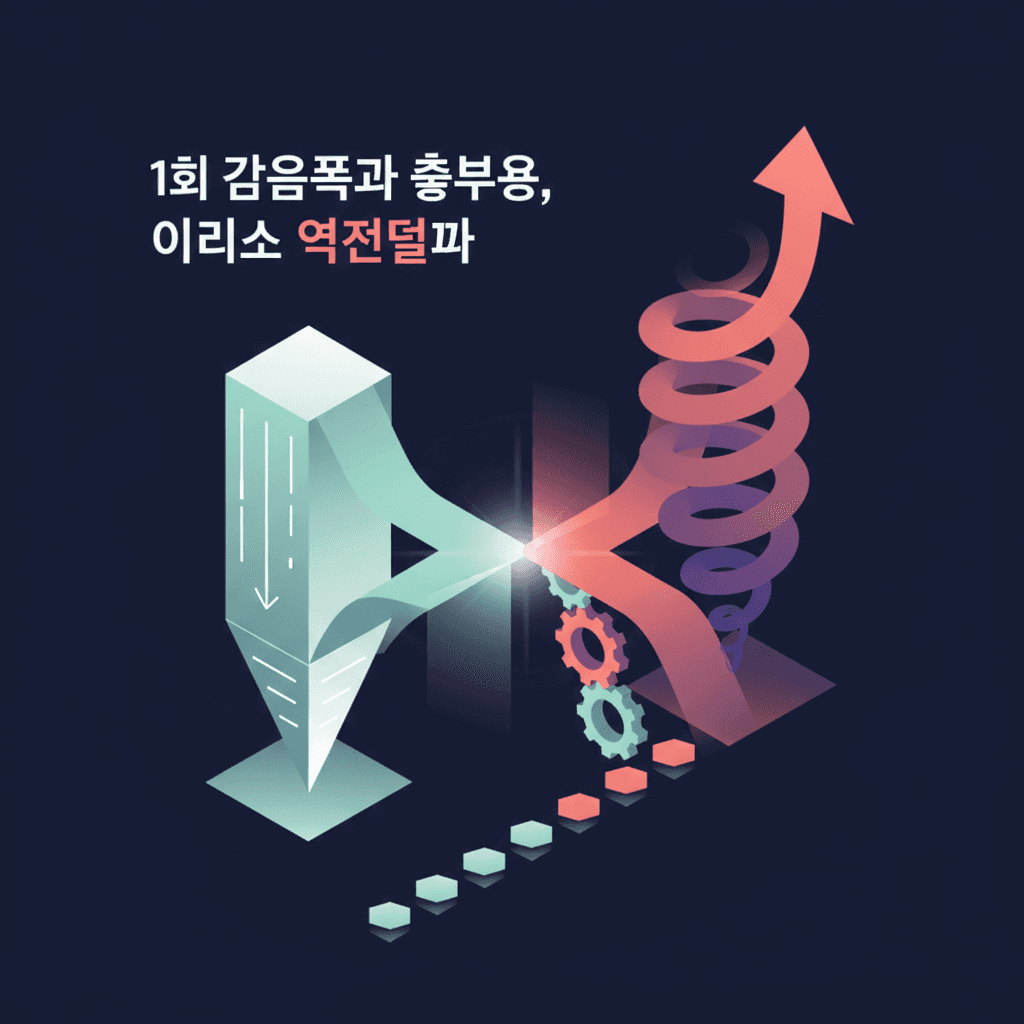
One session of cryolipolysis removes 20-25% of the fat layer in the treated area. Injections remove about 5-10%, requiring 3-4 sessions to reach the same target.
However, when calculating the cost, a reversal occurs.
For one side of the abdomen, one session of Lipolysis Injection costs 50,000-80,000 KRW, while one session of cryolipolysis costs 200,000-400,000 KRW. Even with 4 injection sessions, the total cost is under 320,000 KRW, making it cheaper than one cryolipolysis session.
The main difference is the time interval: injections require visits every 2 weeks, while cryolipolysis is completed in a single session.
Key takeaway Radiofrequency treatments range from 150,000-300,000 KRW per session, a mid-range price. However, this includes skin tightening effects, so it may be less efficient if the sole purpose is fat reduction.
| Procedure | Cost per session (Abdomen) | Onset of results | Recommended sessions |
|---|---|---|---|
| Lipolysis Injection | 50,000-80,000 KRW | 2 weeks | 3-4 sessions |
| Cryolipolysis | 200,000-400,000 KRW | 8-12 weeks | 1-2 sessions |
| Radiofrequency | 150,000-300,000 KRW | 4-6 weeks | 2-3 sessions |
Costs may vary depending on the area, extent, and medical institution.
Ultimately, subcutaneous fat thickness is the benchmark
If the pinch test (thickness grasped with fingers) is less than 2cm, start with Lipolysis Injection. If it's more than 3cm, cryolipolysis is more efficient in terms of reduction per session.
Consider radiofrequency first if skin laxity is present or if you are over 35 years old.
The FDA approved Lipolysis Injection for the abdomen and chin in 2015, and cryolipolysis in 2010. Radiofrequency has been used for skin tightening since 2009, with fat reduction effects reported later.
The choice is a combination of area thickness, budget, and schedule.
- For areas under 2cm, injection efficiency is 1.8 times higher.
- For individuals over 35, radiofrequency selection rate increases by 43%.
Procedure Selection Guide by Situation
Lipolysis Injection [Small Volume, Multiple Sessions Type]
- Pinch test less than 2cm
- Can visit every 2 weeks
- Return to daily life immediately after procedure
- Bruising for 3-5 days
When you can spread out your budget and want quick results
Cryolipolysis [Single Session Completion Type]
- Pinch test over 3cm
- Achieve goals in 1-2 sessions
- Cold sensation and pulling during procedure
- Minimal bruising
When you want to finish in one go and treat a large area
Radiofrequency Lipolysis [Accompanied by Skin Tightening Type]
- For cases with skin laxity
- Recommended for ages 35+
- Warm sensation during procedure
- Minimal side effects
When you want simultaneous fat reduction and skin tightening
Common Misconceptions
Misconception Lipolysis Injection is less effective, and cryolipolysis is always stronger.
Truth While cryolipolysis offers greater reduction per session, injections work more precisely in thin areas (under 2cm), leading to higher satisfaction. Thickness is the selection criterion, not strength.
Important Considerations Before Procedure
- Cryolipolysis is contraindicated for those with a history of cold urticaria or Raynaud's disease.
- Avoid alcohol and saunas for 48 hours after Lipolysis Injection to reduce swelling.
- Radiofrequency cannot be performed if there are metal implants (e.g., abdominal mesh).
Frequently Asked Questions
Which of the three procedures has the shortest recovery period?
With radiofrequency, you can return to daily activities on the same day. Lipolysis Injection may cause bruising for 3-5 days, and cryolipolysis may result in temporary numbness in the treated area for about 2 weeks.
Can the skin become uneven after cryolipolysis?
Over-treatment in areas with thin fat layers (under 2cm) can lead to surface irregularities. In such cases, injections or radiofrequency are safer.
Does Lipolysis Injection raise liver enzyme levels?
Deoxycholic acid is metabolized by the liver, but no increase in liver enzyme levels has been reported at clinical doses (50-100mg per session). However, prior notification is necessary if you have underlying liver disease.
References
- Analysis of Body Contouring Procedure Selection Criteria and Age-Specific Preferences — Korean Dermatological Association, 2022
- Cryolipolysis for Noninvasive Body Contouring: Clinical Efficacy and Patient Satisfaction — Clinical, Cosmetic and Investigational Dermatology, 2015
Lumi's Word
Remember that 2cm is the benchmark; just keeping this in mind will prevent you from making the wrong choice. Measure with your fingers in front of the mirror, then match it with your budget and schedule. If you're still unsure, feel free to visit us again!
This content is for informational purposes only and does not substitute medical advice. Always consult with a specialist before undergoing any procedure.